Iffa Jayyana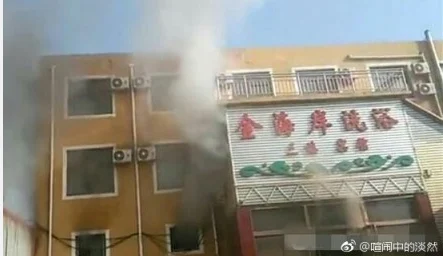
Six individuals tragically lost their lives following a devastating fire that erupted on Sunday afternoon at a bathhouse in Yongnian district of Handan, Hebei province. The incident, which originated in the sauna section of the Jinhai’an Bath Center, has spurred immediate government action, including the detention of individuals believed to be responsible and the initiation of comprehensive safety inspections across the city. This tragedy underscores persistent concerns regarding fire safety standards in commercial leisure establishments throughout China.
The Fateful Afternoon: A Chronology of Events
The tranquility of Sunday, December 10, was shattered at approximately 13:51 PM when an alarm sounded at the Jinhai’an Bath Center. Flames were first reported in the sauna area, a common amenity in many Chinese bathhouses, known for its high temperatures and electrical heating elements. Eyewitness accounts, though not officially released, likely describe a rapid spread of smoke and heat, trapping patrons and staff within the sprawling complex.
Emergency services, including multiple fire brigades and paramedics, were swiftly dispatched to the scene in Yongnian district. Firefighters faced immediate challenges upon arrival, battling intense heat and thick, acrid smoke that severely hampered visibility and rescue efforts. The priority was to contain the blaze and evacuate any individuals still inside the burning structure. Initial reports from the scene confirmed the tragic discovery of two fatalities, individuals who likely succumbed to smoke inhalation or burns before rescue teams could reach them.
As the fire was brought under control and rescue operations continued, a number of injured individuals were extracted from the bathhouse and rushed to nearby hospitals for urgent medical attention. These victims, many suffering from severe burns, smoke inhalation, and other trauma, were immediately placed under intensive care. Despite the best efforts of medical professionals, four of these hospitalized individuals tragically succumbed to their injuries in the hours following the incident, raising the total death toll to six. The Hebei Public Security Department officially confirmed these details in a Sina Weibo post on Monday, providing the first comprehensive public statement on the disaster.
The aftermath of the fire saw the immediate securing of the Jinhai’an Bath Center, transforming it into a scene for forensic investigation. Authorities swiftly moved to identify and detain individuals believed to be responsible for the incident, though their specific roles and the exact nature of their alleged culpability have not yet been publicly disclosed. This swift action signals the government’s commitment to a thorough investigation and to holding negligent parties accountable under the law.
Investigative Efforts and Accountability
The investigation into the precise cause of the fire is currently underway, led by a multi-agency task force comprising fire safety experts, public security officials, and forensic specialists. Investigators will meticulously examine the structural integrity of the bathhouse, the condition of electrical wiring and heating systems in the sauna, the materials used in construction and furnishings, and the efficacy of fire suppression and alarm systems. They will also review maintenance records, staff training protocols, and compliance with national and local fire safety regulations.
Initial inquiries are likely focusing on potential electrical malfunctions, overheating equipment, or the presence of highly combustible materials that could have accelerated the fire’s spread. Given the origin in the sauna, the specialized equipment and high-temperature environment within such facilities present unique risks that demand rigorous adherence to safety standards. The detention of "responsible parties" suggests that preliminary findings or evidence point towards potential human error, negligence, or a failure to comply with safety protocols. Depending on the outcome of the investigation, these individuals could face severe legal consequences, ranging from criminal charges of negligence causing death to significant administrative penalties. The legal framework in China, particularly the Fire Protection Law, stipulates stringent penalties for individuals and entities found to be in violation of safety standards, especially when such violations result in fatalities.
A Deeper Look at Bathhouses and Safety Risks
Bathhouses, or yùchí (浴池) and xǐyùzhōngxīn (洗浴中心), hold a significant cultural and social place in China. They are not merely places for hygiene but often serve as comprehensive leisure centers, offering a range of services from communal bathing and saunas to massages, dining, and even overnight accommodation. Their popularity stems from their affordability, convenience, and role as social hubs where friends, families, and colleagues can relax and connect. The Jinhai’an Bath Center likely offered a similar array of services, attracting a diverse clientele.
However, the very nature of these multi-functional establishments also presents inherent fire safety challenges. They often feature complex layouts with numerous rooms, corridors, and sometimes multiple floors, which can complicate emergency evacuations. The presence of water, electricity, and various heating elements (for baths, saunas, and steam rooms) creates a specific set of risks. Saunas, in particular, operate at extremely high temperatures and rely on specialized electrical heaters, making them susceptible to electrical faults, overheating, or ignition of nearby combustible materials if not properly installed, maintained, and monitored. Furthermore, the use of towels, robes, and other soft furnishings can contribute to the rapid spread of fire once ignited. Ventilation systems, critical for air quality, can also inadvertently spread smoke and flames if not designed with fire safety compartmentalization in mind.
China’s Fire Safety Landscape and Regulatory Framework
China has made significant strides in improving fire safety standards over the past decades, particularly in public spaces and commercial establishments. The Fire Protection Law of the People’s Republic of China, alongside numerous national codes and standards, mandates strict requirements for building design, fire prevention equipment, emergency exits, and staff training. These regulations cover aspects such as the installation of automatic sprinkler systems, smoke detectors, fire alarms, emergency lighting, and clear evacuation routes. Regular inspections by local fire departments are also stipulated to ensure compliance.
Despite these regulations, sporadic but often devastating fires continue to occur in various commercial and industrial settings across the country. Common contributing factors often include inadequate enforcement of existing regulations, shortcuts taken by business owners to cut costs, a lack of regular maintenance for safety equipment, insufficient staff training in emergency procedures, and sometimes, illegal modifications to premises. Past incidents, particularly those involving public entertainment venues or commercial complexes, have frequently led to nationwide safety campaigns and stricter enforcement drives. The Hebei province, like many industrial and commercially active regions in China, faces the ongoing challenge of balancing rapid economic development with robust safety oversight across its diverse business landscape.
Official Response and Immediate Actions
In the wake of the Jinhai’an Bath Center tragedy, the Handan municipal government has taken decisive action, demonstrating a clear commitment to preventing similar incidents. Immediately following the official announcement of the fatalities, the government dispatched seven specialized inspection teams to conduct citywide safety checks. These teams are tasked with thoroughly auditing all commercial establishments, particularly those in the leisure and hospitality sectors, including other bathhouses, hotels, entertainment venues, and restaurants.
The focus of these inspections will be comprehensive, scrutinizing fire safety equipment functionality, emergency exit accessibility, electrical system integrity, staff emergency response training, and overall compliance with fire codes. This proactive measure aims to identify and rectify any potential hazards before they can lead to another disaster. Establishments found to be in violation of safety regulations will likely face immediate closure orders, substantial fines, and mandates for urgent remediation. This governmental response reflects a broader pattern in China where major safety incidents often trigger widespread campaigns to tighten enforcement and raise public awareness. Local authorities, including the Yongnian District government, are expected to provide additional support to the victims’ families, including financial assistance and counseling services, in addition to cooperating fully with the ongoing investigation.
Community Reactions and Expert Perspectives
The community in Yongnian district and Handan city has undoubtedly been left in shock and grief by the tragic loss of life. Such an event reverberates deeply, prompting concerns among residents about the safety of local businesses they frequent daily. While official statements from local residents are not yet available, it is reasonable to infer a mix of sorrow for the victims, frustration over perceived safety lapses, and a demand for swift justice and concrete measures to prevent future tragedies. Calls for greater transparency in safety inspections and stricter penalties for negligence are common sentiments following such incidents.
Emergency service personnel, particularly firefighters who responded to the scene, often face immense psychological and physical challenges. Their accounts, if made public, would likely highlight the difficult conditions they encountered and the dedication involved in rescue efforts. Fire safety experts, speaking generally about such incidents, would emphasize several critical points:
- Preventative Maintenance: The absolute necessity of regular, professional maintenance of all electrical and heating systems, particularly in high-risk areas like saunas.
- Material Selection: The importance of using fire-retardant or non-combustible materials in construction and interior decoration, especially in confined spaces.
- Effective Evacuation Plans: Clear, well-marked emergency exits that are never obstructed, combined with regular fire drills for staff and visible evacuation maps for patrons.
- Advanced Detection and Suppression Systems: The proper installation and regular testing of smoke detectors, fire alarms, and automatic sprinkler systems.
- Staff Training: Comprehensive training for all employees on emergency procedures, including how to use fire extinguishers, assist in evacuations, and contact emergency services.
- Regulatory Enforcement: The critical role of consistent and rigorous enforcement by regulatory bodies to ensure businesses comply with all safety codes, rather than waiting for a tragedy to occur.
Broader Implications: Lessons Learned and Future Safeguards
The Jinhai’an Bath Center fire serves as a stark reminder of the continuous challenges in maintaining robust safety standards in public venues. The broader implications of this incident extend beyond Handan, potentially influencing fire safety policy and enforcement across Hebei province and even nationally.
Firstly, there will likely be increased scrutiny on the business practices of leisure establishments. Operators will face heightened pressure to prioritize safety investments over cost-cutting measures. This might include upgrading outdated infrastructure, investing in advanced fire safety technology, and allocating resources for comprehensive staff training. Businesses found to be non-compliant will likely face not only legal repercussions but also significant reputational damage and loss of public trust.
Secondly, the incident could prompt a re-evaluation of specific regulations pertaining to saunas and similar high-risk amenities within commercial complexes. This might involve stricter standards for electrical installations, ventilation systems, material fire ratings, and operational protocols for these particular facilities. Regulators might also consider more frequent and unannounced inspections for such venues.
Thirdly, there is a renewed emphasis on public awareness. While authorities are responsible for enforcement, patrons also play a role by being aware of emergency exits, reporting potential hazards, and understanding basic fire safety procedures in public spaces. Campaigns to educate the public on these aspects might become more prevalent.
Ultimately, the tragedy in Yongnian district is a somber call to action. It underscores the critical importance of a multi-faceted approach to fire safety, encompassing robust legal frameworks, diligent enforcement, responsible business practices, and an informed public. The lives lost serve as a powerful impetus for continuous improvement and unwavering vigilance in safeguarding public spaces against preventable disasters. The outcome of the ongoing investigation and the subsequent actions taken by the Handan authorities will be closely watched, as they will set a precedent for accountability and prevention in the future.


 Evan Lee Salim
 Jia Lissa