Sagoh
Sagoh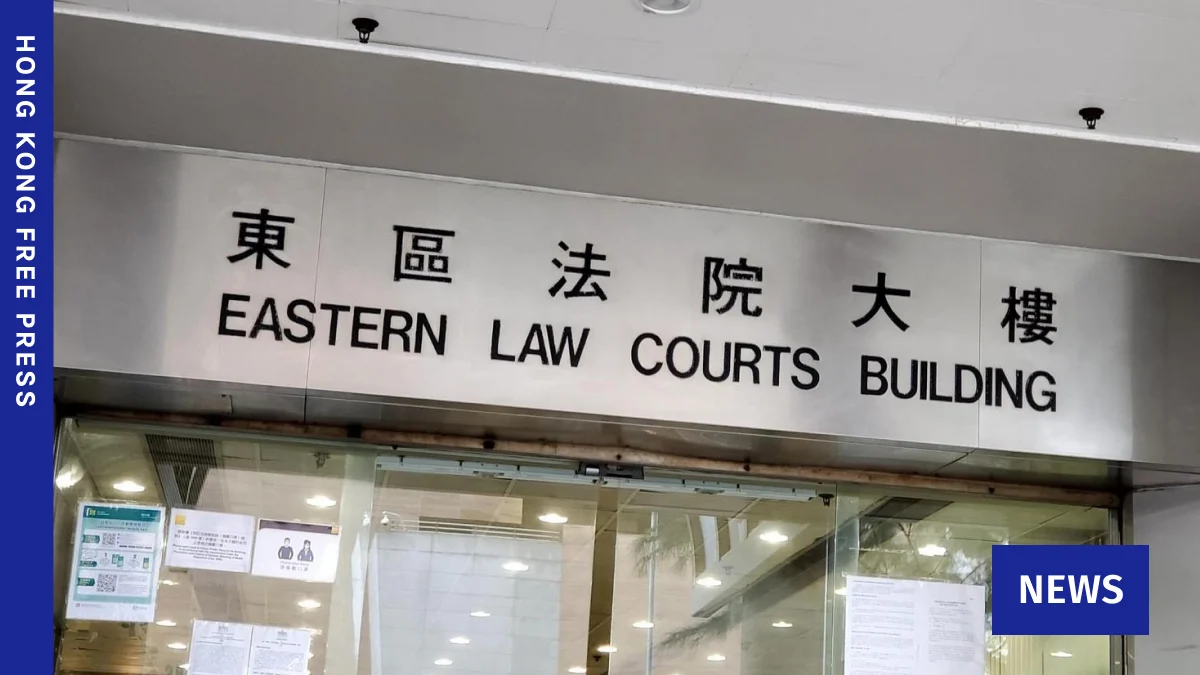
A Hong Kong court has cleared a young woman of charges related to possessing an offensive weapon and an item with intent to damage property, stemming from an arrest made during the 2019 protests. Ami Chan, who had been living in Australia, was re-arrested upon her return to the city earlier this year and subsequently faced trial at the Eastern Magistrates’ Courts. The acquittal marks a significant development, highlighting the complexities and prolonged legal aftermath of the 2019 anti-government demonstrations that swept Hong Kong.
Magistrate Edward Wong delivered the verdict on Thursday, finding Chan not guilty on both counts. The ruling underscored the prosecution’s failure to establish that Chan was in the vicinity of the protests when she was apprehended in September 2019. At the time of her initial arrest, Chan was just 15 years old. She was formally charged with the offences this year, by which time she had turned 21. The prosecution had alleged that Chan was found in possession of two laser pointers and three cans of spray paint.
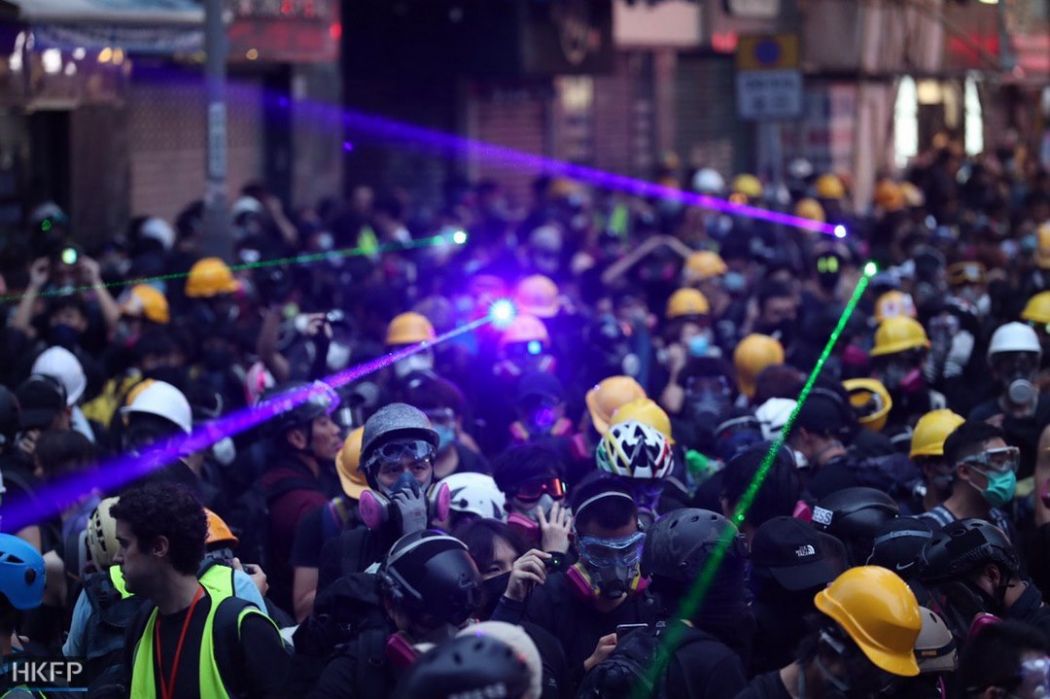
The acquittal comes after a period of significant legal scrutiny for individuals arrested during the 2019 unrest, with many facing charges for possessing items deemed potentially offensive or useful for protest activities. Laser pointers, in particular, became a focal point of these charges, as they were frequently used by protesters to disrupt police operations by shining them into officers’ eyes. This case, however, illustrates that mere possession of such items does not automatically lead to a conviction, especially when the connection to an active protest scene cannot be definitively proven.

Background Context: The 2019 Protests and Legal Ramifications
The 2019 protests, initially sparked by an extradition bill that would have allowed suspects to be sent to mainland China for trial, rapidly evolved into a broader movement demanding greater democratic freedoms and an end to perceived police brutality. The scale and intensity of the demonstrations, which at times involved violent clashes between protesters and law enforcement, led to thousands of arrests. The legal system in Hong Kong has since been tasked with adjudicating these cases, often years after the initial incidents.
The items found in Chan’s possession—laser pointers and spray paint—were commonly associated with protest activities. Laser pointers were a tool for disruption and protest, while spray paint could be used for graffiti or marking. However, their possession in itself, without further context linking them to an active act of protest or intent to commit a crime, has been a point of contention in various court cases. This ruling suggests that a direct link to ongoing illegal activity or a demonstrable intent to use the items for unlawful purposes is crucial for a conviction.
Timeline of Events:

- September 2019: Ami Chan is arrested in Fortress Hill. At this time, she is 15 years old and allegedly in possession of two laser pointers and three cans of spray paint. The arrest occurs amidst widespread anti-government protests across Hong Kong.
- Post-Arrest Decision: Following her arrest, Chan refuses bail and departs Hong Kong, relocating to Australia. This decision to leave the city and her subsequent absence from legal proceedings in the immediate aftermath of her arrest are noted by the prosecution.
- Early 2023: Chan returns to Hong Kong from Australia.
- March 2023: Chan makes her first court appearance after being charged earlier in the year.
- Thursday (Date of Article Publication): Ami Chan is acquitted of both charges of possessing an offensive weapon and possessing an item with intent to destroy or damage property at the Eastern Magistrates’ Courts.
The lengthy gap between the initial arrest and the final court ruling underscores the protracted nature of legal processes in Hong Kong, particularly for cases linked to the 2019 protests. Chan’s departure from Hong Kong and subsequent return meant that her case was deferred, with charges being formally laid only after her re-entry into the city.
Magistrate Wong’s Ruling and Rationale
During the proceedings, the prosecution attempted to link Chan’s arrest to the prevailing protest atmosphere, suggesting that police were dispersing crowds in Causeway Bay and observing movement towards Fortress Hill. However, Magistrate Wong critically examined this assertion. He stated that the demonstrations on the day of Chan’s arrest were primarily concentrated in Admiralty and Wan Chai, districts geographically distinct from Fortress Hill.
Crucially, Wong noted that Chan did not exhibit any behaviour indicative of guilt. She did not attempt to flee, attack anyone, engage in vandalism, or carry any items that could be readily construed as offensive in the context of immediate violence. "On the contrary, she was just walking on the street," Wong remarked in Cantonese, emphasizing the mundane nature of her actions at the time of apprehension.
The magistrate further distinguished Chan’s case from others where defendants were found with items like slingshots or hammers, which have a more direct and evidential connection to offensive capabilities. The laser pointers and spray paint, while potentially misused, were not deemed by the court to be inherently offensive weapons in Chan’s specific circumstances, especially given the lack of proximity to active protest zones and her passive conduct.
Implications of the Acquittal
The acquittal of Ami Chan has several significant implications. Firstly, it reinforces the principle that individuals are presumed innocent until proven guilty, and that the burden of proof lies with the prosecution to establish guilt beyond a reasonable doubt. In this instance, the prosecution failed to demonstrate a clear and direct link between Chan’s possession of the items and an active protest, or an intent to use them for illegal purposes at that specific time and location.
Secondly, the ruling may offer a degree of reassurance to individuals who were arrested during the 2019 protests and are still navigating the legal system. It suggests that courts will continue to scrutinize the evidence presented and will not automatically convict based on the mere possession of items that became associated with the protest movement. This is particularly relevant for younger individuals who were apprehended as minors.

Thirdly, the case highlights the challenges faced by the judiciary in interpreting and applying laws in the context of widespread civil unrest. The distinction between possessing items for personal use, for lawful expression, or for the commission of unlawful acts can be nuanced and requires careful consideration of all surrounding circumstances.
Broader Impact and Future Considerations
The legal aftermath of the 2019 protests continues to shape Hong Kong’s society and its relationship with its legal framework. While national security legislation enacted in 2020 has led to a significant reduction in public demonstrations and a shift in the nature of dissent, past cases remain a part of the city’s legal landscape. The outcome in Ami Chan’s case, while specific to her circumstances, contributes to the ongoing narrative of how the justice system handles allegations stemming from that period.
The use of laser pointers by protesters was a notable tactic during the 2019 demonstrations, often aimed at disrupting surveillance and temporarily blinding law enforcement. Consequently, charges related to their possession were not uncommon. For instance, in a separate case, a Hongkonger was jailed for five months for possessing two laser pointers, four years after their arrest during the 2019 protests. This contrast underscores that while the possession of such items can lead to conviction, the specific context, location, and intent are critical factors considered by the courts.

The broader demands of the 2019 protests included calls for universal suffrage, an independent investigation into police conduct, and amnesty for arrested protesters. While these overarching political demands have not been met, the legal proceedings arising from the protests continue to unfold, with each verdict contributing to a more complete understanding of the legal consequences of dissent in Hong Kong.
The acquittal of Ami Chan serves as a reminder that legal battles, especially those stemming from periods of intense social and political upheaval, can have long and winding paths. For Chan, the resolution of her case brings closure after a period of uncertainty that began when she was a teenager. For Hong Kong, it is another chapter in the complex legal legacy of the 2019 protests.


 Ammar Sabilarrohman
 Lina Irawan