Nana Wu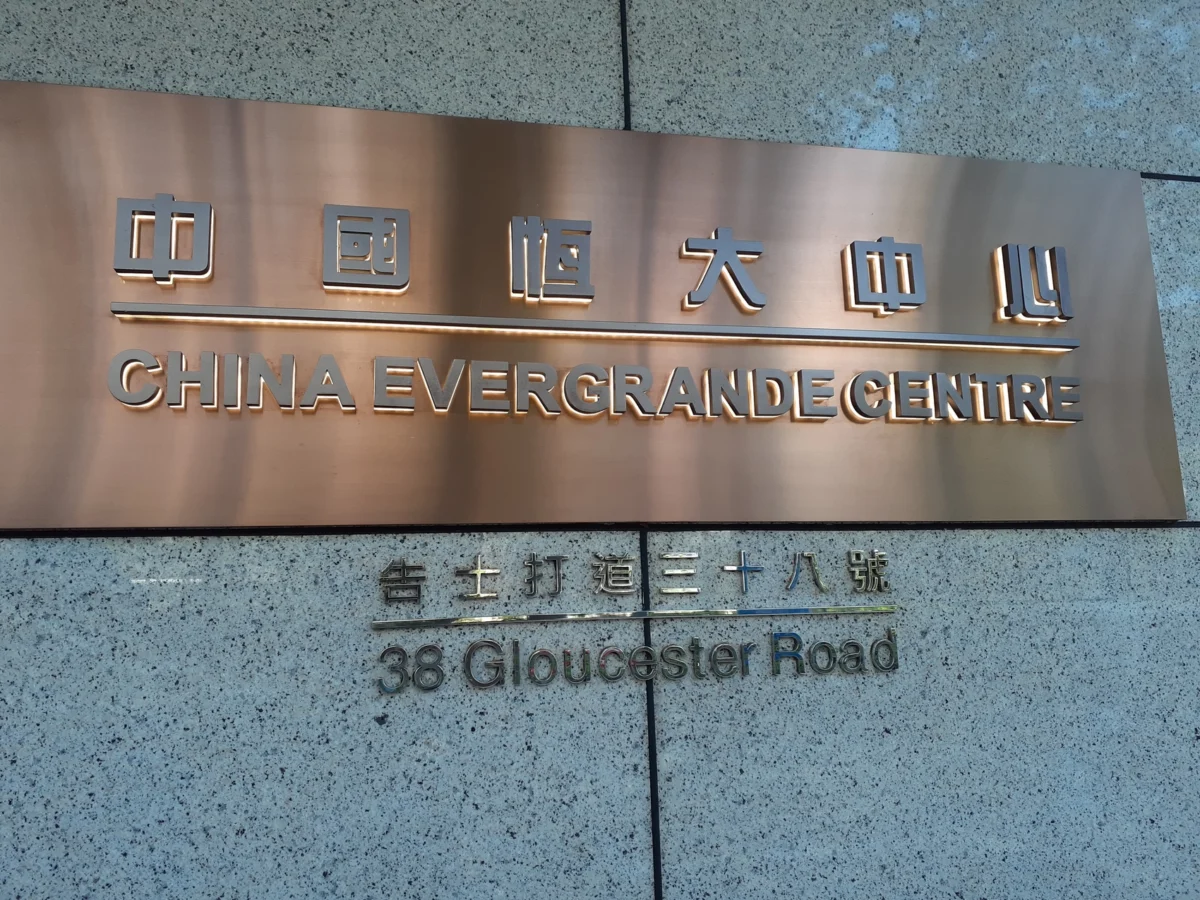
The founder of China Evergrande Group, Xu Jiayin, also known as Hui Ka Yan in Cantonese, has been sentenced to life imprisonment for a litany of financial crimes, including large-scale fraud, bribery, and embezzlement. The verdict, delivered by the Shenzhen Intermediate People’s Court in Guangdong province, marks a dramatic downfall for one of China’s most prominent billionaires and signals a stern message from Beijing regarding financial misconduct within its beleaguered property sector. In addition to Xu’s life sentence, which includes the permanent revocation of political rights and confiscation of all personal property, his embattled property empire, Evergrande, and its real estate arm were collectively fined a staggering 15.82 billion yuan (approximately US$2.4 billion). This landmark ruling, coming five years after Evergrande’s high-profile default, casts a long shadow over China’s real estate market, which has been grappling with an unprecedented crisis, and underscores the government’s escalating efforts to restore stability and enforce accountability.
The Verdict and Charges: A Comprehensive Condemnation

The court’s pronouncement on Thursday detailed a systematic pattern of illicit activities orchestrated by Xu Jiayin and Evergrande between 2016 and 2021. According to the Shenzhen Intermediate People’s Court, Xu, as the head of the company, “violated national laws by engaging in continuous, large-scale financial fraud and other means to inflate assets and conceal liabilities.” This intricate web of deception was designed to present a healthier financial picture of the company than reality, misleading investors, creditors, and the public. Furthermore, the court found that Xu and his associates “gained control of financial institutions” through bribery, though specific institutions were not named in the public statement. Xu had reportedly pleaded guilty to these charges, which also included embezzlement and bribery, in April. The court emphasized the severe nature of the offenses, stating that Evergrande and Xu’s actions “seriously disrupted the socialist market economic order… and undermined the integrity of official conduct by state personnel.” The circumstances were deemed “particularly egregious, causing particularly serious economic losses and causing particularly serious social harm.” Beyond Xu, five other senior executives of Evergrande Group received prison terms ranging from six to 18 years for similar crimes, and a total of 56 individuals associated with the company were handed jail sentences, with terms as short as one year and 10 months. The court also mandated the return of all illegal gains to compensate for remaining shortfalls, a crucial step for defrauded parties.
From Property Czar to Convict: A Chronology of Evergrande’s Rise and Fall
The journey of Xu Jiayin and Evergrande is a quintessential tale of China’s economic boom and its inherent risks.

- 1996: Founding and Rapid Expansion: Xu Jiayin established Evergrande Group in Guangzhou, Guangdong province. The company quickly capitalized on China’s burgeoning urbanization and the government’s push for homeownership, expanding rapidly across the country with an aggressive business model fueled by heavy borrowing.
- 2009: Public Listing: Evergrande went public on the Hong Kong Stock Exchange, raising significant capital that further fueled its expansion. By this point, Xu Jiayin had become one of China’s richest individuals, known for his flamboyant lifestyle and political connections, including membership in the Communist Party’s top political advisory body, the Chinese People’s Political Consultative Conference.
- 2010s: Diversification and Debt Accumulation: Evergrande diversified into various sectors, including electric vehicles, health, media, and even a professional football club (Guangzhou FC), often incurring substantial debt to finance these ventures. The company became synonymous with the "build big, borrow big" strategy prevalent in the Chinese real estate sector, promising pre-sold homes to fund new developments.
- August 2020: The "Three Red Lines" Policy: In a pivotal moment for the entire Chinese property market, Beijing introduced its "Three Red Lines" policy. This regulatory framework imposed strict caps on developers’ borrowing based on debt-to-asset ratios, debt-to-equity ratios, and cash-to-short-term debt ratios. Designed to deleverage the highly indebted property sector and curb speculative bubbles, this policy dramatically tightened Evergrande’s access to credit, exposing its fragile financial structure.
- 2021: Liquidity Crisis and Default: Unable to meet the new borrowing requirements and facing immense pressure from creditors, Evergrande’s liquidity crisis escalated throughout 2021. The company struggled to complete projects, repay suppliers, and deliver pre-sold homes. In December 2021, Evergrande officially defaulted on its offshore bond payments, sending shockwaves through global financial markets and signaling the start of a broader crisis in China’s real estate sector. Its total liabilities were estimated to be over $300 billion, making it the world’s most indebted property developer.
- 2022: Restructuring Attempts and Liquidation Petitions: Amid mounting pressure, Evergrande attempted to negotiate a comprehensive debt restructuring plan with its creditors. However, progress was slow and fraught with challenges. The company faced multiple liquidation petitions in Hong Kong courts from creditors seeking repayment.
- September 2023: Founder Detained: Chinese authorities detained Xu Jiayin on suspicion of "illegal crimes," marking a significant escalation in the government’s response to the Evergrande crisis and indicating potential criminal liability for the company’s financial woes.
- January 2024: Hong Kong Court Orders Liquidation: A Hong Kong court ordered Evergrande’s liquidation, citing the company’s inability to present a viable restructuring plan. This decision further complicated the repayment process for offshore creditors and added another layer of uncertainty to the future of the company’s assets.
- April 2024: Guilty Plea and Sentencing: Xu Jiayin reportedly pleaded guilty to various charges. On Thursday, the Shenzhen Intermediate People’s Court delivered the life sentence and significant fines, concluding the criminal proceedings against the founder and the company.
The "Three Red Lines" and the Broader Property Crisis
Evergrande’s collapse is inextricably linked to China’s "Three Red Lines" policy. For decades, China’s economic growth was heavily reliant on real estate investment and development, contributing significantly to GDP and local government revenues through land sales. This model fostered a highly speculative environment where developers often borrowed heavily to acquire land, pre-sell apartments, and use the proceeds to fund new projects, creating a perpetual cycle of growth and debt. Evergrande was a prime example of this model, expanding aggressively with a "high leverage, high turnover" strategy.
When the "Three Red Lines" were introduced, it was a deliberate attempt by Beijing to deleverage the sector, reduce systemic financial risk, and shift the economy away from its over-reliance on real estate. However, the sudden tightening of credit channels exposed the vulnerabilities of many developers, particularly those like Evergrande that had accumulated massive debts. The policy effectively cut off the oxygen supply to companies that relied on continuous borrowing to stay afloat. This regulatory crackdown, while necessary to address long-term risks, triggered a cascade of defaults, project stalls, and a sharp decline in consumer confidence, leading to a prolonged downturn in the property market.

Economic Implications and Government Stance
The fallout from Evergrande’s collapse and the broader property crisis has had profound implications for China’s economy. Real estate accounts for an estimated 25-30% of China’s GDP, and the downturn has significantly dragged on economic growth. Millions of homebuyers have been affected by unfinished projects, leading to widespread protests and a crisis of trust in the housing market. Local governments, heavily reliant on land sales for revenue, are also feeling the pinch, exacerbating fiscal pressures.
The Chinese government’s response has been multifaceted. On one hand, it has sought to contain the contagion, implementing measures to support "white-list" projects (those deemed eligible for financing) and encouraging state-backed entities to acquire distressed assets. On the other hand, the harsh sentencing of Xu Jiayin demonstrates Beijing’s unwavering commitment to financial stability and accountability. This verdict serves as a powerful warning to other business leaders that financial misconduct, especially when it jeopardizes national economic stability and impacts millions of citizens, will not be tolerated. It underscores a shift towards more stringent corporate governance and a greater emphasis on mitigating systemic risks within the financial sector. The government’s actions aim to restore public confidence, reassure international investors about the rule of law, and signal that while the property sector faces challenges, it is committed to orderly deleveraging and punishment for those who exploited the system.
Reactions and Investor Confidence
The sentencing of Xu Jiayin has garnered significant attention both domestically and internationally. Within China, the public reaction has been mixed, with many expressing a sense of justice being served for the economic hardship caused by Evergrande’s collapse, particularly among those who bought unfinished homes. Social media platforms saw widespread sharing of a stark "before-and-after" photomontage of Xu: an older image showing a beaming, jet-black-haired Xu in a gold Hermes belt from his days as a powerful political advisor, contrasted with a recent court-released photo depicting a worn, white-haired, unsmiling Xu flanked by police officers. This visual narrative powerfully symbolizes his spectacular fall from grace.
For international investors, the verdict sends a clear signal about the risks of investing in Chinese companies, especially those with opaque financial structures. While some may see it as a positive step towards improving corporate governance and the rule of law, others might view it as an unpredictable element of doing business in China, where political considerations can heavily influence legal outcomes. The broader property crisis continues to be a major concern for global markets, given China’s pivotal role in the world economy. Observers assessing the health of the world’s second-largest economy are closely monitoring not only Evergrande’s saga but also similar struggles faced by other property giants like Country Garden and Vanke, as new home prices in China have been contracting for three years. The severity of Xu’s sentence reinforces the government’s resolve to stabilize the economy and address financial irregularities, but the path to full recovery for the property sector remains long and uncertain.

Conclusion: A New Era of Accountability?
The life sentence handed down to Xu Jiayin is more than just a punishment for an individual; it is a powerful statement from the Chinese state about the consequences of unchecked corporate ambition and financial malfeasance. It signifies a decisive move by Beijing to assert greater control over its private sector and reinforce the principle of accountability, particularly in industries deemed critical to national stability. While the immediate focus remains on resolving the ongoing property crisis and ensuring the delivery of unfinished homes, this verdict sets a precedent for how China intends to manage future financial risks and maintain social order. It marks a potential turning point, signaling a new era where even the most powerful business magnates are not above the law, as the government continues its complex balancing act of economic growth, financial deleveraging, and social stability. The world will be watching closely to see if this decisive action can indeed restore confidence and usher in a more transparent and sustainable economic model for China.



 Lina Hope