Lina Irawan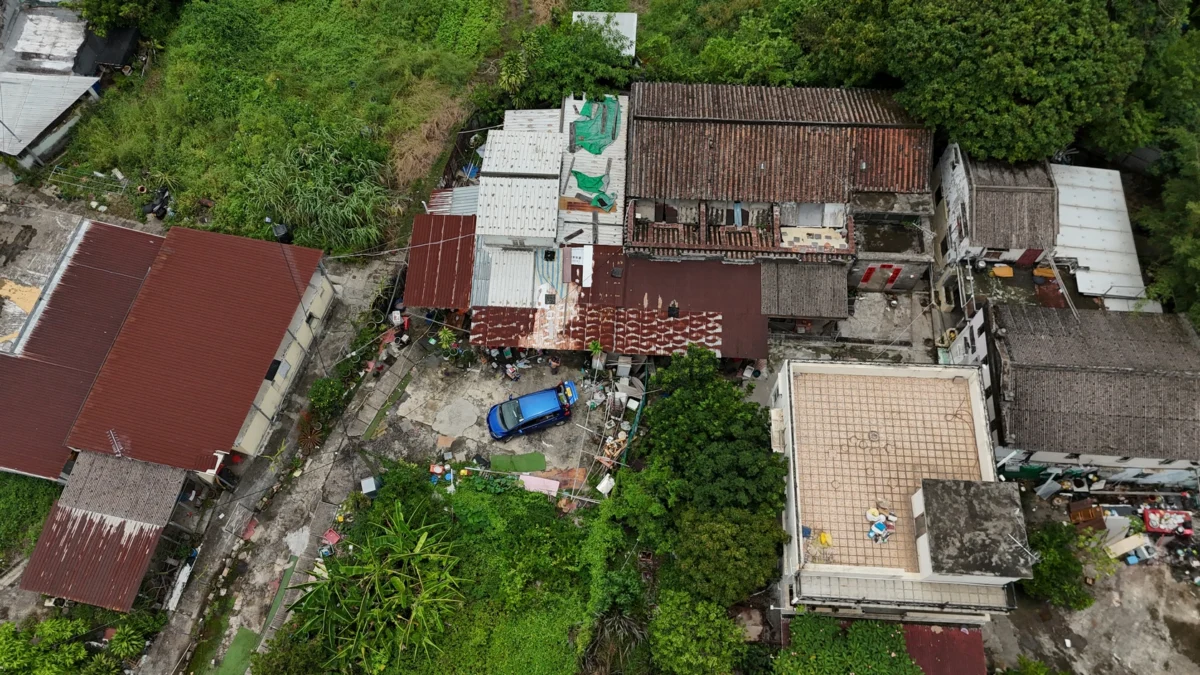
The planned demolition of Chan Yuk-tong’s ancestral home, a small blue-brick house where he was born and raised, marks a poignant symbol of Hong Kong’s ambitious "Northern Metropolis" project. The 71-year-old resident’s hope of spending his remaining years in his childhood village is being swept away to make room for a vast technological and economic hub, a development that promises integration with mainland China but raises significant concerns for local communities, the environment, and public finances.
The Northern Metropolis initiative, projected to encompass a third of Hong Kong’s territory, is a cornerstone of the city’s strategy to deepen its economic ties with the Greater Bay Area, a cluster of cities in mainland China including Macau. The vision is to create a new economic engine capable of accommodating approximately 2.5 million residents and generating 650,000 jobs, transforming Hong Kong into a Silicon Valley-esque powerhouse. However, this grand ambition comes at a considerable cost, with environmental and social groups warning of irreversible damage to wildlife, the displacement of long-standing communities, and a potentially enormous financial burden on the public purse.
"I can’t bear to leave… If not for the government developing this area, I would likely spend the rest of my life here. After all, I belong here," Chan told Agence France-Presse (AFP) while packing his belongings, his voice laced with a deep sense of loss. His sentiments echo those of many villagers facing the prospect of losing their homes and ancestral ties.

A Vision for the Future, A Disruption of the Past
The Northern Metropolis project, first announced five years ago, is slated to cover an expansive 30,000 hectares (74,000 acres). This immense undertaking involves the conversion of villages, natural wetlands, and agricultural land into a modern, high-tech zone. According to Liber Research Community, an NGO focused on land issues, at least 25 villages are scheduled for demolition to facilitate this development.
Government departments have stated their intention to integrate rural areas into the broader development plans. However, in Chan’s case, his ancestral houses were deemed not to possess sufficient cultural significance to warrant preservation. This stance has drawn criticism from heritage advocates who argue that such decisions often overlook the intangible cultural value embedded in long-standing communities and their dwellings.
The push for greater integration with mainland China has been a recurring theme in Hong Kong’s recent history, often met with apprehension from segments of the population concerned about the erosion of the city’s autonomy. Following the implementation of a sweeping national security law by Beijing in 2020, following widespread pro-democracy protests, public dissent has been significantly curtailed.

Steve Tsang, director of the SOAS China Institute, commented on the evolving political landscape, stating, "It effectively put an end to the ‘one country, two systems’ framework that allowed Hong Kong a ‘high degree of autonomy,’ so greater integration with the Greater Bay Area would logically follow." This shift in political dynamics appears to have cleared the path for large-scale development projects like the Northern Metropolis, which are intrinsically linked to closer ties with the mainland.
Economic Projections and Environmental Costs
The financial scale of the Northern Metropolis project is substantial. Government estimates place the cost at a minimum of HK$224 billion (approximately US$28.6 billion). However, global ratings agency S&P has projected that the final expenditure could exceed HK$360 billion. Authorities are projecting a significant return on investment, with bank estimates suggesting that the project will contribute 13 percent to Hong Kong’s gross domestic product (GDP) over a roughly 20-year timeline.
The ambition to create a new economic engine is clear, with plans to attract investment and foster innovation. The first major land sale within the Northern Metropolis area, designated for housing and a logistics center in Chan’s village, was awarded last month to a consortium of six companies, including Chinese state-owned enterprises and e-commerce giant JD.com. Hannah Jeong of commercial real estate firm CBRE anticipates that policy support, including lower taxes and facilitated talent and capital flows, will initially draw mainland Chinese companies to establish research centers. She believes this will, in turn, attract foreign investment as the ecosystem matures.

However, the economic projections are juxtaposed against significant environmental concerns. Brian Wong of Liber Research Community voiced these anxieties, stating, "If you build a new city in a place that was well preserved before, it would inevitably be very destructive, no matter how you mitigate it." The sheer scale of the development, which involves repurposing extensive natural landscapes, raises questions about the long-term ecological impact. He further questioned the necessity and ambition of the project, asking, "Do we need to build it so big? Is it too ambitious?"
The comparison with burgeoning tech hubs in mainland China, such as Hangzhou, where Alibaba originated, highlights a competitive landscape. Mainland cities are experiencing rapid growth, fueled by significant investment in artificial intelligence and robotics, with companies like Deepseek and Unitree Robotics at the forefront. Gary Ng, a senior economist at Natixis, suggests that Hong Kong might be "less relevant for China’s national tech ambitions" compared to mainland powerhouses like Shenzhen. However, he acknowledges Hong Kong’s unique potential to offer international connections, robust university research capabilities, and deep capital markets, which could differentiate it in the regional tech landscape.
The Human Cost of Progress
The human toll of such large-scale urban development is palpable for residents like Chan and Niki So, a 42-year-old who lived in her village home for three generations. So witnessed her neighbors’ homes being demolished before the authorities eventually reached her own. While she received a public housing flat as compensation, the emotional cost of leaving her community, where neighbors were akin to family, is significant.

In July, So recounted the experience of opening her gate to dozens of lands department officials and police, who declared the area government property. Her hope for the project’s success is tempered by a pragmatic concern for the sacrifices made. "I hope the development here will go well, that it will thrive," she said. "If it doesn’t turn out as expected then I think the sacrifice of this village would be quite unfortunate." Her words encapsulate the uncertainty and apprehension that many displaced residents face, hoping their displacement will ultimately contribute to a worthwhile future.
The challenge of balancing intensified integration with mainland China while preserving Hong Kong’s distinct international appeal remains a critical consideration. Wilson Chan, co-founder of the Pagoda Institute think tank, identifies this as the "biggest hurdle to the Northern Metropolis’s success: how to maintain an efficient cross-border flow, and at the same time maintaining the confidence that the international community has in Hong Kong’s uniqueness."
A Broader Context: Hong Kong’s Shifting Identity
The Northern Metropolis project is not an isolated event but rather part of a broader geopolitical and economic trajectory for Hong Kong. The city’s unique status as a global financial hub has been shaped by its historical context as a former British colony, offering a blend of East and West. However, the increasing influence of mainland China, particularly following the 2020 national security law, has led to a recalibration of this identity.

The emphasis on integrating Hong Kong more closely with the Greater Bay Area signifies a strategic move to leverage the city’s financial prowess and international connections for the benefit of regional economic development. This includes fostering innovation and technology sectors, with the Northern Metropolis positioned as a key driver of this transformation.
However, critics argue that the pace and scale of this development, coupled with the methods of land acquisition and displacement, raise questions about the government’s priorities. The potential impact on biodiversity, the loss of traditional village life, and the substantial financial outlay warrant careful scrutiny. As the bulldozers move in and new structures begin to rise, the legacy of the Northern Metropolis will be measured not only by its economic achievements but also by its impact on the lives of its long-term residents and the natural environment it reshapes. The hopes of individuals like Chan Yuk-tong, who dreamed of a quiet retirement in his ancestral home, are being irrevocably altered by the relentless march of progress and the grand designs for Hong Kong’s future. The success of this ambitious project will ultimately depend on its ability to balance economic aspirations with social equity and environmental sustainability, a delicate act that is already proving to be a profound challenge.


 Azzam Bilal Chamdy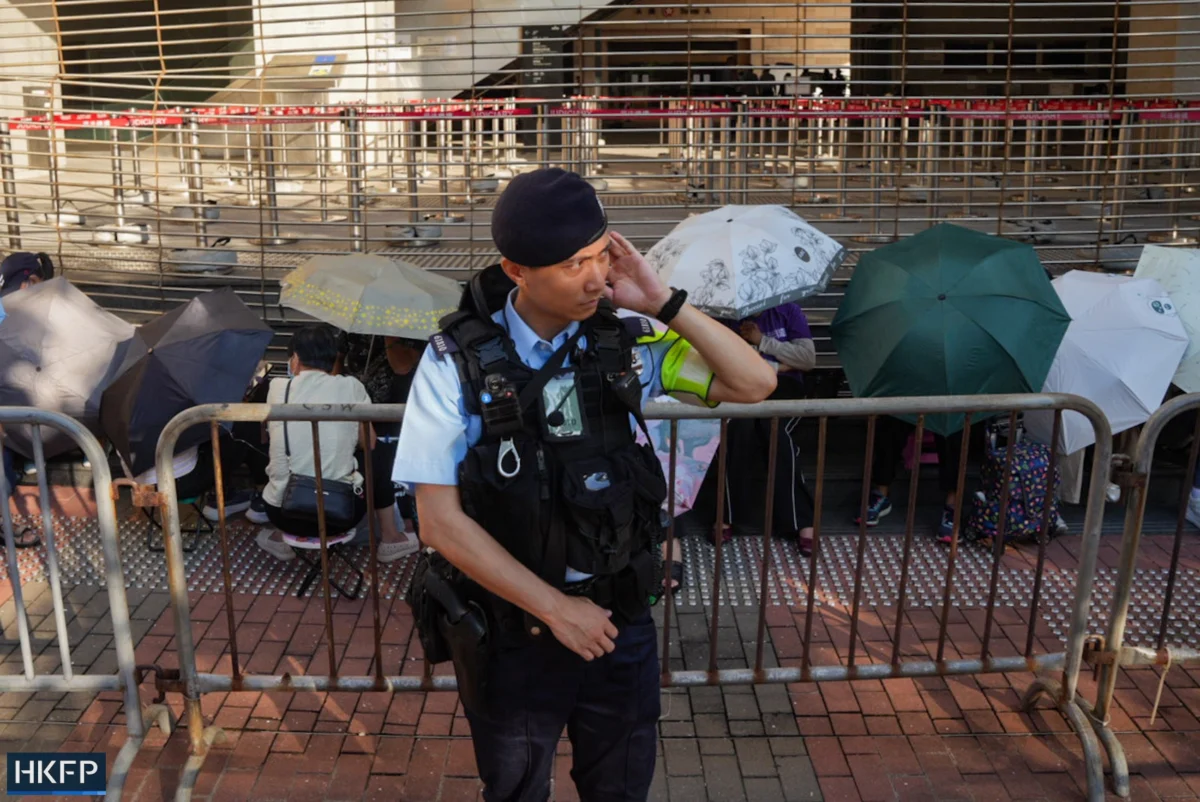
 Nila Kartika Wati