Azzam Bilal Chamdy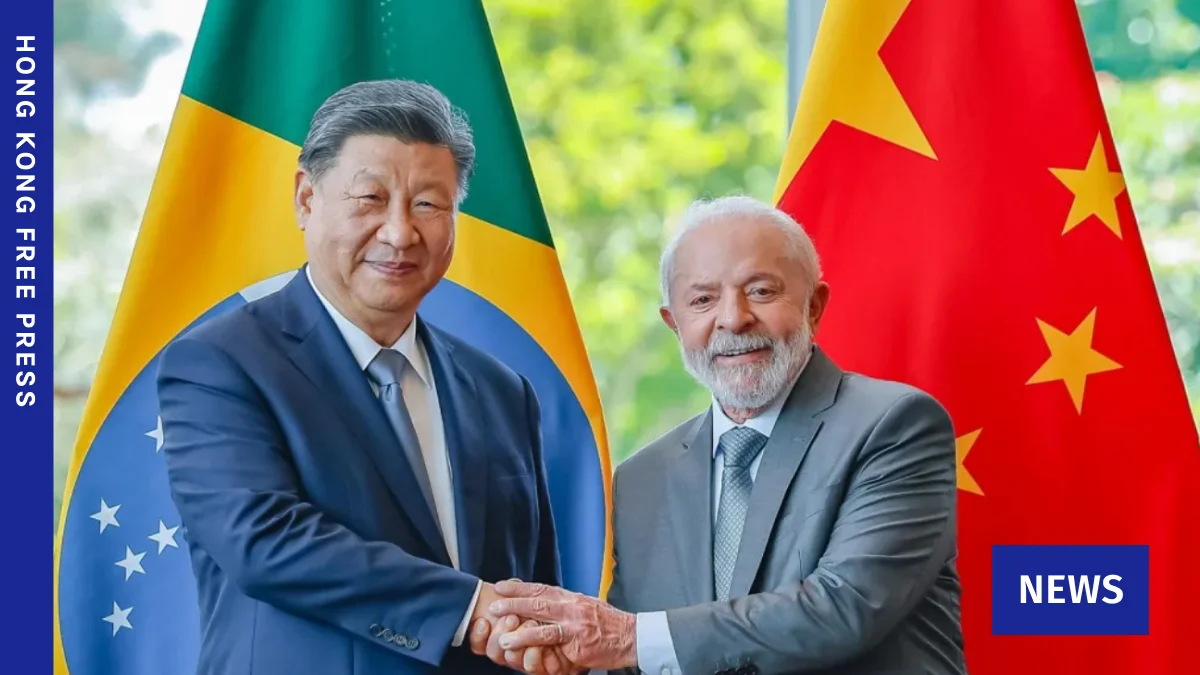
Chinese President Xi Jinping has publicly affirmed China’s backing for Brazil in its efforts to "oppose external interference," according to state media reports detailing a recent telephone conversation between the two leaders. This significant statement from Beijing comes less than three months before a closely watched presidential election in Brazil, a period already marked by heightened political rhetoric and international scrutiny. The call also underscored a mutual desire to deepen economic cooperation, particularly through the acceleration of negotiations for a Mercosur-China trade agreement.
Strengthening Bilateral Relations Amidst Global Shifts
The conversation between President Xi and his Brazilian counterpart, Luiz Inácio Lula da Silva, highlights the strategic importance both nations place on their burgeoning relationship. China, a dominant global economic force, views Brazil as a key partner within the Global South and a crucial player in multilateral forums. Xi’s assertion of support for Brazil’s sovereignty and independence, particularly in the context of opposing external interference, resonates with Brazil’s own stated foreign policy objectives, which often emphasize non-intervention and respect for national sovereignty.

According to Xinhua, China’s state news agency, Xi conveyed that "China highly values Brazil’s international status and important influence." He further elaborated that Beijing "supports Brazil in safeguarding its sovereignty and independence, opposing external interference, and contributing to maintaining regional and world peace and stability." This strong endorsement from China’s top leader signals a clear alignment on key geopolitical principles and suggests a shared vision for a multipolar world order, one less dominated by traditional Western powers.
Economic Cooperation and Diversification as Key Pillars
Beyond political solidarity, the leaders also addressed the critical issue of economic ties. A statement from the Brazilian presidency revealed that President Lula and President Xi "agreed on the importance of speeding up negotiations for a Mercosur-China agreement." This signifies a mutual commitment to advancing discussions on a comprehensive trade deal between China and the Southern Common Market (Mercosur), a South American trade bloc of which Brazil is a leading member.
The urgency to accelerate these negotiations appears to be driven, in part, by Brazil’s current economic landscape. President Lula reportedly emphasized his administration’s commitment to "diversifying markets and trade partners." This strategic imperative comes at a time when Brazil is facing what it perceives as increasing tariff pressure from the United States, its second-largest trading partner. The recent imposition of tariffs by Washington on various Brazilian products, following an earlier significant hike in 2025, has been a point of contention. Brazil views these measures not purely as economic retaliations but as attempts to exert political influence, particularly in an election year.

The Context of Brazilian Politics and International Relations
The timing of Xi’s pledge of support is particularly noteworthy given the upcoming Brazilian presidential election. The incumbent, President Lula, is set to face off against the right-wing candidate Flávio Bolsonaro, son of former President Jair Bolsonaro. This election is anticipated to be fiercely contested, with deep political divisions characterizing the Brazilian electorate.
The reference to "external interference" by Chinese state media, and Xi’s endorsement of Brazil’s opposition to it, can be interpreted within this domestic political context. While the Brazilian presidency’s statement on the call did not explicitly mention whether the issue of "external interference" was raised, the framing by Xinhua suggests that China is signaling its awareness and potential concern regarding any perceived foreign influence in Brazil’s internal affairs, especially concerning its electoral processes.
This stance aligns with broader Chinese foreign policy, which often criticizes what it terms Western interference in the domestic affairs of sovereign nations. By supporting Brazil’s stance against such interference, China is reinforcing its own geopolitical narrative and potentially seeking to bolster its influence in Latin America.

Furthermore, a recent diplomatic development has added another layer to the discussion of external influence. Brazil denied visas to two U.S. officials who had sought to meet with election authorities in Brasilia ahead of the October vote. This move by Brazil, according to a diplomatic source, underscores the country’s sensitivity to international engagement with its electoral system. The timing of these visa denials, coupled with the ongoing political rhetoric from both sides of the Brazilian political spectrum, including unfounded claims about the security of the voting system, creates a complex environment where external perceptions and interventions can become highly politicized.
Historical Trajectory of China-Brazil Relations
China and Brazil have established a robust and multifaceted relationship over the past two decades, evolving from a nascent partnership to a comprehensive strategic alliance. Their economic ties have been a cornerstone of this relationship, with China becoming Brazil’s largest trading partner. This trade dynamic has been largely driven by Brazil’s significant exports of commodities such as soybeans, iron ore, and oil, which China’s rapidly growing economy demands.
The foundation for this partnership was laid in the early 2000s, with both nations recognizing the mutual benefits of increased trade and investment. China’s "Go Out" policy, encouraging Chinese companies to invest abroad, saw a surge in Chinese investment in Brazil’s infrastructure, energy, and agricultural sectors. Brazil, in turn, benefited from increased demand for its raw materials, fueling economic growth.

The strategic dialogue between Xi and Lula is not an isolated event but a continuation of a consistent diplomatic engagement. Both leaders have met on multiple occasions, including during Xi’s visit to Brazil in November 2024 for the G20 Summit in Rio de Janeiro. These interactions have consistently focused on deepening bilateral cooperation, coordinating positions on global issues, and fostering a stronger voice for emerging economies on the international stage.
Implications for Regional and Global Dynamics
The strengthened Sino-Brazilian alignment carries significant implications for both regional and global dynamics. Economically, the acceleration of Mercosur-China trade negotiations could lead to a substantial expansion of trade flows, potentially reshaping regional economic patterns and further integrating Latin America into China’s global supply chains. A comprehensive trade agreement could reduce tariffs, streamline customs procedures, and open up new markets for both Brazilian and Chinese businesses. This could also provide a much-needed boost to Brazil’s economy, offering an alternative to traditional markets and potentially mitigating the impact of protectionist measures from other major economies.
Geopolitically, China’s explicit support for Brazil against "external interference" reinforces the growing multipolarity of the international system. It signals China’s willingness to actively engage with and support key partners in the Global South, potentially challenging the established international order and the influence of Western powers. This move could be seen as a strategic maneuver by China to counter perceived Western attempts to influence political outcomes in countries like Brazil, particularly during sensitive electoral periods.

For Brazil, aligning more closely with China offers a pathway to economic diversification and increased leverage in its dealings with other global powers. However, it also presents potential challenges. Over-reliance on a single major trading partner can create economic vulnerabilities, and the geopolitical implications of such an alliance require careful navigation. Brazil’s foreign policy under President Lula has often sought to maintain a degree of strategic autonomy, balancing relationships with various global powers. The deepening ties with China represent a significant aspect of this strategy, aimed at securing economic benefits and enhancing its international standing.
The upcoming Brazilian election will undoubtedly be a focal point. The outcome could influence the pace and direction of China-Brazil relations, as well as Brazil’s broader foreign policy stance. Regardless of the electoral result, the fundamental economic and strategic importance of the Sino-Brazilian partnership is likely to endure, reflecting the evolving contours of global power and economic influence in the 21st century.

 Lina Hope
 Suro Senen