Evan Lee Salim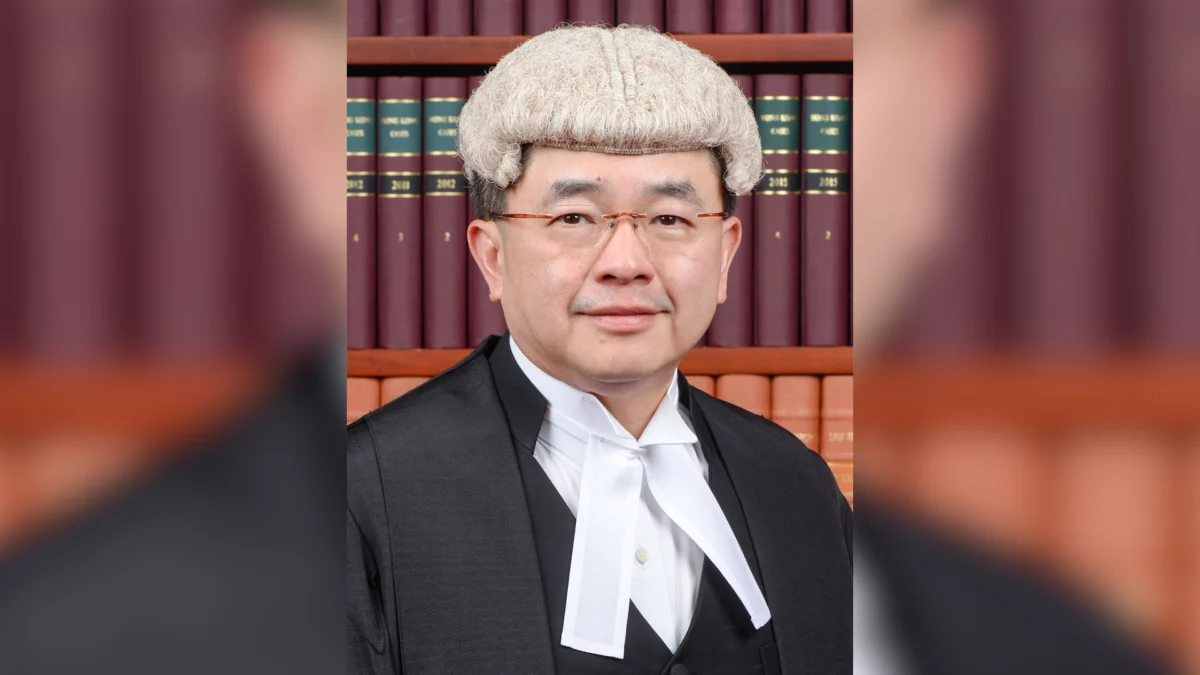
Hong Kong’s judiciary is facing renewed scrutiny following the early retirement of High Court Judge Wilson Chan Ka-shun, a move initiated at the request of Chief Justice Andrew Cheung. The departure, effective this Friday, comes after a series of confirmed instances of plagiarism in Mr. Chan’s judicial judgments, a pattern that has spanned at least five cases over the past three years. This development not only marks a significant moment for the individual judge but also raises broader questions about judicial integrity and public trust in the Hong Kong legal system.
The decision for Mr. Chan, aged 64, to step down prematurely comes less than a week after he received a "serious reprimand" for plagiarizing a judgment in a 2024 company shares dispute. This incident was confirmed as the third known instance of "judicial copying," with two prior cases of similar misconduct identified in 2023. The cumulative effect of these findings has necessitated a swift resolution, culminating in Chief Justice Cheung’s intervention.

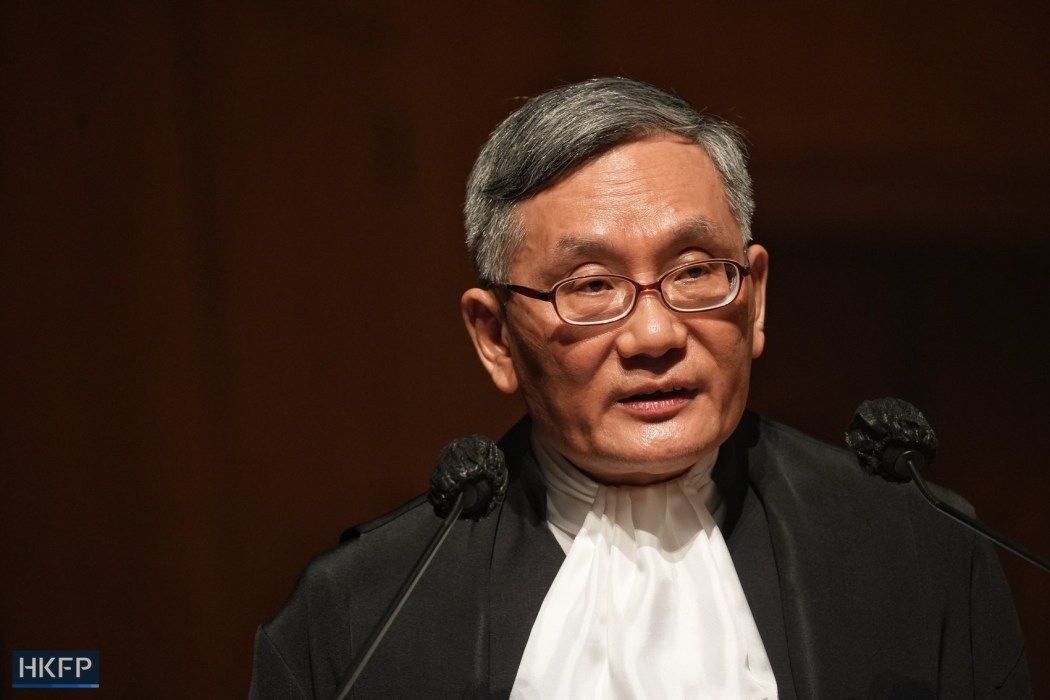
Chief Justice Cheung, in a strongly worded statement released on Monday, emphasized the gravity of judicial copying. He articulated that such actions "strike at the very core" of the fundamental requirement for judges to adjudicate cases with an independent judicial mind. "A judge must exercise an independent judicial mind in carefully considering and resolving the issues raised and in determining the disputes before the court," Cheung stated. He further elaborated that "the exercise of independent judicial judgment, which lies at the heart of the adjudicative process, is principally reflected in the reasons and judgments delivered by the judge."
The consequences of Mr. Chan’s plagiarism have extended beyond disciplinary actions against him. Chief Justice Cheung highlighted that these instances have led to a number of appeals and orders for retrial. This, in turn, has placed a strain on the court’s resources and, more critically, has undermined public confidence in the judiciary. In response, Cheung issued a stern warning to judges across all levels of Hong Kong’s courts, urging them to avoid any form of judicial copying. He also indicated that training programs focused on judgment writing will be strengthened to reinforce ethical standards and best practices.
Mr. Chan’s early retirement means he will step down nearly six years before reaching the current retirement age for a High Court judge. Hong Kong had, in 2019, amended its rules to extend the retirement age for High Court judges from 65 to 70, a move intended to retain experienced legal professionals within the judiciary. His departure before this age suggests the severity of the misconduct and the urgent need to address the erosion of public trust.

A Pattern of Plagiarism: A Chronology of Findings
The revelations surrounding Judge Chan’s plagiarism have unfolded over several years, revealing a persistent pattern of misconduct. The most recent instance, which triggered the accelerated retirement, involved a HK$40 million shares dispute. In this case, Mr. Chan was found to have copied substantial portions of the defense’s opening and closing arguments. The initial ruling by Mr. Chan favored one party, but the affected party appealed. In a significant development, the Court of Appeal overturned the original decision, finding that an astonishing 95 percent of Mr. Chan’s judgment had been plagiarized. Consequently, the case was ordered to be retried by a different judge, underscoring the profound impact of the plagiarism on the judicial process.
Prior to this latest finding, Mr. Chan had already faced disciplinary actions and public reprimands for similar offenses. In 2025, the Court of Appeal identified plagiarism in two separate cases presided over by Mr. Chan. Local media outlet The Witness reported on these findings, detailing the instances of "judicial copying."
In 2023, Mr. Chan was reprimanded for plagiarizing a significant portion of the plaintiff’s written submission in a trademark dispute case involving two pharmaceutical brands. This discovery came to light after the defendant lodged an appeal. The Court of Appeal, upon reviewing the case, found substantial copying, leading to a serious reprimand for the judge.
Further compounding the issue, in the same year, Mr. Chan was again found to have plagiarized in a civil case concerning the prominent real estate developer Great Eagle Holdings. The defendant in this case, who had lost the original judgment, filed an appeal, alleging that Mr. Chan had lifted large sections of the plaintiff’s submissions without proper attribution. In both of these 2023 cases, the Court of Appeal ordered retrials by different judges, highlighting the significant disruption and potential injustice caused by Mr. Chan’s actions.
It is noteworthy that Mr. Chan had also presided over the early proceedings of the landmark 47 democrats’ national security case, a case that has drawn considerable international attention and scrutiny. While the plagiarism findings in that specific context have not been publicly detailed, his involvement in such a high-profile trial, coupled with the confirmed instances of misconduct in other cases, raises concerns about the integrity of judgments delivered in sensitive matters.
The Role of Independent Judicial Thought
Chief Justice Cheung’s statements underscore a critical tenet of the judicial system: the imperative for judges to exercise independent thought and critical analysis. Plagiarism, in this context, is not merely an act of academic dishonesty; it represents a failure to engage with the evidence, legal arguments, and the nuances of each case. When a judge copies from external sources without independent reasoning, they abdicate their responsibility to deliver a judgment that is a product of their own considered legal mind.

The reliance on external text, particularly the submissions of parties involved in a case, can introduce bias and undermine the perception of impartiality. It suggests that the judge may not have fully grappled with the complexities of the case or may have sought to expedite their workload by appropriating the work of others. This can lead to judgments that do not accurately reflect the merits of the case or the applicable law, thereby necessitating appeals and retrials.
The Court of Appeal’s finding that 95 percent of Mr. Chan’s judgment in the shares dispute was plagiarized is particularly damning. It suggests a systemic failure to independently evaluate the evidence and craft original reasoning. Such a high degree of copying casts doubt on the validity of the entire judicial decision-making process in those instances.
Broader Implications for Hong Kong’s Judiciary
The repeated instances of plagiarism by a High Court judge have significant implications for Hong Kong’s legal system and its international standing. Public trust in the judiciary is a cornerstone of the rule of law. When judges are found to have engaged in such misconduct, it erodes this trust, potentially leading to a perception that the justice system is not as impartial or rigorous as it should be.

For litigants, the consequences are direct and damaging. Appeals and retrials are costly, time-consuming, and emotionally draining. The possibility of a flawed judgment being delivered due to plagiarism can create immense uncertainty and injustice. The fact that Mr. Chan’s plagiarized judgments led to appeals and orders for retrial means that valuable court time and public resources were diverted from other pressing cases.
The Chief Justice’s proactive stance and his commitment to strengthening training in judgment writing are crucial steps in reinforcing judicial integrity. However, the sheer number of identified instances suggests a need for ongoing vigilance and robust oversight mechanisms. This may involve enhanced review processes for judgments, clearer guidelines on acceptable use of external sources, and a more comprehensive system for reporting and addressing allegations of judicial misconduct.
The international community closely observes Hong Kong’s legal developments, particularly in light of its unique position as a global financial hub with a common law system. A judiciary perceived as compromised by plagiarism can deter international investment and damage the city’s reputation as a place where justice is administered fairly and impartially.

The Path Forward
The early retirement of Judge Wilson Chan serves as a stark reminder of the importance of maintaining the highest standards of judicial conduct. While the judiciary has taken action to address this specific situation, the broader challenge lies in ensuring that such incidents are prevented from recurring.
The commitment to independent judicial thought, rigorous adherence to ethical standards, and transparent processes for accountability are paramount. Chief Justice Cheung’s emphasis on strengthening training signals a commitment to reinforcing these principles. The judiciary must continue to foster a culture where intellectual honesty and independent reasoning are not only expected but actively cultivated and protected.
The coming months will be critical in observing how Hong Kong’s judiciary responds to this challenge. The focus will likely be on implementing the promised training enhancements, ensuring consistent application of disciplinary measures for misconduct, and actively working to rebuild and maintain public confidence in the integrity of its judicial officers. The early retirement of Judge Chan, while a somber event, may ultimately serve as a catalyst for positive change and a renewed commitment to the foundational principles of justice.

 Lina Hope
 Suro Senen