Ammar Sabilarrohman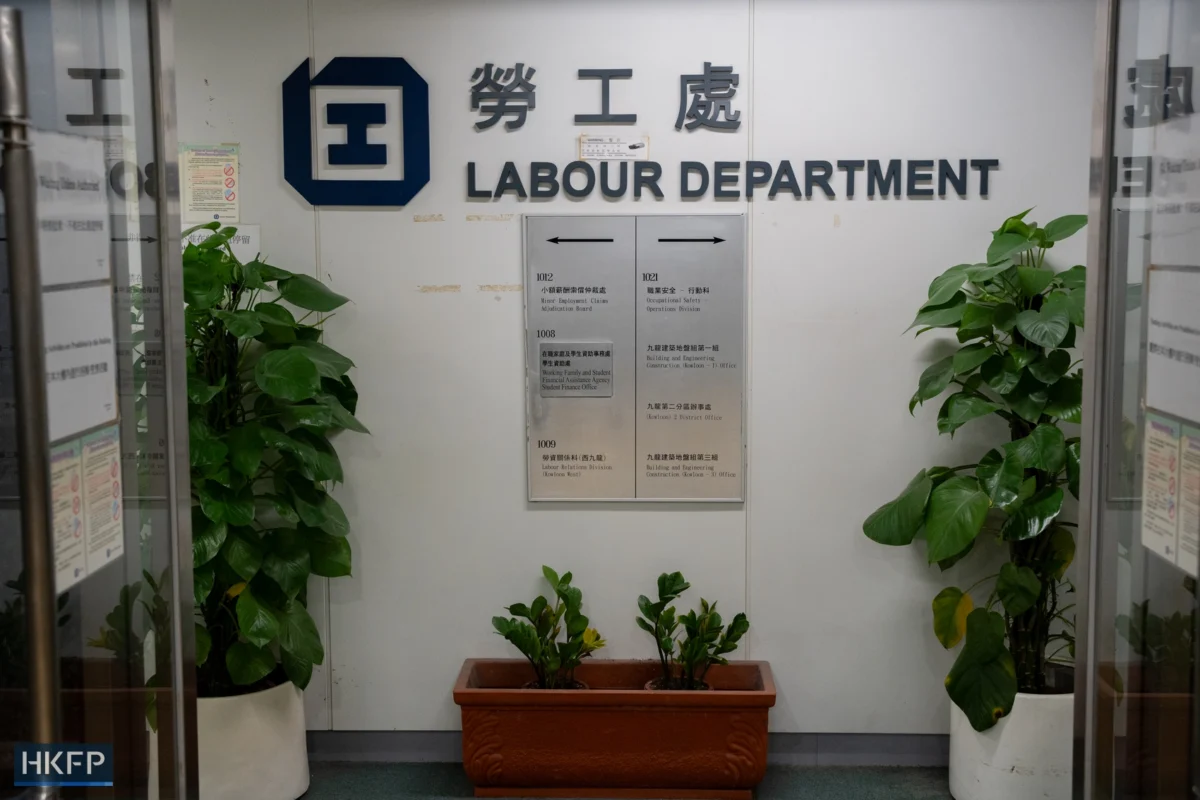
Hong Kong’s Labour Department has announced a comprehensive overhaul of the city’s heat stress warning system, a move prompted by widespread criticism that the current mechanism proved inadequate during a recent period of unprecedented heat. The decision follows sharp rebukes from former Observatory chief Lam Chiu-ying, who controversially labelled the existing system as "decorative" for failing to escalate its alert level despite the mercury soaring to record-breaking highs.
Record Heat Ignites Urgent Review
The impetus for this critical review stems from a sweltering weekend in late August 2026, when Hong Kong experienced its hottest day on record. The Hong Kong Observatory registered a staggering 36.9 degrees Celsius at its Tsim Sha Tsui headquarters, a temperature influenced by the passage of Tropical Cyclone Dolphin. This climatic anomaly, however, did not trigger a corresponding increase in the Labour Department’s "Heat Stress at Work" warning system, which remained at its lowest "amber" alert level.

This stark disconnect between the palpable, record-breaking heat and the official warning system’s response has raised serious concerns about the efficacy and responsiveness of measures designed to protect outdoor workers and those in environments without adequate air conditioning.
Commissioner’s Acknowledgment and Departmental Puzzlement
Commissioner for Labour Sam Hui acknowledged the public and professional concern surrounding the system’s performance. Speaking on Tuesday, Hui stated that his department shared the bewilderment felt by many when the escalating temperatures did not translate into a higher heat stress alert.
"When we saw the Heat Stress at Work warning system hadn’t been raised as the temperature changed on Saturday and Monday, we also had a lot of questions," Hui stated in Cantonese, indicating that the department itself was caught off guard by the system’s perceived inertia. He further elaborated that the Labour Department would collaborate closely with the Hong Kong Observatory to enhance the system’s sensitivity to "unusually high temperatures."

The "Decorative" System: A Closer Look
The Labour Department’s Heat Stress at Work warning system operates on a tiered alert structure: amber, red, and black. Each level is intended to recommend varying degrees of rest and protective measures for employees, particularly those engaged in strenuous outdoor labour or working in conditions lacking air conditioning. Crucially, the recommendations stipulated by the system are not legally binding for employers, a factor that has contributed to concerns about worker safety.
Under the current framework, the amber alert is the baseline, suggesting increased rest breaks. The red and black alerts, however, are designed to recommend work suspensions for individuals undertaking heavy physical workloads. Notably, these higher-level alerts have never been activated since the system’s inception, leading critics to question their practical utility.
Hui conceded that the existing system is more attuned to Hong Kong’s characteristic "hot and humid" conditions rather than direct, intense heat. This limitation, he implied, was a primary driver behind its failure to respond appropriately to the recent record-breaking temperatures.

Timeline of Events and Criticisms
- Late August 2026 (Specific Dates Unspecified): Hong Kong experiences a prolonged period of intense heat.
- Sunday of the Record Heatwave: The Hong Kong Observatory records a new highest temperature on record at 36.9 degrees Celsius.
- Over the Weekend: The Labour Department’s Heat Stress at Work warning system remains at the "amber" alert level.
- Following the Heatwave: Former Observatory chief Lam Chiu-ying publicly criticizes the warning system, labelling it "baffling" and "decorative."
- Tuesday Following the Heatwave: Commissioner for Labour Sam Hui announces the intention to revamp the heat stress warning system and collaborate with the Observatory.
Lam Chiu-ying, a respected figure in Hong Kong’s meteorological community, articulated his frustration by stating that the system’s inaction during such extreme heat rendered it functionally useless. His critique highlights a critical flaw: a warning system that fails to reflect the severity of the actual environmental conditions risks eroding public trust and undermining its purpose of safeguarding vulnerable populations.
Scientific Basis and Underlying Factors of the Warning System
The Hong Kong Heat Index, which underpins the Labour Department’s warning system, is a composite measure designed to reflect the perceived heat burden on the human body. A reading of 30 on this index triggers the amber warning. The red alert is activated at a Heat Index of 32, and the black alert at 34.

Unlike simple air temperature readings, the Heat Index incorporates several other crucial environmental factors that significantly influence how hot it "feels." These include:
- Humidity: High humidity reduces the body’s ability to cool itself through perspiration, exacerbating the effects of heat.
- Wind Speed: Wind can provide a cooling effect by increasing the rate of evaporation.
- Solar Radiation: Direct exposure to sunlight significantly increases the body’s heat load.
The weightings assigned to these factors in the calculation of the Heat Index are determined through an analysis of hospital admission figures, aiming to correlate environmental conditions with health impacts. This data-driven approach underscores the system’s intention to be responsive to physiological stress. However, the recent events suggest that the current calibration may not adequately capture the impact of extreme ambient temperatures in isolation.
Broader Context: Climate Change and Escalating Heat Risks
The inadequacy of Hong Kong’s heat stress warning system during extreme heat events takes on greater significance when viewed within the global context of climate change. The Intergovernmental Panel on Climate Change (IPCC) has unequivocally warned of the increasing intensity and frequency of heatwaves worldwide, a trend directly linked to human-caused climate change since the mid-20th century.

The accumulation of greenhouse gases, such as carbon dioxide, in the Earth’s atmosphere traps heat, leading to a gradual but persistent rise in global surface temperatures. This warming trend is manifesting as more frequent, longer, and more severe heatwaves, posing a substantial and growing risk to human health and well-being.
Research from organizations like Berkeley Earth indicates that Hong Kong has already experienced a warming of approximately 1.7 degrees Celsius since the Industrial Revolution. Projections from scientific studies, including a 2023 publication in the Proceedings of the National Academy of Sciences (PNAS), paint a concerning picture for the future. These studies suggest that by the end of the century, certain regions of the world could experience prolonged periods where heat and humidity reach lethal levels, rendering outdoor activity impossible.
Implications and Future Directions
The impending revamp of Hong Kong’s Heat Stress at Work warning system is a necessary and timely response to a critical public health issue. The Labour Department’s commitment to working with the Observatory to improve the system’s sensitivity to extreme heat, with an expected completion by the summer, signals a positive step forward.

The implications of an ineffective heat warning system are profound. Workers in construction, sanitation, delivery services, and other outdoor professions are at heightened risk of heatstroke, heat exhaustion, and other heat-related illnesses. These conditions can lead to significant health complications, reduced productivity, and, in the most severe cases, fatalities.
Beyond immediate worker safety, the perceived failure of official warning systems during extreme weather events can also lead to a general erosion of public trust in governmental institutions responsible for public safety and environmental monitoring. In an era increasingly defined by the impacts of climate change, robust and responsive warning systems are not merely advisory; they are essential components of a resilient society.
The Labour Department’s proactive approach, spurred by expert criticism and the stark reality of record-breaking temperatures, offers an opportunity to recalibrate the city’s preparedness for a warming world. The success of this revamp will hinge on its ability to create a system that is not only scientifically sound but also readily understood and acted upon by both employers and employees, ensuring that Hong Kong is better equipped to protect its population from the growing threat of extreme heat. The ultimate goal must be a warning system that is a true safeguard, not merely a decorative emblem, in the face of escalating climatic challenges.


 Nana
Nana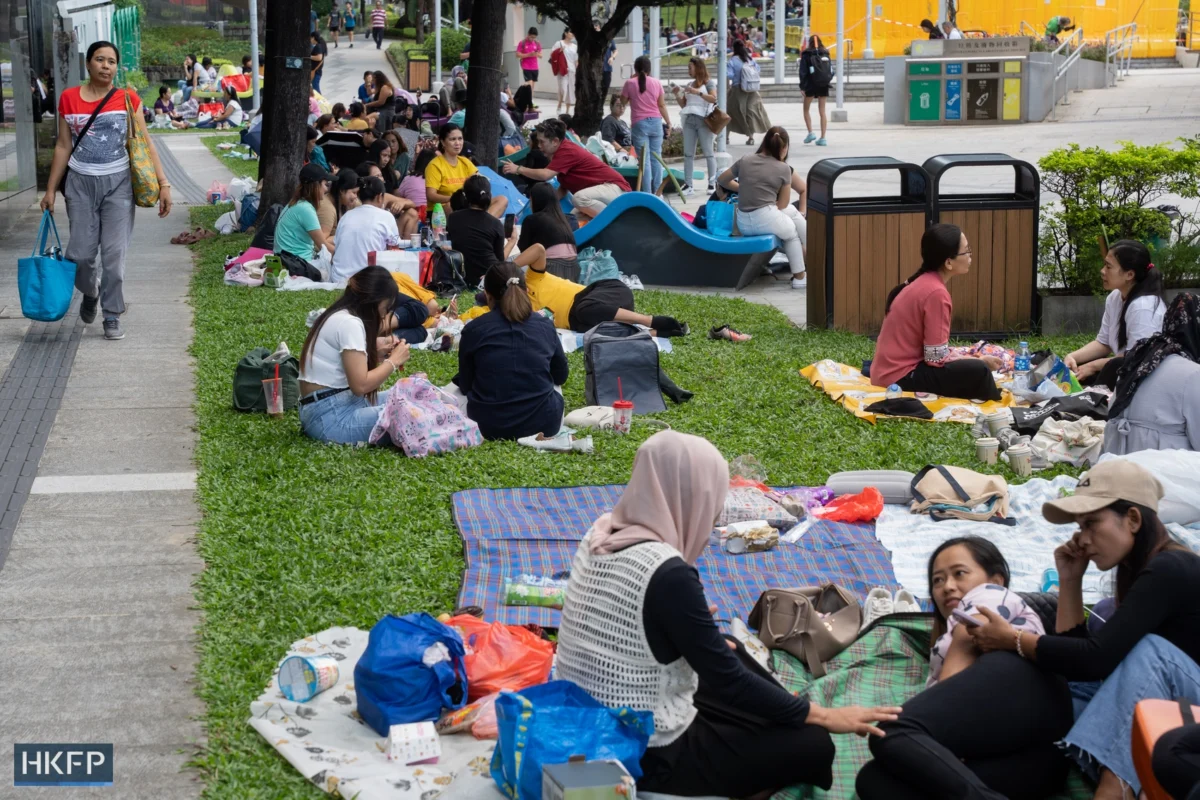
 Reynand Wu