Nana Wu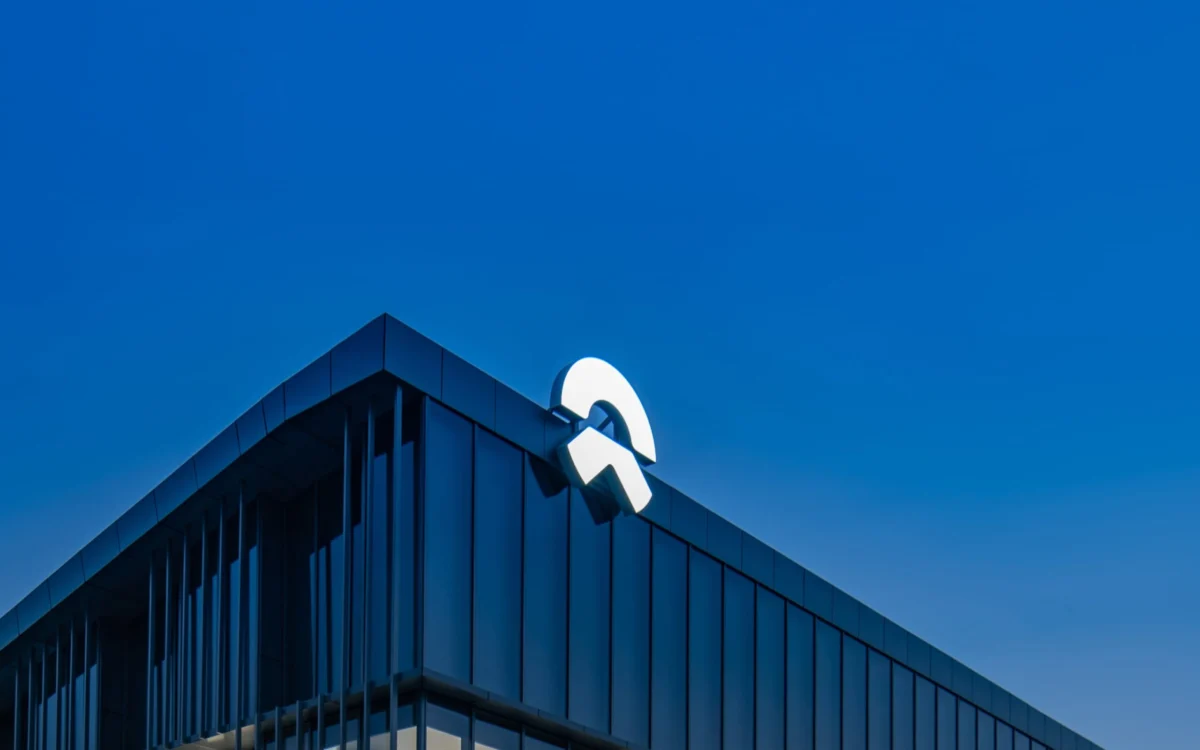
Shanghai, China – In a move poised to significantly reshape the electric vehicle (EV) charging and battery-swapping landscape in China, NIO Inc. and Geely Holding Group have announced definitive agreements establishing a strategic partnership. The landmark transaction involves Geely contributing its wholly-owned subsidiary, Yiyi Internet Technology, along with RMB 640 million in cash, to subscribe for new shares in NIO Power, NIO’s energy infrastructure division. Upon completion, and subject to necessary regulatory approvals and closing conditions, Geely will hold a 30% stake in NIO Power, a valuation that places NIO’s energy unit at approximately RMB 16 billion (approximately USD 2.2 billion).
This strategic alliance is not a one-sided affair. In a reciprocal arrangement, NIO China will also subscribe for new shares in Geely’s Haohan Energy, securing a 10% stake in the entity. The overarching objectives of this collaboration are ambitious: to foster the sharing of charging and swapping technologies and standards, integrate their respective charging resources, fold Yiyi’s commercial-fleet battery-swapping operations into the larger NIO Power network, and crucially, develop common consumer-facing battery-swapping standards. This signals a concerted effort to drive standardization and expand the accessibility of advanced energy solutions across China’s rapidly growing EV market.
A Landmark Alliance Reshaping EV Infrastructure
The definitive agreements mark a pivotal moment for both companies and the broader EV industry. For Geely, the injection of Yiyi Internet Technology, a company specializing in intelligent energy services, particularly for commercial fleets, brings immediate operational assets and a substantial cash contribution to NIO Power. Yiyi’s expertise and existing infrastructure will complement NIO Power’s extensive network, particularly in areas focusing on fleet management and logistics, which often have distinct energy requirements compared to private passenger vehicles. The RMB 640 million cash infusion provides NIO Power with significant capital to further invest in its research and development, expand its network, and enhance service capabilities.
For NIO, the deal validates its long-standing commitment to battery-swapping technology as a viable and superior alternative to traditional charging. The RMB 16 billion valuation of NIO Power underscores the market’s recognition of its innovative Battery-as-a-Service (BaaS) model and its established infrastructure. This valuation provides a strong foundation for future growth and potential independent fundraising for NIO Power. The reciprocal investment in Geely’s Haohan Energy demonstrates NIO’s commitment to a collaborative ecosystem, ensuring both parties have a vested interest in the success and integration of their respective energy ventures.
The Genesis of a Collaborative Vision: A Chronology of EV Infrastructure Development
The journey towards this definitive agreement is rooted in the dynamic evolution of China’s EV market and the persistent challenges of range anxiety and charging convenience.
- Early 2010s: China emerges as a global leader in EV adoption, driven by robust government support through subsidies and policy incentives. However, infrastructure development struggles to keep pace with vehicle sales.
- 2014: NIO is founded by William Li, with battery swapping as a core tenet of its business model, aiming to solve long charging times and battery degradation concerns.
- 2018: NIO launches its first Power Swap Station (PSS), pioneering the commercial deployment of battery swapping technology. The "Battery-as-a-Service" (BaaS) model is introduced later, allowing consumers to purchase EVs without the battery, subscribing to battery usage instead.
- Late 2010s – Early 2020s: Battery swapping gains increasing traction in government policy. China’s Ministry of Industry and Information Technology (MIIT) actively promotes battery swapping as a viable solution for EVs, particularly for public and commercial fleets, citing benefits in terms of grid stability, battery lifecycle management, and faster energy replenishment. Several pilot programs are launched.
- 2020: Geely, a diversified automotive giant with brands like Volvo, Polestar, Zeekr, Lynk & Co, and Geometry, begins to ramp up its own EV infrastructure efforts, including investments in charging solutions and, through subsidiaries like Yiyi Internet Technology, exploring battery swapping for commercial applications. Haohan Energy is established to consolidate Geely’s energy solutions.
- November 2023: NIO signs a groundbreaking strategic cooperation agreement with Changan Automobile, initiating a framework for battery swapping standard setting, network construction and sharing, and battery R&D. This was a significant step in NIO’s strategy to open its proprietary battery swapping technology to the wider industry. Shortly after, a similar strategic cooperation agreement was signed with Geely Holding Group, laying the groundwork for the definitive agreements now announced. This initial MOU signaled a strong intent for broader industry collaboration.
- December 2023: NIO signs another strategic cooperation agreement with Chery Automobile and JAC Group for battery swapping, further solidifying its vision for an industry-wide open network.
- April 2024: The definitive agreements between NIO and Geely Holding Group are announced, formalizing the terms outlined in the November 2023 MOU and detailing the specific financial and asset exchanges. This marks a critical transition from intent to concrete action.
Deep Dive into the Strategic Objectives
The partnership’s strategic objectives are designed to create a more robust, efficient, and user-friendly EV ecosystem:
- Sharing Technologies and Standards: This is perhaps the most crucial aspect. A fragmented infrastructure with proprietary battery packs and swapping stations has been a barrier to widespread adoption of battery swapping. By sharing technologies, particularly related to battery design, thermal management, swapping station mechanics, and communication protocols, NIO and Geely aim to establish common industry standards. This could pave the way for a universal "swappable battery" that could be used across multiple brands, much like standardized fuel nozzles for gasoline cars.
- Connecting Charging Resources: Beyond swapping, both companies possess substantial charging infrastructure. Integrating these networks means a broader, more seamless experience for customers of both brands. A NIO owner might be able to use a Geely-operated fast charger, and vice-versa, enhancing convenience and reducing range anxiety.
- Integrating Yiyi’s Commercial-Fleet Swapping Operations into NIO Power: Yiyi’s focus on commercial fleets brings specialized expertise and a distinct customer segment. Commercial vehicles, such as taxis, ride-hailing cars, and logistics vans, benefit immensely from rapid battery swapping due to their high utilization rates and demanding schedules. Integrating Yiyi’s operations into NIO Power’s existing network will expand the reach and capabilities of the combined entity, catering to both consumer and commercial needs more effectively.
- Developing Common Consumer-Facing Battery-Swapping Standards: This objective directly addresses the end-user experience. Common standards would simplify the process for consumers, making battery swapping as straightforward as refueling. It could also lead to more competitive pricing, improved availability of batteries, and enhanced flexibility for EV owners, potentially boosting the appeal of EVs that utilize this technology.
Executive Perspectives: Statements on the Future of EV Mobility
While specific quotes from the definitive agreement announcement are typically brief, the strategic rationale aligns with previous statements from leadership:
William Li, Founder, Chairman, and CEO of NIO, has consistently championed battery swapping as the ultimate solution for energy replenishment and battery lifecycle management. He would likely emphasize: "This definitive agreement with Geely represents a monumental step towards realizing our vision of an open and shared battery swapping network for the entire industry. By uniting our strengths, we accelerate the development of standardized, efficient, and user-centric energy solutions, ultimately benefiting every EV owner and driving the intelligent EV era forward."
Li Shufu, Chairman of Geely Holding Group, a proponent of synergistic growth and technological innovation, would likely articulate: "Geely is committed to driving sustainable mobility. Our strategic partnership with NIO Power is a testament to this commitment, leveraging our combined resources to build a more robust and accessible EV charging and swapping ecosystem. This collaboration will not only enhance the service offerings for our diverse brands but also contribute significantly to the broader industry’s transition towards electrification and energy efficiency."
Both leaders would likely underscore the partnership’s potential to enhance user experience, promote environmental sustainability through optimized battery utilization, and accelerate the mass adoption of electric vehicles in China and potentially beyond.
NIO Power: A Validated and Expanding Ecosystem
NIO Power is more than just a division; it’s an ecosystem built around the principle of "chargeable, swappable, upgradable." As of April 2024, NIO boasts an impressive network of over 2,400 Power Swap Stations (PSS) and more than 22,000 charging piles across China, making it the largest battery swapping network in the world. The BaaS model allows customers to purchase a NIO vehicle without the battery, reducing the upfront cost by approximately RMB 70,000 to RMB 128,000 (depending on battery capacity), and instead pay a monthly subscription fee for battery usage. This model offers several benefits:
- Cost Reduction: Lowers initial purchase price.
- Flexibility: Allows users to upgrade battery capacity as technology improves or needs change.
- Convenience: Swapping a battery takes just minutes, comparable to refueling a gasoline car.
- Battery Health: Centralized battery management extends battery lifespan and facilitates recycling.
- Resale Value: Separating the battery from the vehicle helps maintain the vehicle’s residual value.
The RMB 16 billion valuation of NIO Power in this transaction is a powerful endorsement of this innovative model. It suggests that institutional investors and strategic partners like Geely see substantial long-term value in a dedicated energy infrastructure provider, especially one that addresses critical pain points in EV ownership.
Geely’s Strategic Leap: Leveraging Scale and Innovation
Geely Holding Group is a global automotive powerhouse, owning or investing in a diverse portfolio of brands including Geely Auto, Volvo Cars, Polestar, Lynk & Co, Zeekr, Lotus, Proton, and LEVC (London Electric Vehicle Company). This vast ecosystem provides a massive potential user base for the expanded battery swapping and charging network.
For Geely, this partnership offers:
- Immediate Access to Proven Technology: Rather than investing heavily in developing a parallel battery swapping network from scratch, Geely gains immediate access to NIO’s mature and operational PSS technology and network.
- Enhanced Service Offerings: Geely’s EV brands can now offer battery swapping as an option, providing a competitive edge and catering to customers who prioritize speed and convenience over traditional charging. This is particularly relevant for premium brands like Zeekr and Polestar, where customer experience is paramount.
- Optimized Commercial Fleet Operations: The integration of Yiyi’s operations into NIO Power creates synergies that can significantly improve the efficiency and cost-effectiveness of Geely’s commercial vehicle ventures, such as Cao Cao Mobility.
- Cost Efficiency and Resource Sharing: By collaborating on infrastructure, both companies can avoid redundant investments and achieve economies of scale in network expansion, R&D, and operational costs.
Broader Industry Implications: Towards Standardization and Accelerated Adoption
This alliance carries significant implications for the entire EV industry, both within China and potentially globally:
- Standardization Momentum: The explicit commitment to developing common technologies and standards is a major breakthrough. If NIO and Geely, two significant players, can agree on universal battery pack dimensions, connector types, and communication protocols, it could set a de facto industry standard. This would greatly reduce fragmentation and encourage other OEMs to adopt similar approaches, ultimately benefiting consumers and accelerating EV adoption.
- Consolidation and Collaboration Trend: The partnership signals a shift from fierce competition in infrastructure development towards collaboration. As EV sales grow, the need for robust and interconnected energy networks becomes paramount. This deal suggests that pooling resources and expertise might be a more sustainable and efficient path than individual companies building isolated networks. Other OEMs might be prompted to join similar alliances or adopt the emerging standards.
- Enhanced Consumer Experience: For the average EV owner, this means less range anxiety, faster energy replenishment options, and potentially lower total cost of ownership through the BaaS model and optimized battery management. The ability to swap batteries across different brands would be a game-changer for convenience and flexibility.
- Technological Advancement: The combined R&D capabilities and operational data from both companies could accelerate innovations in battery technology, swapping station design, energy management systems, and smart grid integration.
- Regulatory Endorsement: The Chinese government has been supportive of battery swapping. A major alliance between two leading domestic players will likely be viewed favorably by regulators, potentially leading to further policy support and incentives for standardized swapping infrastructure.
- Global Impact: While primarily focused on China, the success of this large-scale collaboration could serve as a blueprint for other markets grappling with EV infrastructure challenges. It could influence global standards and foster similar partnerships internationally.
The Road Ahead: Regulatory Hurdles and Future Growth
The definitive agreements are contingent on regulatory approvals and closing conditions. While the Chinese government has been supportive of battery swapping, large-scale mergers or strategic alliances in critical infrastructure sectors typically undergo scrutiny to ensure fair competition and market stability. Once approved, the integration process will involve significant operational and technical challenges, including merging IT systems, harmonizing operational procedures, and ensuring seamless customer experience across the expanded network.
Looking forward, this partnership opens avenues for further growth, including:
- Expanded Network: Accelerated deployment of new swapping stations and charging piles.
- New Services: Development of innovative energy management solutions, potentially involving vehicle-to-grid (V2G) capabilities and renewable energy integration.
- International Expansion: Should the model prove highly successful in China, the combined entity could explore opportunities to export its technology and operational expertise to other markets.
- Further Partnerships: The creation of a de facto industry standard could attract other automakers to join the NIO Power ecosystem, further strengthening its position and expanding its reach.
In conclusion, the strategic alliance between NIO and Geely Holding Group in charging and battery swapping is a transformative development. It not only bolsters the financial and operational capabilities of both companies but also sets a strong precedent for collaboration and standardization within the rapidly evolving electric vehicle industry. By addressing critical infrastructure challenges through shared technology, integrated networks, and common standards, this partnership is poised to accelerate EV adoption and redefine the future of energy replenishment for electric mobility.


 Laily UPN
 Reynand Wu