Reynand Wu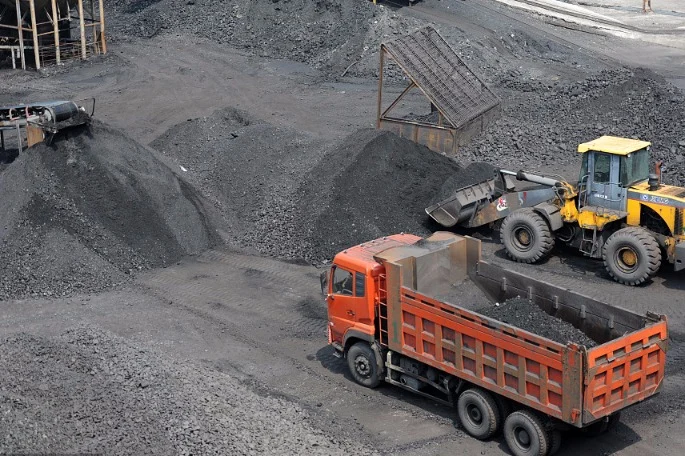
China is poised to significantly outperform its ambitious targets for industrial capacity reduction in the coal and steel sectors, with key goals expected to be met well ahead of schedule. This aggressive push, driven by a dual mandate of economic restructuring and environmental protection, signals a profound transformation within the world’s second-largest economy, impacting global commodity markets, trade dynamics, and domestic environmental quality. The nation’s strategic move to rationalize its heavy industries underscores a pivot towards sustainable growth and higher-value production, departing from the investment-heavy, often polluting, development model of previous decades.
The Momentum of Reform: Exceeding Coal and Steel Targets
According to Jiang Zhimin, vice-president of the China National Coal Association, the country is on track to achieve its goal of reducing coal capacity by 500 million metric tons as early as next year, substantially earlier than the initially planned three to five years. This accelerated pace highlights the government’s unwavering commitment to its supply-side structural reform agenda. By the close of 2017, the number of operational coal mines in China is projected to decrease to approximately 7,000, a significant consolidation from the 10,800 mines recorded in 2015. This drastic reduction is part of a broader strategy to eliminate smaller, inefficient, and often dangerous mining operations, replacing them with larger, more technologically advanced, and safer facilities. Jiang Zhimin noted at a recent forum hosted by the China Metallurgical Industry Planning and Research Institute that over 1,200 coal mines now boast an annual production capacity exceeding 1.2 million tons, collectively accounting for more than 75 percent of the nation’s total coal capacity. This consolidation not only improves efficiency but also strengthens regulatory oversight and environmental compliance.
The steel sector has witnessed similar robust progress. Xu Wenli, head of the Iron and Steel Division at the Ministry of Industry and Information Technology, reported that China has already cut more than 115 million tons of steel capacity. This achievement places the country remarkably close to the upper limit of its 150 million tons capacity reduction target set for the entire 13th Five-Year Plan period (2016-2020). A critical component of this effort has been the systematic phasing out of low-quality steel production, particularly "ditiao steel" – steel made from scrap metal using induction furnaces, which was notorious for its substandard quality and severe environmental impact. By the end of June, China had eliminated an estimated 140 million tons of this low-grade steel, effectively closing a significant loophole that allowed illegal and polluting capacity to persist outside official regulatory frameworks.
A Chronology of Ambitious Reductions
China’s journey towards industrial capacity reduction formally gained significant momentum in late 2015 and early 2016, with the central government articulating the "supply-side structural reform" as a cornerstone of its economic strategy. The reform’s primary objectives included cutting overcapacity, destocking, deleveraging, reducing corporate costs, and improving weak links in the economy.
- 2015: The central government signaled a strong commitment to addressing industrial overcapacity, particularly in sectors like coal and steel, which had seen massive expansion during the preceding decade, exacerbated by the 2008 financial crisis stimulus.
- 2016: The first full year of concerted action saw substantial achievements. China cut coal capacity by more than 290 million tons, exceeding its annual target. In the steel sector, over 65 million tons of production capacity were eliminated, demonstrating the initial efficacy of the new policy framework and enforcement mechanisms.
- 202017: The pace of reduction accelerated significantly. The annual target for coal capacity reduction was set at 150 million tons, a goal that was successfully accomplished by November, according to the National Bureau of Statistics. Similarly, the 2017 target for steel capacity reduction, set at 50 million tons, was met even earlier, by the end of August. This year also saw the decisive crackdown on "ditiao steel," which played a crucial role in eliminating clandestine, environmentally damaging production.
- 22018 and Beyond: The early achievement of targets suggests that the momentum will carry forward, likely leading to the full realization of the 13th Five-Year Plan targets well ahead of the 2020 deadline. The government has affirmed its intention to continue cutting outdated steel capacity and, crucially, to prevent previously shuttered or illegal steel mills from resuming operations. This ongoing vigilance is critical to ensuring the sustainability of the reforms.
Supporting Data and Policy Context
The drive to reduce industrial capacity is deeply intertwined with China’s broader economic rebalancing and its "war on pollution." Decades of rapid, heavy industry-led growth had resulted in severe environmental degradation, particularly chronic air pollution in major industrial hubs and cities. The excess capacity also led to fierce domestic competition, low profitability for many state-owned enterprises (SOEs), and a significant build-up of corporate debt.
The targeted 500 million metric tons reduction in coal capacity is part of a larger national strategy to optimize the energy mix, reduce reliance on fossil fuels, and promote cleaner energy sources. While coal remains a primary energy source, the government aims to increase the share of natural gas, nuclear power, and renewable energy (hydro, wind, solar) in its energy portfolio. The consolidation of coal mines into larger, more modern entities is expected to improve safety standards, enhance productivity, and facilitate the implementation of advanced environmental controls.
For the steel industry, the cuts are not merely about quantity but also about quality and efficiency. China had become the world’s largest steel producer, but a significant portion of its output was low-grade, leading to accusations of dumping on international markets and contributing to global overcapacity. The elimination of "ditiao steel" and other outdated facilities directly addresses these concerns, promoting a shift towards higher-value, specialized steel products that meet more stringent environmental and quality standards. This move is aligned with the "Made in China 2025" initiative, which aims to upgrade the country’s manufacturing base.
The Iron Ore Paradox: Environmental Clean-up Drives Imports
Paradoxically, as China scales back its domestic mining of coal and steel, it anticipates an increase in iron ore imports. Lei Pingxi, chief engineer at the Metallurgical Mines Association of China, highlighted that this trend is a direct consequence of the country’s intensified efforts to improve air quality by closing small, polluting domestic mines. These smaller mines often operate with outdated technology, lax environmental controls, and contribute disproportionately to localized pollution.
- 2017 Forecast: Iron ore imports were projected to rise by 5.5 percent year-on-year, reaching 1.08 billion tons.
- 2018 Forecast: A further increase of 3 percent is expected, pushing total imports to 1.12 billion tons.
This rising demand for imported iron ore underscores a strategic shift: rather than extracting lower-quality, environmentally costly domestic ore, China is opting for higher-grade imports, primarily from major global suppliers like Australia and Brazil. This move effectively externalizes some of the environmental costs of raw material extraction while simultaneously cleaning up China’s domestic mining landscape. Lei Pingxi further indicated that approximately one-third of China’s iron ore mining licenses, predominantly belonging to these small, polluting operations, will be canceled. This crackdown, part of a government-led initiative against smog and outdated industrial capacity, will see over 1,000 mining licenses revoked, representing an estimated 15 to 20 percent of the country’s total iron ore capacity.
Broader Impact and Implications
The aggressive capacity reduction program in China carries far-reaching implications, both domestically and internationally.
1. Economic Rebalancing and Quality Growth:
The reforms signify a fundamental shift in China’s economic model. By shedding inefficient and polluting industries, the government aims to foster higher-quality, innovation-driven growth, reducing reliance on heavy industry and investment. This rebalancing is crucial for achieving sustainable economic development and avoiding the "middle-income trap." While some regions heavily dependent on coal and steel may face economic headwinds and job losses, the central government has allocated funds for re-employment and retraining programs to mitigate social impacts. The closure of indebted SOEs also contributes to deleveraging efforts, strengthening the financial system.
2. Environmental Improvement:
The most tangible and immediate impact is on environmental quality. Reductions in coal consumption and the closure of polluting steel mills directly contribute to cleaner air, particularly in notoriously smog-ridden industrial belts. The crackdown on small, polluting domestic iron ore mines further reinforces this commitment. These efforts align with China’s pledges under the Paris Agreement and its broader ambition to become a leader in green development. Improved air quality has direct benefits for public health and quality of life for millions of citizens.
3. Global Commodity Markets:
China’s capacity cuts have profound implications for global commodity markets. Reduced domestic steel production, especially of lower-grade varieties, has helped alleviate global overcapacity concerns and supported international steel prices. Similarly, the rationalization of the coal industry impacts global coal trade dynamics. The increased demand for high-quality iron ore imports benefits major exporting nations, ensuring robust demand and influencing global iron ore prices. This shift can lead to greater stability in commodity markets by reducing the volatility caused by China’s previously massive and often unpredictable domestic supply.
4. International Trade Relations:
The capacity cuts have also served to address long-standing grievances from international trading partners, particularly the European Union and the United States, regarding China’s alleged dumping of cheap steel on global markets. By proactively reducing its excess capacity, China aims to improve its standing in international trade relations and mitigate trade disputes. This demonstrates a willingness to engage with global economic concerns and contribute to a more balanced international trading environment.
5. Energy Transition:
The significant reduction in coal capacity is a critical step in China’s long-term energy transition strategy. While coal remains dominant, these cuts, coupled with massive investments in renewable energy, indicate a clear trajectory towards a cleaner and more diversified energy mix. This transition is essential for China to meet its climate change commitments and ensure energy security in the long run.
In conclusion, China’s accelerated capacity reduction program in coal and steel is a multifaceted endeavor driven by economic necessity, environmental imperative, and strategic foresight. By surpassing its ambitious targets, China is not only transforming its industrial landscape but also reshaping its global economic footprint, signaling a new era of sustainable development and responsible global engagement. The ongoing commitment to eliminating outdated capacity and preventing its resurgence will be crucial for solidifying these gains and ensuring the long-term success of this monumental industrial overhaul.

 Evan Lee Salim
 Suro Senen