Lina Irawan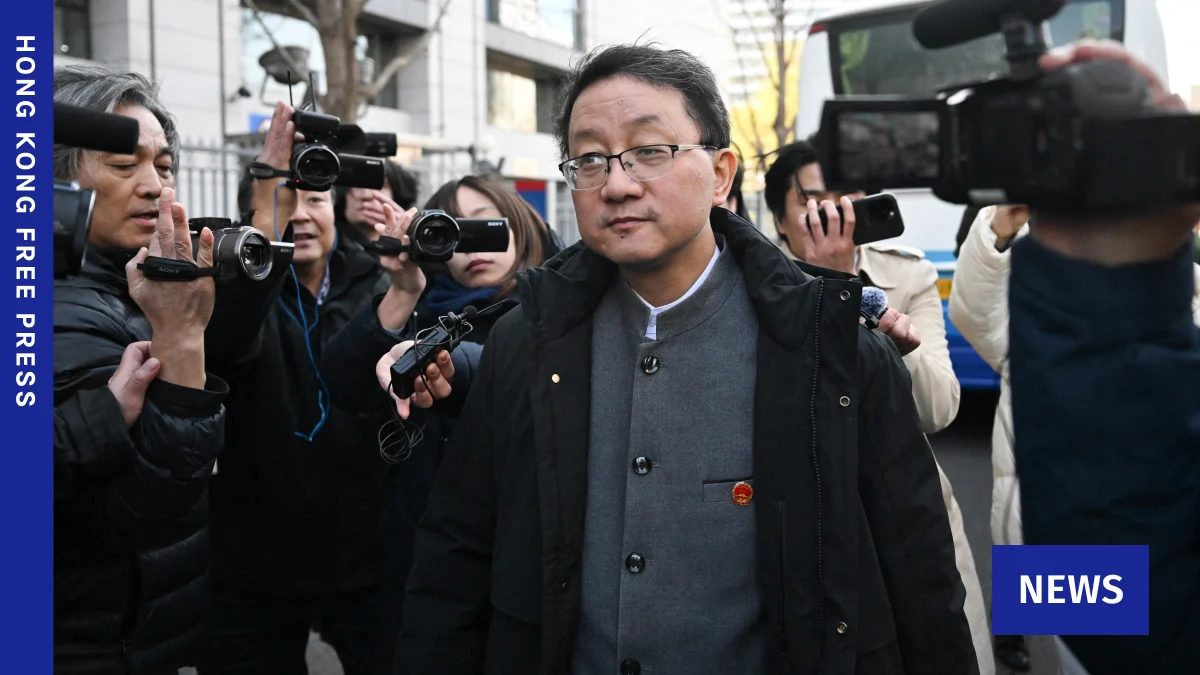
Chinese Ambassador Liu Jinsong, the newly appointed envoy to Australia, commenced his posting in Canberra with a notable and unconventional gesture, opting to take a public bus from Sydney to the capital and engaging in conversations with "ordinary" Australians along the way. This departure from typical diplomatic protocol, announced by the ambassador himself, has been widely interpreted as an early signal of a potentially more people-centric and accessible approach to diplomacy, as Beijing and Canberra navigate a complex relationship marked by recent tensions and a concerted effort towards rapprochement. Liu arrived in Australia on Monday, stating on the embassy website that he felt "both honoured and deeply conscious of the responsibility" of his new role. His decision to immerse himself immediately among the Australian public underscores a perceived desire to foster understanding and rebuild trust at a grassroots level, following a period of significant diplomatic strain.

Ambassador Liu Jinsong: A Seasoned Diplomat for a Pivotal Role
Liu Jinsong’s appointment to Canberra is a significant one, placing a seasoned diplomat with a strong background in Asian affairs at the helm of China’s mission to Australia. Previously, Liu served as the head of the Chinese Foreign Ministry’s Department of Asian Affairs, a role that saw him engaged in high-stakes negotiations, including those with Japanese officials during a diplomatic spat concerning comments on Taiwan by then-Prime Minister Sanae Takaichi. This experience highlights his familiarity with sensitive regional issues and his capacity for navigating complex geopolitical landscapes, qualities that will be crucial in his Australian posting. His predecessor, Xiao Qian, was known for a more outspoken and sometimes fiery rhetoric in defending Beijing’s positions, often drawing headlines in Australian media. Liu’s initial public actions suggest a potential shift towards a more understated yet engaging diplomatic style, one that may prioritize soft power and direct public engagement.
The Symbolic Bus Journey: Bridging Divides or Strategic Play?
The ambassador’s choice to travel by public bus from Sydney to Canberra, a journey of approximately three hours covering over 280 kilometers, is more than a mere travel anecdote; it carries considerable symbolic weight. Diplomats typically arrive with considerable fanfare, often transported in official vehicles directly to their embassies. Liu Jinsong’s narrative of chatting "with ordinary Australians on board" and "thoroughly enjoying the experience" projects an image of accessibility, humility, and a desire to connect beyond official channels. In a relationship that has often been characterized by miscommunication and a lack of direct public understanding, such a gesture could be seen as an attempt to bypass traditional media narratives and cultivate a more direct line of communication with the Australian populace. This approach could serve multiple strategic purposes: humanizing Chinese diplomacy, gauging public sentiment firsthand, and subtly signaling a new, more approachable era in bilateral relations. However, some analysts might also view it as a carefully orchestrated public relations move designed to soften China’s image and reset perceptions in a country where trust has been eroded.

A Recent History of Tumultuous Relations: The "Low Point" Under Morrison
The backdrop to Ambassador Liu’s arrival is a recent history of highly strained relations between Beijing and Canberra, which reached a nadir during the tenure of former Prime Minister Scott Morrison. This deterioration was precipitated by a series of actions and counter-actions that saw trust plummet and economic ties weaponized.
Chronology of Escalation (2018-2022):
- 2018: Australia enacts landmark legislation designed to prevent covert foreign interference in its domestic politics, widely perceived as targeting China. This move was a significant point of friction, as Beijing viewed it as discriminatory.
- 2018: Australia becomes the first country to openly bar Chinese telecommunications giant Huawei from participating in its 5G network rollout, citing national security concerns. This decision drew strong condemnation from China and set a precedent for other Western nations.
- April 2020: At the onset of the COVID-19 pandemic, Australia calls for an independent international inquiry into the origins of the virus, a move that deeply angered Beijing, which saw it as politically motivated and targeting China.
- Mid-2020 onwards: In response to Australia’s actions, China imposes a series of punitive trade measures and import bans on a wide array of Australian commodities. These included:
- Barley: Tariffs of over 80% were imposed, effectively shutting down a market worth hundreds of millions of dollars annually.
- Wine: Tariffs reaching over 200% were introduced, severely impacting Australia’s lucrative wine export industry.
- Coal: Unofficial import bans were placed on Australian thermal and coking coal, diverting Chinese buyers to other markets and causing significant disruption to Australian miners.
- Beef, Lobsters, Timber, Cotton: Other Australian products faced import restrictions, delays, or outright bans, signaling a comprehensive economic coercion strategy.
- Economic Impact: These trade disruptions had a substantial economic impact on specific Australian industries, although Australia’s overall economy proved resilient, finding alternative markets and diversifying. The value of goods impacted by Chinese restrictions was estimated to be in the tens of billions of Australian dollars annually.
These measures led to a significant freeze in high-level diplomatic contact, with official communication channels often dormant. The period was characterized by escalating rhetoric from both sides, fostering an environment of mutual suspicion and hostility.
A Cautious Thaw: Rapprochement Under Prime Minister Albanese
Since Anthony Albanese assumed the premiership in May 2022, there has been a noticeable, albeit cautious, improvement in Australia-China relations. The Labor government adopted a strategy of "stabilization," seeking to manage differences while pursuing areas of common interest.

Key Developments in Rapprochement (2022-Present):
- November 2022: Prime Minister Albanese meets with Chinese President Xi Jinping on the sidelines of the G20 summit in Bali, marking the first formal bilateral meeting between leaders in over six years. This meeting was a critical step in re-establishing high-level dialogue.
- May 2023: China lifts its punitive tariffs on Australian barley, a significant gesture that signals a willingness to de-escalate trade disputes.
- October 2023: Prime Minister Albanese undertakes an official visit to Beijing, the first such visit by an Australian prime minister in seven years. During this visit, discussions focused on trade, consular matters, and regional stability.
- March 2024: China announces a review of its wine tariffs, with expectations that these will also be lifted, further easing trade tensions.
These steps have led to a partial restoration of diplomatic and trade relations, with Australian exporters slowly regaining access to the vast Chinese market. However, the path to full normalization remains complex and fraught with lingering challenges.

Persistent Points of Tension and Divergent Interests
Despite the recent diplomatic thaw, several sources of tension continue to underscore the fundamental differences in strategic interests and values between Australia and China. Ambassador Liu Jinsong’s statement on Monday, that "both sides should respect each other’s core interests and major concerns," while seemingly conciliatory, also highlights the persistent areas of contention.
- Regional Security and Military Activities: Last month, Australia strongly condemned China’s test of a nuclear-capable missile in the South Pacific, describing the launch as "destabilizing." This incident, alongside concerns over China’s expanding military presence and activities in the South China Sea and broader Indo-Pacific, remains a significant security concern for Canberra and its allies. Australia, through its AUKUS security pact with the United States and the United Kingdom, is investing heavily in advanced defense capabilities, including nuclear-powered submarines, which Beijing views with suspicion.
- Economic Sovereignty and Critical Minerals: While China remains Australia’s biggest customer for iron ore, a cornerstone of their economic relationship, Canberra has significantly upped its scrutiny of Chinese investment, particularly in the critical minerals and rare earths sector. Australia holds vast reserves of these strategic resources, vital for high-tech industries and renewable energy technologies. Concerns about national security, control over supply chains, and potential monopolistic practices have led Australia to review and, in some cases, block Chinese acquisitions in this sensitive area. This reflects a broader global trend among Western nations to de-risk supply chains and reduce reliance on single-country suppliers for critical technologies.
- Human Rights and Geopolitical Influence: Underlying these specific issues are broader differences concerning human rights, democratic values, and China’s growing geopolitical influence. While less overt in public statements during periods of rapprochement, these ideological divergences continue to shape the strategic calculus of both nations.
Economic Interdependence: A Powerful Stabilizing Force
Despite political frictions, the economic ties between Australia and China remain profoundly strong and mutually beneficial. China’s insatiable demand for raw materials has historically fueled Australia’s mining boom, with iron ore standing as the bedrock of this relationship. In 2023, two-way trade between Australia and China was valued at over AUD$300 billion, with China accounting for a significant portion of Australia’s exports. This deep economic interdependence often acts as a powerful stabilizing force, providing both countries with strong incentives to manage their disagreements and prevent relations from completely derailing. Australia provides critical resources for China’s industrial growth, while China offers a massive market for Australian goods and services. However, Australia’s recent diversification efforts and China’s own economic adjustments mean that neither country is entirely dependent on the other, allowing for a degree of strategic autonomy.

A New Diplomatic Tone and Future Outlook
Ambassador Liu Jinsong’s early actions and statements suggest a potential recalibration of China’s diplomatic approach to Australia. His emphasis on "mutual respect" and "mutually enriching cultures," coupled with his unconventional public engagement, indicates a desire to move beyond the confrontational style that characterized previous years. The ambassador’s assertion that "Our two countries have no historical grievances, no fundamental conflict of interests, highly complementary economies and mutually enriching cultures" attempts to frame the relationship in a positive, constructive light, downplaying ideological differences in favor of shared benefits.
However, the challenges ahead are substantial. While the stabilization efforts under Prime Minister Albanese have yielded positive results in restoring dialogue and easing trade disputes, fundamental strategic divergences persist. Australia continues to deepen its security alliances with the US, UK, and Japan, viewing China’s regional ambitions with a degree of apprehension. Similarly, China remains wary of what it perceives as Australia’s alignment with US containment strategies.

The success of Ambassador Liu’s tenure will largely depend on his ability to navigate these complexities, fostering open communication while respecting sovereign interests. His initial gesture of connecting with "ordinary Australians" may be a small step, but it signifies a recognition that diplomacy extends beyond government-to-government interactions and into the realm of public perception and understanding. As Australia and China seek to build a more stable and productive relationship, the emphasis on direct engagement and mutual understanding, as exemplified by Ambassador Liu’s bus journey, could prove to be a crucial element in shaping the future trajectory of this vital bilateral partnership.

 Sagoh
Sagoh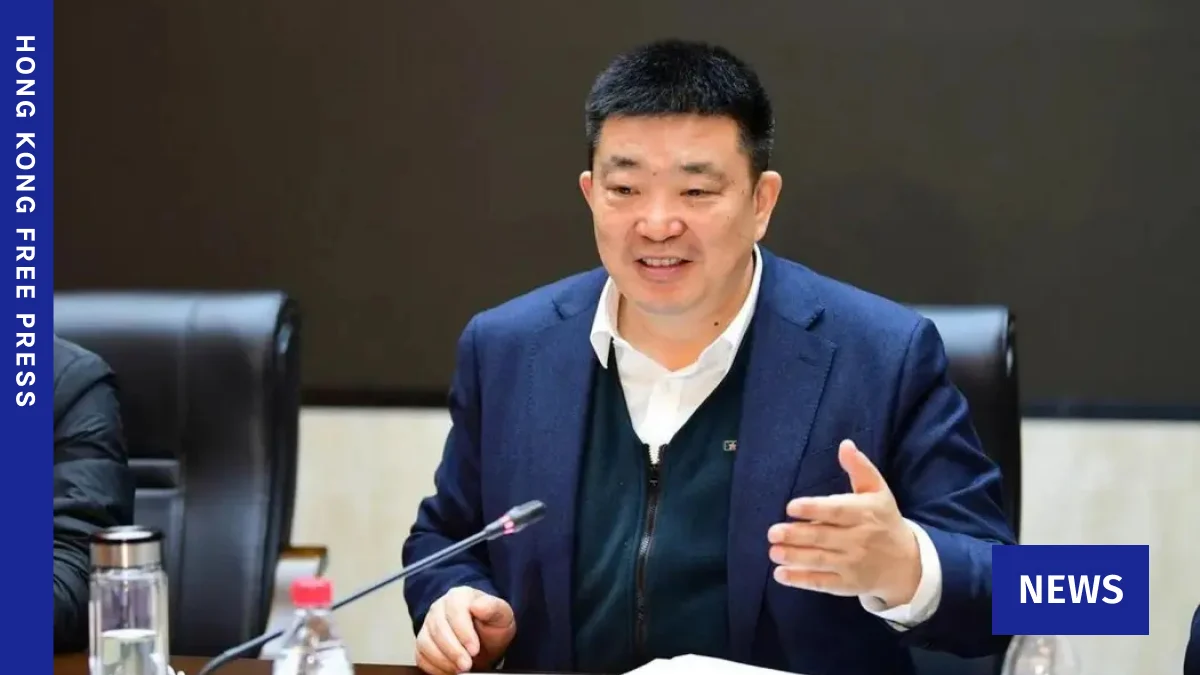
 Asro
Asro