Raul Delapena Setiawan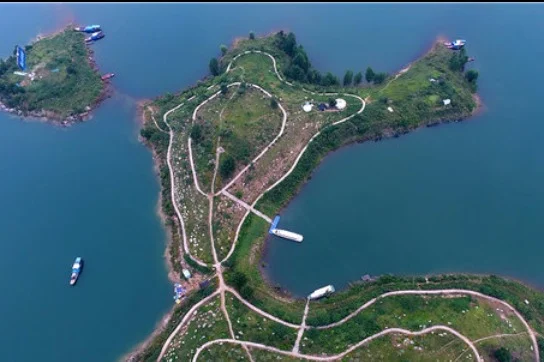
Tuesday, December 12, 2017, marked a significant milestone for China, as the central route of its colossal South-to-North Water Diversion Project celebrated its third anniversary of full operation. This ambitious infrastructure endeavor, designed to alleviate chronic water scarcity in the arid northern regions by redirecting vital water resources from the country’s south, has already demonstrated profound impacts, delivering over 10 billion cubic meters of water and benefiting more than 53 million people across North China. Beyond its primary function of water supply, the project has inadvertently spurred an environmental renaissance in its source regions, fostering green industries and creating sustainable economic opportunities for local communities.
A Lifeline to the Arid North: The Central Route’s Unprecedented Impact
The central route, a critical component of China’s grand strategy for water security, originates from the Danjiangkou Reservoir on the Han River, a major tributary of the Yangtze. Spanning over 1,200 kilometers, this engineering marvel traverses Henan and Hebei provinces before reaching its termini in Beijing and Tianjin. Since its commissioning, the volume of water transferred has steadily increased, providing a crucial lifeline to cities and agricultural areas grappling with dwindling groundwater reserves and increasing demand.
Recipient cities like Beijing and Tianjin, historically plagued by severe water shortages and over-extraction of groundwater, have seen tangible improvements. In Beijing, the central route has become a primary source of potable water, significantly reducing reliance on local groundwater and surface sources. Official data indicates that by its third anniversary, the central route alone supplied approximately 70% of Beijing’s urban water supply and 90% of its main urban area’s water, translating to billions of cubic meters that have helped stabilize groundwater tables and improve the quality of life for millions. Tianjin, another major northern metropolis, has similarly benefited, receiving a substantial portion of its municipal and industrial water needs from the project, thereby supporting its economic development and ecological restoration efforts. The provinces of Henan and Hebei, through which the canal passes, have also tapped into the transferred water for both urban consumption and agricultural irrigation, contributing to regional food security and ecological health.
A Grand Vision: The Genesis of the South-to-North Water Diversion Project
The concept of diverting water from China’s water-rich south to its parched north is not new; it dates back to the 1950s when Chairman Mao Zedong famously declared, "The south has plenty of water, the north lacks it. If possible, borrow some." This vision was born out of a stark geographical imbalance: the Yangtze River basin and areas south of it account for roughly 80% of China’s water resources, while the Yellow River basin and northern regions, home to a significant portion of the country’s population and agricultural land, possess only about 20%. This disparity, exacerbated by rapid industrialization, urbanization, and agricultural expansion, led to severe water stress, ecological degradation, and socio-economic challenges in the north.
Decades of planning, feasibility studies, and debates followed Mao’s pronouncement. The immense scale and complexity of the project, coupled with its potential environmental and social impacts, required meticulous consideration. The overarching goal was to create a robust national water network, not only to supply water but also to improve ecological conditions, facilitate economic growth, and enhance national water security.
Engineering Marvel: An Overview of the Three Routes
The South-to-North Water Diversion Project is conceived as a multi-decade, multi-route undertaking, ultimately comprising three main canals: the Eastern, Central, and Western routes.
-
The Eastern Route: Utilizing the ancient Grand Canal system, this route draws water from the lower reaches of the Yangtze River near Yangzhou, Jiangsu province. It uses a series of pumping stations to lift water northward through Jiangsu and Shandong provinces, eventually supplying areas including Tianjin and parts of Hebei. Its first phase became operational in 2013, primarily serving Shandong and Tianjin.
-
The Central Route: The focus of the current anniversary, this route is considered the most strategically important due to its gravity-fed design and direct supply to the capital, Beijing. It begins at the Danjiangkou Reservoir, where the Han River (a Yangtze tributary) meets the Qinling Mountains. The water flows through an open canal, tunnels, and aqueducts, requiring minimal pumping due to careful elevation management. This route necessitated significant dam raising at Danjiangkou and extensive resettlement, particularly in Hubei and Henan provinces.
-
The Western Route: Still in its planning and feasibility study stages, this is the most challenging and ambitious of the three. It aims to divert water from the upper reaches of the Yangtze River’s tributaries on the Qinghai-Tibet Plateau, across high mountain ranges, to the Yellow River basin. This route faces formidable engineering and environmental hurdles due to the extreme terrain and sensitive ecosystems.
Chronology of a Megaproject
The journey of the South-to-North Water Diversion Project from concept to operational reality spans several decades:
- 1952: Chairman Mao Zedong proposes the idea of diverting southern water to the north.
- 1950s-1990s: Extensive planning, hydrological surveys, and feasibility studies are conducted, exploring various routes and technical options.
- 1994: The State Council officially approves the overall plan for the project.
- 2002: Construction officially begins for the Eastern and Central routes. This phase involves massive infrastructure development, including the Danjiangkou Dam expansion, canal excavation, and numerous tunnels and aqueducts.
- 2013 (December): The first phase of the Eastern Route officially begins operations, delivering water to Shandong and Tianjin.
- 2014 (December 12): The central route officially commences operations, with water flowing to Beijing, Tianjin, Henan, and Hebei. This date marks the beginning of the three-year operational period celebrated.
- 2017 (December 12): The third anniversary of the central route’s operation, highlighting over 10 billion cubic meters of water transferred and beneficiaries exceeding 53 million.
Revitalizing Source Regions: A Green Transformation
While the primary objective of the project is to supply water to the north, its indirect consequences for the source regions—specifically Henan, Hubei, and Shaanxi provinces—have been equally transformative. To ensure the quality of water flowing northward, stringent environmental protection measures were implemented across the catchment areas of the Danjiangkou Reservoir and its feeder rivers. These measures included closing polluting factories, promoting ecological farming practices, reforestation, and investing in wastewater treatment facilities.
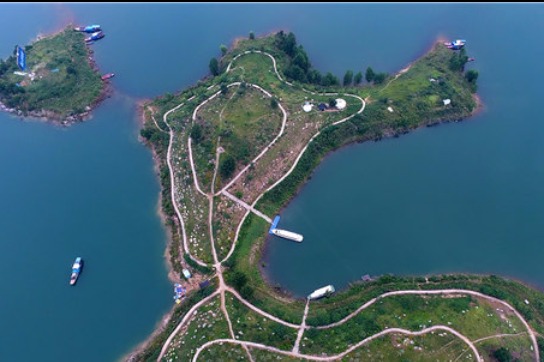
The stringent environmental mandates initially posed economic challenges for some local communities reliant on traditional industries. However, the long-term benefits have begun to emerge. The cleaner environment, healthier ecosystems, and improved water quality have become powerful magnets for investment in "green industries." Ecotourism, sustainable agriculture, and aquaculture, which rely on pristine natural conditions, have flourished. For instance, the image showing residents strolling through Ankang city in Shaanxi province underscores the improved livability and environmental quality in these areas. The cleaner air and water have not only enhanced local quality of life but also rebranded these regions as attractive destinations for both tourists and environmentally conscious businesses.
The Human Dimension: Returning Home to a Greener Future
The story of Xia Qinghua, a 43-year-old from Chenjiawan village in Hubei’s Shiyan city, perfectly encapsulates this profound transformation. For 12 years, Xia worked in a small toy factory in Shenzhen, Guangdong province, like millions of other migrant workers drawn to the economic opportunities of China’s coastal manufacturing hubs. His monthly salary of over 5,000 yuan ($756) was substantial, but it came at a personal cost: long working hours, often until 11 pm, and a gnawing sense of loneliness and isolation from his family.
Xia’s desire to return home was constant, but the economic realities of his poverty-stricken hometown presented a formidable barrier. In 2011, he attempted to establish a transportation business with a 50,000 yuan investment in a small truck, but the lack of opportunities led to a 20,000 yuan debt and forced his reluctant return to Shenzhen. For years, his family separations were tearful affairs, particularly during the annual Spring Festival holiday. He vividly recalled a heartbreaking departure on the fifth day of the Lunar New Year in 2013, where he, his wife, and daughter cried in each other’s arms, a testament to the emotional toll of economic migration.
However, the tide began to turn in 2014, when Hubei Beidouxing Eco-agriculture and Forestry Co began investing in Chenjiawan, directly lured by the "great improvements" in the local environment. "When I left at age 17, I had never seen an egret. Now, there are birds everywhere. They are beautiful," Xia recounted, highlighting the visible ecological recovery. This environmental regeneration created new, sustainable job opportunities that were previously nonexistent.
In June 2017, Xia finally realized his long-held dream, returning to Chenjiawan to work in the warehouse of a Hubei Beidouxing farm. Although his current monthly income of approximately 2,000 yuan is significantly less than what he earned in Shenzhen, Xia expresses profound happiness. He is now close to his family, able to care for his unwell 70-year-old father, and supplements his income by leasing 0.5 hectares of farmland to Hubei Beidouxing, earning an additional 4,000 yuan annually. His story is a powerful illustration of how environmental protection, driven by national infrastructure projects, can foster local economic development and enable family reunification, improving overall quality of life.
Economic Ripples: Investment and Opportunity in the Supply Zones
The success of companies like Hubei Beidouxing Eco-agriculture and Forestry Co is emblematic of a broader trend in the source regions. The commitment to water quality has necessitated a fundamental shift from heavy industry and pollution-intensive agriculture to eco-friendly alternatives. Local governments, in cooperation with national environmental agencies, have actively promoted policies that attract investment in sectors such as:
- Ecotourism: The improved natural landscapes, including pristine rivers, forests, and now abundant wildlife, have made these areas attractive for domestic and international tourists. This has led to the development of guesthouses, nature reserves, and related service industries.
- Organic and Ecological Agriculture: With guaranteed clean water and healthier soils, farmers are transitioning to high-value organic produce, specialty crops, and aquaculture, commanding higher market prices and creating more stable incomes. This includes products like high-quality teas, fruits, and fish.
- Forestry and Reforestation: Extensive reforestation efforts, aimed at soil and water conservation, have created jobs in planting, maintenance, and sustainable timber harvesting, as well as associated forest products.
- Renewable Energy: Some areas have seen investment in solar and wind farms, aligning with the broader green development strategy.
These investments have not only created direct employment but also stimulated local economies through increased demand for services, infrastructure development, and improved local supply chains, benefiting residents like Xia Qinghua and countless others.
Beyond the Tap: Broader Environmental and Social Benefits
The impact of the South-to-North Water Diversion Project extends far beyond simply delivering water. In the recipient areas, the project has been instrumental in:
- Groundwater Replenishment: By providing an alternative water source, the project has allowed for a significant reduction in groundwater extraction in northern cities. This has led to a slow but measurable recovery of groundwater tables, a critical step in addressing land subsidence and preserving future water resources.
- Ecological Restoration: The availability of diverted water has facilitated ecological restoration projects, such as replenishing dry rivers and lakes, improving urban wetlands, and supporting biodiversity. For example, some rivers in Beijing that were once seasonal or dry now flow year-round, supporting local ecosystems.
- Improved Water Quality: The high quality of the transferred water, meticulously protected at its source, contributes to better overall urban water quality, reducing the need for extensive treatment and improving public health.
- Urban Resilience: The project enhances the resilience of northern cities against droughts and climate change impacts by diversifying their water supply sources, ensuring greater stability and security.
Official Perspectives and Future Endeavors
Chinese officials, including representatives from the Ministry of Water Resources and provincial governments, have consistently lauded the central route as a monumental achievement in national water management. They emphasize its role in balancing regional development, addressing water resource disparities, and fostering sustainable growth. Statements often highlight the successful coordination between upstream and downstream regions, a complex challenge in inter-basin water transfers.
Looking ahead, the project faces ongoing challenges and future considerations:
- Water Conservation: Despite the increased supply, water conservation remains a top priority. Officials stress the need for continued public awareness campaigns, efficient irrigation techniques, and industrial water recycling to ensure the sustainable use of this precious resource.
- Climate Change: The long-term impacts of climate change on water availability in both source and recipient regions need continuous monitoring and adaptive strategies. Changes in precipitation patterns could affect the reliability of the Han River’s flow into the Danjiangkou Reservoir.
- Maintenance and Operation: The sheer scale of the canal system requires continuous investment in maintenance, monitoring, and operational efficiency to prevent leaks, pollution, and ensure smooth water delivery.
- Completion of the Western Route: The eventual realization of the Western Route remains a long-term strategic goal, promising to further connect China’s major river systems and enhance water security across the country, albeit with even greater technical and environmental hurdles.
Conclusion
Three years into its full operation, the central route of China’s South-to-North Water Diversion Project stands as a testament to human ingenuity and a strategic response to a critical national challenge. It has successfully delivered billions of cubic meters of water, transforming the lives of tens of millions in the arid north. Simultaneously, through rigorous environmental protection, it has catalyzed a green economic revolution in its source regions, creating new opportunities and enabling communities to thrive in harmony with nature. While challenges persist, the project’s early successes underscore its profound and multifaceted impact, cementing its place as one of the most significant infrastructure projects of the 21st century and a cornerstone of China’s sustainable development strategy. Its ongoing evolution will continue to shape China’s environmental, economic, and social landscape for generations to come.


 Sagoh
Sagoh
 Asro
Asro