Layla Zulfa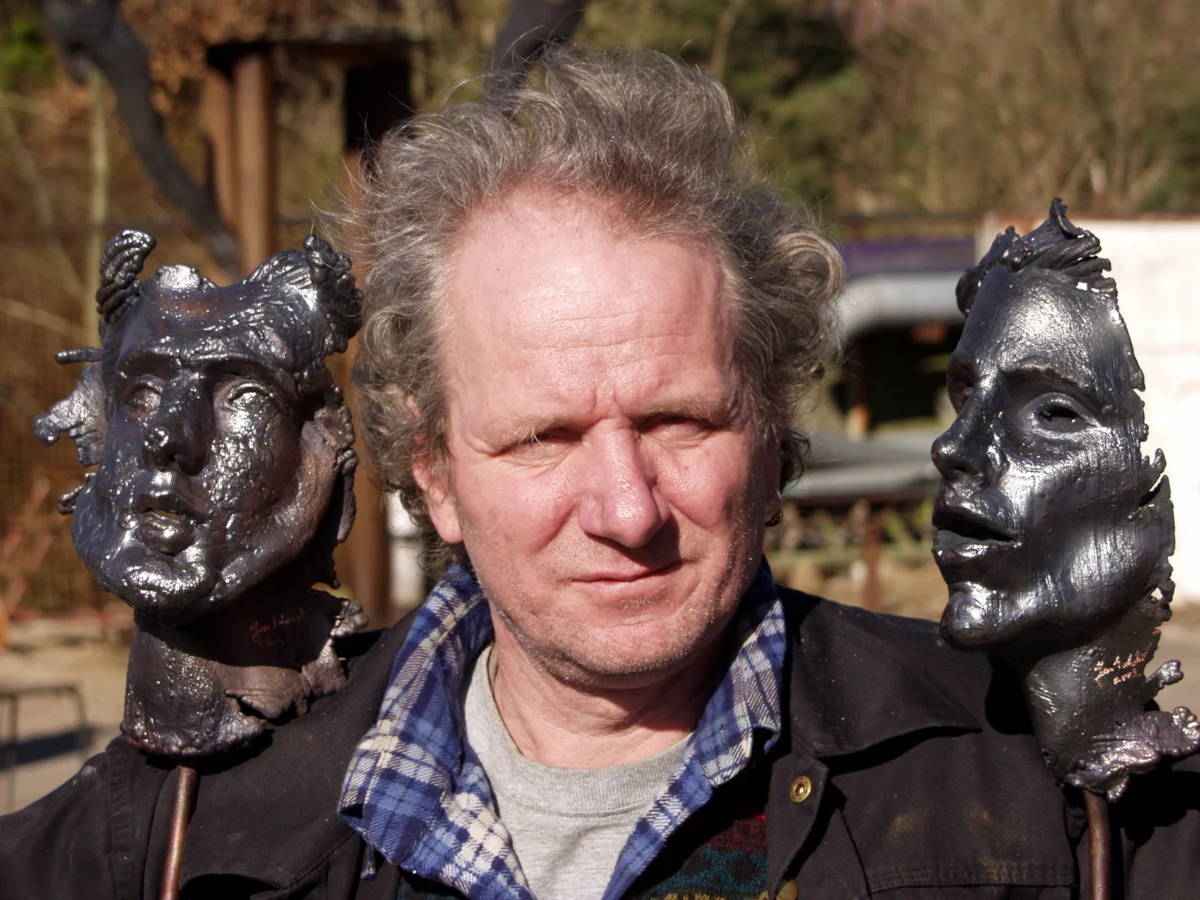
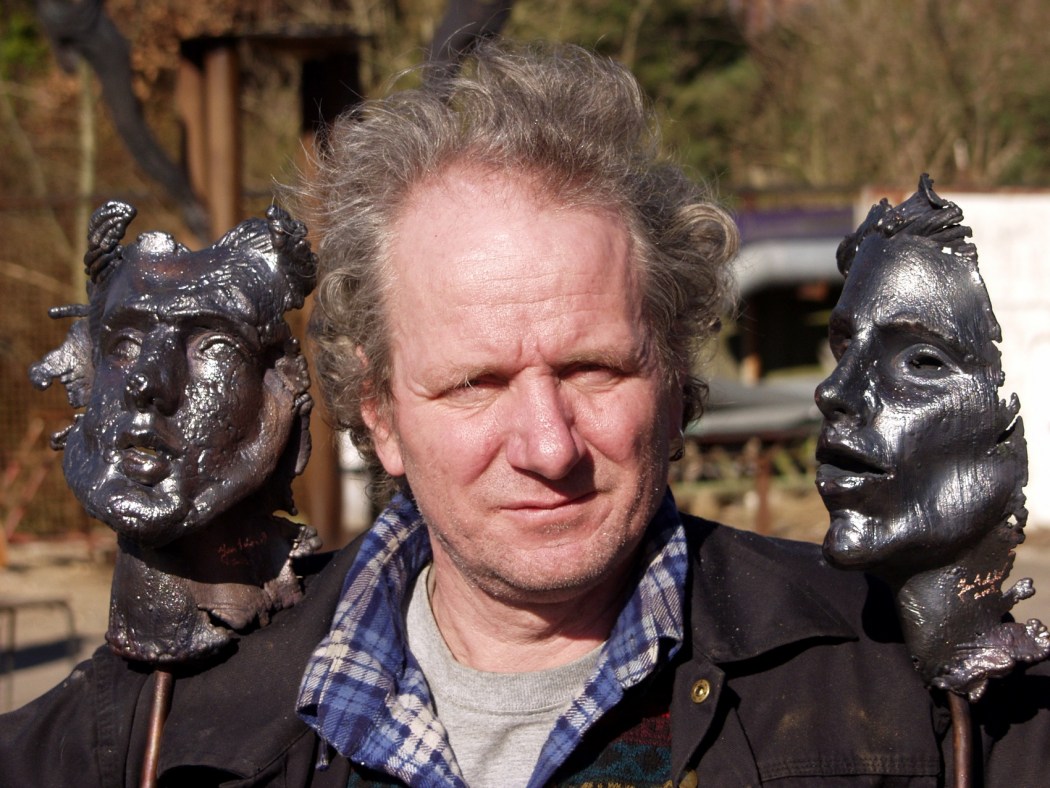
Hong Kong, [Current Date] – Danish sculptor Jens Galschiøt has formally petitioned the Hong Kong High Court, asserting his ownership of the “Pillar of Shame,” a poignant monument commemorating the 1989 Tiananmen Square crackdown, and demanding its immediate return. The artist’s legal maneuver comes in the wake of the recent national security conviction of prominent activists and the group that historically championed the city’s annual Tiananmen vigil, adding a significant new layer to the ongoing saga of this politically charged artwork.
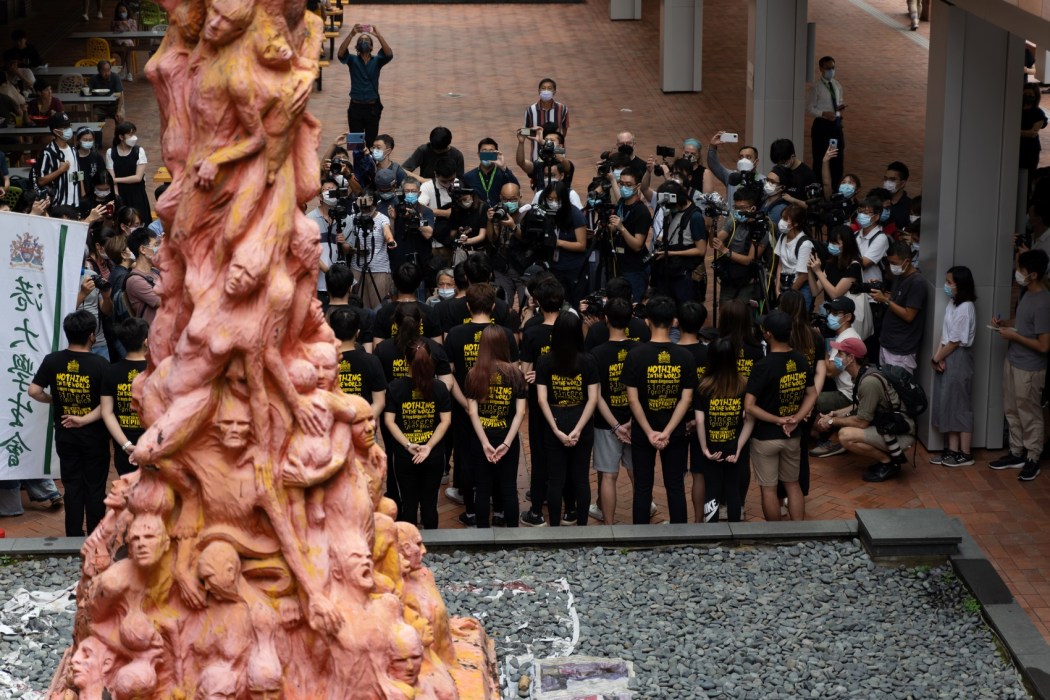
Galschiøt’s letter, submitted to the High Court last Friday, unequivocally states his claim over the eight-meter-tall bronze sculpture. The artwork, which stood as a stark reminder of the brutal suppression of pro-democracy protests in Beijing for over two decades on the campus of the University of Hong Kong (HKU), was controversially dismantled and removed in December 2021.

The timing of Galschiøt’s legal action is intrinsically linked to the recent conviction of two key figures associated with the annual Tiananmen vigil: barrister Chow Hang-tung and former lawmaker Lee Cheuk-yan. Their organization, the Hong Kong Alliance in Support of Patriotic Democratic Movements of China, was also found guilty of inciting subversion under the stringent Beijing-imposed National Security Law. This conviction has cast a long shadow over remaining avenues for public remembrance of the 1989 events in the city.
Following these convictions, prosecutors had requested the court to order the confiscation of the “Pillar of Shame,” which was presented as one of the exhibits in the national security trial. The court has yet to render a decision on this confiscation request. Galschiøt’s intervention aims to preemptively secure his artwork and assert his rights as its creator and owner, preventing any potential seizure or disposition by the authorities.
In his official correspondence, Galschiøt detailed the provenance of the sculpture, explaining that he had loaned the “Pillar of Shame” to the Hong Kong Alliance in 1997 for its permanent display in the city. He articulated his firm stance against any actions that would result in the sculpture’s confiscation, destruction, disposal, or transfer to any other entity. "I claim the sculpture and respectfully request that it be returned to me," the artist stated in his letter. "I do not consent to its confiscation, destruction, disposal, or transfer to any other person or institution."

A Monumental Legacy and its Removal
The “Pillar of Shame” has long served as a powerful and somber memorial to the victims of the 1989 crackdown, a period when the Chinese government deployed military forces to quell pro-democracy demonstrations centered in and around Tiananmen Square. The exact death toll remains a subject of intense debate, with estimates ranging from hundreds to potentially thousands of civilian casualties. For many in Hong Kong, the statue was a vital symbol of freedom of expression and a persistent demand for accountability, especially in contrast to the mainland’s pervasive censorship on the topic.
The statue’s presence on the HKU campus was a significant fixture, drawing attention and prompting reflection for over two decades. Its removal in December 2021 marked a turning point, widely seen as a symbolic silencing of dissent and a further erosion of Hong Kong’s distinct freedoms. HKU authorities cited "safety reasons" and "legal risks" as justifications for the overnight dismantling, a move that drew widespread international condemnation and fueled concerns about the city’s rapidly changing political landscape under the National Security Law, enacted in June 2020.
Since its removal, the “Pillar of Shame” has reportedly been stored in a steel container outside HKU’s Kadoorie Centre, effectively hidden from public view. Galschiøt has been vocal in his demands for its return since the statue’s deconstruction. In February 2023, he publicly declared his intention to pursue legal action against HKU to reclaim his artwork, signaling his resolve to fight for its retrieval.
Artist’s Plan for Retrieval and International Context
Galschiøt has made it clear that he will not be traveling to Hong Kong to personally collect his artwork. Instead, he intends to engage professional art handlers and transport specialists to manage the intricate logistics of bringing the substantial and fragile sculpture back to his native Denmark. "The sculpture is a large, valuable and fragile work of art," he emphasized, underscoring the need for qualified professionals to oversee its relocation. He expressed his willingness to cooperate with Hong Kong authorities to facilitate the shipping process.
"For the avoidance of doubt," Galschiøt stated, "the fact that I will not travel personally to Hong Kong does not mean that I have abandoned the sculpture, relinquished ownership, or do not wish to receive it. To the contrary, by this letter I formally claim the [sculpture] and request its return." This statement directly addresses any potential interpretation of his absence as a sign of resignation or abandonment of his rights.
Concurrently with his submission to the High Court, Galschiøt also dispatched a letter to the University of Hong Kong, reiterating his ownership claim and demanding the sculpture’s return. This dual approach underscores his commitment to recovering the artwork through both legal and institutional channels.
The Broader Implications of the National Security Law
The legal proceedings against the Hong Kong Alliance and its leaders are a stark illustration of the profound impact of the National Security Law on civil society and freedom of expression in Hong Kong. Enacted by Beijing in response to the widespread pro-democracy protests of 2019, the law has been instrumental in dismantling many of the city’s vibrant activist groups and curtailing public spaces for political dissent.
The conviction of Chow Hang-tung and Lee Cheuk-yan, who face potential prison sentences of up to 10 years for inciting subversion, sends a clear message about the government’s intolerance for activities deemed to undermine national security. Their pleas of not guilty highlight the ongoing legal battles and the differing interpretations of the law’s scope and application. The conviction of former lawmaker Albert Ho, who pleaded guilty earlier this year, further solidifies the prosecution’s case. Sentencing for the convicted individuals is anticipated within the next two weeks.
The Hong Kong Alliance, once a prominent fixture in the city’s political landscape, officially disbanded in 2021. This dissolution followed a government ban on the annual Tiananmen vigil for two consecutive years, citing COVID-19 restrictions, and the subsequent arrest of its leadership on national security charges. The demise of the Alliance and the current legal actions against its former leaders signify a significant shift in the city’s ability to openly commemorate sensitive historical events.

Historical Context and International Scrutiny
The Tiananmen crackdown of 1989 remains a deeply sensitive and heavily censored topic within mainland China. The international community largely condemned the violence used against unarmed civilians. Hong Kong, prior to its handover to Chinese rule in 1997, had long served as a unique space where such events could be openly remembered and discussed, a stark contrast to the mainland’s official narrative.
The “Pillar of Shame” became a potent symbol of this divergence, representing Hong Kong’s commitment to freedom of expression and its role as a repository of memory. Its removal, particularly from an academic institution like HKU, has been viewed by many as a symbolic erasure of history and a capitulation to political pressure.
Galschiøt’s persistent efforts to reclaim his artwork underscore the enduring international attention on Hong Kong’s democratic backsliding. The legal battle for the “Pillar of Shame” is not merely about the possession of a sculpture; it is intertwined with the broader narrative of shrinking freedoms and the ongoing struggle to preserve historical memory in a city undergoing profound political transformation. The court’s decision on Galschiøt’s petition, as well as the confiscation request by the prosecution, will be closely watched as further indicators of the legal and political climate in Hong Kong. The case highlights the complex interplay between artistic expression, historical commemoration, and the sweeping powers granted under the National Security Law.

 Siti Muinah
 Lina Irawan