Reynand Wu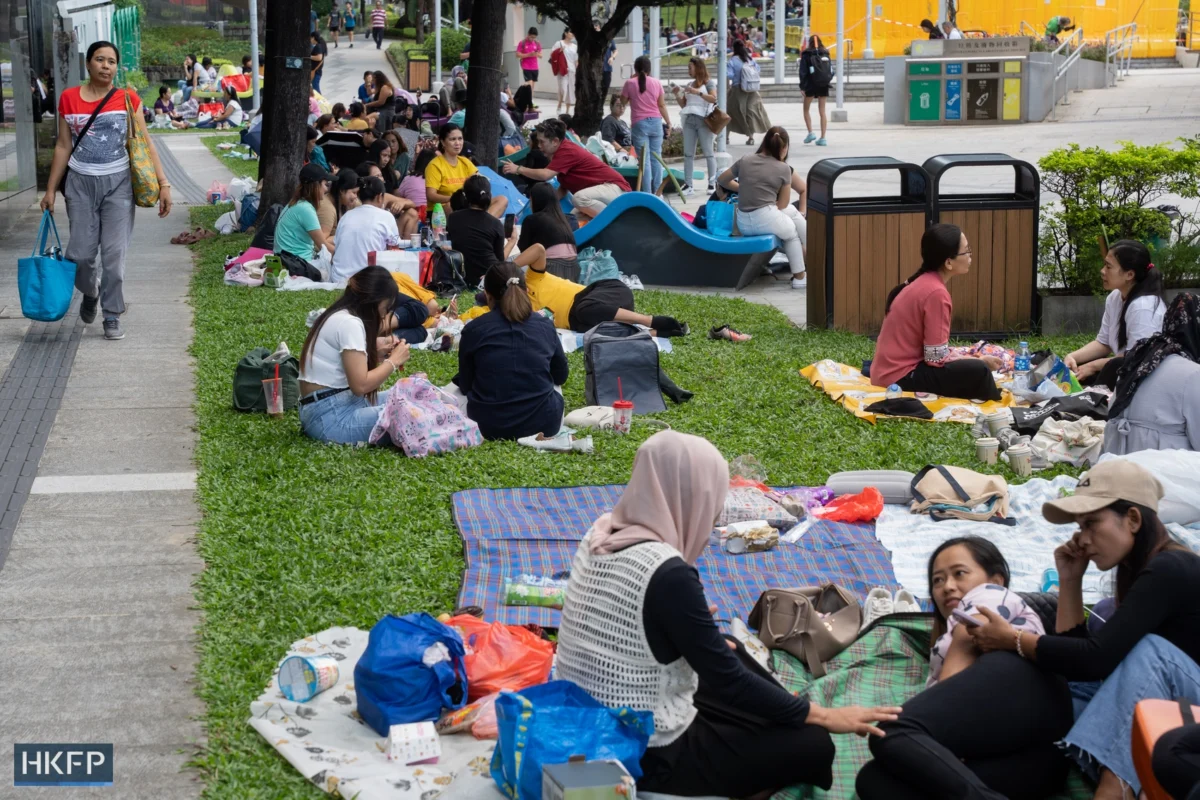
The Hong Kong government is poised to announce the results of its regular review concerning the minimum wage and mandatory food allowance for the city’s extensive foreign domestic worker population, estimated to exceed 380,000 individuals. While the precise date remains unconfirmed, the Labour and Welfare Bureau indicated that the outcomes would be revealed "shortly." This decision is a critical juncture for a significant segment of Hong Kong’s workforce, impacting their financial stability and the cost of domestic help for households across the territory.
Background of the Review Process
The annual review of the minimum wage and food allowance for foreign domestic workers is a mandated process designed to reflect prevailing economic conditions and the cost of living in Hong Kong. These reviews typically conclude with an announcement in September each year, setting the new rates for the upcoming period. Last year, the minimum wage saw an increment of 2.2 per cent, raising the monthly figure from HK$4,990 to HK$5,100. Similarly, the food allowance, a crucial component for workers whose employers do not provide meals, is also subject to periodic adjustments.

The Labour and Welfare Bureau has stated that its decision-making process will be "prudent, objective and balanced." This approach aims to reconcile the interests of both domestic workers and their employers, ensuring that any adjustments are economically viable for households while also acknowledging the financial realities faced by the workers. The bureau confirmed on Monday that it has actively solicited input from both foreign domestic workers and their employers through various channels.
Demands from Domestic Worker Advocacy Groups
In anticipation of the government’s announcement, migrant worker advocacy groups have been vocal in their demands for a substantial increase in both the minimum wage and the food allowance. The Asian Migrants Coordinating Body (AMCB), a prominent organization representing domestic workers, recently staged a rally outside the Labour Department. During this demonstration, the AMCB called for a significant hike in the minimum wage, proposing an increase to HK$6,172 per month. This represents a considerable 21 per cent rise from the current rate.
Beyond the minimum wage, the AMCB also advocated for a more than doubling of the monthly food allowance. Currently set at HK$1,236, the group proposed an increase to HK$3,123. This proposed allowance would translate to approximately HK$100 per day, a substantial improvement from the current daily equivalent of around HK$41, based on the current allowance. The AMCB argues that this increase is necessary to reflect the rising cost of food and essential living expenses in Hong Kong, ensuring that workers have adequate resources for their nutritional needs.

Employer Perspectives and Government Considerations
While the AMCB pushes for higher wages and allowances, the government’s stated intention to balance worker interests with employer affordability highlights the delicate economic equilibrium at play. Hong Kong’s economy, while robust in many sectors, is also susceptible to global economic fluctuations. The cost of hiring domestic help is a significant expenditure for many households, particularly those with children or elderly family members requiring care.
The government’s review process takes into account a wide array of economic indicators. These include Hong Kong’s overall economic performance, the prevailing employment situation, inflation rates and changes in the price level of goods and services, average earnings of low-income workers, and the household incomes of those who employ domestic workers. This multi-faceted approach aims to arrive at a rate that is both fair to workers and sustainable for employers.
It is important to note that the majority of employers in Hong Kong provide free meals to their domestic workers. In such cases, the mandatory food allowance is not applicable. However, for employers who do not provide meals, the food allowance serves as a vital financial support for their domestic employees.

Economic Context and Inflationary Pressures
The current economic climate in Hong Kong, like many other global cities, has been influenced by persistent inflationary pressures. Rising costs for essential goods, including food, transportation, and housing, impact the living expenses of all residents, including foreign domestic workers who often send remittances to their families back home. The proposed increase in the minimum wage and food allowance by advocacy groups is directly linked to these increased living costs.
The average monthly expenditure for a foreign domestic worker, considering rent, food, transportation, and remittances, is a significant consideration. While the government’s review considers household incomes of employers, it is equally important to acknowledge the financial realities faced by the workers themselves. Many foreign domestic workers work long hours, often seven days a week, and their compensation is a critical factor in their ability to support themselves and their families.
Historical Trends in Minimum Wage Adjustments
The annual adjustments to the minimum wage for foreign domestic workers have historically been modest. The 2.2 per cent increase in the previous year was in line with previous years’ adjustments, which have generally hovered in a similar range. This pattern suggests a cautious approach by the government in setting wage levels, balancing incremental increases with economic stability. However, the substantial proposed increase by the AMCB indicates a growing sentiment among workers and their advocates that previous adjustments have not kept pace with the rising cost of living.

The Role of Foreign Domestic Workers in Hong Kong Society
Foreign domestic workers play an indispensable role in the functioning of Hong Kong society. They are integral to the daily lives of countless families, providing essential childcare, elder care, and household management services. Their contribution allows many dual-income households to remain economically productive and ensures that vulnerable family members receive adequate care. The stability and well-being of this workforce are therefore not just an economic issue but also a social imperative.
The reliance of Hong Kong on foreign domestic workers is profound. The city’s demographics, with a high proportion of working parents and an aging population, create a consistent demand for domestic help. Without this workforce, many families would face significant challenges in managing their households and caring for their loved ones, potentially impacting workforce participation rates and the overall social fabric.
Broader Implications of the Review Outcomes
The government’s upcoming announcement will have several implications:

- For Foreign Domestic Workers: A higher minimum wage and food allowance will directly improve their financial standing, potentially allowing for greater savings, increased remittances, and improved quality of life. Conversely, a minimal increase or a freeze could lead to increased hardship and dissatisfaction within the community.
- For Employers: Any increase in the minimum wage and food allowance will translate to higher labor costs for households employing domestic workers. This could prompt some employers to re-evaluate their hiring decisions or seek more cost-effective solutions. The government’s commitment to considering employer affordability is crucial in this regard.
- For the Hong Kong Economy: The foreign domestic worker sector is a significant component of the service economy. Adjustments to wages and allowances can have a ripple effect on household spending patterns and the broader economic landscape.
- Social Harmony: Fair compensation and recognition of the contributions of foreign domestic workers are essential for maintaining social harmony and ensuring the continued availability of essential domestic services.
The upcoming announcement is keenly awaited by all stakeholders. It represents a crucial step in ensuring that the compensation for foreign domestic workers remains equitable and sustainable within the dynamic economic environment of Hong Kong. The government’s commitment to a "prudent, objective and balanced" decision will be closely scrutinized as it seeks to navigate the competing interests of a vital workforce and the households that rely on their services. The outcome will undoubtedly shape the lives of hundreds of thousands of individuals and impact the daily operations of a significant portion of Hong Kong families. The government’s stated aim of considering "actual circumstances" will be the benchmark against which the final decision is measured.


 Ali Ikhwan
 Neng Nana