Neng Nana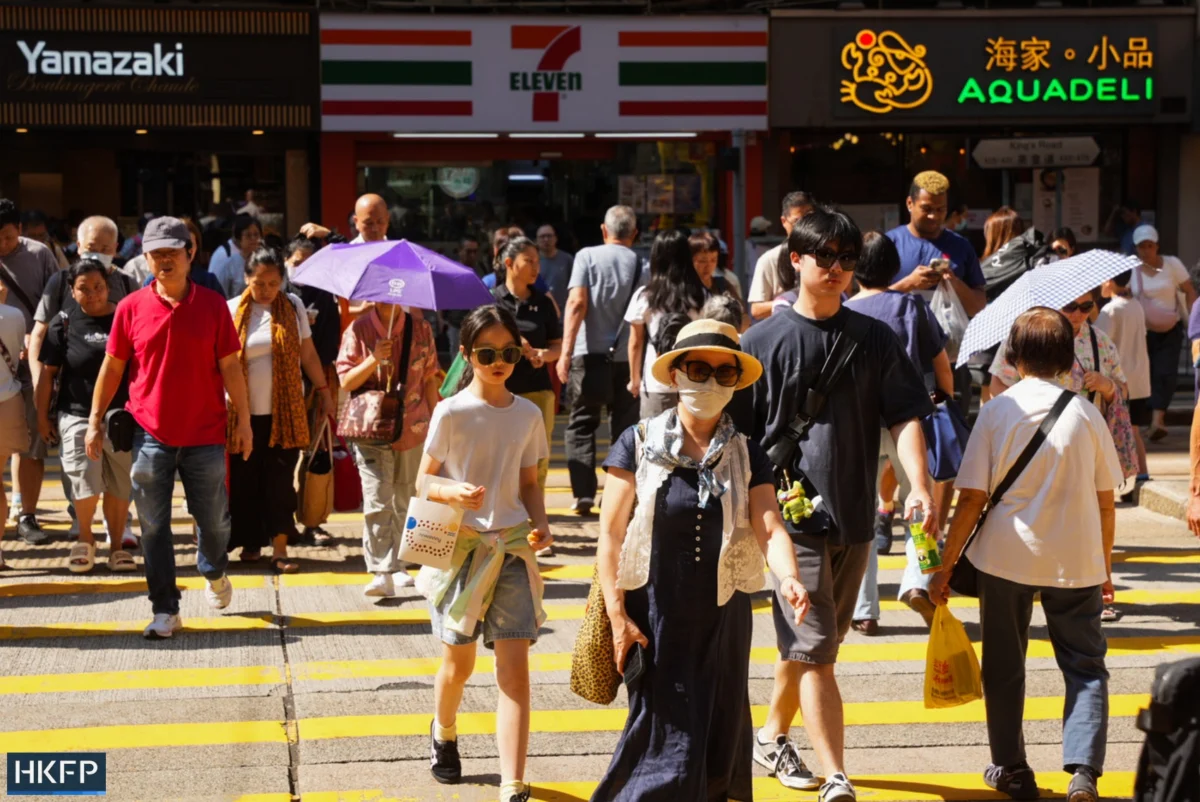
Hongkongers have long voiced concerns about the city’s increasingly hot and prolonged summers, and now, concrete data from the Hong Kong Observatory (HKO) confirms their observations are not mere perceptions. The past decade, particularly the years leading up to and including 2026, has witnessed a dramatic surge in extreme heat events, shattering numerous meteorological records and signaling a significant shift in the region’s climate. This trend is not confined to isolated incidents but represents a sustained and alarming pattern, impacting the daily lives of residents and posing challenges to public health and infrastructure.
The statistics paint a stark picture: from the frequency of “hot nights” to the average temperatures recorded throughout the crucial summer month of August, record after record has been broken, according to HKO data. This analysis delves into the city’s warming climate over recent decades, examining seven key indicators that illustrate the escalating intensity and duration of heatwaves.
The Escalating Frequency of "Very Hot Days"
A critical indicator of the changing climate is the rising number of "very hot days," defined by the HKO as days where the daily maximum temperature reaches or exceeds 33 degrees Celsius. In the 2000s, Hong Kong experienced an average of 13.4 such days per year. This figure has more than quadrupled in the 2020s, with the city now recording over 50 very hot days annually.
The years 2021 and 2023 stand out as particularly severe, each logging 54 very hot days. The trend continued unabated into 2026, with the city already enduring 30 very hot days by the end of August. Even as summer officially concluded, September showed little respite, with four additional very hot days recorded by September 21, 2026. This consistent rise in very hot days, particularly during August, underscores a fundamental shift in seasonal temperature patterns.

Heat Warnings Issued with Unprecedented Frequency
The increased frequency of extreme heat is directly reflected in the HKO’s issuance of "very hot weather warnings." The total annual hours under these warnings have tripled since 2000, soaring from 464 hours to an alarming peak exceeding 1,400 hours in 2021. This dramatic increase signifies that a substantial portion of the year is now subject to advisories for extreme heat.
Since 2020, heat warnings have been in effect for at least 13 percent of every calendar year, a stark contrast to just over 5 percent in 2000. It is important to note that the very hot weather warning is not solely based on a specific temperature threshold. Instead, it utilizes a heat index that incorporates temperature, humidity, and airflow, providing a more comprehensive measure of the heat stress experienced by the population. This multi-faceted approach highlights the complex nature of heat discomfort and its potential impact on public health.
The Growing Prevalence of "Extremely Hot Days"
Beyond "very hot days," the HKO also categorizes "extremely hot days" as those where the maximum temperature reaches or surpasses 35 degrees Celsius. Historically, such days were exceptionally rare in Hong Kong. With the exception of an anomalous year in 1963, which saw five extremely hot days, the city had never recorded more than two such days in any given year until the past decade. For many years, extremely hot days were virtually non-existent.
This pattern has fundamentally changed since 2016. Over the last ten years, Hong Kong has averaged 4.6 extremely hot days annually. In 2026, three such days had already been recorded by the end of August, all occurring within that month. This escalation from infrequent occurrences to a regular feature of the summer landscape signals a significant and concerning alteration in Hong Kong’s climate dynamics.
Summers Are Stretched and Extended
The data indicates that Hong Kong’s summers are not only hotter but also demonstrably longer. The phenomenon of "very hot days" is no longer confined to the traditional summer months of June, July, and August. Instead, these periods of intense heat are increasingly occurring outside this established timeframe, extending into May and lingering into September and October.

This temporal shift is evident in the recorded data. Between 2021 and 2025, September consistently saw double-digit numbers of very hot days, a significant departure from previous years where such occurrences were typically in the single digits or entirely absent. The year 2025, in particular, saw four very hot days in October, a month that had historically experienced very few, if any, such days before 2021. This temporal expansion of extreme heat suggests a fundamental alteration in the seasonal cycle, demanding a re-evaluation of traditional climate expectations.
August Temperatures Soar Above Historical Averages
The average temperature in August, a cornerstone of Hong Kong’s summer, has consistently risen above the HKO’s benchmark for "normal" mean temperature, which is set at 28.7 degrees Celsius. In the past decade, exceeding this threshold has become the norm rather than the exception. Since 2016, only two years, 2016 (28.4°C) and 2018 (28.6°C), saw August mean temperatures dip below this "normal" level, and even then, only marginally.
This stands in stark contrast to the preceding 35-year period from 1980 to 2015. During that extended timeframe, there were a total of 22 years where the mean August temperature fell below the established normal. The shift from a scenario where below-normal August temperatures were common to one where above-normal temperatures are the consistent reality underscores the accelerating warming trend.
The Doubling of "Hot Nights"
The impact of rising temperatures is also felt acutely during the night. The HKO defines "hot nights" as periods when the daily minimum temperature remains at or above 28 degrees Celsius. Since 2015, Hong Kong has experienced an average of 46 hot nights per year. The year 2021 set an all-time record, with an astonishing 61 hot nights.
This represents a significant increase compared to the period between 2000 and 2009, when the city averaged only around 20 hot nights annually. As of the end of August 2026, 35 hot nights had already been recorded, placing the year on par with the previous year. While September 2026 had not yet recorded any hot nights, the preceding year, 2025, set a historical record for the month with 13 hot nights. This sustained period of warm nights contributes to cumulative heat stress and impacts sleep quality, with broader implications for public health and well-being.

An Increase in Rainstorm Warnings Amidst Extreme Heat
While the focus has been on rising temperatures, the data also reveals a concerning trend in extreme rainfall events. In 2026, Hong Kong had already issued 15 Red Rainstorm Warnings and three Black Rainstorm Warnings by the time of reporting, marking the second-highest numbers on record for both categories. The previous year, 2025, had set new records with 16 Red Rainstorm Warnings and five Black Rainstorm Warnings.
Cumulatively, the 82 rainstorm warnings issued so far in 2026, the vast majority of which are the lowest-level Amber alerts, represent the highest number in history. The summer months of June, July, and August were particularly deluge-prone, with July experiencing the second-highest rainfall on record for that month. June of 2026 also witnessed a significant event, with the HKO issuing two Black Rainstorm Warnings on a single day for the first time in its records.
This juxtaposition of extreme heat and intense rainfall events presents a complex and challenging climate scenario for Hong Kong. The increased frequency and intensity of both heatwaves and torrential downpours suggest a more volatile weather system, with significant implications for urban planning, disaster preparedness, and public safety.
Broader Implications and Future Outlook
The consistent breaking of temperature and heat-related records in Hong Kong is not an isolated phenomenon but rather a localized manifestation of global climate change. Scientific consensus points to rising global temperatures driven by human activities, leading to more frequent and intense extreme weather events worldwide.
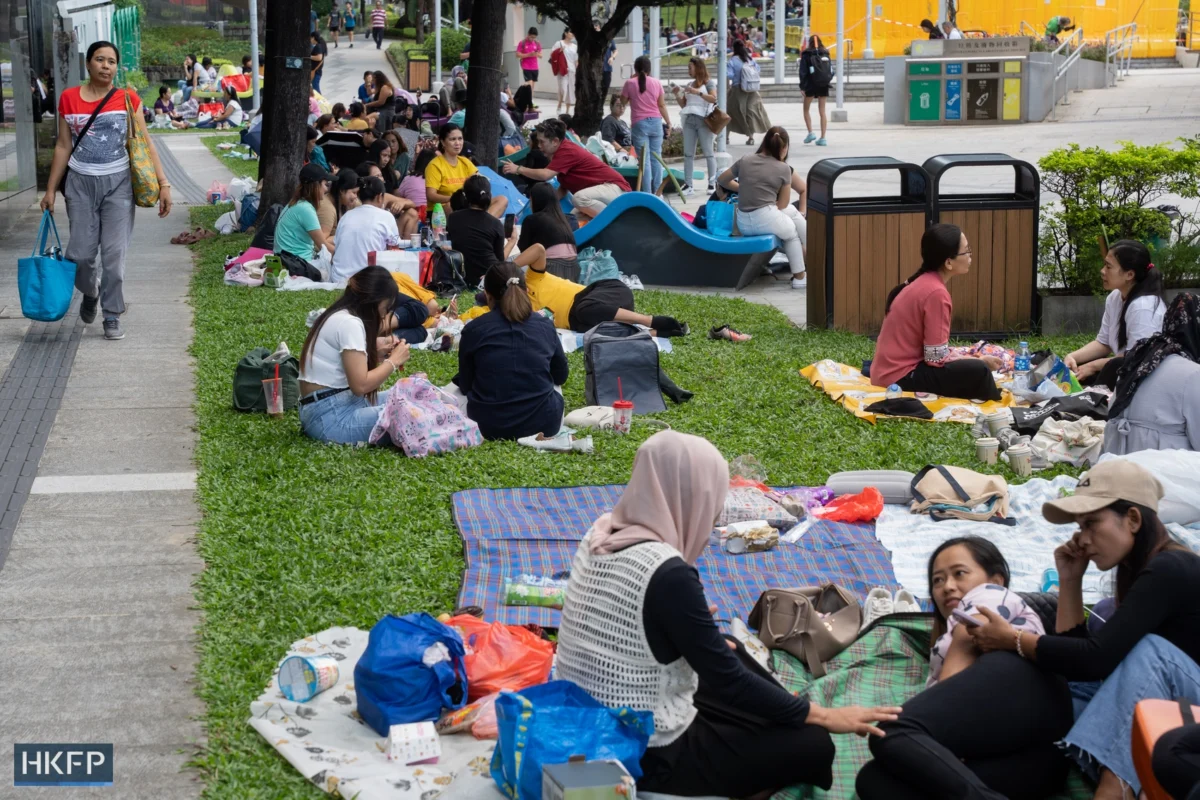
For a densely populated urban center like Hong Kong, these climatic shifts pose considerable challenges. Increased heat stress can exacerbate pre-existing health conditions, particularly among the elderly and vulnerable populations, and lead to a rise in heat-related illnesses. The extended periods of high temperatures also place significant strain on the city’s energy infrastructure, as demand for air conditioning surges.

Furthermore, the lengthening of summers and the increased occurrence of extreme weather events like intense rainstorms necessitate a robust and adaptive approach to urban planning and infrastructure development. This includes enhancing drainage systems to cope with heavier rainfall, developing more resilient public spaces that can withstand extreme heat, and implementing public health initiatives to mitigate the effects of prolonged heat exposure.
The data from the Hong Kong Observatory serves as a critical wake-up call, underscoring the urgency for both local and global action to address climate change. As the city grapples with these intensifying climatic conditions, a proactive and comprehensive strategy will be essential to ensure the safety, resilience, and well-being of its residents in the face of a warming planet. The trend of record-breaking heat is no longer a future projection but a present reality that demands immediate and sustained attention.

 Reynand Wu
 Ali Ikhwan