Rifan Muazin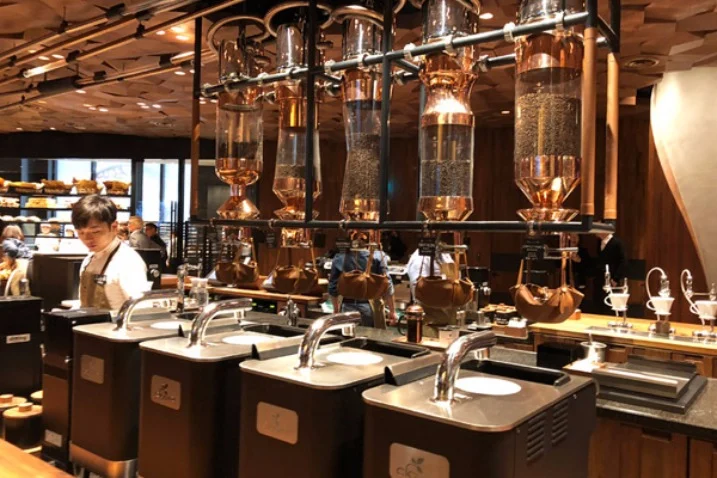
Despite the seismic shifts brought about by robust online buying in recent years, the in-store shopping experience not only remains dominant within the retail sector but is also proving to be an irreplaceable cornerstone of consumer engagement, according to Victor Cha, Managing Director and Deputy Chairman of HKR International Ltd. Cha emphasizes that the future of retail lies not in the complete displacement of physical stores by e-commerce, but rather in a synergistic coexistence and cooperation between online and offline channels, where brick-and-mortar establishments evolve into dynamic, experience-driven destinations. This perspective is particularly pertinent in China, a market that has witnessed an unparalleled surge in digital commerce, yet simultaneously demonstrates a strong consumer affinity for high-quality, experiential physical retail.
The Evolving Retail Landscape: E-commerce’s Rise and Physical Retail’s Response
The past two decades have dramatically reshaped the global retail landscape, with China at the forefront of this transformation. The meteoric rise of e-commerce giants like Alibaba and JD.com fundamentally altered consumer purchasing habits, offering unprecedented convenience, vast product selections, and competitive pricing. In 2016, China’s online retail sales of physical goods reached a staggering 4.19 trillion yuan ($633.5 billion), marking a substantial year-on-year increase of 25.6 percent. While impressive, this figure still constituted only 12.6 percent of the total retail value of all consumer goods purchased, underscoring the enduring significance of traditional retail channels. This period saw many analysts predicting the demise of brick-and-mortar stores, often dubbed the "retail apocalypse." However, forward-thinking developers and retailers, like HKR International, recognized an opportunity for reinvention rather than retreat.
The concept of "New Retail," famously coined by Alibaba founder Jack Ma, emerged as a guiding principle, advocating for the seamless integration of online, offline, logistics, and data across a single value chain. This philosophy acknowledges that while e-commerce excels in efficiency and reach, physical stores offer sensory experiences, immediate gratification, personalized service, and social interaction that digital platforms cannot fully replicate. A survey by financial research firm Gordon Haskett highlighted this dichotomy, revealing that beyond categories like music, books, movies, and small appliances, consumers overwhelmingly preferred in-store purchases for experience-based goods. This preference was particularly strong for essential and lifestyle categories such as groceries, household items, health and beauty products, pet supplies, and automotive accessories, where touch, feel, and expert advice play crucial roles in the purchasing decision. This data points to a clear mandate for physical retail: to differentiate itself by offering compelling experiences that transcend mere transactions.
HKR International’s Strategic Vision and Investment in China
HKR International Ltd., a diversified company with a strong foundation in property development and investment, has long recognized the immense potential of the Chinese market. Established in Hong Kong in 1977, HKR International has built a reputation for creating high-quality, integrated developments that blend residential, commercial, and leisure components. Over the past 15 years, the company has strategically invested approximately 20 billion yuan into mainland China, a sum representing nearly half of its total investments during that period. This substantial commitment underscores HKR’s long-term confidence in China’s economic growth and its burgeoning consumer class.
Victor Cha articulates HKR’s commitment to the mainland, particularly the Yangtze River Delta region, as a strategic imperative. "Our weighing in the Chinese mainland, especially in the Yangtze River Delta region, will continue to grow, as we are a Chinese company, and we will continuously look for real estate investment opportunities both in residential and commercial sectors, in line with the central government’s policies and strategies," he stated. This long-term vision is anchored in the understanding that as the Chinese population continues to generate abundant wealth and the middle class expands, the demand for high-quality residential and commercial properties will remain robust. HKR International aims to capitalize on this enduring demand, leveraging its four decades of experience in developing properties that cater to evolving consumer aspirations.
HKRI Taikoo Hui: A Blueprint for the Future of Retail
A prime example of HKR International’s innovative approach and significant investment in mainland China is the HKRI Taikoo Hui, a colossal 322,000-square-meter commercial complex. Officially unveiled in early November on Shanghai’s iconic West Nanjing Road, this ambitious development represents an investment of up to 18 billion yuan ($2.7 billion) and epitomizes the next generation of mixed-use urban centers. The complex is not merely a shopping mall; it is a meticulously planned ecosystem comprising a sophisticated shopping center, two luxury hotels (The Sukhothai Shanghai and The Middle House), a premium serviced apartment building (The Residences at HKRI Taikoo Hui), and two state-of-the-art office towers. This comprehensive integration of retail, hospitality, residential, and commercial spaces creates a vibrant hub designed to attract and retain consumers for extended periods, fulfilling diverse needs within a single destination.
Location Significance and Design Philosophy: West Nanjing Road is one of Shanghai’s most prestigious and bustling commercial arteries, a locale synonymous with luxury, fashion, and international business. This prime location places HKRI Taikoo Hui in direct competition with established high-end malls and retail districts. To stand out, HKRI Taikoo Hui adopted a bespoke design and quality-first approach, emphasizing aesthetic appeal, functional excellence, and a seamless flow between its various components. The architectural design, often characterized by its modern elegance and spacious interiors, focuses on creating an inviting atmosphere that encourages exploration and leisure. This commitment to superior design and build quality is fundamental to its strategy of becoming a "one-stop experience provider for shopping, lifestyle and social."
Curated Brand Mix for Differentiation: In a market often saturated with identical brands across various shopping centers, HKRI Taikoo Hui deliberately eschewed the typical strategy of anchoring with top-tier global luxury brands like Louis Vuitton or Gucci. Instead, its developers focused on curating a distinctive and diversified brand mix. Among approximately 250 brands housed within the mall, a remarkable eight made their China debut, 22 opened their first outlet in Shanghai, and 15 are special concept stores. This innovative curation strategy aims to offer consumers unique discoveries and exclusive experiences that cannot be found elsewhere. As Qi Xiaozhai, head of the Shanghai Society of Commercial Economy, observed, "On average, more than 70 percent of the brands in Shanghai’s department stores and shopping malls are the same, so what brands the developer chooses will decide how successful it is." HKRI Taikoo Hui’s differentiated brand portfolio directly addresses this challenge, fostering a sense of novelty and exclusivity crucial for attracting the discerning modern consumer.
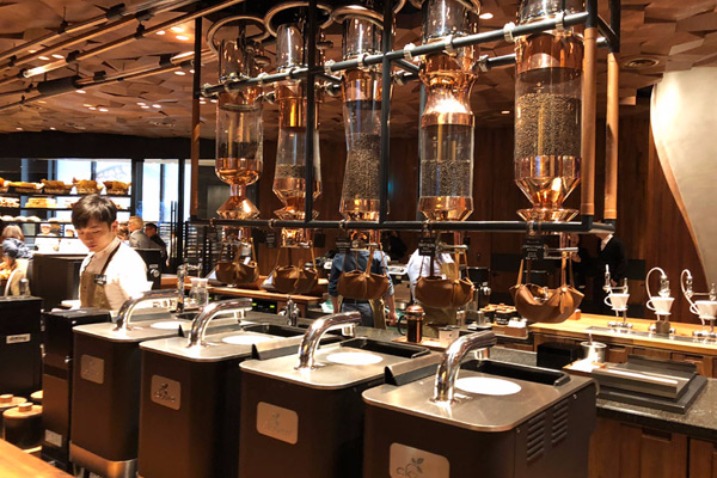
The Starbucks Reserve Roastery as a Flagship Anchor: A standout example of this innovative brand curation is the presence of the Starbucks Reserve Roastery, which made its China debut within HKRI Taikoo Hui. At the time of its opening, it was the only such Starbucks of its kind globally, apart from the original in Seattle, the company’s headquarters. This massive, immersive coffee destination is far more than a typical cafe; it is an elaborate theatrical experience, complete with an on-site roasting facility, multiple coffee bars, artisanal food offerings, and merchandise. The Starbucks Reserve Roastery serves as a powerful magnet, drawing significant foot traffic and generating considerable buzz, thereby enhancing the overall experiential appeal and prestige of HKRI Taikoo Hui. Its presence perfectly encapsulates the mall’s strategy of offering unique, engaging, and Instagrammable experiences that transcend traditional retail.
Data Supporting the Shift: Consumer Preferences and Market Dynamics
The financial projections for HKRI Taikoo Hui underscore the viability of this experiential retail model. HKR International anticipates the project to generate revenue equivalent to two-thirds of 11 total projects of similar size in 2018. This ambitious projection is rooted in a multi-pronged strategy: attracting innovative retail brands, fostering seamless interaction between online and offline channels, and leveraging big data analytics to gain deep insights into the preferences and habits of their target customers.
Beyond the specific figures, broader trends in Chinese consumer behavior support the shift towards experiential retail. As disposable incomes rise, particularly among the expanding middle class, spending priorities are evolving. While basic consumption remains important, there’s a growing demand for premium products, unique experiences, and lifestyle-enhancing services. Chinese consumers are increasingly sophisticated, well-traveled, and digitally savvy. They seek authenticity, personalization, and opportunities for social engagement in their shopping journeys. This cultural shift aligns perfectly with the "one-stop experience provider" model, where malls become social hubs, entertainment venues, and culinary destinations, not just places to buy goods.
The Omnichannel Imperative: Integrating Online and Offline
Victor Cha highlights the critical need for retailers to either "embrace this trend peacefully or be phased out." This means not only transforming physical spaces but also intelligently integrating them with digital platforms. The lines between online and offline are increasingly blurred, with many internet retailers like Alibaba and JD.com actively moving offline, opening physical stores, and leveraging their vast capital and big data resources. Alibaba’s Freshippo (Hema Supermarket) chain, for instance, exemplifies this integration, offering in-store shopping, restaurant services, and rapid online delivery from the same physical location, all powered by a robust digital ecosystem.
To remain competitive, traditional retail operators must adopt state-of-the-art technologies. This includes using big data to analyze customer preferences, personalizing marketing efforts, implementing smart logistics, and enhancing the in-store experience with digital tools (e.g., interactive displays, augmented reality applications, seamless mobile payment options). The goal is to create an omnichannel environment where consumers can fluidly move between online and offline touchpoints, enjoying consistent branding, service, and product availability regardless of the channel. HKRI Taikoo Hui’s strategy to foster interaction between online and offline and apply big data is a direct response to this imperative, aiming to understand and anticipate customer needs more effectively.
Industry Perspectives and Competitive Landscape
The insights from Qi Xiaozhai regarding brand homogeneity in Shanghai’s retail landscape resonate widely within the industry. Developers are under increasing pressure to differentiate their offerings in a highly competitive market. Major players like Swire Properties (known for its Taikoo Li and Taikoo Hui brands, including the joint venture with HKR for HKRI Taikoo Hui), CapitaLand, and Wanda Group are all investing heavily in creating unique, mixed-use developments that blend retail with entertainment, culture, and F&B. The success of these projects hinges on meticulous tenant curation, innovative design, and a deep understanding of local consumer trends. The ability to secure exclusive brands or create unique experiential zones is now a key differentiator, moving beyond mere square footage or location. Industry analysts generally agree that the future belongs to malls that can offer more than just shopping – those that become community anchors, lifestyle destinations, and cultural venues.
Beyond Retail: HKR’s Broader Real Estate Strategy
HKR International’s strategic vision extends beyond the immediate success of projects like HKRI Taikoo Hui. The company’s enduring commitment to mainland China is multifaceted, encompassing both commercial and residential sectors. Cha’s statement about the Chinese people generating "abundant wealth" and their "strong attachment in buying property" highlights the fundamental demand drivers for high-quality residential developments. The expanding middle class continues to seek improved living standards, including well-designed, amenity-rich homes. HKR International, with its four decades of experience in property development, is well-positioned to meet this demand, aligning its investment strategies with the central government’s policies and urbanization initiatives.
The company’s long-term outlook is optimistic, reflecting a belief in China’s sustained economic development and the continued evolution of its consumer market. By focusing on both commercial properties that provide experiential retail and high-quality residential properties that cater to aspirational living, HKR International aims to build resilient, diversified portfolios that contribute to urban development while generating sustainable returns.
In conclusion, the narrative of retail in China is one of dynamic evolution, not wholesale replacement. While e-commerce has undeniably carved out a significant share of the market, physical retail is far from obsolete. Instead, it is undergoing a profound transformation, spearheaded by visionary developers like HKR International. Projects such as HKRI Taikoo Hui exemplify this new paradigm, demonstrating that by embracing bespoke design, curated brand mixes, advanced technology, and a focus on unparalleled customer experiences, brick-and-mortar retail can not only coexist with but also thrive alongside its digital counterpart, offering a compelling vision for the future of urban commercial landscapes.

 Evan Lee Salim
 Suro Senen