Basiran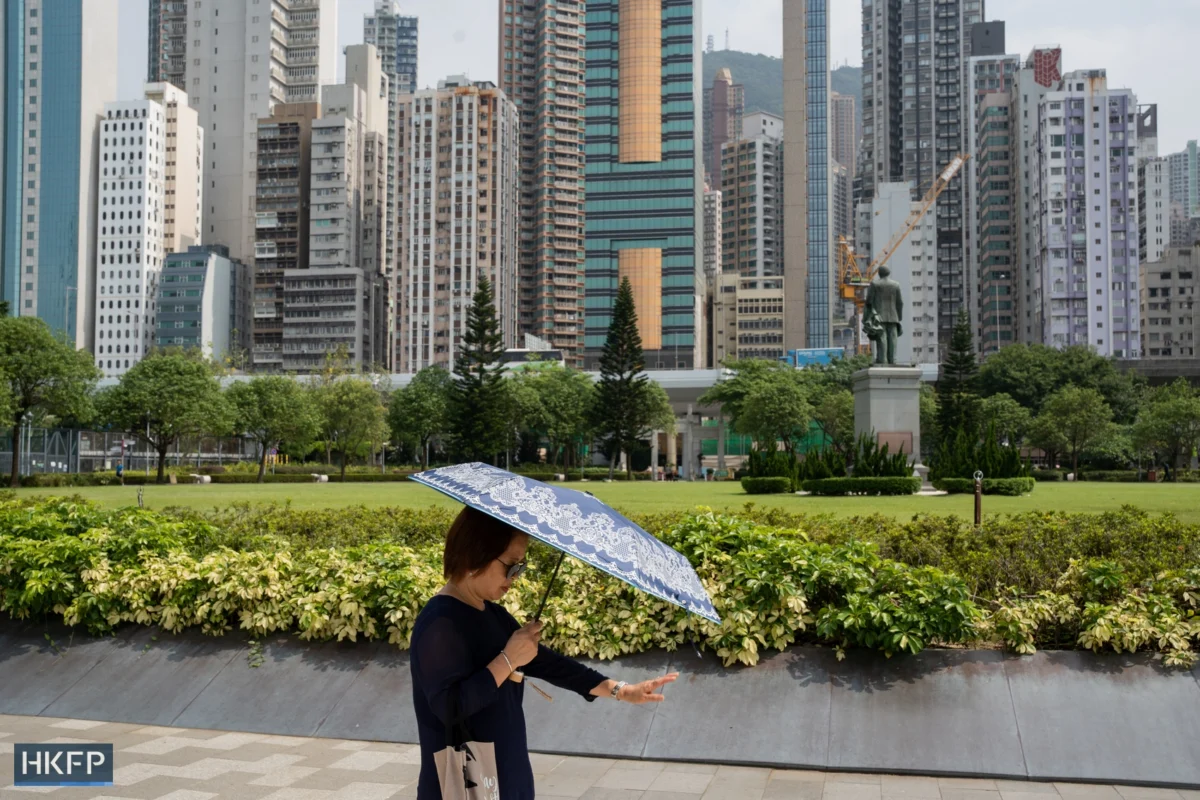
A recent comprehensive study conducted by the environmental NGO Greenpeace has revealed a stark vulnerability among Hong Kong’s senior population, with nearly two-fifths residing in districts identified as facing medium to high or high-extreme heat risks. This alarming finding underscores a critical public health challenge exacerbated by Hong Kong’s increasingly severe weather patterns, driven by climate change. The study meticulously evaluated heat risks across various districts by considering a confluence of factors, including day and night temperatures, the concentration of senior citizens within specific areas, and prevailing income levels.

The research pinpointed four districts as particularly high-risk: Kwun Tong, Kwai Tsing, Tuen Mun, and Wong Tai Sin. These areas share common characteristics that contribute to their elevated heat vulnerability. They are home to a significant number of older buildings, which often possess poorer insulation and ventilation compared to modern structures, trapping heat more effectively. Furthermore, these districts have a high concentration of low-income elderly residents, a demographic that often faces greater challenges in mitigating the effects of extreme heat due to limited access to air conditioning and other cooling resources. The study also highlighted that a considerable number of these vulnerable individuals live alone, increasing their isolation and reducing the likelihood of them receiving timely assistance during heatwaves.
Adding to the precarious situation in these high-risk districts is the inadequate provision of heat mitigation infrastructure. Greenpeace’s findings indicate that each of these four areas possesses only a single designated heat shelter. Critically, these shelters are often located at considerable distances from the residential areas where the majority of elderly residents live, rendering them inaccessible for many who may have mobility issues or lack transportation. The lack of easily accessible cooling centers during periods of extreme heat poses a direct threat to the health and well-being of these individuals. Compounding this issue is the scarcity of outdoor green spaces in these densely populated urban areas. Parks and tree-lined avenues can offer natural cooling effects and provide respite from scorching temperatures, but their absence in Kwun Tong, Kwai Tsing, Tuen Mun, and Wong Tai Sin further intensifies the urban heat island effect, making these districts even more susceptible to dangerously high temperatures.

The study’s heat map, developed by Greenpeace, provides a visual representation of these risks, illustrating that neighbourhoods with more extensive greenery and proximity to country parks generally exhibit the lowest heat risks. This correlation between green infrastructure and lower temperatures is a well-established phenomenon, as vegetation provides shade and releases moisture through evapotranspiration, thereby cooling the surrounding environment. On Hong Kong Island, areas like Shek O, The Peak, and Pok Fu Lam were identified as low-risk zones, largely due to their natural landscapes and country park access. In contrast, parts of Aberdeen and the Eastern District were flagged as higher-risk areas, suggesting a need for targeted interventions in these locations as well.
Escalating Extreme Weather Events
Hong Kong has experienced a significant escalation in extreme weather events in recent years, with summer temperatures consistently setting new records. This year’s summer was no exception, witnessing unprecedented heat levels. In August, the mercury in Sheung Shui soared to a staggering 39.8 degrees Celsius, a temperature that shattered previous records. On the same day, the official temperature recorded at the Hong Kong Observatory also reached an all-time historical high, signalling a worrying trend in the region’s climate.

This intensification of heat is not an isolated incident but is strongly linked to broader climatic shifts. In June, the Hong Kong Observatory issued a stark warning about the potential for more extreme weather in the coming year. This forecast was attributed to the prevailing effects of climate change and the anticipated arrival of a "super-strong El Niño event." El Niño, a natural climate pattern characterized by warmer-than-average sea surface temperatures in the central and eastern Pacific Ocean, can significantly influence global weather patterns, often leading to more extreme conditions, including prolonged heatwaves and altered rainfall patterns.
The long-term projections for Hong Kong’s climate are equally concerning. Ren Chao, a climate change expert affiliated with the University of Hong Kong’s architecture department and a collaborator on the Greenpeace study, has highlighted forecasts from the Hong Kong Observatory. These projections suggest a dramatic increase in the number of "hot nights" – nights where the minimum temperature remains at or above 28 degrees Celsius. By 2040, the number of such nights could potentially reach 80 or more annually, a substantial increase from the 54 hot nights recorded last year. This trend of increasingly warmer nights means less respite for residents, particularly those in densely populated urban areas and vulnerable elderly individuals, as their bodies struggle to recover from daytime heat.

Analysis of Vulnerability Factors
The Greenpeace study’s methodology, which incorporated factors beyond just temperature, provides a more nuanced understanding of heat vulnerability. The inclusion of income levels is particularly crucial. Lower-income households are less likely to afford or have access to essential cooling devices such as air conditioners. They may also live in older, less energy-efficient housing, which can trap heat and exacerbate indoor temperatures. This economic dimension of heat vulnerability is a significant concern in a city like Hong Kong, where housing affordability and living conditions can vary dramatically.
The concentration of senior citizens in specific districts is another critical factor. As individuals age, their bodies become less efficient at regulating temperature, making them more susceptible to heat-related illnesses such as heatstroke, dehydration, and exacerbation of pre-existing chronic conditions like cardiovascular and respiratory diseases. The social isolation often experienced by elderly individuals, particularly those living alone, further compounds this risk, as they may be less likely to seek help or be checked on during periods of extreme heat.

The study’s analysis of existing heat shelters also reveals a systemic gap in preparedness. The limited number and often inconvenient locations of these facilities in high-risk areas suggest a need for a more proactive and distributed approach to heatwave management. The current infrastructure appears insufficient to meet the needs of the most vulnerable populations during prolonged periods of intense heat.
Broader Implications and Recommendations
The implications of these findings are far-reaching, extending beyond immediate health concerns to encompass broader societal and governmental responsibilities. The increasing frequency and intensity of extreme heat events pose a significant threat to public health infrastructure, potentially leading to increased hospital admissions and strain on emergency services. Furthermore, prolonged heatwaves can impact productivity, strain energy grids due to increased demand for cooling, and affect the overall quality of life for residents.

In response to these pressing issues, climate change expert Ren Chao has emphasized the urgent need for government action. "Extreme heat risks vary across Hong Kong depending on neighbourhood planning," Ren stated. "The government must act early to identify high-risk areas and deliver immediate interventions." This call for proactive planning and intervention is echoed by Greenpeace, which has urged the government to address extreme heat risks in the upcoming Policy Address, a significant annual statement outlining the government’s agenda and policy initiatives.
Greenpeace has proposed several concrete measures for consideration. One key recommendation is the establishment of additional heat shelters, particularly in new developments such as the Northern Metropolis. This ambitious government infrastructure project, situated near Hong Kong’s border with mainland China, is expected to accommodate a significant population increase, and proactive planning for heat mitigation is essential to ensure the well-being of future residents, especially vulnerable groups.

The NGO further advocates for enhanced inter-departmental coordination to effectively identify high-risk areas. This would involve a robust data collection strategy, integrating population demographics, climate projections, and urban planning data. By understanding where and why certain populations are most at risk, authorities can tailor their response strategies more effectively. Moreover, Greenpeace stresses the importance of the Social Welfare Department collaborating with non-governmental organizations (NGOs) to conduct welfare checks on at-risk elderly individuals when hot weather warnings are in effect. This coordinated approach can ensure that those most vulnerable receive timely support and assistance, potentially preventing heat-related emergencies.
The study’s findings serve as a critical wake-up call for Hong Kong to adapt its urban planning and public health strategies to the realities of a changing climate. The vulnerability of its elderly population to extreme heat is a clear indicator that current measures are insufficient. A comprehensive and integrated approach, involving government agencies, community organizations, and climate experts, is necessary to safeguard the health and well-being of all residents in the face of escalating environmental challenges. The time for decisive action is now, before the next heatwave brings further hardship and potential tragedy.

 Suro Senen
 Muslim