Basiran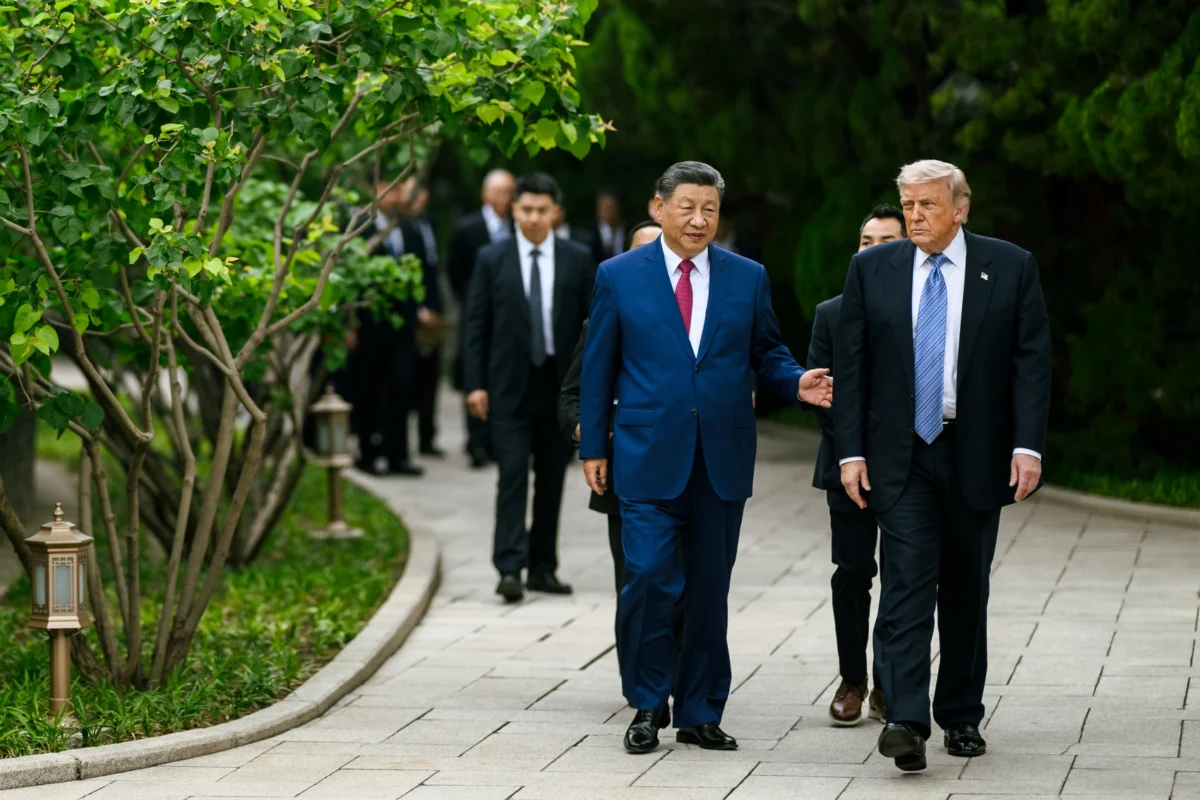
China voiced strong opposition to what it termed "illegal" United States sanctions targeting Iranian airlines, a stance articulated on Tuesday as the Trump administration intensifies its economic pressure campaign against Tehran. The condemnation from Beijing comes just days before a highly anticipated summit between US President Donald Trump and Chinese President Xi Jinping, signaling a potential point of friction in bilateral relations. The remarks from the Chinese foreign ministry underscore the complex geopolitical landscape surrounding the ongoing conflict between the United States and Iran, a conflict that has already significantly disrupted global energy markets.

The timing of China’s statement is particularly noteworthy, arriving as Treasury Secretary Steven Mnuchin, in a televised interview on Monday, declared that "all the Iranian airlines will be shut down around the world in a matter of days" under the weight of impending American sanctions. Mnuchin’s assertion painted a grim picture for Iran’s aviation sector, aiming to cripple its ability to conduct international commerce and further isolate the Islamic Republic economically. These measures are part of a broader strategy by the Trump administration to exert maximum pressure on Iran, following a significant escalation of hostilities that began in late February.
Escalation of Conflict and Economic Warfare
The current state of open conflict between the United States and Iran, though not a full-scale conventional war, marks a critical turning point in their decades-long adversarial relationship. The conflict ignited in late February with coordinated US-Israeli strikes that reportedly eliminated Iran’s supreme leader and senior military officials. This preemptive action was presented by the US as a necessary measure to neutralize an imminent threat, but it triggered a swift and severe retaliatory response from Tehran.

Iran’s immediate countermeasure involved the strategic blocking of the Strait of Hormuz, a critical chokepoint for global energy transit. This action sent shockwaves through international markets, causing a dramatic surge in global oil prices and raising concerns about widespread energy shortages. The blockade has been a significant factor in the ongoing instability in the Middle East, impacting economies far beyond the immediate region. The ensuing economic fallout has been substantial, with oil prices fluctuating wildly and supply chain disruptions becoming a persistent concern.
In response to Iran’s actions and as part of its "maximum pressure" campaign, the United States has progressively tightened its economic sanctions regime. This month, the Treasury Department announced sanctions targeting "all remaining Iranian airlines" that had not yet been subjected to such penalties. This move aims to sever any remaining lifelines for Iran’s aviation industry, further isolating it from the global financial system.

China’s Stance: Opposition to Unilateral Sanctions
Beijing, a key economic partner and diplomatic ally of Iran, has consistently opposed what it views as the extraterritorial reach of US sanctions. Foreign Ministry spokesman Guo Jiakun articulated China’s position clearly, stating, "China consistently opposes illegal unilateral sanctions that lack a basis in international law or authorization from the UN Security Council." This stance reflects China’s broader principle of respecting national sovereignty and opposing what it perceives as the United States’ use of economic coercion to achieve foreign policy objectives.
The Chinese government’s critique of US sanctions is not merely a rhetorical exercise. China has significant economic ties with Iran, including substantial energy imports and infrastructure investments. The imposition of sanctions on Iranian airlines, and potentially on entities that do business with them, could have indirect implications for Chinese companies and financial institutions. Beijing’s opposition also aligns with its broader geopolitical agenda, which often seeks to counter American global influence and promote a multipolar world order.

The "Economic D-Day" Strategy
Treasury Secretary Mnuchin’s pronouncements signal a determined effort by the Trump administration to implement a comprehensive economic blockade against Iran. He elaborated on the practical implications of these sanctions, stating, "If they land, you cannot provide them with fuel, you cannot provide them with landing services, you cannot sell them tickets or you will be knocked out of the dollar system." This threat highlights the far-reaching consequences of violating US sanctions, as it involves exclusion from the dominant global currency and financial system.
Mnuchin’s earlier vow to declare "economic D-Day" on Iran underscored the administration’s intent to deliver a decisive blow to the Iranian economy. This aggressive strategy aims to choke off Tehran’s financial resources, thereby limiting its capacity to fund its military activities, regional proxy groups, and domestic programs. The effectiveness of such a strategy, however, remains a subject of debate, with some analysts suggesting that it could inadvertently fuel further resentment and instability.

Preceding Diplomatic Engagements
Notably, Mnuchin’s remarks followed closely on the heels of his meeting with Chinese Vice Premier He Lifeng for economic talks. These discussions were intended to lay the groundwork for the upcoming summit between Presidents Trump and Xi. The juxtaposition of these events—a US official issuing threats against Iran and China’s staunch opposition, occurring just before high-level diplomatic engagement between the two global powers—underscores the intricate and often contradictory nature of international relations.
While the US-China summit is expected to address a range of bilateral issues, including trade and security, the ongoing tensions surrounding Iran and the effectiveness of sanctions will likely be an undercurrent in their discussions. China’s willingness to openly challenge US sanctions on Iran indicates a growing assertiveness in its foreign policy and a potential divergence of interests on key global issues.

Broader Implications for Global Trade and Diplomacy
The escalating US-Iran conflict and the accompanying sanctions regime have far-reaching implications for international trade, energy security, and diplomatic relations. The blocking of the Strait of Hormuz, for instance, not only impacts oil prices but also threatens maritime security for all nations transiting the waterway. This raises concerns for global shipping companies, insurers, and economies heavily reliant on imported energy.
China’s principled opposition to unilateral sanctions also highlights a growing global trend towards questioning the unilateral application of US economic power. Many nations advocate for multilateral solutions, working through international bodies like the United Nations Security Council, to address global security challenges. The US approach, characterized by broad secondary sanctions that can affect third-party countries, has often been met with criticism for undermining international norms and creating economic friction.

The approaching US-China summit presents an opportunity for both leaders to engage in frank discussions about these complex issues. While the immediate focus may be on managing bilateral trade disputes and navigating areas of strategic competition, the broader implications of the US-Iran conflict and the differing approaches to international sanctions will undoubtedly shape the future of global economic and political order. The world will be watching to see if these high-level dialogues can foster greater understanding or exacerbate existing geopolitical fault lines. The future trajectory of Iran’s economy and its standing in the international community will be heavily influenced by the interplay of these global powers and their respective economic and diplomatic strategies.

 Suro Senen
 Jia Lissa