 Neng Nana
Dongguan, Guangdong province – The recently concluded China (Dongguan) International Science and Technology Cooperation Week generated nearly 500 million yuan ($75.6 million) in science and technology transactions, marking a significant milestone in the city’s ongoing efforts to transition towards an innovation-driven economy. The three-day event, which wrapped up on Sunday, December 10, 2017, facilitated the signing of over 100 intentional agreements in various scientific and technological domains, according to the event organizers. This substantial influx of investment and collaboration underscores Dongguan’s growing prominence as a hub for technological advancement and international cooperation within the Pearl River Delta region.
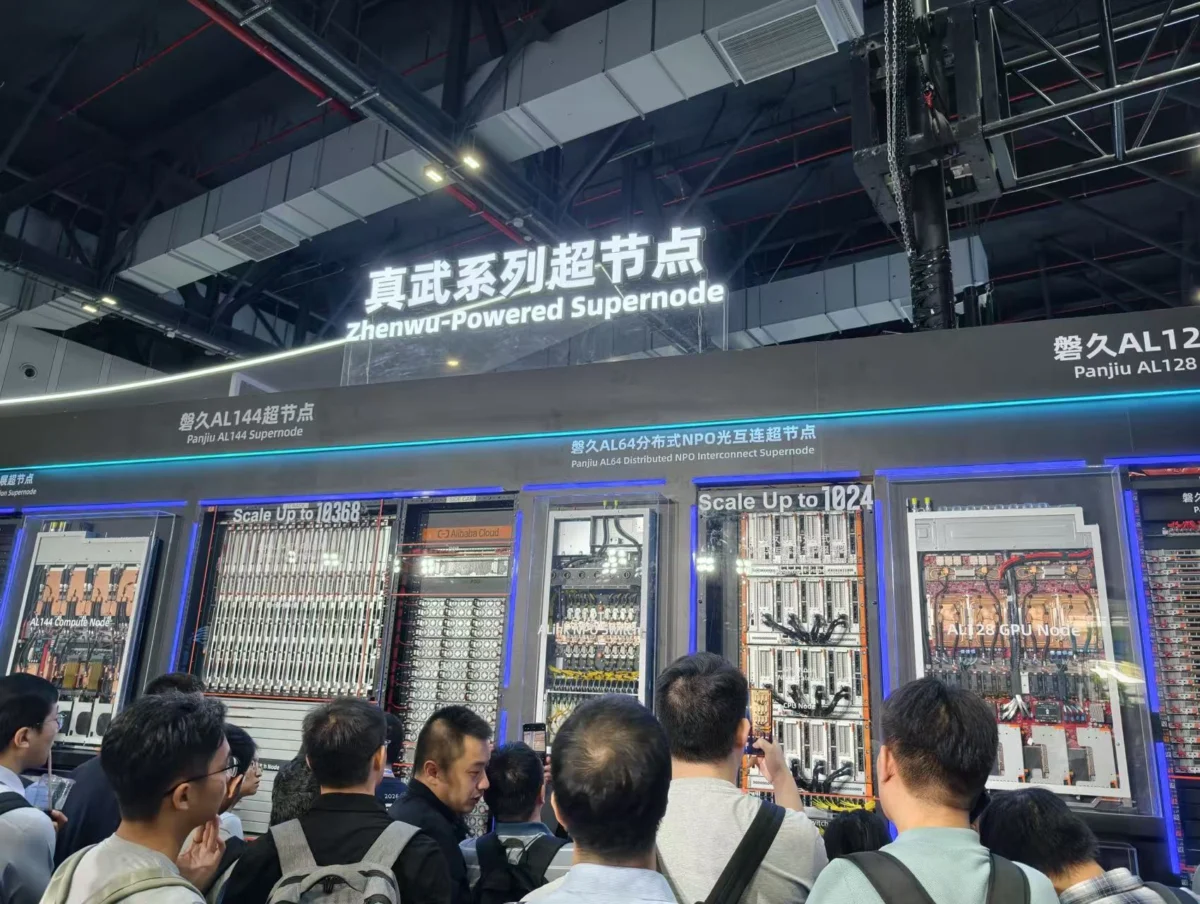
The annual gathering, a cornerstone of Dongguan’s innovation strategy since its inauguration in 2004, showcased a diverse array of new and innovative science and technology projects. Over 300 domestic and overseas research and development institutes participated, presenting cutting-edge solutions and fostering crucial dialogues among industry leaders, academics, and policymakers. The scale of participation and the volume of deals reflect the increasing global interest in China’s burgeoning tech landscape and Dongguan’s strategic position within it. The event serves as a critical platform for technology transfer, talent acquisition, and collaborative research, all vital components for sustained economic growth and industrial upgrading.
Dongguan’s Strategic Pivot Towards Innovation
Dongguan, historically renowned as the "world factory" due to its robust manufacturing and export-oriented economy, has been undergoing a profound industrial transformation over the past decade. Faced with rising labor costs, increased environmental regulations, and intense global competition, the city recognized the imperative to shift its economic model from relying on low-cost production to fostering high-value-added industries, innovation, and advanced manufacturing. This strategic pivot is not merely a local initiative but aligns perfectly with China’s national "innovation-driven development" strategy and the "Made in China 2025" blueprint, which aims to elevate the country’s manufacturing capabilities across key sectors.
Vice-Mayor Bai Tao emphasized this transformation during the event, stating, "Innovation in technology will help the city better improve its industrial structure." His remarks highlight the municipal government’s commitment to leveraging technological advancements as the primary engine for economic restructuring. This involves encouraging local enterprises to invest more in R&D, attracting high-tech companies and talent from both domestic and international markets, and creating an ecosystem conducive to innovation, entrepreneurship, and collaboration. The Science and Technology Cooperation Week is a tangible manifestation of this strategy, actively connecting local businesses with global research capabilities and investment opportunities.

A Legacy of Collaboration: The Event’s Evolution
The China (Dongguan) International Science and Technology Cooperation Week has evolved significantly since its inception in 2004. Initially conceived as a platform to facilitate technology exchange and industrial upgrading for Dongguan’s traditional manufacturing base, it has grown in scope and influence. Over the years, the event has transitioned from primarily showcasing mature technologies to actively fostering early-stage innovation, venture capital connections, and international partnerships. Its longevity and consistent growth underscore its success in adapting to the changing technological landscape and Dongguan’s evolving economic priorities.
Each year, the event attracts a wider array of participants, including leading universities, national research institutes, multinational corporations, and innovative startups. The increase in intentional agreements and transaction values over the years signifies a maturing ecosystem where ideas are not just discussed but actively translated into tangible collaborations and commercial ventures. This consistent upward trend reinforces the event’s role as a vital conduit for technological progress, not only for Dongguan but for the entire Pearl River Delta region. The 2017 edition, with its nearly 500 million yuan in deals, stands as a testament to the increasing efficacy of this platform in driving economic transformation.
Global Perspectives on China’s Tech Future
A highlight of the Cooperation Week was a forum dedicated to science and technology innovation, featuring prominent international figures. Among them was Robert F. Curl, the distinguished American chemist who was awarded the Nobel Prize in Chemistry in 1996 for his co-discovery of fullerenes. Curl shared his insightful views on China’s imperative to vigorously develop key frontier technologies, specifically citing artificial intelligence (AI), new energy, and biology. His presence and commentary underscored the global recognition of China’s burgeoning role in scientific research and technological innovation.
Curl articulated a clear vision, stating, "As a rising economy, China will play a major role in research and development of new technologies, which will, in turn, help upgrade its economy." This observation resonates deeply with China’s national strategic goals. The emphasis on AI, new energy, and biology is not arbitrary; these sectors are identified as crucial for future economic competitiveness, environmental sustainability, and societal well-being.
- Artificial Intelligence: China has made significant national commitments to becoming a global leader in AI by 2030, investing heavily in research, talent development, and application across various industries, from smart manufacturing to healthcare and autonomous vehicles.
- New Energy: With increasing concerns about climate change and energy security, China is a global frontrunner in renewable energy technologies, including solar, wind, and electric vehicles. Dongguan, with its industrial base, is strategically positioned to contribute to the manufacturing and deployment of these technologies.
- Biology/Biotechnology: This field holds immense potential for advancements in medicine, agriculture, and environmental protection. China is rapidly expanding its capabilities in genetic engineering, pharmaceuticals, and biomedical research, seeking to address both domestic health challenges and contribute to global scientific progress.
Curl’s endorsement serves as a powerful validation of China’s strategic direction in these critical technological areas and highlights the country’s potential to drive global innovation in the coming decades.

Broader Economic and Regional Implications
The success of the China (Dongguan) International Science and Technology Cooperation Week extends far beyond the immediate financial transactions. Its implications ripple through Dongguan’s economy, the broader Pearl River Delta, and China’s national innovation agenda.
Local Impact on Dongguan: The influx of technology deals and agreements provides a direct boost to Dongguan’s efforts to diversify its industrial base. It fosters the growth of high-tech manufacturing, R&D centers, and specialized services. This, in turn, creates higher-skilled employment opportunities, attracts and retains talent, and improves the overall quality of economic output. The event acts as a magnet, drawing venture capital and advanced technological expertise that might otherwise bypass a city traditionally associated with mass production. By incubating new projects and facilitating technology transfers, Dongguan aims to cultivate its own innovative enterprises and reduce reliance on external intellectual property.
Role in the Pearl River Delta and Greater Bay Area: Dongguan is a crucial component of the Pearl River Delta (PRD), one of China’s most economically dynamic regions. The PRD is increasingly being integrated into the Guangdong-Hong Kong-Macao Greater Bay Area (GBA) initiative, a national strategic plan to create a world-class city cluster comparable to the Bay Areas of San Francisco or Tokyo. Events like the Science and Technology Cooperation Week strengthen the innovation ecosystem within the GBA by promoting collaboration between Dongguan and its neighboring cities, including Shenzhen, Guangzhou, and Hong Kong, each with its unique strengths in technology, finance, and research. These collaborations are essential for building a globally competitive innovation corridor capable of generating breakthrough technologies and attracting top-tier talent.
Contribution to National Innovation Goals: The deals forged and technologies showcased at the Dongguan event contribute directly to China’s overarching goal of becoming an "innovation nation." By encouraging R&D, commercializing scientific breakthroughs, and fostering international partnerships, such regional initiatives are vital for enhancing China’s global competitiveness in science and technology. They help bridge the gap between academic research and industrial application, accelerating the pace of technological diffusion and economic upgrading across the country. The focus on AI, new energy, and biology at the event reflects a concerted national effort to prioritize strategic emerging industries that will define the future global economy.
Testimonials and Participant Perspectives (Inferred)
While specific testimonials from participants were not provided in the original snippet, it can be logically inferred that participating companies and research institutes derive significant value from such events. For domestic enterprises, it’s an opportunity to scout for advanced technologies, find collaborative partners for R&D, and access new markets. For international institutions and companies, it offers a gateway into the vast Chinese market, access to manufacturing capabilities, and potential for joint research ventures with well-funded Chinese counterparts. The sheer number of intentional agreements signed suggests a high degree of mutual interest and perceived benefit among the participants. Networking, knowledge exchange, and the potential for future contracts are primary drivers for attendance and engagement.

Looking Ahead: Sustaining the Momentum
The success of the 2017 China (Dongguan) International Science and Technology Cooperation Week underscores the city’s commitment to its innovation-driven transformation. However, sustaining this momentum requires continuous effort. Future challenges include attracting and retaining top-tier scientific and engineering talent, further improving intellectual property protection, and fostering a robust venture capital environment. The city must continue to invest in infrastructure that supports high-tech industries, create favorable policy frameworks, and promote a culture of innovation that permeates its entire economic fabric.
The significant volume of transactions and agreements achieved during the event serves as a strong indicator that Dongguan is on the right path. By consistently providing a platform for international and domestic collaboration in science and technology, Dongguan is not only reshaping its own economic destiny but also playing an increasingly vital role in China’s broader ambition to become a global leader in innovation and advanced industries. The enduring legacy of this Cooperation Week will be measured not just in the millions of yuan transacted, but in the long-term impact on Dongguan’s industrial structure, its contribution to the Pearl River Delta’s innovation ecosystem, and its support for China’s journey towards a truly innovation-driven economy.

 Evan Lee Salim
 Suro Senen