Lina Hope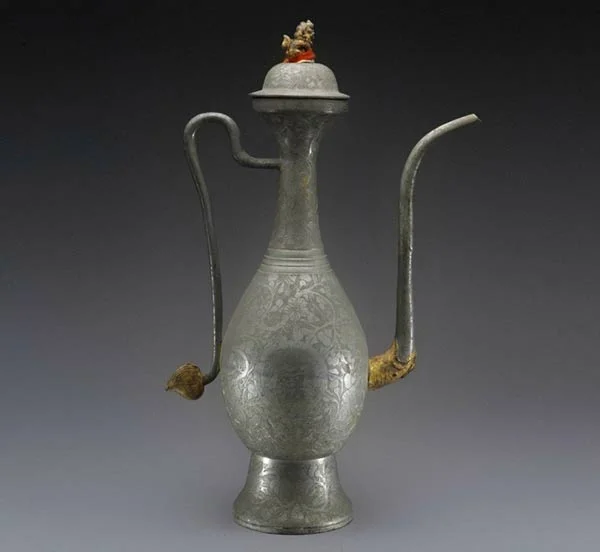
As the 21st solar term of the year, Major Snow (Daxue), dawns this Thursday, it ushers in a significant dip in temperatures and the promise of heavier snowfall, heralding the deep freeze of winter. This traditional observance, rooted in China’s agrarian past, signifies a pivotal shift in the climate, where nature prepares for its most dormant period. For many, this transition evokes a sense of quiet reflection and a yearning for warmth, often found in the simple pleasure of sipping warmed wine by a crackling fire. In a poignant celebration of this seasonal transition and the enduring cultural significance of winter rituals, the Palace Museum in Beijing has generously shared a captivating array of its prized collection of ancient wine vessels with netizens across the microblogging platform Sina Weibo. This digital exhibition offers a unique window into the sophisticated artistry and cultural practices of ancient China, connecting contemporary audiences with centuries-old traditions.
A Glimpse into Ancient Conviviality: The Art of Wine Vessels
The Palace Museum’s initiative to showcase its wine vessels on Sina Weibo is more than just a display of historical artifacts; it is a cultural bridge, inviting a global audience to appreciate the intricate craftsmanship and historical context of these ancient objects. The featured items span millennia, offering a tangible connection to the lives and customs of those who lived in China’s dynastic past. Among the notable categories highlighted are the gong and wine pots, each possessing distinct characteristics and historical importance.
The gong, an ancient vessel primarily used for holding wine, is distinguished by its frequent anthropomorphic or zoomorphic designs, often taking the form of animals. Its prominence stretches from the late Shang Dynasty (circa 16th century – 11th century BC) through to the early Western Zhou Dynasty (circa 11th century – 771 BC). These periods represent foundational eras in Chinese civilization, marked by the development of bronze casting and complex social structures. The gong‘s animalistic forms were not merely decorative; they often held symbolic meaning, reflecting beliefs about power, nature, and the spiritual world. The craftsmanship evident in these early bronze pieces speaks to a highly developed metallurgical technology, capable of producing intricate and durable vessels that have survived for thousands of years.
In contrast, the wine pot, a more broadly defined category of wine container, typically features a long neck, a substantial belly, and round feet, facilitating stability and ease of pouring. While the article specifically mentions a tin-made wine pot from the Qing Dynasty (1644-1911), the concept of wine pots predates this period by centuries, evolving in materials and design throughout various dynasties. The evolution of the wine pot reflects changing aesthetic preferences, advancements in material science, and shifts in social customs surrounding the consumption of alcohol.
The Palace Museum’s Digital Exhibition: A Timeline of Craftsmanship
The Palace Museum’s decision to unveil these treasures on Sina Weibo is a strategic move in engaging a contemporary audience, particularly younger demographics who are increasingly active on social media. By digitizing and disseminating images of these artifacts, the museum democratizes access to its vast collection, transcending the physical limitations of museum visits. This digital outreach aligns with global trends in cultural heritage preservation and public engagement.
Early Bronze Age: The Shang and Western Zhou Dynasties (c. 1600 BC – 771 BC)
During this formative period, the gong emerged as a significant ritualistic and ceremonial vessel. Crafted primarily from bronze, these vessels were often elaborately decorated with motifs that reflected the cosmology and belief systems of the time. The intricate casting techniques employed by Shang and Zhou artisans are a testament to their advanced technological prowess. These pieces were not just utilitarian; they were imbued with social and political significance, used in important ceremonies and likely possessed by the ruling elite. Archaeological discoveries from this era have unearthed numerous such vessels, providing invaluable insights into the ritualistic practices and artistic achievements of these early Chinese dynasties. The symbolic representations on these gong vessels, such as depictions of mythical creatures or real animals like dragons, phoenixes, and owls, offer clues about their religious and cultural interpretations. For instance, the dragon motif was often associated with imperial power and good fortune, while owls could symbolize wisdom or even death in certain contexts.
Later Dynasties: Evolution in Materials and Design
While the gong was particularly prevalent in the earlier dynasties, the tradition of crafting sophisticated wine vessels continued and evolved. The article specifically highlights a tin-made wine pot from the Qing Dynasty (1644-1911). The Qing Dynasty, the last imperial dynasty of China, witnessed a flourishing of arts and crafts, with a particular emphasis on exquisite metalwork. Tin, while perhaps less commonly associated with high-status ritual vessels compared to bronze or jade in earlier periods, could have been employed for its malleability and resistance to corrosion, offering a different aesthetic and functional profile. The Qing Dynasty also saw a continued production of ceramics and other materials for wine vessels, reflecting a rich and diverse material culture.
The selection of a tin wine pot from the Qing Dynasty suggests a focus on the practicality and everyday use of such vessels, alongside the more ceremonial pieces. Tin can be easily cast and shaped, allowing for a variety of forms. The Qing court was known for its appreciation of both elaborate artistry and functional elegance, and the wine vessels produced during this era often reflect this duality. The specific design of the tin wine pot, with its likely long neck for controlled pouring and a substantial belly to hold a good volume of wine, points to its intended use in social gatherings and private enjoyment.
Supporting Data: The Cultural Significance of Wine in Ancient China
Wine, or jiu (酒) in Chinese, has played a multifaceted role in Chinese society for millennia, extending far beyond simple consumption. It has been integral to religious rituals, social ceremonies, diplomatic exchanges, and personal solace. The existence of such a diverse and elaborate array of wine vessels in the Palace Museum’s collection underscores the deep-seated cultural importance of wine.
- Ritual and Sacrifice: In ancient China, wine was a vital component of sacrificial offerings to ancestors and deities. The quality and quantity of wine offered were seen as reflecting the sincerity and respect of the supplicant. Bronze wine vessels, particularly those from the Shang and Zhou dynasties, were often found in tombs and at ritual sites, indicating their crucial role in these ceremonies.
- Social and Political Lubricant: Wine facilitated social bonding and solidified relationships. Feasts and banquets were common occasions where wine flowed freely, fostering camaraderie and strengthening alliances. In diplomatic contexts, the sharing of wine could signify trust and goodwill between different states or factions.
- Artistic and Literary Inspiration: Wine has been a recurring theme in Chinese poetry, painting, and literature. Many famous scholars and poets throughout history celebrated the pleasures of wine, often associating it with inspiration, creativity, and philosophical contemplation. The act of drinking wine was frequently depicted in art, further cementing its cultural presence.
- Health and Medicinal Properties: While not always the primary purpose, certain types of fermented beverages were also believed to possess medicinal properties and were sometimes used in traditional Chinese medicine.
The presence of specialized vessels like the gong and various forms of wine pots signifies a societal appreciation for the ritual and aesthetic aspects of drinking. These were not mere containers; they were often works of art in themselves, crafted with meticulous attention to detail and symbolism. The evolution of these vessels over centuries mirrors the broader development of Chinese material culture, technological advancements, and changing social customs.
Broader Impact and Implications: Preserving Heritage in the Digital Age
The Palace Museum’s engagement on Sina Weibo signifies a forward-thinking approach to cultural heritage dissemination. In an era where digital platforms dominate information consumption, museums are increasingly leveraging these channels to reach wider audiences and foster greater public interest in their collections.
- Increased Accessibility: The digital exhibition makes these historical artifacts accessible to anyone with an internet connection, regardless of their geographical location. This democratization of cultural access is crucial for global education and appreciation of China’s rich history.
- Educational Outreach: By providing context and historical background to the wine vessels, the Palace Museum educates the public about ancient Chinese culture, craftsmanship, and social practices. This can spark curiosity and encourage further learning.
- Preservation and Documentation: Digitizing artifacts is also a vital aspect of preservation. High-quality images and detailed descriptions serve as valuable records, especially in the event of unforeseen damage or loss of the physical objects.
- Engaging Younger Generations: Social media platforms like Sina Weibo are primary communication channels for younger demographics. By presenting historical content in an engaging and accessible format, the Palace Museum can cultivate an interest in history and cultural heritage among a new generation.
The choice to coincide this digital unveiling with the Major Snow solar term adds a layer of cultural resonance. It connects the abstract beauty of ancient artifacts with the tangible experience of winter, a season deeply ingrained in Chinese tradition and often associated with introspection and shared warmth. This timely presentation allows the public to reflect on how these historical vessels were used to bring comfort and conviviality during similar cold seasons centuries ago.
Conclusion: A Legacy of Craftsmanship and Culture
The Palace Museum’s digital exhibition of ancient wine vessels on Sina Weibo is a commendable effort to bridge the past and the present. As the Major Snow solar term blankets the land in winter’s embrace, these exquisite artifacts serve as a reminder of the enduring human desire for connection, celebration, and the appreciation of beauty, even in the coldest of times. The gong and wine pots, silent witnesses to millennia of Chinese history, continue to speak volumes about the artistry, rituals, and social fabric of bygone eras, offering a profound glimpse into a legacy that continues to inspire and inform. The initiative not only celebrates the arrival of winter but also ensures that these invaluable pieces of cultural heritage are not only preserved but also actively shared and appreciated by a global audience in the digital age.

 Asep Darmawan
 Rifan Muazin