Pevita Pearce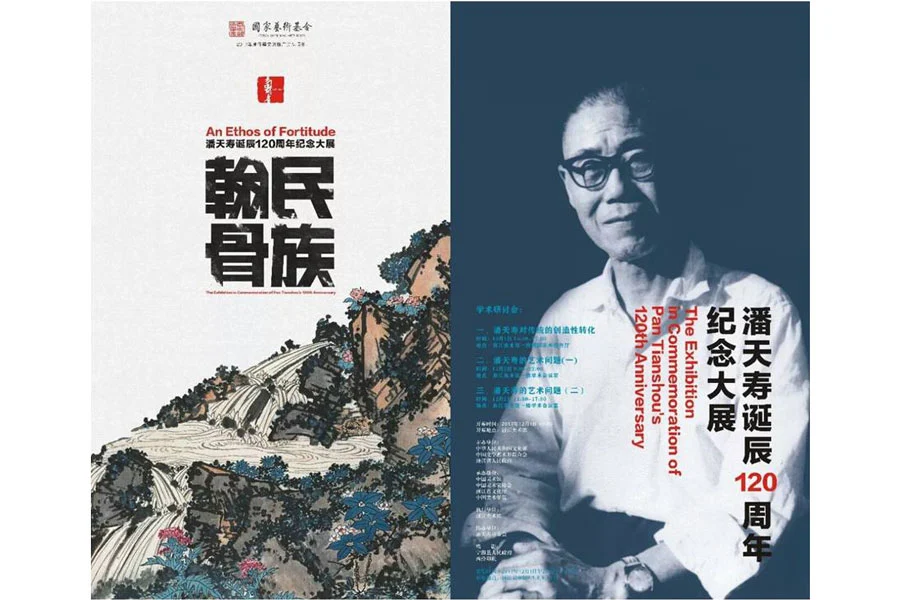
Hangzhou, China – The Zhejiang Art Museum in Hangzhou, the vibrant capital of East China’s Zhejiang province, has become the focal point for a monumental artistic tribute, unveiling An Ethos of Fortitude – The Exhibition in Commemoration of Pan Tianshou’s 120th Anniversary. This landmark exhibition, which commenced its run on Friday, stands as the most comprehensive presentation of Pan Tianshou’s profound legacy to date, featuring an impressive collection exceeding 120 meticulously curated artworks and invaluable manuscripts. The event is a significant cultural moment, drawing art enthusiasts, scholars, and the general public to engage with the life and unparalleled artistic achievements of one of the 20th century’s most influential figures in Chinese art and education.
Pan Tianshou, a titan of modern Chinese painting and a pivotal figure in art education, was born in the very province that now hosts this grand retrospective. His formative years were spent absorbing the rich artistic traditions of his homeland, a foundation upon which he would build a revolutionary approach to traditional Chinese art. His distinguished career saw him ascend to prominent leadership roles, including serving as the president of the Zhejiang Academy of Fine Arts, an institution that would later evolve into the prestigious China Academy of Art. Furthermore, his influence extended nationally as he held the vice-presidency of the China Artists Association, a testament to his widespread recognition and impact on the contemporary art landscape. His commitment to artistic excellence and preservation was also evident in his role as vice-president of the Xiling Seal Engravers Society, an esteemed organization dedicated to the art of seal carving.
A Legacy Forged in Resilience and Innovation
The exhibition meticulously traces Pan Tianshou’s artistic journey, showcasing his mastery of traditional Chinese ink wash painting, particularly his distinctive style characterized by bold brushwork, monumental compositions, and a profound understanding of natural forms. His iconic works often feature subjects such as eagles, tigers, flowers, and rocks, rendered with a powerful vitality that seems to leap off the canvas. This exhibition provides an unprecedented opportunity to witness the evolution of his style, from his early explorations to the mature, iconic works that define his artistic signature.
Beyond his individual artistic prowess, Pan Tianshou was a visionary educator who profoundly shaped the trajectory of art education in China. During a period of immense social and political upheaval, he championed the preservation and innovation of traditional Chinese art, advocating for a curriculum that balanced rigorous classical training with contemporary relevance. His tenure at the Zhejiang Academy of Fine Arts was marked by a commitment to fostering a new generation of artists who could inherit and adapt the rich artistic heritage of China to the modern era. The inclusion of his manuscripts and personal writings within the exhibition offers a rare glimpse into his pedagogical philosophies, his critiques of artistic trends, and his deep reflections on the role of art in society. These documents are not merely historical artifacts; they are windows into the mind of a man who was as dedicated to shaping artistic thought as he was to creating art.
The Significance of the Exhibition
The sheer scale of An Ethos of Fortitude underscores its importance. Over 120 pieces, a significant portion of Pan Tianshou’s oeuvre, have been gathered from various collections, many of which are rarely seen by the public. This comprehensive display allows for a holistic appreciation of his artistic output, encompassing not only his most celebrated paintings but also his sketches, calligraphy, and personal correspondence. The exhibition’s title, "An Ethos of Fortitude," itself speaks volumes about the artist’s character and artistic philosophy. Pan Tianshou lived through tumultuous times in China, and his art often embodies a spirit of resilience, strength, and unwavering dedication to his artistic principles. This exhibition aims to illuminate this enduring spirit, demonstrating how his art served as both a personal refuge and a powerful statement of cultural identity.
The choice of Hangzhou as the venue is particularly poignant. As Pan Tianshou’s birthplace and the site of his significant academic contributions, Zhejiang province holds a deep connection to his life and work. The Zhejiang Art Museum, a leading cultural institution in the region, provides an ideal setting for such a grand retrospective, offering state-of-the-art facilities and a commitment to promoting Chinese art and culture. The museum’s efforts in organizing and hosting this exhibition represent a significant investment in cultural heritage and a commitment to making Pan Tianshou’s legacy accessible to a wider audience.
Contextualizing Pan Tianshou’s Impact
To fully appreciate the scope of this exhibition, it is essential to understand Pan Tianshou’s place within the broader context of 20th-century Chinese art. The early to mid-20th century was a period of profound transformation for China, marked by the fall of the imperial dynasty, the establishment of the Republic, and subsequent periods of civil war and revolution. This era witnessed a vigorous debate about the future of Chinese culture and art, with many artists and intellectuals grappling with how to reconcile traditional aesthetics with the influences of Western art and the demands of modernization.
Pan Tianshou emerged as a leading voice in this discourse. While some artists embraced radical Westernization, Pan remained a staunch advocate for the preservation and evolution of traditional Chinese painting. However, his approach was far from stagnant. He believed that tradition was not a static entity but a living force that needed to be reinterpreted and infused with new vitality to remain relevant. His innovative use of space, his bold compositions, and his powerful rendering of natural forms pushed the boundaries of traditional aesthetics, earning him both admiration and, at times, criticism from those who favored more radical departures from established norms. His work, therefore, represents a crucial bridge between the ancient traditions of Chinese art and the modern artistic sensibilities of the 20th century.
A Chronology of Influence
Pan Tianshou’s life, from his birth in 1897 to his death in 1971, spanned a period of immense historical change in China. This timeline highlights key moments that shaped his career and artistic vision:
- 1897: Born in Ninghai County, Zhejiang Province. His early life was steeped in traditional Chinese culture and education.
- Early 1910s: Begins formal studies in painting, laying the groundwork for his artistic career.
- 1920s: Becomes actively involved in the art scene in Shanghai, a burgeoning center for modern Chinese culture. He begins to develop his distinctive style, drawing inspiration from classical masters while forging his own path.
- 1928: Appointed as a professor at the National Art School (later the Zhejiang Academy of Fine Arts) in Hangzhou. This marks the beginning of his significant career in art education.
- 1930s: His reputation as a painter and educator grows. He begins to hold significant leadership positions within art organizations, advocating for the development of Chinese art.
- 1940s: Continues to teach and paint amidst the turmoil of World War II and the subsequent civil war. His art often reflects a sense of resilience and contemplation during these challenging times.
- 1949: Following the establishment of the People’s Republic of China, Pan Tianshou continues his academic and artistic pursuits. He serves in prominent roles, contributing to the organization and development of the nation’s art institutions.
- 1950s-1960s: Holds key leadership positions, including president of the Zhejiang Academy of Fine Arts and vice-president of the China Artists Association. He plays a vital role in shaping art education policies and promoting traditional Chinese art.
- 1971: Passes away, leaving behind a profound and enduring legacy that continues to inspire artists and art lovers.
Supporting Data and Scholarly Perspectives
The exhibition is supported by extensive scholarly research, with accompanying catalogues and critical essays providing in-depth analysis of Pan Tianshou’s artistic techniques, thematic concerns, and historical significance. These resources often highlight statistical data related to the exhibition itself, such as the provenance of the artworks, the number of visitors anticipated, and the duration of the exhibition, which is typically several weeks or months to allow for widespread public engagement.
Art historians often point to specific aspects of Pan Tianshou’s work that distinguish him. For instance, his innovative use of negative space, or "emptiness," is frequently cited as a key element of his genius. This space is not merely void but an active participant in the composition, creating a sense of balance, depth, and spiritual resonance. Furthermore, his bold, almost sculptural rendering of natural elements like rocks and trees has been interpreted as a metaphor for the strength and endurance of the Chinese spirit, particularly in the face of adversity. The exhibition’s focus on his 120th anniversary provides a timely opportunity for scholars to re-examine his oeuvre through contemporary lenses, exploring his relevance in today’s globalized art world.
Reactions and Broader Implications
While direct quotes from related parties were not provided in the initial information, the organization of such a large-scale exhibition typically involves the coordinated efforts of museum directors, curators, art historians, and potentially descendants or foundations dedicated to preserving the artist’s legacy. The enthusiasm and dedication of these individuals are implicitly reflected in the successful launch of the event. Museum directors often express their commitment to showcasing significant cultural figures, aiming to educate and inspire the public. Curators, in turn, speak to the meticulous process of selecting and displaying artworks to create a coherent and impactful narrative.
The implications of An Ethos of Fortitude extend beyond the immediate appreciation of art. Such exhibitions serve as vital platforms for cultural diplomacy, fostering understanding and appreciation for Chinese artistic heritage on both national and international levels. They contribute to the ongoing discourse surrounding the preservation and evolution of traditional art forms in a rapidly modernizing world. By highlighting Pan Tianshou’s commitment to both tradition and innovation, the exhibition encourages a nuanced understanding of cultural identity, demonstrating that heritage can be a source of strength and inspiration for contemporary creative expression.
Moreover, the exhibition’s success can be measured by its potential to inspire a new generation of artists and art students. By providing direct access to the masterworks of Pan Tianshou, it offers invaluable lessons in technique, composition, and artistic philosophy. The enduring power of his art, characterized by its "ethos of fortitude," continues to resonate, offering timeless insights into the human condition and the profound connection between art, nature, and the spirit. The Zhejiang Art Museum’s commitment to this retrospective solidifies Pan Tianshou’s place as a national treasure and a pivotal figure in the ongoing narrative of Chinese art history.

 Asep Darmawan
 Rifan Muazin