Ammar Sabilarrohman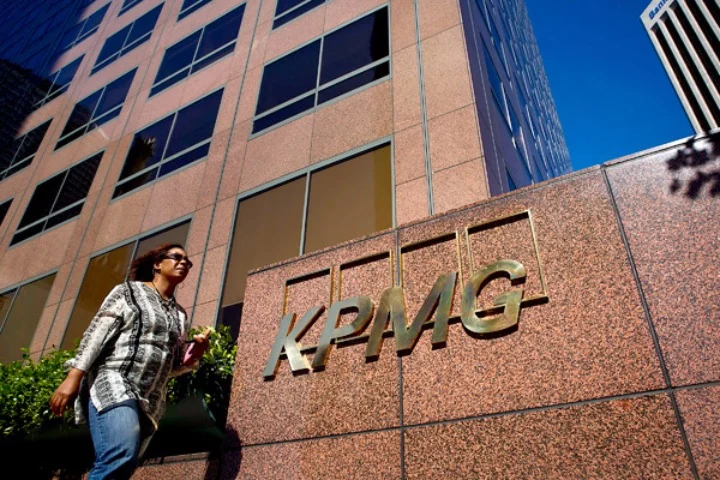
Hong Kong, a long-established bastion of global finance, is projected to relinquish its esteemed position as the world’s premier destination for initial public offerings (IPOs) for the year 2017, marking an end to its two-year reign at the top. Despite a commendable surge in the sheer number of companies choosing to list on its exchange, the aggregate value of these offerings has experienced a significant downturn, signaling a crucial shift in the dynamics of the global capital markets. This development, highlighted in a comprehensive report by the global accounting firm KPMG, places Hong Kong in the fourth position globally, trailing behind the robust performances of New York, Shanghai, and London.
The Shifting Sands of Global IPO Leadership
The year 2017 presented a paradoxical scenario for the Hong Kong Stock Exchange (HKEX). While the financial hub is anticipated to set a new record with approximately 160 IPOs by year-end – a testament to its enduring appeal and efficient listing mechanisms – the total capital raised from these listings is expected to fall sharply. KPMG’s analysis forecasts a plunge of one-third in fundraising value, from HK$195 billion ($25 billion) in 2016 to an estimated HK$130 billion ($16.6 billion) in 2017. This figure represents the lowest fundraising total for Hong Kong since 2012, underscoring the severity of the decline in deal size despite the volume uptick.
This dip contrasts sharply with Hong Kong’s recent history of IPO dominance. In both 2015 and 2016, the city proudly held the global crown for IPO fundraising, attracting a slew of major listings, particularly from mainland Chinese financial institutions. This consistent leadership solidified Hong Kong’s reputation as a vital gateway for Chinese enterprises seeking international capital and a preferred venue for global investors looking to access the burgeoning Chinese market. The 2017 performance, therefore, marks a notable inflection point, prompting a re-evaluation of the factors influencing global IPO flows and Hong Kong’s competitive standing.
Globally, 2017 was largely perceived as a strong year for IPOs, driven by improving economic sentiment, robust equity markets, and a growing appetite for technology and growth-oriented companies. According to various market reports, global IPO proceeds were on track to reach multi-year highs, with a significant portion of activity concentrated in the technology and healthcare sectors across major exchanges. The overall positive global backdrop makes Hong Kong’s specific decline in fundraising value even more conspicuous, suggesting unique pressures or shifts within its market.
A Deeper Dive into Hong Kong’s Performance Metrics
The primary driver behind Hong Kong’s fall from the top spot was the absence of the mega-sized "blockbuster" listings that had characterized previous years. The amounts raised by the top 10 newly listed companies in Hong Kong are projected to experience a substantial contraction, plummeting by 45.5 percent from HK$148.2 billion in 2016 to an estimated HK$80.8 billion in 2017.
To illustrate this trend, 2016 witnessed the monumental listing of Postal Savings Bank of China, which alone raised a staggering HK$59.2 billion ($7.6 billion), a deal that significantly bolstered Hong Kong’s overall fundraising total for that year. In contrast, 2017’s largest offering, Guotai Junan Securities, managed to raise HK$17.2 billion ($2.2 billion). While a substantial sum, it was dwarfed by its predecessor, highlighting a marked shift away from the prevalence of multi-billion-dollar listings. This disparity underscores a change in the composition of companies seeking to go public in Hong Kong, moving towards a higher volume of smaller to medium-sized enterprises rather than a few colossal offerings.
The Rise of the "New Economy" – A Strategic Pivot
Despite the setback in overall fundraising value, KPMG’s report, particularly through the insights of Maggie Lee, Hong Kong-based head of capital markets development group at KPMG China, points to a silver lining and a significant strategic pivot for the HKEX. The market is embracing a long-awaited shift in the primary contributors to its IPO landscape, moving away from traditional financial services firms towards highly sought-after "new economy" companies.
Historically, Hong Kong’s IPO market has been heavily dominated by listings from the financial services sector, largely driven by major Chinese banks, insurers, and brokerage firms. In 2016, for instance, an overwhelming nine out of the top 10 flotations originated from this sector, reflecting Hong Kong’s role as a financial gateway to mainland China. While this provided robust listing activity, it also created a concentration risk and potentially limited the market’s appeal to a broader spectrum of global investors seeking diversification into high-growth industries.
"This year, the Hong Kong market has been transforming, with four ‘new economy’ firms making their entry into the territory’s top 10 largest IPOs," Lee noted. This transition is seen not merely as a change in sectoral representation but as a fundamental reorientation of Hong Kong’s market identity. "New economy" companies, typically characterized by their innovative business models, reliance on technology, high growth potential, and often asset-light structures, represent the vanguard of global economic development. Attracting such firms is crucial for any exchange aspiring to remain competitive and relevant in the modern financial landscape.
The year 2017 saw several headline-making "new economy" listings that provided a significant boost to the HKEX and signaled this strategic shift. Prominent among these was China Literature, the online publishing arm backed by mainland technology behemoth Tencent. Its IPO was dubbed one of the city’s hottest and most profitable in over a decade, attracting immense investor interest and demonstrating the strong demand for innovative tech-driven businesses. Other notable "new economy" entrants included ZhongAn Online P&C Insurance, China’s first online-only insurer, showcasing the fusion of finance and technology (fintech); Yixin Group Ltd, an online auto finance transaction platform also linked to Tencent; and Razer, the global lifestyle brand for gamers, which brought a unique consumer technology play to the market. These successful listings not only generated significant capital but also served as powerful precedents, paving the way for other promising tech startups and digital enterprises to consider Hong Kong as their preferred listing venue.
KPMG’s Perspective and Expert Commentary
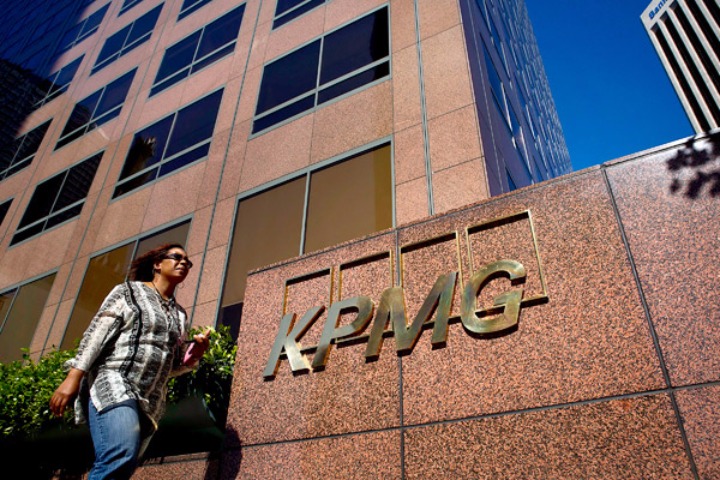
KPMG’s analysis suggests that 2017 should be viewed as a transitional year for Hong Kong’s IPO market rather than a definitive decline. The groundwork laid by these pioneering "new economy" listings is expected to yield substantial dividends in the coming years. Maggie Lee articulated this optimistic outlook, believing that "over the coming few years, the Hong Kong market will continue to gain momentum from the burgeoning appetite for ‘new economy’ companies."
This sentiment is echoed by broader market observers and industry analysts who recognize the global trend towards valuing innovation and technology. Exchange officials in Hong Kong, while acknowledging the competitive pressures, have consistently emphasized the market’s resilience and its proactive efforts to adapt. Discussions around potential reforms to listing rules, such as the introduction of weighted voting rights (WVR) or dual-class share structures, which were actively debated around 2017-2018, underscored HKEX’s commitment to attracting pre-profit biotechnology companies and innovative technology firms, particularly those with founder-led structures common in the tech sector. These proposed changes, which eventually materialized in 2018, were designed to make Hong Kong more attractive to tech giants that traditionally favored exchanges with more flexible governance structures like NASDAQ.
Shanghai’s Ascendance and the Mainland Factor
While Hong Kong navigated its transitional phase, the Shanghai Stock Exchange (SSE) demonstrated remarkable strength in 2017, emerging as a formidable contender on the global IPO stage. KPMG’s report projected the SSE to rank as the worldwide venue of choice for companies undertaking IPOs, second only to the New York Stock Exchange, with the total value of listings hovering at an impressive HK$154 billion ($19.7 billion).
Shanghai’s robust performance reflects the continuous maturation and internationalization of mainland China’s capital markets. Supported by government policies aimed at deepening financial reforms and facilitating domestic fundraising, the SSE has become an increasingly attractive option for a vast number of Chinese enterprises. This growth is also indicative of the immense scale of China’s domestic economy, which provides a large pool of companies seeking public capital and a growing base of domestic investors. While Hong Kong has traditionally served as the primary offshore listing platform for Chinese companies, Shanghai’s rise suggests that more enterprises are now finding sufficient capital and liquidity within the mainland’s own exchanges. The New York Stock Exchange (NYSE) and NASDAQ, collectively, maintained their dominant positions globally, attracting major technology and growth companies from around the world, including a significant number of Chinese firms. London also performed strongly, benefiting from a mix of domestic and international listings, securing its position ahead of Hong Kong in 2017.
Broader Global IPO Landscape in 2017
The global IPO market in 2017 saw a general uptick in activity, driven by a confluence of factors including improving global economic growth, stable interest rates, and a surge in technology-related innovation. According to various financial data providers, global IPO proceeds increased significantly compared to 2016, with North America and Asia-Pacific leading the charge. Technology, healthcare, and industrials were key sectors contributing to this growth. The global landscape was marked by heightened investor confidence, a willingness to back growth stories, and a general shift of capital towards innovative business models. The overall global market supported higher valuations for companies, making public listings an attractive exit or fundraising strategy.
Implications for Hong Kong’s Future Competitiveness
The 2017 IPO figures, coupled with the shift towards "new economy" listings, carry significant implications for Hong Kong’s long-term financial competitiveness. Losing the top IPO spot, even if temporary, prompts a deeper examination of its strategic positioning. The increasing strength of mainland exchanges like Shanghai and Shenzhen presents a direct competitive challenge, particularly for larger Chinese companies that might now find sufficient scale and liquidity onshore.
However, Hong Kong’s advantage continues to lie in its robust regulatory framework, its free flow of capital, international investor base, and its unique position as a bridge between mainland China and the rest of the world. The pivot towards "new economy" companies is not just a trend but a strategic imperative. To maintain its status as a leading international financial center, Hong Kong must continue to diversify its market beyond traditional sectors and actively attract innovative companies from a wider geographical and industrial base. The discussions and eventual reforms regarding listing rules were a direct response to this need, aimed at ensuring Hong Kong remained an attractive venue for companies with non-traditional corporate structures, particularly prevalent in the tech sector. This proactive adaptation is crucial for its sustained relevance in a rapidly evolving global financial landscape. The ability to attract companies like Tencent-backed entities and global tech brands signifies Hong Kong’s potential to carve out a niche as a specialized hub for certain types of growth companies, especially those with an Asia-Pacific focus or seeking an international investor base.
Looking Ahead: KPMG’s Optimistic Outlook for 2018
Despite the challenges of 2017, KPMG expresses high hopes for Hong Kong’s IPO market in the subsequent year. The accounting firm places significant confidence in the local bourse to attract approximately 160 offerings in 2018, matching the record volume of 2017. More importantly, KPMG projects a substantial rebound in fundraising value, anticipating total funds raised to be no less than HK$200 billion ($25.6 billion) next year.
This optimistic forecast is predicated on several factors. The continued momentum generated by the "new economy" listings is expected to attract more similar companies. A more stable global economic environment and sustained investor confidence could also contribute to larger deal sizes. Furthermore, the anticipated regulatory reforms by the HKEX to make listing rules more accommodating for innovative and pre-profit companies were expected to bear fruit, potentially drawing in more high-growth enterprises that might have previously opted for other exchanges. The pipeline of potential listings, particularly from mainland Chinese technology and healthcare sectors, remained robust, suggesting a strong recovery in fundraising activity for the HKEX.
Conclusion
The year 2017 marked a pivotal moment for Hong Kong’s IPO market. While the city ceded its top global ranking in fundraising value, it simultaneously embarked on a crucial transformation, shifting its focus from traditional sectors to the dynamic and high-growth "new economy." This strategic pivot, exemplified by the successful listings of companies like China Literature and Razer, indicates Hong Kong’s adaptability and its commitment to remaining a vibrant and relevant international financial hub. As mainland exchanges like Shanghai continue their ascent, Hong Kong’s ability to attract and nurture innovative global companies, alongside its ongoing regulatory evolution, will be key to solidifying its long-term competitive edge in the ever-changing landscape of global capital markets. The anticipated rebound in fundraising for 2018, as projected by KPMG, suggests that while the crown may have been temporarily passed, Hong Kong is strategically repositioning itself for renewed growth and continued prominence.


 Evan Lee Salim
 Suro Senen