Laily UPN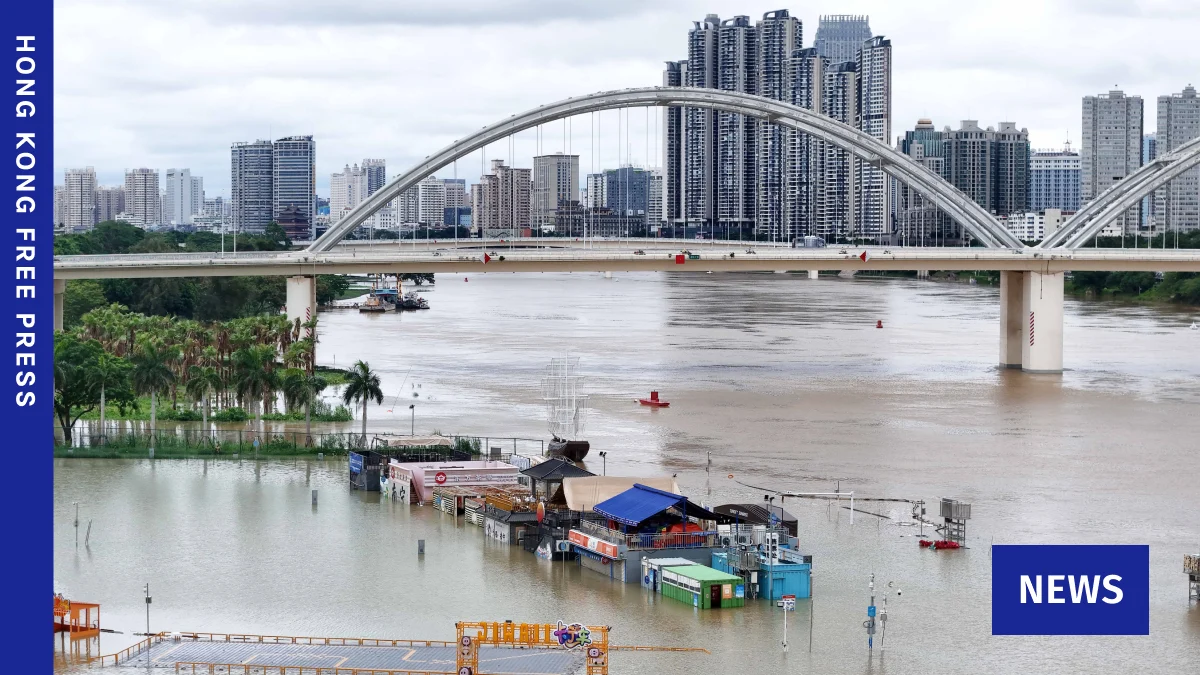
Rescuers across China are intensely scouring vast, inundated regions for survivors following a series of devastating natural disasters that have claimed at least 38 lives. Torrential storms have triggered widespread flooding, caused dozens of rivers to breach their banks, and led to the catastrophic burst of a reservoir dam. Officials have issued grave warnings that heavy rainfall is expected to persist, exacerbating an already dire situation across multiple provinces. The nation finds itself confronting a complex emergency, battling both the immediate humanitarian crisis and the long-term implications of extreme weather events.
Widespread Devastation in Southern China: Guangxi and Guangdong Under Siege
The southern autonomous region of Guangxi has been particularly hard-hit, reporting six fatalities and necessitating the evacuation of over 130,000 residents. The region has endured relentless torrential rain and severe flooding, primarily exacerbated by the lingering effects of Typhoon Maysak. While the typhoon itself had moved on, its moisture-laden remnants continued to fuel an intense low-pressure system, dumping unprecedented volumes of water across the region. Regional officials have indicated that the relentless downpour, which began late last week, is projected to continue throughout Wednesday and into Thursday, posing an ongoing threat to both Guangxi and its neighboring province, Guangdong.

The scale of the hydrological crisis in Guangxi is immense. State media reports confirm that over 40 rivers and major waterways have violently burst their banks, unleashing fast-flowing, muddy torrents that have submerged vast areas. The agricultural sector has suffered a significant blow, with nearly 13,000 acres of vital farmland damaged or completely destroyed. Crops ranging from rice and corn to various vegetables, essential for local food security, have been inundated, raising concerns about potential supply chain disruptions and economic losses for farming communities. The destruction extends beyond agriculture, impacting roads, bridges, and local infrastructure, further complicating relief efforts.
One of the most alarming incidents occurred with the partial collapse of a reservoir dam in Guangxi. Videos broadcast by state media outlet CCTV depicted terrifying scenes of torrents of water rushing through crumbled concrete walls, a stark testament to the immense pressure exerted by the floodwaters. Emergency response teams, equipped with life vests and inflatable boats, were immediately deployed to the breach site and surrounding areas to conduct urgent search and rescue operations, focusing on communities downstream that were suddenly exposed to a fresh wave of floodwaters. The incident has raised critical questions about the resilience of aging infrastructure in the face of increasingly extreme weather patterns.
In response to the escalating crisis, Chinese authorities have mobilized substantial resources. State news agency Xinhua reported on Wednesday that additional disaster relief supplies are being rapidly dispatched to the affected regions. These vital provisions include emergency food rations, hundreds of thousands of raincoats, and thousands of rubber boats, crucial for navigating flooded areas and facilitating rescue missions. The logistical challenge of delivering these supplies across vast, submerged territories is immense, requiring coordination between central and local governments, as well as military and civilian aid organizations.
"Severe Test" for Flood Control Systems

The State Flood Control and Drought Relief Headquarters has maintained its second-highest level for flood-control emergency response in Guangxi, underscoring the severity and protracted nature of the crisis. This high alert status triggers a wide range of emergency measures, including enhanced monitoring of water levels, deployment of additional personnel, and pre-positioning of relief assets.
Minister of Water Resources, Li Guoying, issued a stark warning regarding the projected flood peaks. He stated that water levels at the Wuzhou Hydrological Station in Guangxi are expected to "exceed the warning water level" by more than six meters (approximately 20 feet) early on Thursday. Such extreme levels pose an unprecedented challenge to existing flood defenses. Minister Li elaborated on the gravity of the situation, remarking, "Due to the impact of persistent heavy rainfall and the prolonged passage of floodwaters at high levels, the safety of reservoirs and embankments in the affected areas faces a severe test." His statement highlights the dual threat: the sheer volume of water and the sustained pressure on infrastructure that may already be weakened by years of use or previous weather events. Engineers and disaster management teams are working around the clock to monitor critical points, reinforce vulnerable sections, and prepare for potential further breaches.
Hubei Province Struck by Lethal Thunderstorms and Tornadoes
While southern China grapples with floods, the central province of Hubei has been ravaged by a different but equally destructive set of weather phenomena. Thunderstorms and gale-force winds swept through the province late on Monday, claiming 11 lives and injuring a staggering 331 people. Xinhua reported that the severe weather also spawned multiple tornadoes in other parts of the province, adding to the trail of destruction. Tornadoes, though less common in China than in some other parts of the world, are not unheard of, particularly in regions prone to intense convective storms. Their sudden onset and localized but extreme destructive power make them particularly dangerous.

The impact on infrastructure and homes in Hubei has been substantial. One person remains missing, presumed caught in the debris or swept away by flash floods accompanying the storms. Approximately 4,800 houses sustained damage, ranging from roof collapses to structural compromises, while 22 homes were completely destroyed. The rapid succession of these events, from severe thunderstorms to powerful winds and tornadoes, has stretched emergency services thin, necessitating a multi-faceted response focused on search and rescue, medical aid for the injured, and providing temporary shelter for those displaced.
Deadly Landslide in Gansu Province Adds to National Calamity
Adding to the nation’s woes, northwestern China’s Gansu province experienced a catastrophic landslide that has resulted in a significant loss of life. State media reported on Wednesday that the death toll from the incident, which occurred on Tuesday morning, has risen to 21. The landslide tragically buried 33 people in Rencang village, located in Dangchang County, at approximately 6:56 am on Tuesday (2256 GMT Monday).
Rescue teams were immediately mobilized and rushed to the remote mountainous site, facing challenging terrain and unstable ground conditions. The search and rescue operations were arduous, with responders working tirelessly against the clock to locate survivors amidst the tons of earth and debris. Xinhua confirmed on Wednesday, citing local authorities, that "Search and rescue operations at the site of the landslide in Dangchang County have concluded; the landslide resulted in 21 fatalities." This conclusion marks a somber end to the immediate rescue efforts, shifting focus to recovery and support for the affected community.

The cause of the landslide remains under investigation, with local media reporting that geological experts are examining factors such as soil saturation from previous rainfall, seismic activity, and topographical vulnerabilities. Landslides are a recurring natural disaster in China’s mountainous regions, particularly during periods of heavy precipitation which can destabilize slopes. The Chinese government has allocated 30 million yuan (approximately US$4.4 million) in reconstruction funds to aid the recovery efforts in Dangchang County, providing crucial financial assistance for rebuilding homes, restoring infrastructure, and supporting the livelihoods of those affected. This allocation underscores the government’s commitment to long-term recovery and disaster resilience.
National Response and Broader Context of China’s Natural Disasters
Natural disasters are a pervasive challenge across China, particularly during the summer months when the country experiences a wide spectrum of extreme weather. While some regions are hammered by intense rainfall and floods, others endure scorching heatwaves and droughts. This seasonal variability in weather patterns presents a complex and ever-present threat to the country’s vast population and extensive infrastructure.
In light of the escalating crisis, President Xi Jinping issued a direct order on Tuesday, urging rescuers to "go all out" in organizing emergency operations. Reported by CCTV, his directive emphasizes the paramount importance of saving lives, minimizing casualties, and ensuring that all available resources are deployed effectively to mitigate the impact of the disasters. Such high-level pronouncements typically trigger a rapid and coordinated response from various government agencies, including the Ministry of Emergency Management, the People’s Liberation Army, and local authorities.

China has invested heavily in flood control infrastructure over the decades, constructing numerous dams, reservoirs, and elaborate embankment systems along its major rivers like the Yangtze and Yellow River. These projects are designed to regulate water flow, prevent widespread flooding, and provide water resources for agriculture and urban areas. However, the sheer intensity and frequency of recent extreme weather events, often attributed to climate change, are testing the limits of even these formidable defenses. Scientists have warned that a warming climate leads to more volatile weather patterns, including heavier rainfall events, which increase the risk of both floods and landslides.
The long-term implications of these disasters extend beyond immediate casualties and property damage. They include displacement of communities, disruption of economic activities, and potential public health concerns arising from contaminated water and damaged sanitation systems. The government’s strategy for disaster management involves not only immediate response but also robust early warning systems, continuous monitoring of meteorological and hydrological conditions, and public awareness campaigns to ensure communities are prepared for potential threats.
As the nation navigates these concurrent crises, the resilience of its people and the efficacy of its disaster management systems are being put to a severe test. The coming days will be critical as rain continues, water levels remain high, and recovery efforts gain momentum across the devastated regions. The events serve as a stark reminder of the increasing vulnerability of large populations to the unpredictable and intensifying forces of nature.


 Sagoh
Sagoh
 Asro
Asro