Ammar Sabilarrohman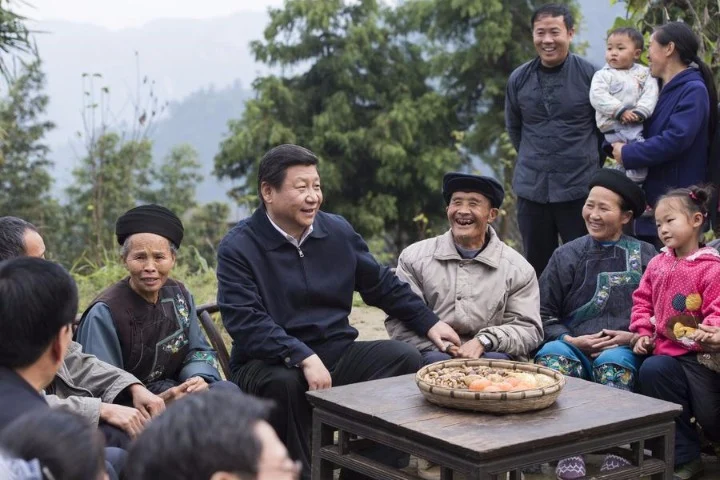
General Secretary Xi Jinping of the Communist Party of China (CPC) Central Committee has unequivocally declared that the rigorous campaign against undesirable work styles must persist without cessation. This directive, issued in a significant instruction released on Monday, came in direct response to a comprehensive article by Xinhua News Agency that shed light on the evolving and often subtle manifestations of misconduct within Party and governmental ranks. President Xi, who also serves as Chairman of the Central Military Commission, underscored the inherent nature of these "new forms of misconduct," asserting that they are, in essence, old problems that have merely adopted fresh guises to evade detection and accountability.
A Decades-Long Battle Against Erosion of Party Conduct
The fight against undesirable work styles is not a recent phenomenon but an enduring commitment of the CPC, particularly intensified since Xi Jinping assumed leadership. His instruction explicitly warned against the "intractability and recurrence" of persistent issues such as formalities for formalities’ sake, pervasive bureaucratism, deep-seated hedonism, and unbridled extravagance. "The efforts to address such misconduct should not be stopped and the work to improve the Party’s conduct and work styles should never end," Xi emphasized, signaling a long-term, systemic approach to internal rectification.
This latest directive serves as a potent reaffirmation of the CPC’s resolve to maintain internal discipline and combat practices that could erode public trust and undermine governance effectiveness. It mandates that Party and governmental departments across all localities and sectors meticulously scrutinize their own performance in this critical area. They are instructed to adopt concrete, actionable measures to rectify identified problems, with particular emphasis on addressing prominent issues such as the pursuit of excessive publicity at the expense of substantive practice and tangible implementation. Furthermore, the instruction specifically calls upon leading officials at all levels to exemplify leadership and actively spearhead this ongoing campaign, underscoring the principle of leading by example.
The Genesis of the Anti-Corruption and Anti-Misconduct Drive: The Eight-Point Decision
To fully comprehend the significance of Xi Jinping’s latest instruction, it is essential to revisit its foundational context: the Eight-Point Decision, promulgated by the CPC Central Committee in December 2012. This landmark document, issued shortly after Xi assumed the Party’s top post, marked the official launch of a sweeping anti-corruption and anti-misconduct campaign that has reshaped China’s political landscape. The Eight-Point Decision targeted a wide array of official malpractices, including extravagance in official receptions, use of public funds for personal travel, lavish meetings, excessive formalism, and abuse of power.
The decision represented a clear break from certain prevailing norms, aiming to curb ostentation, promote frugality, and foster closer ties between Party officials and the masses. Its initial implementation led to a dramatic reduction in extravagant banquets, luxury vehicle use, and other forms of public waste. Thousands of officials faced investigation and punishment, ranging from disciplinary warnings to imprisonment. This foundational initiative significantly bolstered public confidence in the Party’s commitment to self-purification and ethical governance. Xi’s current instruction reiterates the need to consolidate and build upon the advances made in implementing this pivotal decision, indicating that while progress has been substantial, the threat of backsliding remains ever-present.
Evolving Challenges: New Forms of Old Problems
The Xinhua article, which prompted Xi’s instruction, meticulously detailed how undesirable work styles have adapted and resurfaced in more insidious forms, even after years of intense scrutiny. It highlighted that despite the major achievements garnered in the fight against misconduct, problems persist, manifesting as a subtle yet pervasive undermining of good governance.
One of the most concerning manifestations is "formalities for formalities’ sake" and bureaucratism. The article pointed out instances where officials engage in perfunctory work during research and inspections, creating an illusion of diligence without genuine inquiry or problem-solving. This superficiality extends to Party and governmental agencies and their staff who display "false concern" for the public, offering rhetorical assurances or symbolic gestures without undertaking practical, impactful work to genuinely serve the people. A particularly insidious aspect noted was local governments prioritizing the attention and approval of higher officials over addressing the actual needs and ensuring the satisfaction of the populace they are meant to serve. This "performance for the cameras" approach not only wastes resources but also alienates citizens and distorts policy implementation.
Beyond these procedural failures, the Xinhua report also identified more direct forms of ethical decay. These include cases where officials deliberately dodge responsibilities, exhibit pervasive inaction and sloth, or engage in double-dealing and duplicity. Such behaviors represent a fundamental betrayal of public trust and severely impede the efficiency and integrity of the administrative apparatus. The recognition of these "new forms" underscores the dynamic nature of corruption and misconduct, requiring continuous adaptation in detection and enforcement strategies.
A Coordinated Response: Directives from the Central Committee
In immediate response to Xi Jinping’s instruction, the General Office of the CPC Central Committee issued a circular urging all Party and governmental agencies to diligently study and implement the directive with prompt and decisive action. The circular emphasized the critical need for these agencies to carefully "sift out" the new forms of undesirable work styles that may have emerged or evolved within their respective domains. It called for resolute correction of these issues and a commitment to making tangible, solid improvements in Party conduct and work styles.
Crucially, the circular highlighted the upcoming New Year’s and Spring Festival season as an "important point" in this ongoing fight. These festive periods have historically been associated with increased opportunities for gift-giving, banqueting, and other forms of extravagance, making them sensitive times for potential misconduct. Authorities were specifically instructed to "resolutely prevent the return of misconduct" during these seasons, thereby consolidating and building upon the hard-won advances achieved through the implementation of the central Party leadership’s Eight-Point Decision. This forward-looking directive signals a proactive strategy to preempt any resurgence of old habits under the cover of traditional celebrations.
Broader Implications and the Path Forward
The latest instruction from Xi Jinping carries profound implications for governance within China. Firstly, it reaffirms the unwavering political will of the CPC leadership to sustain its internal disciplinary campaign, signaling that this is not a transient effort but a permanent feature of Party governance. This sustained commitment is vital for maintaining the Party’s legitimacy, particularly as it seeks to guide China through complex domestic and international challenges.
Secondly, the emphasis on identifying "new forms" of misconduct reflects a pragmatic understanding that the battle against undesirable work styles is an evolving one. As direct forms of corruption become riskier, malpractices adapt and manifest in more subtle, bureaucratic, or performative ways. This requires a sophisticated and adaptive monitoring and enforcement mechanism, one that can detect not just overt bribery or extravagance, but also systemic inefficiencies, performative governance, and a lack of genuine public service.
Thirdly, this campaign is inextricably linked to the broader goal of enhancing the CPC’s governance capacity and effectiveness. By tackling bureaucratism, inaction, and formalism, the Party aims to ensure that policies are not only formulated but also implemented efficiently and equitably, directly benefiting the populace. The directive for officials to focus on "solid practice and implementation" rather than "excessive publicity" is a call for more results-oriented governance, which is crucial for achieving national development goals and improving living standards.
Finally, the upcoming CPC campaign on "staying true to our founding mission" will undoubtedly intersect with this renewed push against misconduct. This ideological education campaign aims to reinforce Party members’ loyalty, ethical conduct, and commitment to serving the people. Integrating the anti-misconduct drive within this broader ideological framework provides a dual approach: external enforcement coupled with internal moral and ideological strengthening.
The challenges ahead remain significant. Eradicating deeply entrenched work styles requires continuous vigilance, robust accountability mechanisms, and a culture that genuinely values integrity and public service over personal gain or superficial displays. The directive serves as a stark reminder to all Party members and government officials that the standards of conduct remain high, and the scrutiny unyielding. As China navigates its developmental trajectory, the success of this ongoing fight against hedonism, extravagance, and other misconduct will be pivotal in shaping the Party’s relationship with its people and its capacity to govern effectively in the 21st century.

 Sagoh
Sagoh
 Asro
Asro