 Sagoh
Sagoh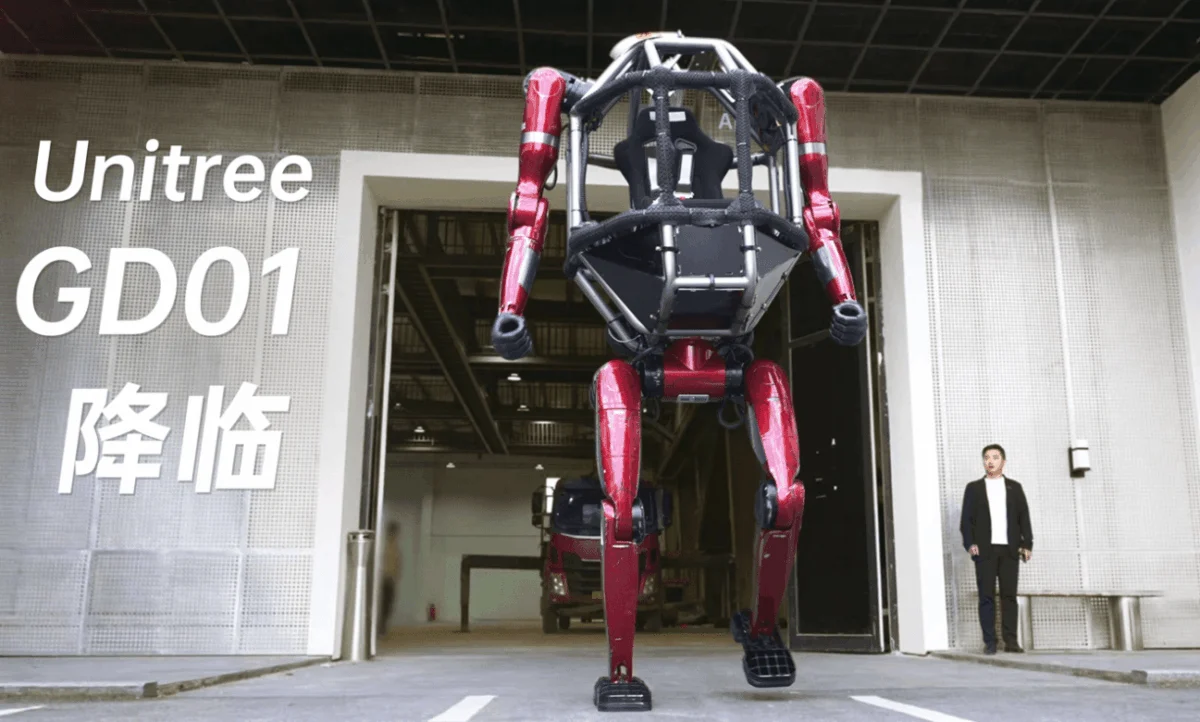
China’s Supreme People’s Court has delivered a landmark ruling, determining that two patent lawsuits initiated against Unitree Robotics, a prominent developer of quadrupedal robots, over its popular Go2 and A2 robot dogs constituted malicious litigation. The high-profile cases revolved around a patent titled "An Electronic Dog," with the nation’s highest judicial body ultimately rejecting the plaintiff’s claims of infringement and setting a significant precedent against the abuse of intellectual property rights. This decision underscores China’s escalating efforts to refine its intellectual property protection framework, aiming to safeguard genuine innovators while penalizing those who exploit the legal system for unwarranted financial gain.
The plaintiff in these contentious lawsuits was Luweimei Company, an entity whose acquisition of the "An Electronic Dog" patent occurred merely five days prior to the filing of the first lawsuit against Unitree Robotics. This timing, among other factors, raised considerable suspicion regarding the company’s intent. Initially, Luweimei sought a modest RMB500 (approximately USD70) in compensation. However, this figure dramatically escalated during the appeal process, where the company suddenly demanded a staggering RMB80 million (approximately USD11 million), only to revert to the original RMB500 demand later. Such erratic and disproportionate demands are often characteristic of patent trolling tactics, where the primary objective is to coerce settlements rather than genuinely litigate legitimate infringement claims. Further discrediting the plaintiff’s position, China’s national patent authority officially invalidated the "An Electronic Dog" patent on March 12, prior to the Supreme People’s Court’s final declaration on the malicious nature of the suits, effectively stripping the legal basis for the infringement claims.
In a decisive move that reinforced the court’s stance against such practices, Unitree Robotics’ counterclaim in the A2 case was fully upheld. Consequently, Luweimei Company was ordered to pay RMB80,000 (approximately USD11,000) to cover Unitree’s reasonable legal costs and an additional RMB3,700 (approximately USD500) in court fees. This financial penalty, while not astronomical, serves as a crucial deterrent, signaling that engaging in malicious litigation carries tangible financial repercussions beyond the invalidation of the patent itself. The ruling sends a clear message across the burgeoning Chinese technology sector: the legal system is not to be used as a weapon for predatory business practices, and genuine innovation will be protected.
A Detailed Chronology of the Dispute
The legal battle between Luweimei Company and Unitree Robotics unfolded over several months, marked by strategic maneuvers and escalating stakes:
- Pre-Lawsuit Patent Acquisition: The "An Electronic Dog" patent, central to the dispute, was acquired by Luweimei Company. Critically, this acquisition took place just five days before the initial legal action was launched against Unitree Robotics. This swift succession of events suggested a calculated strategy rather than a response to a discovered infringement.
- Initial Litigation Filing: Shortly after securing the patent, Luweimei Company filed its first lawsuit against Unitree Robotics, targeting its Go2 robot dog. The initial compensation demand was a nominal RMB500, a sum often associated with nuisance lawsuits or attempts to establish a preliminary legal foothold.
- Expansion to Second Product: Following the initial filing, Luweimei extended its legal challenge to include Unitree’s A2 robot dog, indicating a broader assault on the company’s product line.
- Appeal and Escalated Demands: As the cases progressed through the lower courts and moved into the appellate phase, Luweimei Company dramatically increased its compensation demand to RMB80 million. This significant leap in monetary claims is a hallmark of patent trolling, designed to pressure defendants into settlements due to the high cost and risk of prolonged litigation.
- Reversion of Demands: Curiously, Luweimei later reverted its compensation request back to the original RMB500, a move that likely further undermined its credibility in the eyes of the court and strengthened the perception of malicious intent.
- Patent Invalidation (March 12): On March 12, China’s national patent authority formally invalidated the "An Electronic Dog" patent. This administrative decision effectively nullified the legal foundation upon which Luweimei’s infringement claims were built, dealing a severe blow to their case.
- Supreme People’s Court Ruling: The culmination of the legal saga saw the Supreme People’s Court declare the lawsuits as malicious litigation. This high-level judgment not only dismissed Luweimei’s infringement claims but also affirmed Unitree’s counterclaim for legal costs, solidifying the victory for the robotics innovator.
Unitree Robotics: A Beacon of Chinese Innovation
Unitree Robotics, based in Hangzhou, Zhejiang province, has rapidly emerged as a global leader in the development and manufacturing of high-performance quadrupedal robots. Founded in 2017, the company is renowned for its commitment to making advanced robotics more accessible and affordable. Its product line, including the Go2 and A2 robot dogs, has garnered significant attention both domestically and internationally for their agility, advanced control systems, and relatively competitive pricing.
The Go2, a successor to the popular Go1, features enhanced AI capabilities, improved motion control, and a more robust design, making it suitable for a range of applications from personal companionship to industrial inspection. The A2, another advanced model, pushes the boundaries of performance and utility. Unitree’s success is rooted in its strong R&D capabilities and its strategy of vertical integration, allowing it to control key components and drive down costs. For a company at the forefront of such a dynamic and competitive field, protecting its intellectual property and fending off baseless legal challenges is paramount to sustaining its growth and market leadership. The malicious litigation posed a direct threat not only to Unitree’s financial stability but also to its reputation and capacity for continued innovation.
The Murky Waters of Patent Trolling in China
The case of Luweimei Company versus Unitree Robotics shines a spotlight on the growing challenge of "patent trolling" or "non-practicing entities" (NPEs) in China. Patent trolls are entities that acquire patents not for the purpose of manufacturing or innovating, but solely to assert them against alleged infringers, often demanding licensing fees or settlements. Their business model relies on the threat of expensive and protracted litigation, which can be crippling for startups and even established companies.
In recent years, as China has aggressively strengthened its intellectual property protection laws and enforcement mechanisms, there has been a corresponding rise in patent disputes. While many of these are legitimate claims aimed at protecting genuine innovation, a subset involves opportunistic entities seeking to exploit the system. The sheer volume of patent applications and grants in China, now the world’s largest, creates a fertile ground for such activities. The National Intellectual Property Administration (CNIPA) processes millions of patent applications annually, and while efforts are made to ensure quality, the system can still be gamed.
The characteristics of the Luweimei case – acquiring a patent just before filing a lawsuit, fluctuating compensation demands, and the eventual invalidation of the patent – are classic indicators of patent trolling behavior. Such actions can stifle innovation by diverting resources (financial, human, and time) from research and development towards legal defense. They create an environment of uncertainty and risk, particularly for smaller enterprises and startups that may lack the deep pockets to fight prolonged legal battles.
China’s Evolving IP Landscape and the Fight Against Malicious Litigation
China has made tremendous strides in reforming its intellectual property legal framework over the past two decades, moving from a system often criticized for weak enforcement to one increasingly robust and sophisticated. This transformation is driven by the nation’s strategic imperative to foster indigenous innovation and transition to a knowledge-based economy. Key reforms include specialized IP courts, increased damages for infringement, and clearer guidelines for patent examination.
The Supreme People’s Court, as the highest judicial authority, plays a pivotal role in shaping the interpretation and application of these laws. Its ruling in the Unitree case is particularly significant because it explicitly labels the lawsuits as "malicious litigation." This is not merely a dismissal of claims but a condemnation of the plaintiff’s intent and conduct. Such declarations are crucial for deterring future abuses. Article 20 of China’s Patent Law, for instance, allows for damages against those who "maliciously file a lawsuit without factual and legal basis." This ruling provides concrete judicial backing to such provisions.
Furthermore, Chinese courts have been increasingly willing to award attorney’s fees and other reasonable expenses to prevailing parties in IP disputes, especially when malicious intent is evident. This shifts some of the financial burden of defending against unfounded claims from the innovator to the aggressor, thereby rebalancing the playing field. The RMB80,000 awarded to Unitree for legal costs, though a fraction of what a full defense might cost, signals a clear punitive measure against the plaintiff’s bad faith.
Broader Implications for the Robotics Industry and Beyond
The Supreme People’s Court’s decision carries significant implications, particularly for China’s rapidly expanding robotics sector and the broader landscape of intellectual property protection:
- Boosting Innovator Confidence: For companies like Unitree Robotics, which invest heavily in R&D, this ruling provides crucial reassurance. It signals that the Chinese legal system is capable of distinguishing between legitimate IP protection and predatory practices, thereby fostering a more secure environment for technological development and investment.
- Deterrent to Patent Trolling: The explicit declaration of "malicious litigation" by the highest court serves as a powerful deterrent. Potential patent trolls will now face a higher risk of not only losing their cases and having their patents invalidated but also being penalized for legal costs and suffering reputational damage. This could lead to a reduction in frivolous lawsuits.
- Strengthening IP Enforcement Credibility: This ruling enhances China’s credibility as a jurisdiction committed to fair and effective intellectual property protection. As China seeks to attract more foreign investment and promote its own high-tech industries globally, robust and balanced IP enforcement is paramount.
- Guidance for Lower Courts: The Supreme People’s Court’s decision provides clear guidance for lower courts across the country on how to identify and handle cases of malicious litigation. This will lead to more consistent and effective application of IP laws.
- Impact on Patent Quality: The invalidation of the "An Electronic Dog" patent, coupled with the malicious litigation ruling, indirectly highlights the importance of patent quality. Stricter scrutiny of patent applications and challenges to low-quality patents are essential to prevent their weaponization by trolls.
- Competitive Advantage for Genuine Innovators: By weeding out opportunistic players, the ruling helps to level the playing field, allowing genuine innovators to focus their resources on competition based on technology and market value rather than legal defense.
Expert Commentary (Inferred)
While no direct expert quotes are provided in the source, it can be logically inferred that IP law experts would view this ruling as a positive development. They would likely emphasize that the decision demonstrates the maturity of China’s IP legal system. "This ruling by the Supreme People’s Court is a landmark moment," an unnamed IP legal expert might state. "It underscores China’s commitment to creating a fair and predictable environment for innovation. By explicitly labeling these lawsuits as malicious, the court sends an unmistakable signal that the intellectual property system is designed to protect genuine creativity, not to be exploited for speculative gains. This kind of judicial resolve is crucial for fostering a robust and competitive high-tech industry." Another might add, "The financial penalties, though not massive, establish a precedent that will make prospective patent trolls think twice. The real impact is in the clear judicial condemnation of such tactics."
Looking Ahead
The Unitree Robotics case marks a significant milestone in China’s ongoing efforts to refine its intellectual property governance. As the nation continues its rapid technological ascent, the balance between fostering innovation and preventing abuse of legal processes will remain a critical challenge. The Supreme People’s Court’s firm stance against malicious litigation provides a vital layer of protection for innovators and reinforces the integrity of China’s intellectual property system. Companies like Unitree can now continue their pioneering work in robotics with greater confidence, knowing that the judicial system stands ready to defend them against baseless legal assaults, thereby ensuring that the spirit of innovation can thrive unimpeded. This ruling is not just a victory for Unitree Robotics; it is a victory for ethical innovation and the future trajectory of China’s high-tech industries.


 Jia Lissa
 Rifan Muazin