Rifan Muazin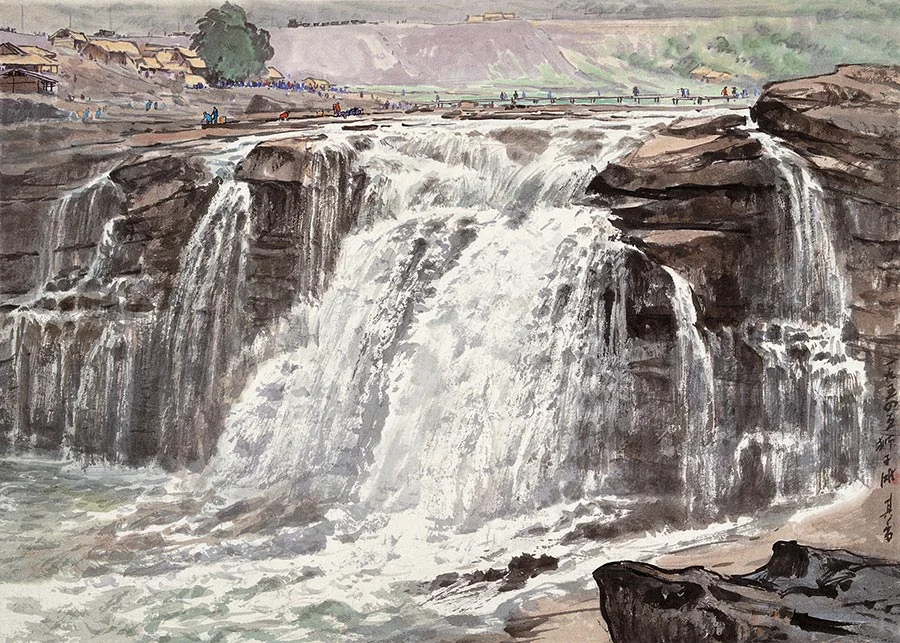
The National Art Museum of China (NAMOC) in Beijing has recently become the steward of a significant artistic collection, receiving a generous donation of 71 paintings from the family of the late Zong Qixiang (1917-99), a revered painter and influential educator. This substantial contribution marks the second major bequest from the Zong family to NAMOC, following a previous donation of 36 ink-brush paintings and watercolors in 2005. A curated selection of these newly donated artworks is currently gracing the walls of NAMOC in an exhibition titled Born to Painting, which serves as a poignant tribute to the centennial anniversary of Zong Qixiang’s birth. The exhibition, running through Sunday, offers the public a profound glimpse into the artistic evolution and enduring spirit of a master whose work continues to resonate.
A Legacy of Light and Shadow: Zong Qixiang’s Artistic Journey
![Zong Qixiang's family donates 71 paintings to NAMOC[1]- Chinadaily.com.cn](http://www.chinadaily.com.cn/culture/art/tplimages/99330.files/f_art.gif)
At the heart of the exhibition lies Zong Qixiang’s seminal ink-brush series depicting Chongqing’s nocturnal cityscape. These works, begun approximately 78 years ago during the tumultuous period of the War of Resistance Against Japanese Aggressions (1931-45), capture a city seeking refuge and resilience amidst the darkness of conflict. Zong’s innovative approach to ink wash painting is particularly evident in these pieces. He masterfully employed varying shades of ink to delineate the deepening gloom of night, while ingeniously utilizing the traditional Chinese technique of liubai, or "leaving blanks," to suggest subtle gradations of light. This deliberate use of negative space allowed him to evoke the shimmering, scattered illumination of Chongqing’s vibrant night life, the layered architecture clinging to its steep mountain slopes, the winding, rugged paths, and the bustling, often chaotic, street scenes. The resulting effect is a palpable sense of atmosphere, a testament to his keen observation and technical prowess.
Beyond his celebrated Chongqing series, Zong Qixiang’s oeuvre is characterized by a profound and abiding love for nature, a passion that infused every stroke of his brush. His artistic philosophy was not merely about replication, but about deep engagement and personal interpretation. This ethos is encapsulated in a memorable quote, reportedly shared with his students at the prestigious Central Academy of Fine Arts: "If you see the world from the perspective of other people, without the critical thinking of yourself, you will end up being nobody." This exhortation underscores his belief in the artist’s responsibility to cultivate a unique vision, to question, and to express an individual truth.
Historical Context and Chronology of a Generous Gift
![Zong Qixiang's family donates 71 paintings to NAMOC[1]- Chinadaily.com.cn](http://www.chinadaily.com.cn/culture/art/tplimages/99330.files/w_art.gif)
The donation of 71 artworks by the Zong family is not an isolated event but the culmination of a long-standing commitment to preserving and sharing Zong Qixiang’s artistic legacy. The initial donation in 2005, comprising 36 pieces, already established a significant foundation for the public appreciation of his work at NAMOC. The recent, larger gift amplifies this commitment, further solidifying his place within the national art canon.
To understand the significance of this donation, it’s helpful to place Zong Qixiang’s life and career within a broader historical timeline:
- 1917: Zong Qixiang is born, marking the beginning of a life that would become synonymous with artistic dedication and innovation.
- 1930s-1940s: During the War of Resistance Against Japanese Aggressions, Zong finds himself seeking refuge in Chongqing. This period proves to be a fertile ground for his artistic exploration, leading to the creation of his iconic night scenes.
- Post-1949: Following the establishment of the People’s Republic of China, Zong Qixiang becomes a pivotal figure in art education. He joins the faculty of the Central Academy of Fine Arts, where he influences generations of artists with his teachings and his own distinctive style.
- 1950s-1990s: Throughout his career, Zong continues to paint, drawing inspiration from nature and his profound philosophical outlook. His work evolves, yet consistently retains its distinctive character.
- 1999: Zong Qixiang passes away, leaving behind a rich artistic heritage.
- 2005: The Zong family makes their first significant donation of 36 artworks to NAMOC, initiating the public display and scholarly study of his work at the national level.
- 2017: To commemorate the centennial of Zong’s birth, the family makes a further, substantial donation of 71 paintings to NAMOC. This coincides with the opening of the Born to Painting exhibition, showcasing a selection of these works.
Supporting Data and Artistic Significance
![Zong Qixiang's family donates 71 paintings to NAMOC[1]- Chinadaily.com.cn](http://www.chinadaily.com.cn/culture/art/tplimages/99330.files/in_art.gif)
The 71 paintings now housed at NAMOC represent a diverse range of Zong Qixiang’s artistic output. While the specific breakdown of mediums and subjects within this new donation is not detailed in the initial report, the previous donation included ink-brush paintings and watercolors. It is highly probable that the current collection further elaborates on these techniques, potentially including landscapes, portraits, and still lifes, all rendered with his characteristic sensitivity and technical mastery.
Zong Qixiang’s artistic significance can be assessed through several lenses:
- Technical Innovation: His exploration of ink wash painting, particularly his use of liubai in depicting nocturnal scenes, pushed the boundaries of traditional techniques, demonstrating a forward-thinking approach to artistic expression.
- Emotional Resonance: His works are not merely visual representations but convey a deep emotional connection to his subjects, whether it be the bustling energy of a city at night or the serene beauty of the natural world.
- Pedagogical Influence: As an educator at the Central Academy of Fine Arts, Zong Qixiang played a crucial role in shaping the artistic landscape of China. His emphasis on critical thinking and individual perspective instilled a lasting ethos in his students.
- Historical Documentation: His paintings, particularly those of Chongqing during wartime, serve as valuable visual records of historical periods, offering a unique perspective on the lived experiences of the time.
Reactions and Broader Implications
![Zong Qixiang's family donates 71 paintings to NAMOC[1]- Chinadaily.com.cn](http://www.chinadaily.com.cn/culture/art/tplimages/99330.files/more_art.gif)
While specific quotes from museum officials or family members are not provided in the original report, the act of donating such a significant portion of an artist’s oeuvre to a national institution inherently signifies profound respect and a desire for public accessibility. It is reasonable to infer that NAMOC officials have expressed gratitude for the family’s generosity, recognizing the immense cultural value of the collection. Such donations are vital for national museums, as they enrich their holdings, enable comprehensive retrospectives, and facilitate ongoing research and exhibition programming.
For the Zong family, this ongoing commitment to NAMOC represents a dedication to honoring their father’s artistic legacy and ensuring his contributions are recognized and celebrated by a wider audience. It allows them to fulfill his apparent desire for his art to be seen, understood, and appreciated.
The implications of this donation are far-reaching:
![Zong Qixiang's family donates 71 paintings to NAMOC[1]- Chinadaily.com.cn](http://www.chinadaily.com.cn/culture/art/tplimages/99330.files/app.gif)
- Enhanced Public Access: The artworks will be accessible to millions of visitors at NAMOC, fostering a greater understanding and appreciation of Zong Qixiang’s artistic contributions.
- Scholarly Research: The comprehensive collection at NAMOC will provide invaluable resources for art historians, critics, and students, facilitating deeper academic study of Zong’s life, techniques, and impact.
- Cultural Preservation: The donation ensures the long-term preservation and care of these significant artworks, safeguarding them for future generations.
- Inspiration for Future Artists: The exhibition and the collection itself will undoubtedly serve as a source of inspiration for contemporary artists, encouraging them to explore innovative techniques and cultivate their own unique artistic voices.
- Strengthening National Art Collections: Such substantial donations are crucial for building and maintaining robust national art collections, reflecting the richness and diversity of a nation’s artistic heritage.
The Born to Painting exhibition, by showcasing these recently donated works, offers a timely and compelling opportunity to re-evaluate Zong Qixiang’s place in Chinese art history. His ability to capture the essence of his subjects, whether it be the ethereal glow of a city at night or the quiet contemplation of nature, coupled with his enduring philosophy of artistic independence, cements his status as a master whose legacy continues to illuminate and inspire. The Zong family’s generous act ensures that this light will shine brightly for years to come within the esteemed halls of the National Art Museum of China.

 Asep Darmawan