Raul Delapena Setiawan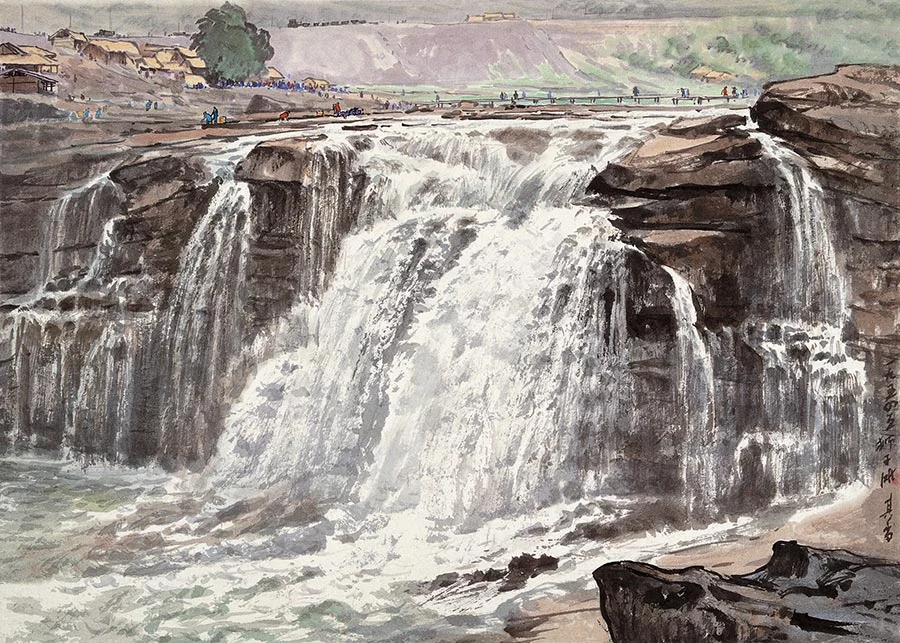
The National Art Museum of China (NAMOC) in Beijing has recently been the recipient of a significant cultural bequest: a donation of 71 paintings from the esteemed artist and educator Zong Qixiang (1917-99). This generous act by his family marks the second substantial contribution of Zong’s artistic legacy to the museum, following a previous donation of 36 ink-brush paintings and watercolors in 2005. The current exhibition, titled Born to Painting, is currently on display at NAMOC and serves as a poignant tribute to the artist’s centennial birth anniversary, offering the public a profound glimpse into his lifelong dedication to art.
![Zong Qixiang's family donates 71 paintings to NAMOC[1]- Chinadaily.com.cn](http://www.chinadaily.com.cn/culture/art/tplimages/99330.files/f_art.gif)
A Legacy of Artistic Excellence
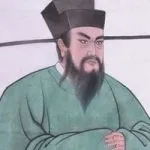
Zong Qixiang, a towering figure in 20th-century Chinese art, carved a distinct niche for himself through his mastery of ink-brush painting and watercolor. His career spanned decades of immense change in China, and his art often reflected the socio-political landscapes he navigated. As an educator, he influenced generations of artists at the prestigious Central Academy of Fine Arts, instilling in them a philosophy that emphasized independent thought and a deep connection to the world. His family’s decision to entrust such a significant portion of his oeuvre to NAMOC underscores the enduring importance of his work and its contribution to the national art heritage.
The current exhibition, Born to Painting, is a testament to Zong’s artistic journey. A central highlight of the display is his renowned series depicting the night views of Chongqing. This particular body of work holds a special place in Zong’s oeuvre, originating from a period of profound personal and national upheaval. Approximately 78 years ago, Zong found himself seeking refuge in Chongqing during the arduous War of Resistance Against Japanese Aggressions (1931-45). It was during this challenging time that he began to explore the unique nocturnal character of the city, a subject that would become synonymous with his artistic vision.
![Zong Qixiang's family donates 71 paintings to NAMOC[1]- Chinadaily.com.cn](http://www.chinadaily.com.cn/culture/art/tplimages/99330.files/w_art.gif)
The Artistry of Chongqing’s Nights
Zong Qixiang’s innovative approach to capturing the essence of Chongqing’s nighttime cityscape set him apart. He masterfully employed varying shades of ink, demonstrating a sophisticated understanding of tonal gradation. Crucially, he integrated the traditional Chinese artistic principle of liubai, or "leaving blanks," to create a nuanced representation of light and shadow. This technique allowed him to suggest the subtle graduation of brightness within the pervasive darkness of night. Through these skillful applications of ink and void, Zong was able to evoke the ephemeral glow of Chongqing’s myriad lights, the organic layering of houses clinging to the city’s mountainous terrain, the rugged contours of its hilly paths, and the vibrant, sometimes chaotic, energy of its streets. His depictions were not mere representations but rather profound interpretations that conveyed the mood and spirit of the city after dusk.
Beyond his iconic Chongqing series, Zong Qixiang’s artistic output consistently showcased a profound and abiding love for nature. This deep emotional connection to the natural world invariably found expression in the vibrant strokes and evocative compositions of his paintings. Whether capturing the serene beauty of landscapes or the dynamic energy of urban scenes, his work often resonated with a palpable sense of vitality and observation.
![Zong Qixiang's family donates 71 paintings to NAMOC[1]- Chinadaily.com.cn](http://www.chinadaily.com.cn/culture/art/tplimages/99330.files/in_art.gif)
Educational Philosophy and Artistic Independence
Zong Qixiang’s influence extended far beyond his individual artworks. As an educator, he was a fervent advocate for critical thinking and artistic individuality. His famous admonition to his students at the Central Academy of Fine Arts – "If you see the world from the perspective of other people, without the critical thinking of yourself, you will end up being nobody" – encapsulates his commitment to fostering independent artistic voices. This philosophy not only shaped the artistic development of his students but also serves as a guiding principle for aspiring artists everywhere, emphasizing the importance of developing a unique perspective and the courage to express it.
A Timeline of Zong Qixiang’s Artistic Journey and Legacy
- 1917: Zong Qixiang is born, marking the beginning of a life dedicated to art.
- 1930s-1940s: During the War of Resistance Against Japanese Aggressions, Zong seeks refuge in Chongqing. This period becomes instrumental in the development of his iconic night view series of the city.
- Post-War Era: Zong Qixiang becomes a respected painter and educator, contributing significantly to the development of Chinese art. He joins the faculty of the Central Academy of Fine Arts.
- Decades of Creation: Throughout his career, Zong produces a vast body of work encompassing landscapes, portraits, and urban scenes, demonstrating a deep appreciation for nature and a keen observational eye.
- 1999: Zong Qixiang passes away, leaving behind a rich artistic legacy.
- 2005: Zong Qixiang’s family makes their first significant donation of 36 ink-brush paintings and watercolors to the National Art Museum of China, preserving a portion of his work for public appreciation.
- 2017: To commemorate the centennial anniversary of Zong Qixiang’s birth, his family makes a second, even more substantial donation of 71 paintings to NAMOC. This event is celebrated with the exhibition Born to Painting.
Supporting Data and Context
The donation of 71 paintings represents a significant expansion of NAMOC’s collection of Zong Qixiang’s works. This latest contribution comprises a diverse range of his artistic explorations, providing scholars and the public with a more comprehensive understanding of his artistic evolution. The initial donation in 2005 established a foundation for the museum’s holdings of Zong’s art, and this subsequent gift amplifies that foundation considerably.
![Zong Qixiang's family donates 71 paintings to NAMOC[1]- Chinadaily.com.cn](http://www.chinadaily.com.cn/culture/art/tplimages/99330.files/more_art.gif)
The centennial anniversary of an artist’s birth is a widely recognized occasion for cultural institutions to celebrate and re-evaluate their contributions. Exhibitions and acquisitions during such periods often gain heightened public and academic interest. NAMOC’s decision to host Born to Painting and the family’s generosity in providing these significant works ensure that Zong Qixiang’s artistic achievements are prominently recognized on this important milestone.
Official Responses and Broader Impact
While specific official statements from NAMOC beyond the announcement of the exhibition and donation are not detailed in the original report, the act of receiving such a substantial donation signifies the museum’s commitment to preserving and showcasing significant Chinese artistic heritage. Such donations are crucial for national art institutions, allowing them to continually enrich their collections and provide a more complete narrative of artistic history.
![Zong Qixiang's family donates 71 paintings to NAMOC[1]- Chinadaily.com.cn](http://www.chinadaily.com.cn/culture/art/tplimages/99330.files/app.gif)
The implications of this donation are multifaceted. Firstly, it ensures the long-term preservation and accessibility of Zong Qixiang’s art for future generations. Secondly, the exhibition Born to Painting serves as an educational platform, introducing a wider audience to the artist’s oeuvre and his artistic philosophy. This can inspire new artists, art historians, and the general public alike. Furthermore, such acts of cultural philanthropy highlight the vital role of families in safeguarding and sharing the artistic legacies of their loved ones, contributing to the collective cultural memory of a nation. The inclusion of his ink-brush series of Chongqing’s night view in the exhibition is particularly significant, as it represents a unique artistic response to a critical period in Chinese history, offering historical insights alongside aesthetic appreciation.
Zong Qixiang’s enduring message about critical thinking and individual perspective continues to resonate. In an era where information is abundant and diverse viewpoints are paramount, his artistic philosophy serves as a valuable reminder for artists and individuals to cultivate their own understanding and expression. The donation and exhibition are not merely acts of remembrance but also vital contributions to the ongoing discourse and appreciation of Chinese art on both national and international stages.

 Asep Darmawan
 Rifan Muazin