Nana Wu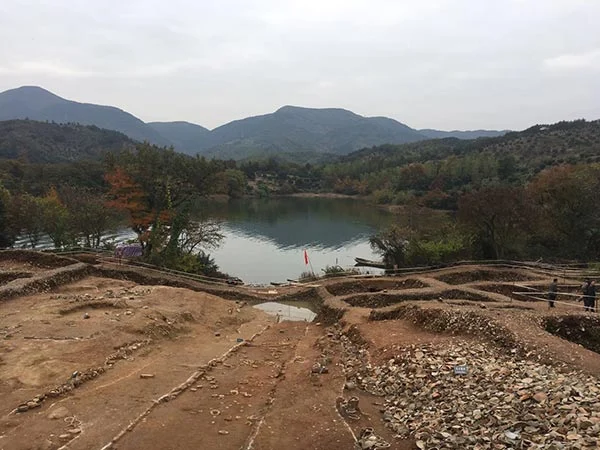
The State Administration of Cultural Heritage (SACH) has officially designated twelve significant archaeological locations across China as national-level archaeological site parks, a move that underscores the nation’s commitment to preserving and promoting its invaluable historical legacy. The announcement, made on Saturday, marks a crucial step in transforming these vital sites from mere excavation grounds into accessible centers for public education, scientific exploration, and cultural tourism. This latest inscription expands the esteemed list, which now includes a diverse array of locations representing pivotal epochs in China’s extensive civilization.
The newly recognized sites are distinguished by their scale and the profound historical narratives they encapsulate. Among the most prominent inclusions is the Shanglinhu Yue Kiln site in Cixi, Zhejiang province, a location renowned for its centuries-long production of exquisite Yue ware, a type of celadon pottery that played a significant role in ancient Chinese trade and aesthetics. Also elevated to national status is the Middle Capital site of the Ming Dynasty (1368-1644) in Anhui province, offering a glimpse into the grandeur and administrative complexities of one of China’s most celebrated imperial periods. Furthermore, the Weiyang Palace ruins in Xi’an, Shaanxi province, dating back to the Western Han Dynasty (206 BC – 25 AD), represent a cornerstone of early imperial Chinese power and architecture, having served as the administrative heart of the empire for over three centuries.
The designation of national-level archaeological site parks is a strategic initiative by SACH to ensure the comprehensive protection and sustainable development of key archaeological discoveries. These parks are conceived as integrated entities where archaeological remains are preserved in situ, augmented by visitor facilities and interpretive centers. The program, initiated in 2010, aims to balance the imperative of urban development with the preservation of cultural heritage, ensuring that modern progress does not come at the expense of irreplaceable historical evidence. Previous additions to this prestigious list include iconic sites such as the Old Summer Palace (Yuanmingyuan) in Beijing and the Mausoleum of the First Qin Emperor, which houses the Terracotta Army, in Xi’an, both testaments to China’s deep historical roots and artistic achievements.
The announcement was accompanied by a national meeting convened in Cixi on Saturday, bringing together archaeologists, heritage administrators, urban planners, and tourism experts. The forum provided a platform to discuss forward-looking strategies for the development of these national archaeological parks. A central theme of the discussions revolved around achieving a harmonious equilibrium between ongoing urban construction projects and the critical need for archaeological preservation. This dialogue is particularly pertinent as China continues its rapid economic and urban expansion, facing the constant challenge of integrating historical sites within evolving landscapes without compromising their integrity or potential for discovery. The meeting underscored SACH’s commitment to fostering a collaborative approach, encouraging innovative methods for site management, interpretation, and public engagement that respect both the past and the future.
The Significance of National-Level Archaeological Site Parks
The establishment of national-level archaeological site parks in China represents a sophisticated approach to heritage management that goes beyond simple preservation. These designated areas are envisioned as dynamic environments where the tangible remnants of the past are made accessible for a multitude of purposes. The core objectives are multi-faceted:
- Education: Providing educational opportunities for students, researchers, and the general public to learn about China’s history, culture, and technological advancements through direct engagement with archaeological evidence.
- Scientific Research: Facilitating ongoing and future archaeological research, allowing for in-depth study of excavation sites, artifacts, and their contextual significance. This includes employing modern scientific techniques to uncover new information and refine existing understandings.
- Tourism: Developing sustainable tourism models that attract visitors while ensuring minimal impact on the archaeological integrity of the sites. This often involves the creation of interpretive centers, guided tours, and multimedia presentations that enhance the visitor experience and foster a deeper appreciation for the heritage.
- Public Engagement: Fostering a sense of national pride and cultural identity by connecting contemporary Chinese society with its ancestral heritage. This includes encouraging community involvement in heritage preservation efforts and promoting awareness of the importance of archaeological sites.
The criteria for inclusion on the national list are stringent, typically requiring sites to possess significant historical value, substantial archaeological remains, and demonstrable potential for development as a public resource. The SACH evaluates sites based on their representativeness of particular historical periods or cultural phenomena, the quality of their archaeological preservation, and their suitability for integrated management and public access.
A Chronology of National Archaeological Site Park Development
The journey towards establishing these protected zones has been a gradual but determined one, reflecting a growing recognition of the importance of archaeological heritage in China.
- Pre-2010: While numerous archaeological sites were protected under various provincial and local regulations, a unified national framework for comprehensive site park development was largely absent. Efforts were primarily focused on excavation and initial preservation.
- 2010: The State Administration of Cultural Heritage (SACH) released the inaugural list of national-level archaeological site parks, marking a pivotal moment in China’s heritage conservation strategy. This initial list included several high-profile sites, signaling the government’s intent to elevate the status and management of key archaeological locations.
- Subsequent Years (2011-2016): SACH continued to assess and designate further sites, gradually expanding the network of national parks. Each batch of inscriptions represented a carefully selected group of sites chosen for their unique historical significance and potential for development.
- Present Day (December 2017): The announcement of the twelve new national-level archaeological site parks signifies a significant expansion of this program. The inclusion of diverse sites from various regions and historical periods demonstrates a broad approach to safeguarding China’s multifaceted heritage. The concurrent national meeting in Cixi highlights a shift towards strategic planning and collaborative development for these parks.
This chronological progression illustrates China’s evolving approach to cultural heritage, moving from basic protection to a more proactive and integrated model of site park development.
Spotlight on the Newly Designated Sites
The twelve newly inscribed national-level archaeological site parks represent a rich tapestry of Chinese history, from ancient civilizations to imperial dynasties. While detailed information on all twelve will be released by SACH, several key examples offer a compelling insight into the nature of these inclusions:
-
Shanglinhu Yue Kiln Site (Cixi, Zhejiang Province): This site is a treasure trove of information about the production of Yue ware, a highly esteemed type of celadon that was produced in the region for over a thousand years, from the Eastern Wu period (222-280 AD) through the Tang (618-907 AD) and Song (960-1279 AD) dynasties. The kilns, workshops, and discarded ceramic fragments found here provide invaluable evidence of ancient ceramic technology, craftsmanship, and trade networks. Yue ware was highly sought after both domestically and internationally, influencing pottery traditions across Asia. The site’s designation as a national park will undoubtedly boost research into its sophisticated firing techniques and the social and economic structures that supported its production. The image accompanying the announcement, showcasing the serene landscape surrounding one of the kilns, hints at the aesthetic appeal that will also be highlighted for visitors.
-
Middle Capital Site of the Ming Dynasty (Anhui Province): This site is significant for its connection to the early stages of the Ming Dynasty. While the primary capitals of the Ming Dynasty are well-known (Nanjing initially, then Beijing), the existence of a "Middle Capital" suggests a period of strategic planning or administrative transition. Archaeological investigations at this site are expected to shed light on the urban planning, architectural styles, and governance practices of the early Ming rulers. Understanding the layout and function of this Middle Capital can provide crucial insights into the consolidation of power and the establishment of imperial infrastructure during a formative era of Chinese history.
-
Weiyang Palace Ruins (Xi’an, Shaanxi Province): Weiyang Palace was the imperial palace of the Western Han Dynasty and remained the seat of power for over three centuries. Its sheer scale and historical importance are immense. Built in 200 BC, it was one of the largest palace complexes in the ancient world. It witnessed numerous pivotal events, including the reigns of Emperor Wu, a period of significant territorial expansion and cultural development. The ruins offer a tangible connection to the foundations of imperial China and the lives of its most powerful rulers. The excavation and preservation of Weiyang Palace are crucial for understanding ancient Chinese urban design, imperial life, and the political dynamics of the Han Dynasty, a period often considered a golden age of Chinese civilization.
These examples, though varied in their historical context and material remains, all share a common thread: they represent crucial chapters in China’s grand historical narrative and possess the potential to offer profound educational and research opportunities.
Supporting Data and Context
The establishment of national archaeological site parks is not an isolated initiative but part of a broader national strategy for cultural heritage protection. China possesses an estimated 1.07 million immovable cultural heritage sites, with a significant portion being archaeological in nature. The sheer volume of these sites presents a considerable challenge for effective management and preservation.
The economic implications of such designations are also noteworthy. Heritage tourism is a rapidly growing sector in China, contributing significantly to local economies. By developing these sites into well-managed parks, SACH aims to create sustainable tourism models that benefit local communities while ensuring the long-term preservation of the heritage. For instance, the success of the Terracotta Army site, which attracts millions of visitors annually, serves as a compelling case study for the economic potential of well-developed archaeological parks.
Furthermore, the designation process is underpinned by scientific advancements in archaeology. Techniques such as remote sensing, geographic information systems (GIS), and advanced dating methods are increasingly employed to survey, excavate, and analyze archaeological sites, leading to more accurate interpretations and informed preservation strategies. The SACH’s commitment to scientific research within these parks ensures that they remain active hubs for discovery and learning.
Official Responses and Future Directions
The national meeting held in Cixi served as a platform for SACH to articulate its vision for the future of archaeological site parks. Officials emphasized the need for a multidisciplinary approach, integrating the expertise of archaeologists, architects, urban planners, environmental scientists, and tourism professionals.
A key focus of the discussions was the concept of "integrated heritage management," which seeks to balance the needs of urban development with the imperative of preserving archaeological sites. This involves:
- Strategic Planning: Incorporating archaeological considerations into urban planning processes from the earliest stages, rather than treating them as an afterthought.
- Adaptive Reuse: Exploring possibilities for the adaptive reuse of historical structures within or adjacent to archaeological sites, where appropriate and feasible, to ensure their continued relevance and economic viability.
- Technological Integration: Leveraging modern technologies for site monitoring, data management, and visitor engagement, such as augmented reality (AR) and virtual reality (VR) experiences that can bring historical contexts to life for visitors.
- Community Engagement: Actively involving local communities in the planning and management of archaeological parks, fostering a sense of ownership and stewardship.
The SACH’s proactive stance in organizing such a meeting underscores a commitment to continuous improvement and adaptation in the field of heritage management. The emphasis on balancing urban construction with archaeological preservation suggests a recognition of the complex realities of development in a rapidly modernizing China. This balanced approach is crucial for ensuring that these newly designated parks not only serve as repositories of the past but also contribute positively to the present and future.
Broader Impact and Implications
The elevation of these twelve sites to national-level archaeological park status carries significant implications for China’s cultural landscape and its global standing as a custodian of heritage.
- Enhanced Preservation Efforts: The designation brings increased attention, resources, and expertise to these sites, ensuring their long-term protection from neglect, environmental degradation, and unauthorized development.
- Boost to Cultural Tourism: As recognized national attractions, these parks are poised to become significant draws for both domestic and international tourists, contributing to local economies and promoting cultural exchange.
- Educational Advancement: The parks will serve as invaluable living classrooms, offering immersive educational experiences that connect people with China’s rich history in a tangible and engaging manner.
- Strengthening National Identity: By safeguarding and showcasing these tangible links to the past, the initiative reinforces a sense of shared heritage and national identity among the Chinese populace.
- International Recognition: The continued expansion and professional management of these national parks contribute to China’s growing reputation on the international stage for its commitment to preserving world heritage.
In conclusion, the recent designation of twelve new national-level archaeological site parks by SACH is a momentous occasion, reflecting China’s dedication to preserving its profound historical legacy. These sites, representing diverse periods and cultural achievements, will now be transformed into accessible centers for learning, research, and tourism. The accompanying national meeting in Cixi signals a forward-thinking approach to heritage management, emphasizing the critical balance between urban development and archaeological preservation. As these sites are developed and interpreted, they promise to offer invaluable insights into China’s past, enrich the present, and inspire future generations.

 Asep Darmawan
 Rifan Muazin