Sagoh
Sagoh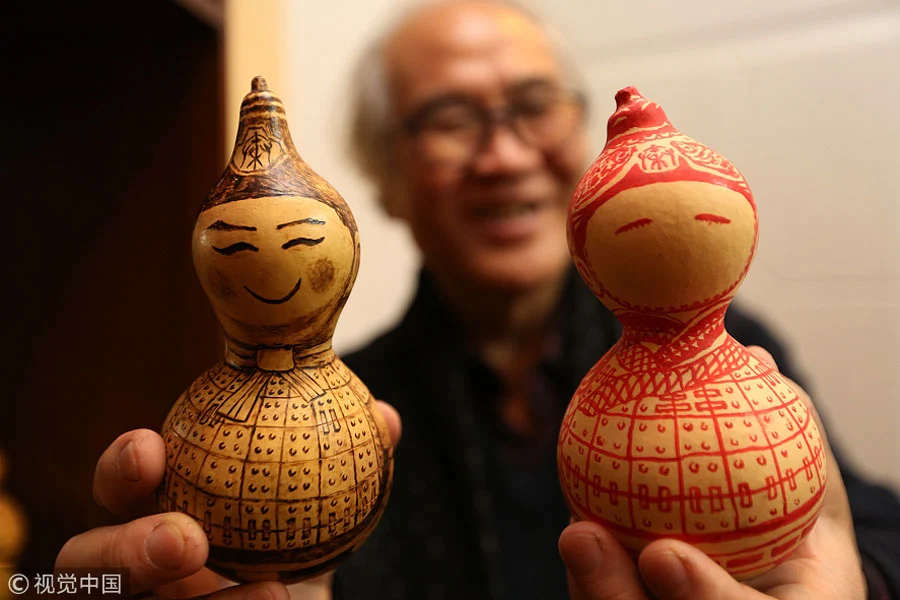
Xi’an, the venerable capital of Northwest China’s Shaanxi province, a city steeped in millennia of history and the cradle of numerous imperial dynasties, is experiencing a vibrant resurgence of its ancient heritage, not through grand architectural restorations or archaeological reveals, but through the delicate and intricate art of calabash carving. Liang Ping’an, a local artist, is transforming the humble gourd into a canvas that breathes life into the city’s storied past, offering a unique and accessible pathway for both residents and visitors to connect with Xi’an’s profound cultural legacy. His work, exemplified by detailed renditions of iconic landmarks like the Great Wild Goose Pagoda and the world-renowned Terracotta Warriors, serves as a tangible testament to the enduring spirit of this historic metropolis.
A Legacy Carved in Gourd
Xi’an’s significance in Chinese history is unparalleled. For centuries, it served as the imperial seat for a succession of powerful dynasties, each leaving an indelible mark on the nation’s cultural and political landscape. The Western Zhou Dynasty (circa 11th century – 771 BC) laid foundational elements of Chinese civilization. The Qin Dynasty (221 – 206 BC), under the unifying rule of Qin Shi Huang, established the first centralized empire and famously commissioned the Terracotta Army, a monumental testament to imperial power and artistry. The Western Han Dynasty (206 BC – AD 24) consolidated this empire and fostered the Silk Road, opening vital trade routes that connected China to the West. Subsequently, the Tang Dynasty (618 – 907), often considered a golden age, witnessed unprecedented cultural flourishing, cosmopolitanism, and artistic innovation.
It is within this rich historical tapestry that Liang Ping’an finds his inspiration. A resident of Xi’an, Liang has dedicated himself to the art of calabash carving, a traditional craft that involves meticulously shaping and decorating the dried fruit of the calabash plant. Unlike many contemporary art forms that utilize modern materials, Liang’s chosen medium is deeply rooted in agricultural traditions and has been used for practical purposes and artistic expression across various cultures for centuries. He has elevated this humble vegetable into a sophisticated medium for artistic storytelling, imbuing each carved piece with the essence of Xi’an’s historical and cultural icons.
Liang’s artistic journey is characterized by a continuous exploration of Xi’an’s most recognizable cultural symbols. His portfolio boasts an impressive array of works depicting landmarks that are synonymous with the city’s identity. The Great Wild Goose Pagoda, a Buddhist stupa built during the Tang Dynasty, stands as a beacon of historical and religious significance, symbolizing the transmission of Buddhist scriptures from India to China. Liang’s carvings of this majestic structure capture its architectural grandeur and its spiritual aura. Equally compelling are his renditions of the Terracotta Warriors, the life-sized clay soldiers, chariots, and horses unearthed from the mausoleum of the First Qin Emperor. These figures, each with unique facial features and armor, represent a remarkable feat of ancient craftsmanship and offer a profound glimpse into the military might and artistic sophistication of the Qin era.
The Artist’s Vision: Connecting Past and Present
For Liang Ping’an, his work transcends mere artistic expression; it is a profound mission to reconnect people with their heritage. "Carving on calabashes is more than a personal hobby," he stated in a recent interview. "I hope people will return to traditional culture and find more inspirations in our city." This sentiment underscores a growing concern in many rapidly modernizing societies: the potential erosion of traditional values and historical consciousness. In Xi’an, a city grappling with the demands of rapid urbanization and economic development, Liang’s art offers a gentle yet powerful reminder of the foundations upon which its modern identity is built.
His approach is not simply to replicate existing imagery but to imbue each carving with a sense of narrative and historical context. By meticulously detailing the armor of a Terracotta Warrior or the intricate rooflines of the Great Wild Goose Pagoda, Liang invites viewers to contemplate the lives, beliefs, and achievements of the people who created these marvels. This engagement fosters a deeper appreciation for the historical depth of Xi’an, moving beyond superficial recognition to a more profound understanding.
Supporting Data and Context
The practice of calabash carving, or húlu diāo (葫芦雕) in Mandarin, has a long and varied history in China. Calabashes themselves have been cultivated for millennia, used for everything from water vessels and containers to musical instruments and decorative objects. Artistic carving on gourds likely emerged as a natural extension of their utilitarian use, with artists discovering the potential of the hardened rind as a durable and versatile medium. Historically, motifs found on carved calabashes often included auspicious symbols, mythological figures, and scenes from folk tales, reflecting traditional beliefs and cultural narratives.
Liang Ping’an’s innovation lies in applying this traditional craft to specific historical and cultural icons of Xi’an. His chosen subjects are not arbitrary; they are the pillars of the city’s global recognition and historical importance. The Terracotta Army, discovered in 1974 by local farmers, has become one of the most significant archaeological finds of the 20th century. Its discovery not only reshaped our understanding of the Qin Dynasty but also propelled Xi’an onto the international tourist map, drawing millions of visitors annually. Similarly, the Great Wild Goose Pagoda, a UNESCO World Heritage site, is a symbol of Xi’an’s Buddhist heritage and its role in the cultural exchange facilitated by the Silk Road.
The economic impact of Xi’an’s historical sites is substantial. In 2019, before the global pandemic, Xi’an welcomed over 100 million tourists, generating a tourism revenue exceeding 1.1 trillion yuan (approximately $150 billion USD). This influx of visitors creates a strong demand for cultural products and souvenirs. Liang’s calabash carvings, therefore, not only serve an artistic and cultural purpose but also tap into a significant market for authentic, handcrafted items that represent the city’s unique identity. These carvings offer a more intimate and personal memento than mass-produced trinkets, allowing tourists to take home a piece of Xi’an’s soul.
Timeline of Cultural Significance in Xi’an
- c. 11th Century – 771 BC: Western Zhou Dynasty. Xi’an (then called Haojing) is established as the capital, laying early foundations for Chinese civilization and governance.
- 221 BC – 206 BC: Qin Dynasty. Qin Shi Huang unifies China and establishes his mausoleum, including the monumental Terracotta Army, near modern-day Xi’an (then called Xianyang).
- 206 BC – AD 24: Western Han Dynasty. Xi’an (then called Chang’an) becomes the capital, flourishing as the starting point of the Silk Road, facilitating trade and cultural exchange.
- AD 618 – 907: Tang Dynasty. Chang’an becomes the cosmopolitan capital of a vast empire, a global center of culture, religion, and commerce. The Great Wild Goose Pagoda is constructed during this era to house Buddhist scriptures.
- 1974: Discovery of the Terracotta Army, revolutionizing understanding of the Qin Dynasty and bringing Xi’an’s ancient heritage to global prominence.
- 2017 onwards: Contemporary artists like Liang Ping’an begin utilizing traditional crafts such as calabash carving to reinterpret and popularize Xi’an’s rich cultural heritage.
Broader Impact and Implications
Liang Ping’an’s artistic endeavor represents a microcosm of a larger trend: the revitalization of traditional crafts as a means of cultural preservation and economic development. In an era dominated by digital media and mass production, the tactile and authentic nature of handcrafted objects holds a special appeal. For Xi’an, this means that its historical narrative is not confined to museums and archaeological sites but can be found in the intricate details of a carved calabash held in someone’s hand.
The implications of Liang’s work are multi-faceted. Firstly, it contributes to the preservation of a traditional art form that might otherwise fade into obscurity. By applying it to new themes and showcasing it to a wider audience, he breathes new life into calabash carving. Secondly, it offers a unique educational tool. For students and the general public, these carvings can serve as engaging gateways to learning about Xi’an’s history, sparking curiosity and encouraging further exploration.
Thirdly, Liang’s art contributes to the diversification of Xi’an’s cultural tourism offerings. While the Terracotta Warriors and ancient city walls are major draws, the availability of unique, locally produced art like his adds another layer of appeal, catering to travelers seeking more authentic cultural experiences. This can help to distribute tourist flow and economic benefits more broadly within the city.
Finally, Liang’s personal dedication highlights the role of individual artists in shaping a city’s cultural identity. His statement, "I hope people will return to traditional culture and find more inspirations in our city," is a call to action for his community. It suggests that the legacy of Xi’an is not a static relic of the past but a dynamic force that can continue to inspire creativity and innovation in the present. This sentiment could resonate with other artists and cultural practitioners in Xi’an, fostering a more vibrant and interconnected cultural ecosystem.
While specific official responses from cultural ministries or tourism boards to Liang’s individual work are not readily available in the provided context, the broader trend of supporting intangible cultural heritage and traditional craftsmanship is a recognized strategy within China’s cultural policy framework. Local governments often provide platforms for artists and artisans to showcase their work through exhibitions, festivals, and cultural events. The increasing global interest in authentic cultural experiences suggests that artists like Liang are likely to find growing support and recognition, both locally and internationally, as they continue to bridge the gap between Xi’an’s glorious past and its dynamic present through their art. His calabash carvings stand as a testament to the enduring power of art to connect us to our history and inspire our future.

 Asep Darmawan
 Rifan Muazin