 Suro Senen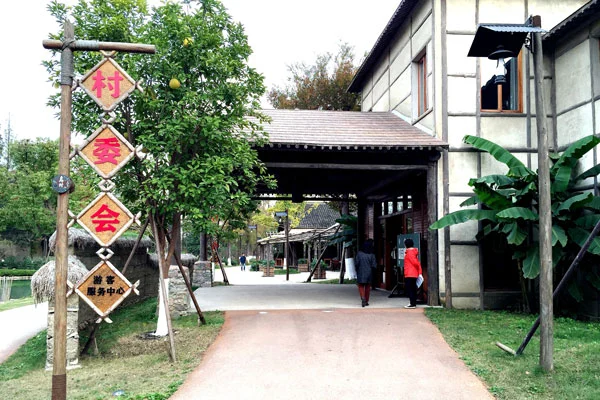
Wucun village, a picturesque retreat nestled within the renowned Wuzhen water town in Zhejiang province, has significantly amplified its appeal to visitors with the inauguration of a vibrant new culture center. This addition complements the village’s existing agrarian allure, characterized by lush green fields and traditional white-walled farmhouses with distinctive black-shingled rooftops. The center, which commenced operations in July, has rapidly become a focal point for family-oriented activities, offering a diverse range of immersive experiences that blend modern entertainment with a nostalgic embrace of rural life.
A Fusion of Tradition and Modernity: The Wucun Culture Center
The newly established culture center is meticulously designed to offer a multifaceted engagement for visitors, particularly families. Its programming is strategically crafted to appeal to a broad age spectrum, fostering intergenerational connections through shared activities. Among the most popular offerings are parent-child workshops that delve into hands-on experiences such as baking, creative Lego block building, art and craft sessions, and even introductory catering classes. Adding an element of adventure, the center also features a rock-climbing facility, catering to the more energetic visitors.
A key distinguishing feature of the center is its deliberate inclusion of activities that evoke a sense of nostalgia. Children are presented with opportunities to engage with games and toys that were commonplace for their parents and even grandparents, offering a tangible link to past generations and a deeper understanding of the evolution of childhood pastimes. This thoughtful integration of retro play aims to bridge generational divides and create shared memories for families.
Zhong Ying, an official representing Wucun, highlighted the center’s immediate impact. "The center has spiced up what Wucun already has and attracted more visitors," she stated, underscoring its role in revitalizing the village’s tourism offerings. The facility has quickly established itself as a significant draw within Zhejiang’s established tourism landscape, particularly in proximity to the globally recognized Wuzhen water town, which itself is a UNESCO World Heritage site and a major tourist destination.
A Strategic Expansion of Wucun’s Pastoral Vision
Wucun village officially opened its doors to the public at the beginning of 2016, with a clear mandate to provide visitors with an authentic pastoral experience. The village’s strategic location further enhances its appeal. It is situated adjacent to the historic Grand Canal, an ancient waterway that historically served as a vital artery connecting the northern capital of Beijing to the southern provincial capital of Hangzhou in Zhejiang. This geographical positioning imbues Wucun with a rich historical context, adding another layer to its scenic beauty.
The core demographic identified as the primary driver of tourism in Wucun is the family unit. Zhong Ying elaborated on this observation, noting, "Family visitors are the major force, and parents want their children to experience the old-fashioned farming life." This insight has guided the development of Wucun’s tourism strategy, prioritizing experiences that connect children with the roots of agricultural living.
August Festival: A Catalyst for Unprecedented Growth
The impact of the culture center and Wucun’s broader family-focused initiatives was dramatically underscored by the success of a month-long children’s festival held in August. This event proved to be a resounding success, attracting substantial crowds and leading to a remarkable surge in visitor numbers. Official figures reveal a staggering 150 percent increase in visitor attendance in August compared to the preceding month of July, indicating a significant boost in the village’s popularity.
During the August festival, participants were immersed in a comprehensive rural experience. Activities included hands-on engagement with farming, such as planting and harvesting vegetables, alongside more recreational pursuits like fishing in the village ponds and picking fruits directly from the trees. The festival also offered the unique opportunity for visitors to reside in traditional rural courtyards, providing an authentic taste of village life.
Popular Programs and Family Bonding
Within the culture center itself, specific activities have emerged as particularly popular among visitors. Zhong Ying identified Western pastry baking and various art projects, including traditional crafts like crochet and plaiting rattan, as the most sought-after programs. She emphasized the inherent value of these activities in fostering stronger family bonds: "Those activities are highly interactive and bring parents and their children closer to each other." This highlights the center’s success in facilitating meaningful family time, moving beyond passive observation to active participation.
The operational model of the culture center is designed for accessibility and engagement. Most classes are fully booked during peak tourism seasons, reflecting high demand. Each session typically lasts between 45 to 60 minutes and is designed to accommodate groups of up to 20 participants, ensuring a personalized and interactive experience for all.
The visitor profile for Wucun and its culture center includes a significant segment of weekend travelers. Tourists from Shanghai, a major metropolitan hub, and Hangzhou, the provincial capital, frequently visit during weekends, seeking respite from urban life and an opportunity to connect with nature and traditional culture. This consistent influx of visitors, particularly from nearby urban centers, solidifies Wucun’s position as a viable and attractive weekend getaway destination.
Broader Implications for Rural Tourism and Cultural Preservation
The success of Wucun village and its new culture center offers a compelling case study for the revitalization of rural tourism in China. By strategically blending traditional agrarian charm with modern, engaging cultural and recreational activities, Wucun has managed to attract a diverse range of visitors, particularly families. This approach not only boosts local economies through increased tourism revenue but also plays a crucial role in preserving and promoting rural heritage.
The emphasis on interactive, family-oriented programming has proven to be a key differentiator. In an era where screen time often dominates children’s lives, providing tangible, hands-on experiences that connect them with nature and traditional crafts offers a valuable educational and developmental opportunity. The nostalgic elements, in particular, resonate with parents who wish to share their cultural heritage with their children, fostering a deeper appreciation for their roots.
The significant increase in visitor numbers following the festival and the ongoing popularity of the culture center’s workshops suggest a growing demand for authentic, experiential travel. This trend can be observed not only in China but globally, as travelers increasingly seek destinations that offer more than just sightseeing, but rather immersive cultural encounters and opportunities for genuine connection.
Furthermore, the development of Wucun can serve as a model for other rural communities looking to capitalize on their unique cultural and natural assets. The strategic investment in infrastructure and programming that caters to specific demographics, such as families, can yield substantial returns in terms of tourism growth and economic development.
The integration of Wucun into the broader Wuzhen tourism ecosystem also highlights the potential for synergistic development. By offering a complementary experience to the well-established water town, Wucun enhances the overall appeal of the region, encouraging longer stays and a more comprehensive exploration of Zhejiang’s cultural landscape.
Looking ahead, the continued success of Wucun will likely depend on its ability to maintain the authenticity of its rural charm while continuously innovating its programming. Sustainable tourism practices, community engagement, and a commitment to preserving the natural and cultural heritage of the village will be crucial for its long-term viability and continued contribution to the region’s cultural tapestry. The Wucun culture center stands as a testament to the power of thoughtful development in transforming rural landscapes into vibrant, engaging destinations for both local and international visitors.

 Asep Darmawan
 Rifan Muazin