 Ammar Sabilarrohman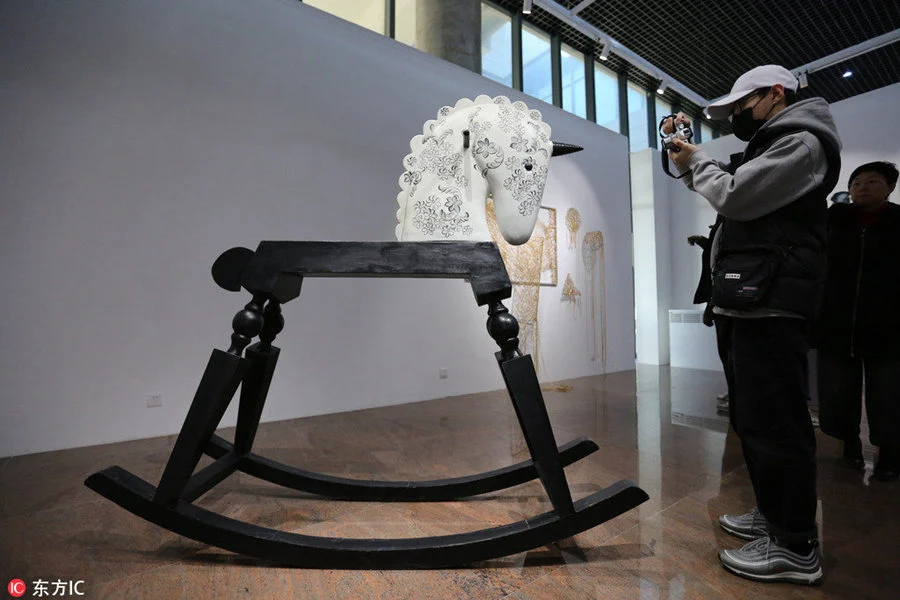
A vibrant showcase of emerging artistic talent has opened its doors in Dalian, Northeast China, offering the public a compelling glimpse into the future of Chinese art and design. The exhibition, hosted at the art museum of the prestigious Luxun Academy of Fine Arts, features over 300 diverse artworks created by students from nine of China’s leading art universities. This significant cultural event, which commenced on December 3, 2017, and runs until December 24, serves as a crucial platform for young artists to demonstrate their innovative concepts, technical prowess, and unique perspectives on contemporary issues.
A Spectrum of Artistic Expression
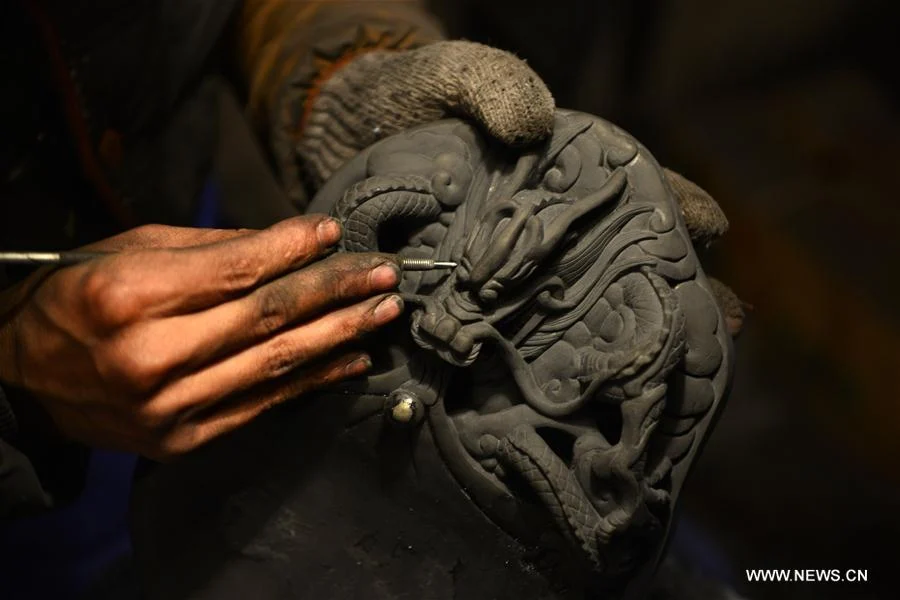
The sheer breadth of artistic disciplines represented underscores the dynamic evolution of art education in China. Visitors are treated to a rich tapestry of creative output, spanning traditional mediums like Chinese paintings and calligraphies, where students explore ancient techniques with modern sensibilities. The exhibition also prominently features intricate sculptures that push the boundaries of form and material, alongside delicate and masterfully crafted porcelains that highlight a deep respect for heritage craftsmanship. Furthermore, the inclusion of industry designs signals a growing emphasis on the practical application of artistic skills, bridging the gap between creative ideation and real-world functionality. This diverse range of mediums allows for a comprehensive understanding of the multifaceted talents being nurtured within China’s top art institutions.
Genesis of the Exhibition: Cultivating Young Creatives
The genesis of this exhibition lies in a strategic initiative by China’s Ministry of Education and related cultural bodies to foster and promote the creative potential of its youth. Recognizing the integral role of art and design in national development and cultural enrichment, these institutions have invested in programs and events designed to elevate the visibility of promising young artists. The selection of nine key art universities – institutions renowned for their rigorous curricula and commitment to artistic innovation – ensures that the exhibition represents a curated collection of the highest caliber. This collaborative effort aims to not only celebrate individual achievements but also to stimulate dialogue and exchange between these leading academies, fostering a more robust and interconnected artistic ecosystem.
The decision to host the exhibition in Dalian, a significant port city with a growing cultural landscape, is also noteworthy. Dalian has increasingly become a hub for artistic exchange, attracting both domestic and international attention. The Luxun Academy of Fine Arts, with its long-standing reputation and state-of-the-art facilities, provides an ideal venue for such a significant display, offering ample space and a sophisticated environment to present the artworks to a wide audience.
Chronology of a Creative Showcase
The planning and execution of an exhibition of this magnitude involves a meticulous timeline. While specific details of the organizational process are not publicly available, typical exhibition cycles for major art events can span many months, if not years.
- Early to Mid-2017: Conceptualization and selection of participating universities. Initial discussions regarding themes, scope, and logistical arrangements would have taken place.
- Mid to Late 2017: Student submissions and curation. Artworks would have been selected by faculty and curatorial teams within each participating university, followed by a central review process to ensure thematic coherence and quality across the entire exhibition. This phase likely involved considerable deliberation to select the most representative and impactful pieces from hundreds of potential entries.
- November 2017: Logistics and installation. Transportation of artworks to Dalian, along with the intricate process of installing each piece according to curatorial plans. This would involve careful handling of diverse materials and the setup of display structures, lighting, and descriptive labels.
- December 3, 2017: Exhibition Opening. The official commencement of the exhibition, marked by an opening ceremony and the public’s first opportunity to engage with the displayed works.
- December 3 – December 24, 2017: Public viewing period. The exhibition remains open, allowing art enthusiasts, students, and the general public to experience the creativity on display.
- Post-December 24, 2017: De-installation and return of artworks. The careful packing and return of all exhibited pieces to their respective institutions.
Supporting Data and the Landscape of Art Education
The exhibition’s focus on students from "key art universities" is significant. These institutions, often identified through national rankings and governmental accreditation, represent the apex of art education in China. While exact figures on student enrollment and graduation rates from these specific nine universities are not provided, the broader context of China’s art education sector offers valuable insights.
China has witnessed a dramatic expansion in higher education, including specialized art and design programs, over the past two decades. Government reports from the Ministry of Education indicate a substantial increase in the number of art and design-related majors offered and students enrolled. This surge reflects a growing societal appreciation for creative industries and their economic potential. The exhibition, therefore, serves as a vital barometer of the quality and direction of this rapidly expanding sector. The sheer volume of output from these leading institutions suggests a robust pipeline of emerging talent, ready to contribute to various creative fields, from fine arts and cultural heritage to the burgeoning fields of digital media and innovative product design.
The diversity of mediums on display – from traditional Chinese painting and calligraphy to contemporary sculpture and industrial design – reflects a curriculum that balances historical grounding with forward-looking innovation. This approach is crucial for preparing students for a globalized creative economy where adaptability and cross-disciplinary skills are paramount.
Inferred Reactions and Perspectives
While direct statements from participating students or faculty are not included in the provided information, the very act of hosting such an exhibition implies a range of anticipated reactions and underlying objectives.
From the Students: For the participating students, this exhibition represents a monumental opportunity. It is a chance to gain invaluable exposure, receive critical feedback on their work, and potentially connect with industry professionals, gallery owners, or future patrons. The confidence and pride in presenting their creations to a wider audience would undoubtedly be a significant motivator. The diverse range of artworks suggests that students are grappling with both personal artistic exploration and broader societal themes, indicating a level of intellectual engagement with their craft.
From the Universities: The participating art academies view this exhibition as a testament to their educational effectiveness and a means of reinforcing their standing as leading institutions. It serves as a powerful recruitment tool, attracting prospective students who aspire to be part of such a dynamic and supportive environment. Furthermore, it allows them to showcase their pedagogical approaches and the innovative research and development occurring within their departments. The collaborative nature of the event also fosters a sense of community and healthy competition among these key institutions.
From the Public: The free admission policy indicates a desire to democratize access to art and culture, making these creative expressions accessible to everyone. The act of a visitor taking photographs, as noted in the accompanying description, signifies engagement and appreciation. This suggests that the exhibition successfully resonates with the public, sparking interest and providing an enriching cultural experience.
From Art Critics and Industry Professionals (Inferred): Art critics and industry professionals would likely be observing this exhibition with keen interest, seeking to identify emerging trends, promising individual talents, and the overall direction of contemporary Chinese art. The inclusion of industrial design, for instance, signals a potential shift in focus towards more commercially viable and technologically integrated creative outputs.
Broader Impact and Implications
The Dalian art exhibition carries significant implications for the development of China’s creative industries and its cultural landscape.
- Nurturing the Next Generation of Creatives: By providing a prominent platform for young artists, the exhibition directly contributes to the cultivation of talent that will shape China’s artistic and design future. This exposure can lead to career opportunities, further artistic development, and contributions to various sectors, including entertainment, advertising, manufacturing, and cultural heritage preservation.
- Promoting Cultural Exchange and Soft Power: Art exhibitions serve as powerful tools for cultural diplomacy. Showcasing the creativity of its youth allows China to project a vibrant and innovative image to the world, fostering understanding and appreciation for its contemporary cultural output. Such events can also spark international collaborations and exchanges, enriching both Chinese and global art scenes.
- Driving Innovation in Art Education: The diverse range of artworks and mediums presented can inform and inspire future curriculum development within art institutions. It highlights the importance of interdisciplinary studies, the integration of technology in art, and the need for students to develop critical thinking and problem-solving skills applicable to real-world challenges.
- Economic Contribution of Creative Industries: The exhibition implicitly highlights the growing economic importance of creative industries. As China continues to transition towards a more innovation-driven economy, the skills and talents nurtured in institutions like those represented here will be increasingly vital. The ability to translate creative ideas into tangible products and experiences is a key driver of economic growth and competitiveness.
- Accessibility and Public Engagement: The decision to make the exhibition free to the public is a crucial aspect of its societal impact. It democratizes access to high-quality art, fostering a more culturally literate populace and encouraging broader engagement with artistic pursuits. This accessibility can inspire future generations of artists and patrons alike.
In conclusion, the exhibition at the Luxun Academy of Fine Arts in Dalian is more than just a display of artworks; it is a significant event that celebrates and propels forward the burgeoning talent of China’s young artists. It offers a compelling snapshot of the evolving landscape of art education and creative expression in China, with far-reaching implications for the nation’s cultural and economic future. The diverse and innovative works on display serve as a testament to the vitality and promise of the next generation of Chinese creatives.

 Asep Darmawan
 Rifan Muazin