Nana Muazin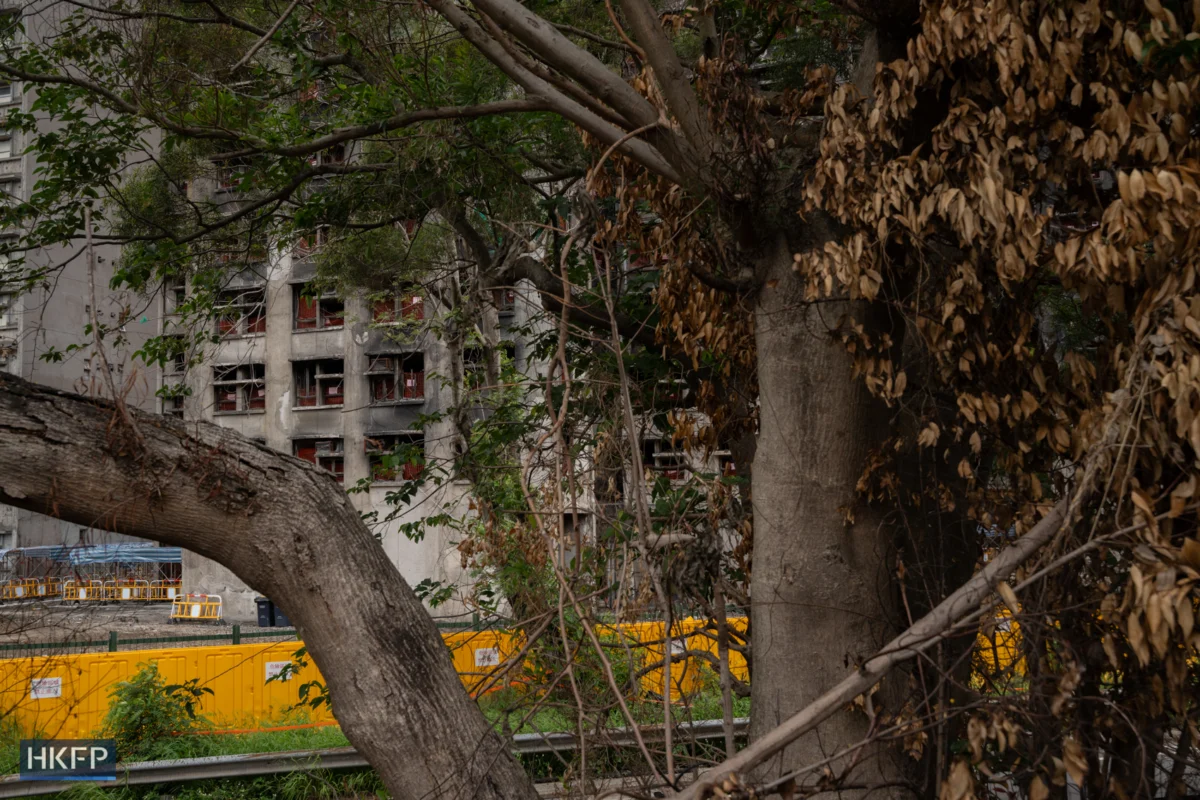
Thirteen homeowners at fire-hit Wang Fuk Court have missed the government’s deadline to participate in an official buyout scheme, according to city housing authorities. This development marks a critical juncture in the government’s efforts to redevelop the site of a devastating fire that claimed 168 lives in November last year. The deadline for homeowners to accept the government’s offer of either cash compensation or a new flat in a subsidized estate passed at 5 p.m. on Monday.
The government’s Housing Bureau confirmed on Thursday that a substantial majority of Wang Fuk Court residents have opted to sell their properties. A total of 1,971 households, representing 99.3 percent of all households in the eight-building residential estate, submitted their letters of acceptance before the stipulated deadline. This high participation rate underscores the widespread desire among residents to move on from the tragedy and the site. Of these, 1,595 owners, or 80.9 percent of the total, have further committed by signing formal sale and purchase agreements with government-appointed estate administrators.

Despite the overwhelming response, the remaining thirteen households now face an uncertain future. Housing authorities have indicated that they will proceed with acquiring the remaining titles "at full speed," but the path forward for these dissenting homeowners remains a point of contention. Officials have explicitly stated that the Monday deadline will not be extended. Furthermore, the government has not ruled out the possibility of utilizing "legislative means" to compulsorily acquire the unsold units, a prospect that has drawn strong criticism from some residents.
A Grim History and a Government Intervention
The inferno that engulfed Wang Fuk Court in late November 2025 was one of Hong Kong’s deadliest residential fires in recent memory. The government’s swift response included the establishment of a special task force to manage the aftermath and provide long-term solutions for the affected residents. The buyout scheme, announced in February of the following year, was designed as a comprehensive solution to relocate and compensate the displaced homeowners.

The scheme offered prices of HK$8,000 or HK$10,500 per square foot, with the latter applying to homeowners who had fulfilled their land premium obligations. These rates were intended to provide a fair market value and facilitate a smooth transition for residents. The option of a cash payout or relocation to a new subsidized estate through a flat-exchange program aimed to cater to diverse needs.
The overwhelming acceptance of the scheme by nearly all residents highlights the profound impact of the fire and the perceived fairness of the government’s proposed compensation and relocation package. The loss of life and the destruction of homes created a deep sense of trauma and a collective need for closure. For many, the buyout represented an opportunity to escape the painful memories associated with Wang Fuk Court and rebuild their lives in a safe and secure environment.
The Standoff: Property Rights vs. Public Interest

The thirteen households who have refused to participate in the buyout scheme present a significant challenge to the government’s redevelopment plans. Their resistance centers on the principle of private property rights and a skepticism towards the government’s proposed acquisition methods for the remaining units.
Betty Ho, one of the dissenting homeowners, has been vocal in her opposition. She previously told Hong Kong Free Press that a compulsory acquisition by the government would constitute "robbing" residents of their private property. "I am interested to see how [the government] could make such a law. It would completely ruin Hong Kong," Ho stated, expressing concerns about the precedent such a move could set for property rights in the city. Her sentiments reflect a broader anxiety among some property owners regarding the potential erosion of their rights in the face of government redevelopment initiatives.
The government, however, appears resolute in its determination to proceed with the site’s redevelopment. Deputy Financial Secretary Michael Wong, who heads the task force overseeing the long-term accommodation arrangements, has indicated that the legislative process for acquiring unsold titles could commence as early as next year. He also cautioned that any compensation offered through legislative means would be "substantially lower" than the buyout offer that has now expired. This warning serves as a clear signal to the remaining homeowners that their refusal to engage with the current scheme could result in less favorable terms.

Potential Implications and Future Course of Action
The government’s willingness to consider legislative measures for compulsory acquisition is a significant development with broader implications. It suggests a potential shift in the balance between individual property rights and the public interest, particularly in cases of large-scale redevelopment projects deemed critical for urban renewal or disaster recovery.
The outcome of this standoff will be closely watched by property owners, developers, and policymakers. The legal framework for compulsory acquisition in Hong Kong, while established, is often a contentious issue. The government’s approach in the Wang Fuk Court case could set a precedent for future urban renewal projects, potentially influencing how such disputes are resolved.

The authorities’ statement that they will continue to follow up on procedures for acquiring the remaining titles "at full speed" indicates a commitment to resolving the situation promptly. However, the legal and social ramifications of any compulsory acquisition will need to be carefully navigated. The government faces the challenge of balancing its redevelopment objectives with the need to uphold residents’ rights and maintain public trust.
The timeline for the remaining thirteen households is now one of increased pressure and potential legal action. While the majority have embraced the government’s solution, these few homeowners stand at a crossroads, facing the prospect of either accepting a less favorable deal or engaging in a potentially protracted legal battle. The future of Wang Fuk Court, once a symbol of community living, now stands as a stark reminder of the complexities involved in urban redevelopment, disaster recovery, and the enduring tension between individual entitlements and collective progress. The coming months will reveal how Hong Kong’s legal and administrative systems address this unique and sensitive situation. The government’s stated intention to proceed with urgency suggests that a resolution, one way or another, is on the horizon.

 Reynand Wu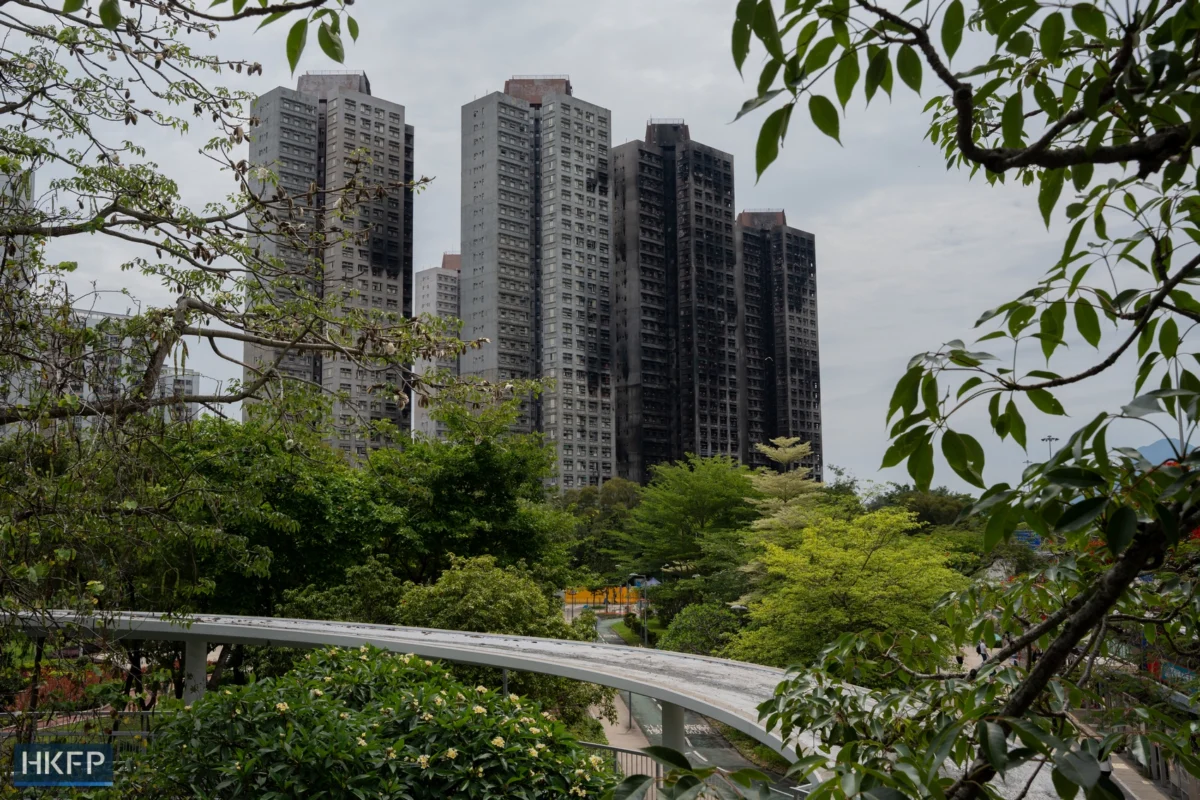
 Siti Muinah