Suro Senen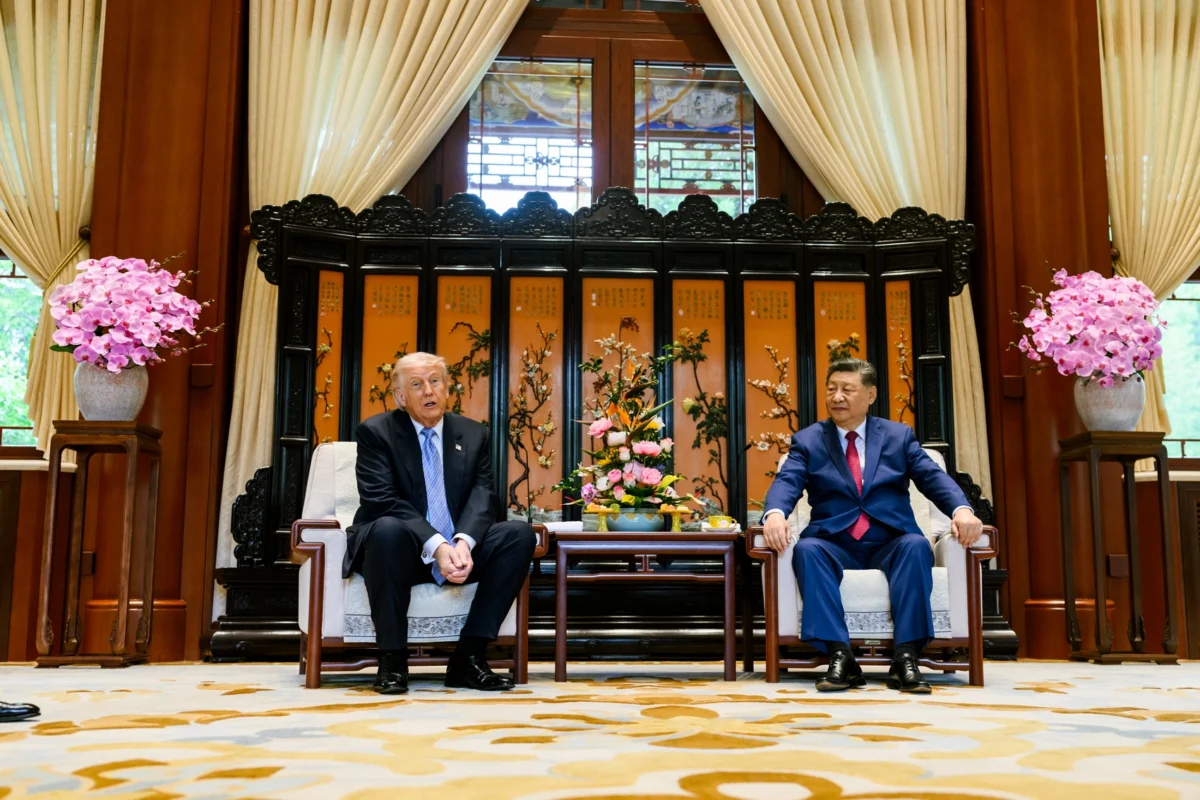
China has confirmed the release of Ezra Jin Mingri, the revered founder of Beijing’s Zion Church, an unregistered Protestant congregation, after his detention since October. His church and family verified the release to Agence France-Presse on Sunday, attributing the diplomatic breakthrough to direct intervention from US President Donald Trump, who raised Jin’s case with Chinese President Xi Jinping during their May meeting. Jin, also known by his Chinese name Mingri, has since arrived in Los Angeles, marking the end of a period of significant uncertainty and a symbolic victory for religious freedom advocates.
The Detention and Diplomatic Overture

Ezra Jin Mingri, a pivotal figure in China’s burgeoning independent Christian movement, was apprehended on October 10 along with several other church members. The official charge leveled against them was "suspicion of the illegal use of information networks," a broad accusation often employed by Chinese authorities to suppress online dissent or activities deemed outside state control. His detention immediately drew international condemnation from human rights organizations and religious freedom watchdogs, who highlighted the escalating crackdown on unofficial religious groups across China.
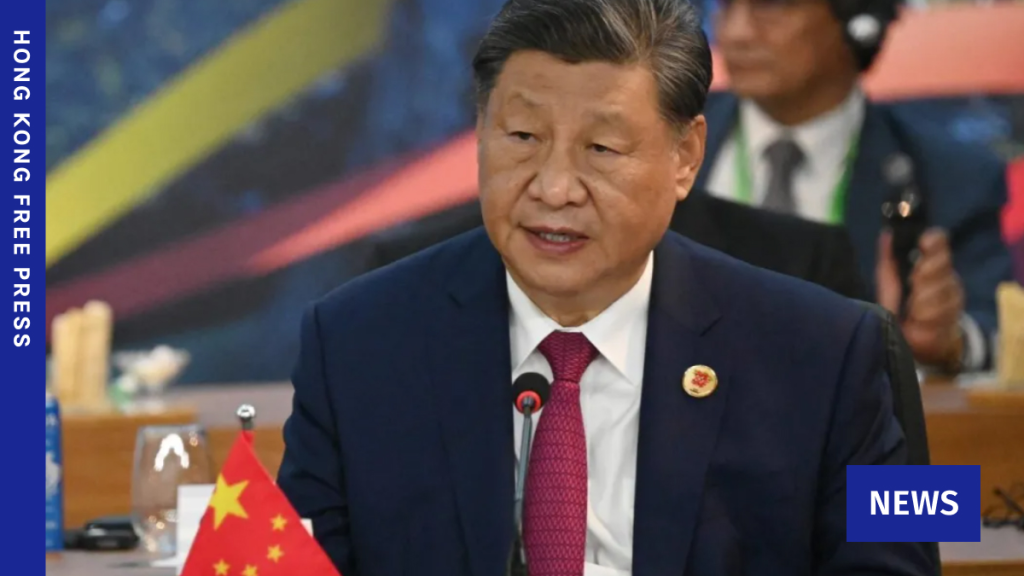
The turning point came in May when US President Donald Trump, during his visit to Beijing for discussions with President Xi Jinping, reportedly brought up Jin’s plight. Trump later indicated that President Xi had pledged to "strongly consider" releasing the pastor. This high-level diplomatic engagement underscored the growing international concern over human rights issues in China, particularly the erosion of religious freedoms under the current administration. The subsequent release, timed as a "goodwill gesture coinciding with America’s Independence Day," as stated by the rights group ChinaAid, suggests a strategic decision by Beijing, possibly aimed at easing tensions with Washington amid complex geopolitical dynamics.
Zion Church: A Beacon of Unregistered Faith

Zion Church, founded by Ezra Jin in 2007 in the heart of Beijing, rapidly grew into one of the largest and most influential unregistered Protestant churches in China. By 2018, it boasted a congregation of approximately 1,500 members, a testament to the strong desire among many Chinese Christians for worship outside the confines of state-controlled institutions. Unlike the state-sanctioned Three-Self Patriotic Movement (TSPM) churches, Zion Church, like many other "house churches," operated independently, refusing to register with the government due to concerns over state interference in theological matters, leadership appointments, and religious teachings. This independence, while cherished by its members, placed it in direct opposition to the Communist Party’s stringent regulations on religious activities.
The inherent tension between unregistered churches and the state reached a critical point in 2018. Following years of escalating pressure, including demands to install surveillance cameras within its premises and to submit to government oversight, Zion Church was forcibly shut down. Authorities sealed its main worship venue, confiscated assets, and detained numerous members. Despite the physical closure, the church demonstrated remarkable resilience, maintaining an online presence that flourished, particularly during the COVID-19 pandemic. This digital congregation, reportedly amassing followers across 40 Chinese cities, allowed Jin and his fellow leaders to continue their ministry, albeit under constant threat of further repression. It was this continued online activity that likely formed the basis for the "illegal use of information networks" charge.
A Family’s Ordeal and a Daughter’s Hope

The impact of Jin’s ministry and the government’s crackdown extended deeply into his personal life. After the 2018 closure of Zion Church, his family, including his wife and two young sons, relocated abroad. However, Jin himself felt compelled to return to China to remain with his congregation, subsequently facing a travel ban that prevented him from leaving the country. His daughter, Grace, shared last year that her father had not seen most of his family for over seven years, highlighting the profound personal sacrifices made by religious leaders under such conditions.
Upon news of her father’s release, Grace Jin expressed profound gratitude. "We thank God for this tremendous miracle," she stated in a message shared with AFP. Her statement also extended thanks to President Trump and his administration "for their tremendous leadership," underscoring the family’s belief that diplomatic pressure was instrumental in securing his freedom. She voiced a broader hope, stating, "We hope this is a signal of a positive turn for people of faith in China and relations between our two nations." While the sentiment is understandable, the broader context of religious repression in China suggests that this release, while significant for Jin and his family, may be an isolated diplomatic gesture rather than a precursor to a sweeping policy shift.
The Broader Landscape of Religious Repression in China

Ezra Jin’s case is not an isolated incident but rather a high-profile example within a systematic and intensifying campaign by the Chinese Communist Party (CCP) to control and "Sinicize" religion. Under President Xi Jinping, the government has significantly tightened its grip on all forms of religious expression, viewing independent religious groups as potential threats to social stability and Party authority.
The "Sinicization of religion" policy, officially promulgated in 2015 and reinforced by the Revised Regulations on Religious Affairs in 2018, aims to bring all religious practices in line with socialist core values and Chinese culture, effectively subordinating faith to the Party’s ideological agenda. This policy has led to widespread crackdowns affecting not only Protestant house churches but also Catholic communities, Tibetan Buddhists, and Uyghur Muslims.
- Protestant Churches: Beyond Zion Church, other prominent unregistered Protestant congregations have faced severe repression. The Early Rain Covenant Church in Chengdu, Sichuan province, a large and influential house church, suffered a major raid in June, leading to the detention of its pastor Wang Yi and several other leaders. This followed earlier detentions of key members in January. Authorities have also removed crosses from church buildings, demolished churches, and imposed strict controls on religious gatherings, particularly those involving minors.
- Catholic Church: While the Vatican and Beijing reached a provisional agreement in 2018 regarding the appointment of bishops, unregistered "underground" Catholic communities continue to face pressure, with many priests and bishops remaining loyal to Rome but operating outside state recognition.
- Tibetan Buddhism and Islam: The crackdowns on Tibetan Buddhism, primarily targeting expressions of loyalty to the Dalai Lama, and the egregious human rights abuses against Uyghur Muslims in Xinjiang, including mass internment in "re-education" camps, represent the most severe manifestations of the Sinicization policy.
These actions demonstrate a clear pattern: any religious practice not fully subservient to the state is deemed illegal and subject to punitive measures. The government employs a range of tactics, from administrative fines and forced closures to arrests and prolonged detentions, often under vague charges like "illegal business operations" or "disturbing social order."

Unanswered Questions and Lingering Concerns
While Jin’s release is a cause for relief, several critical questions and concerns remain. Eight other members of Zion Church, who were detained alongside Jin in October, are reportedly still being held. Their fate remains uncertain, underscoring the selective nature of Jin’s release as a diplomatic gesture rather than a sign of a broader policy shift towards religious tolerance. The Chinese Ministry of Foreign Affairs has not issued any official comment on Jin’s release, maintaining its typical silence on such sensitive human rights cases.
The incident also highlights the complex and often contentious role of human rights in US-China relations. While the Trump administration’s engagement on Jin’s case is seen as a success by advocates, it occurs against a backdrop of wider geopolitical tensions, including trade disputes, technological competition, and disagreements over issues like Hong Kong and Taiwan. Human rights often become bargaining chips or goodwill gestures in this larger strategic game, rather than a consistent focus of bilateral dialogue.

For Chinese Christians, Jin’s release offers a glimmer of hope but also reinforces the precariousness of their situation. The government’s actions demonstrate that international pressure can sometimes yield results, particularly for high-profile cases. However, the underlying policies of control and suppression remain firmly in place. The continued operation of unregistered churches, often underground or online, reflects a deep-seated commitment to faith that persists despite immense state pressure.
In conclusion, the release of Ezra Jin Mingri, a testament to the power of international diplomacy, represents a significant personal triumph and a moment of hope for religious freedom advocates worldwide. However, it must be viewed within the broader, grim reality of religious repression in China. As Jin begins a new chapter in Los Angeles, the fate of countless other religious prisoners and the future of independent faith communities in China remain subjects of profound concern and ongoing international advocacy.

 Sagoh
Sagoh
 Asro
Asro