Neng Nana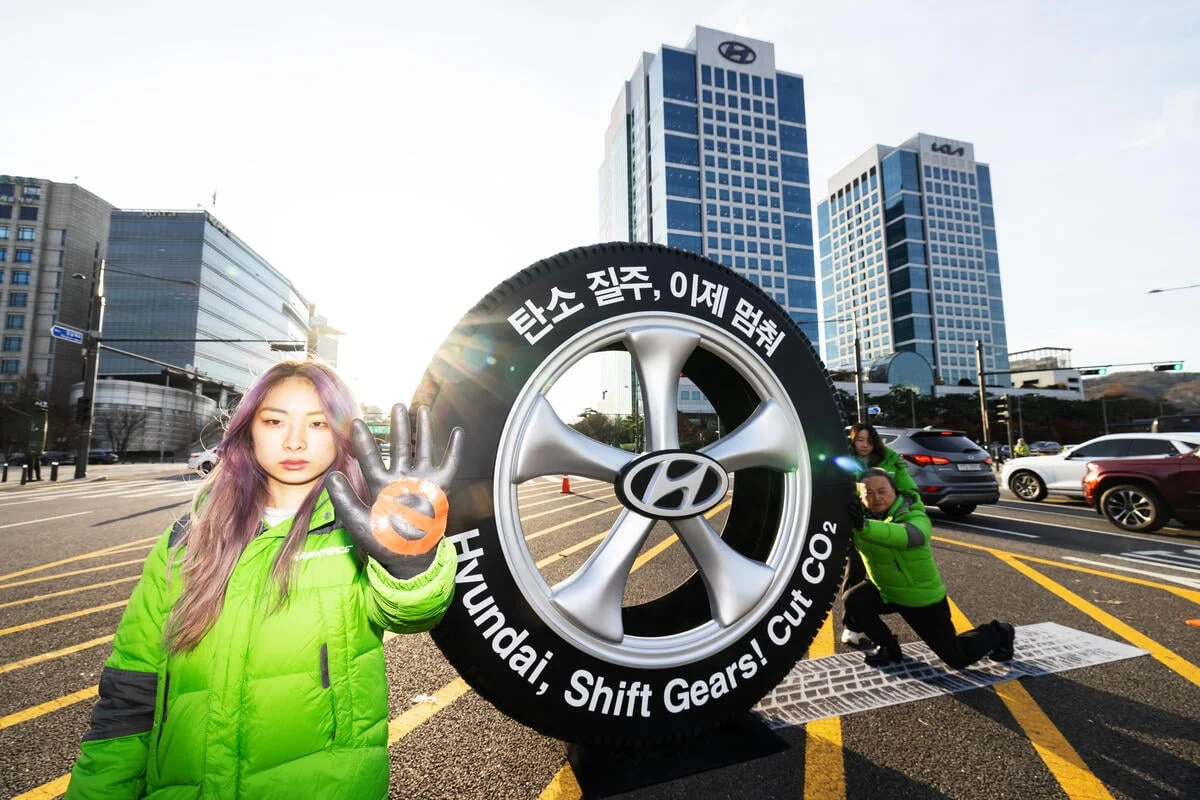
A coalition of international non-governmental organizations (NGOs) has issued a stark call to Hyundai Motor Group Executive Chair Euisun Chung, urging the automotive giant to bridge the significant gap between its public environmental commitments and its actual business practices. The organizations, representing a global network of concerned citizens, are leveraging Hyundai’s prominent role as a long-standing FIFA partner, particularly its substantial investment in the upcoming 2026 FIFA World Cup, to demand tangible action on climate change and human rights within its supply chain.
The letter, addressed directly to Mr. Chung, highlights Hyundai’s extensive two-decade partnership with FIFA and its reported $300 million sponsorship of the 2026 World Cup. This sponsorship positions Hyundai as a leading corporate face of the tournament, a platform the company has increasingly used to promote an image of "clean, green mobility" and a vision of "progress for humanity," often showcased through its electric vehicle (EV) offerings and discussions of a sustainable future.
However, the NGOs contend that the reality of Hyundai’s operations paints a vastly different picture. Citing data, they assert that Hyundai and Kia’s combined annual emissions are comparable to those of Spain, reaching approximately 250 million tonnes of CO2-equivalent each year. Furthermore, despite significant investments in promoting EVs, only 7% of the 6.8 million vehicles sold annually by the group are electric. This stark contrast, the organizations argue, reveals that the overwhelming majority of Hyundai’s current vehicle output still relies on fossil fuels, undermining its "clean, green" branding.
The critique extends beyond emissions to encompass the ethical and environmental integrity of Hyundai’s global supply chain. Reports from the Fair Steel Coalition, Mighty Earth, and Jobs to Move America have meticulously documented severe human rights, labor, and environmental abuses linked to Hyundai’s operations. These allegations include the documented use of child and prison labor, unsafe working conditions, and widespread environmental degradation across various regions. The NGOs emphasize that Hyundai’s stated vision for "progress for humanity" must be fundamentally rooted in addressing these critical issues and ensuring that its investments genuinely benefit workers and affected communities, rather than perpetuating harm.
Recent media coverage of protests organized by this coalition in Guadalajara, Mexico, reportedly prompted a response from Hyundai. However, the NGOs claim that the company’s reaction was insufficient, relying on generic statements about existing processes that fail to adequately address the specific allegations of human rights and environmental due diligence failures. This perceived evasiveness has fueled the NGOs’ determination to press their demands.
The timing of this advocacy is particularly poignant given the upcoming FIFA World Cup. Climate experts have warned that the 2026 tournament is poised to be one of the most carbon-intensive in football history, exacerbated by the participation of corporations with significant environmental footprints. Concerns have also been raised about the potential for a quarter of World Cup matches to be played in dangerously hot conditions due to global warming, posing health risks to athletes and fans alike. The NGOs are deeply concerned that Hyundai is exploiting this global stage to project a misleading image of environmental stewardship that is not reflected in its core business practices.
The coalition explicitly states that they are not seeking perfection from Hyundai but rather honesty and an alignment of its commitments with its actions. They view the World Cup as an opportunity for "sportswashing," where corporations attempt to launder their public image through association with major sporting events. The NGOs are resolute in their stance that they will not allow such practices to go unchallenged.
Key Demands for Hyundai Motor Group:
The NGOs have outlined three specific, actionable demands for Hyundai Motor Group:
-
Accelerated Transition to 100% Electric Vehicle Sales by 2030: The organization calls for a public commitment to a clear, time-bound plan for phasing out internal combustion engine (ICE) vehicles across all global markets, with an accelerated target of achieving 100% electric vehicle sales by 2030. This demand directly challenges Hyundai’s current EV sales percentage and its overall reliance on fossil fuel-powered vehicles.
-
Supply Chain Overhaul with Human Rights and Environmental Standards: Hyundai is urged to "clean up its supply chain" by rigorously upholding human rights and environmental standards at every stage. This includes critical mineral sourcing, manufacturing emissions, and addressing the impact of carbon-intensive materials like steel. A crucial element of this demand is ensuring that these improvements translate into tangible benefits for workers and affected communities.
-
Genuine Climate Leadership, Not Greenwashing, in World Cup Partnership: The NGOs insist that Hyundai’s World Cup partnership must demonstrate authentic climate leadership, not mere greenwashing. This requires transparent, independently verified emissions targets and demonstrable progress towards meeting them throughout the tournament’s lifecycle.
Background and Context:
Hyundai Motor Group’s involvement with FIFA spans over two decades, establishing a deep and symbiotic relationship. The automotive conglomerate has consistently utilized its FIFA sponsorship to enhance its global brand recognition and project an image of innovation and corporate responsibility. The FIFA World Cup, as the world’s most-watched sporting event, offers an unparalleled platform for such branding initiatives.
The 2026 FIFA World Cup, set to be co-hosted by the United States, Canada, and Mexico, is particularly significant. It represents a substantial market for automotive sales, with Hyundai and Kia having recently achieved a record combined market share of 11.3% in the United States in 2025. The NGOs argue that this event presents Hyundai with its "single greatest opportunity" to win over consumers in this critical market, not through superficial advertising, but by demonstrating concrete commitments to sustainable practices and a just supply chain.
The NGOs’ focus on the supply chain, particularly steel production, is noteworthy. Steel is a fundamental component of vehicle manufacturing and is also a highly carbon-intensive industry. Reports from organizations like Mighty Earth have previously highlighted the environmental and social impacts associated with steel production, including issues related to mining, energy consumption, and labor practices. By demanding accountability in this area, the NGOs are targeting a foundational element of Hyundai’s manufacturing process.
Chronology of Advocacy:
While the recent letter to Euisun Chung marks a significant escalation, the NGOs’ efforts to hold Hyundai accountable have been ongoing. Reports detailing supply chain abuses have been published over the past few years, building a case for corporate responsibility. The protests in Guadalajara serve as a recent example of direct action aimed at drawing public attention to these issues. The timing of the letter, strategically placed ahead of major marketing opportunities presented by the World Cup, underscores the NGOs’ intent to exert maximum pressure on Hyundai to enact meaningful change before the tournament commences.
Analysis of Implications:
The NGOs’ demands place Hyundai Motor Group at a critical juncture. Failure to adequately address these concerns could lead to significant reputational damage, particularly as consumer awareness of corporate social responsibility and environmental impact continues to grow. The automotive industry, in general, is under immense pressure to transition to sustainable practices, and Hyundai’s leadership position makes it a key player in this transformation.
The NGOs’ strategy of linking environmental pledges with the highly visible FIFA World Cup sponsorship is a powerful tactic. It leverages the global spotlight to scrutinize corporate claims and demand accountability from one of the world’s largest automakers. The success of this campaign could set a precedent for other corporations using major sporting events for marketing purposes, encouraging greater transparency and genuine commitment to sustainability and ethical practices.
The call for a 2030 EV sales target is ambitious, requiring a rapid acceleration of current trends. This would necessitate substantial investment in battery technology, charging infrastructure, and manufacturing capacity, as well as a strategic pivot away from ICE vehicle production. The demand for supply chain reform is equally complex, involving extensive auditing, collaboration with suppliers, and potential renegotiation of contracts to ensure compliance with stringent human rights and environmental standards.
Reactions and Future Outlook:
While the provided text does not include a direct response from Hyundai Motor Group to the specific demands of this latest letter, their prior generic response to protests suggests a strategy of acknowledging concerns without necessarily committing to the specific actions requested. The NGOs are clearly anticipating this and are prepared to continue their advocacy.
The coming months will likely see increased scrutiny of Hyundai’s environmental and labor practices. The NGOs have indicated their intention to actively monitor Hyundai’s progress and to continue raising public awareness. The FIFA World Cup itself will become a focal point, with potential for further protests and media attention aimed at highlighting any perceived discrepancies between Hyundai’s marketing and its operational realities.
The commitment of the listed NGOs, ranging from environmental advocacy groups like Greenpeace and Sierra Club to labor rights organizations like Jobs to Move America, signals a unified front. Their collective effort aims to demonstrate that "progress for humanity" cannot be achieved through a veneer of corporate responsibility while systemic issues of pollution and exploitation persist. The onus is now on Hyundai Motor Group to demonstrate that its vision for the future is more than just marketing slogans, but a genuine commitment to responsible and sustainable global citizenship.

 Muslim
 Basiran