Rifan Muazin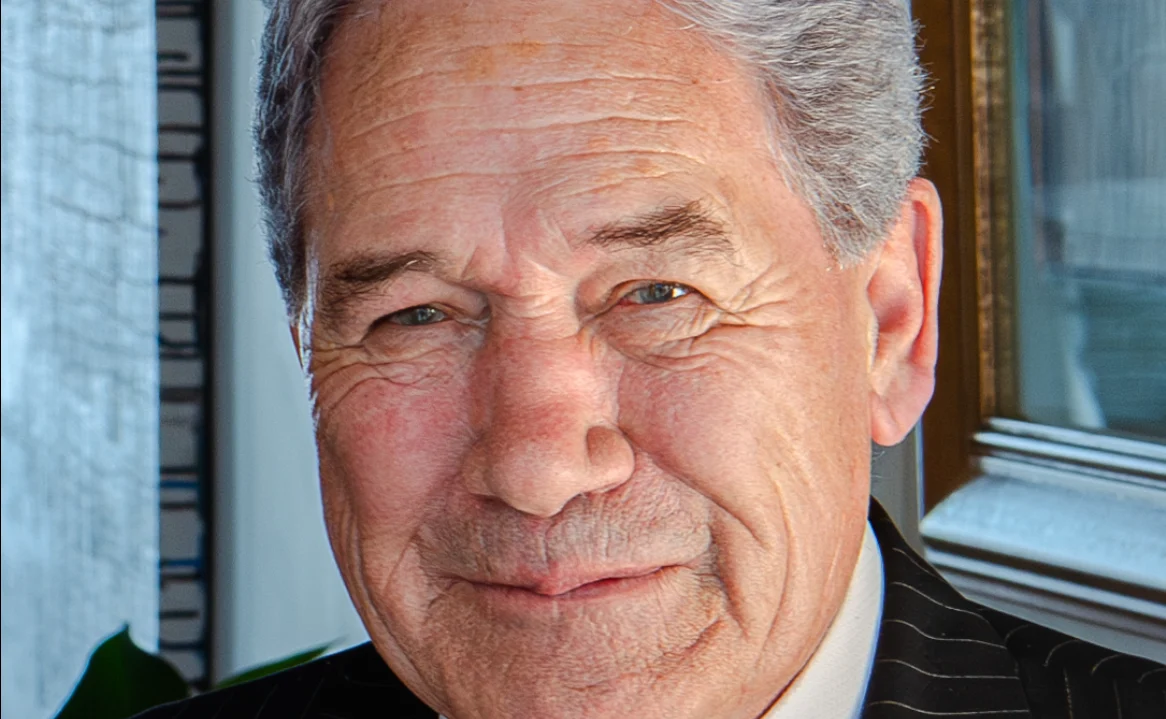
New Zealand’s Foreign Minister, Winston Peters, ignited a significant political and diplomatic controversy on Thursday after a heated exchange in Parliament where he instructed a Green Party lawmaker of Chinese descent, Lawrence Xu-Nan, to "go back to your own country." The remarks, made during a debate on New Zealand’s Covid-19 pandemic response, swiftly drew a rare public rebuke from Beijing’s ambassador to Wellington, Wang Xiaolong, and reignited long-standing debates about race, immigration, and parliamentary conduct within the Pacific nation.
The contentious incident unfolded on Wednesday during a parliamentary session focused on New Zealand’s handling of the Covid-19 crisis. Lawrence Xu-Nan, a Member of Parliament for the Green Party, who was born in Tianjin, China, but grew up in Auckland, posed a direct question to Peters, asking, "Are you vaccinated?" The question, presumably aimed at probing the government’s stance or Peters’ personal compliance with public health measures, elicited an unusually aggressive and personal retort from the veteran politician. Peters, known for his populist rhetoric and often confrontational style, responded by disparaging Xu-Nan’s background and his right to question him. He asserted that the lawmaker had "come here five minutes ago," before emphatically stating, "Go back to your own country. That’s where they lie like a flatfish, but they don’t lie like that here." Peters continued his verbal assault, adding, "This is called a democracy, unlike what you’re used to. Go back to where you’ve come from, you loudmouth." The comments immediately sparked outrage within the parliamentary chamber and beyond, quickly becoming a focal point of national discussion.
Winston Peters: A Veteran Politician and Populist Voice

Winston Peters, a political figure with a career spanning several decades, is the leader of the New Zealand First (NZ First) party and currently serves as the Deputy Prime Minister and Minister of Foreign Affairs in the coalition government. Born in 1945, Peters has been a prominent and often polarizing force in New Zealand politics since the late 1970s. His party, NZ First, is characterized by its nationalist and populist platform, frequently advocating for tighter immigration controls, a strong national identity, and a skeptical approach to globalism. The party has consistently positioned itself as a defender of "Kiwi" values, a stance that has, at times, veered into controversial territory concerning immigration and cultural diversity. NZ First’s role as a "kingmaker" in New Zealand’s often-fractured multi-party system has given Peters significant leverage, allowing him to shape government policy and occupy key ministerial roles across different administrations. His political brand is built on direct communication, often seen by supporters as refreshingly honest, but by critics as aggressive and divisive. This latest outburst is consistent with a pattern of confrontational rhetoric that has defined much of his career.
Lawrence Xu-Nan: An Emerging Voice for Diversity
Lawrence Xu-Nan represents a newer generation of New Zealand politicians, embodying the country’s increasing demographic diversity. Born in Tianjin, China, he immigrated to New Zealand at a young age and was raised in Auckland, making him a naturalized citizen and a fully integrated member of New Zealand society. His journey from an immigrant background to a Member of Parliament for the Green Party highlights the aspirations and contributions of New Zealand’s multicultural population. As a Green Party MP, Xu-Nan advocates for environmental protection, social justice, and inclusive policies, often challenging traditional political norms. His question regarding Peters’ vaccination status was a legitimate parliamentary inquiry, aimed at transparency and public health accountability, making Peters’ personal attack particularly jarring and inappropriate in the context of democratic debate.
Diplomatic Fallout: Beijing’s Unusual Intervention

The severity of Peters’ comments was underscored by a rare public intervention from China’s ambassador to New Zealand, Wang Xiaolong. On Thursday, Ambassador Wang took to X (formerly Twitter) to express his disapproval, stating that while he generally preferred to stay out of domestic politics, "suffice it to say, sometimes, a statement says more about the person that makes it than anything or anybody else." This diplomatic retort, though subtly worded, was a significant departure from standard diplomatic practice, where ambassadors typically refrain from commenting on the internal affairs of their host nations. The intervention signals Beijing’s deep displeasure, especially given the sensitivity surrounding issues of national origin and perceived xenophobia.
Peters, however, remained unrepentant and quickly fired back at Ambassador Wang, asserting that the ambassador’s comments had "proven my point." He continued his defiant stance on X, declaring, "We live in a democracy that includes free speech and rights – those two values that other certain countries not only limit, but do so with force." Peters concluded his response with a pointed message: "If that offends the pearl clutchers and the communist shills labelling it as ‘dangerous’ – welcome to New Zealand." This escalation transformed a parliamentary spat into a direct diplomatic confrontation, highlighting the ongoing geopolitical tensions and the delicate balance New Zealand navigates in its relationship with China, its largest trading partner.
A Pattern of Controversial Remarks
This incident is not an isolated occurrence but rather fits into a broader pattern of controversial and racially charged comments made by Winston Peters and other senior members of the NZ First party. Critics argue that these remarks often target immigrant communities, leveraging populist sentiment for political gain.

Earlier in the year, Shane Jones, Peters’ deputy and a prominent NZ First figure, drew significant criticism for his comments regarding New Zealand’s free trade deal with India. Jones controversially warned of a potential "butter chicken tsunami," implying an undesirable influx of Indian culture or goods that would overwhelm New Zealand. This remark was widely condemned as culturally insensitive and xenophobic, undermining New Zealand’s efforts to foster stronger trade and diplomatic ties with India.
Another notable incident occurred last year when Peters and Jones faced pressure to retract comments made during a parliamentary debate. Jones had reportedly yelled "send the Mexicans home" at Mexican-born MP Francisco Hernandez. Peters then compounded the offense by telling both Hernandez and Lawrence Xu-Nan to "show some gratitude" for being in New Zealand. These incidents, occurring in quick succession and involving senior party members, indicate a recurring issue within NZ First regarding its approach to diversity and immigration, and its willingness to employ rhetoric that many perceive as racist or nativist.
Broader Implications for New Zealand Society and International Relations
The recent remarks by Winston Peters have ignited a fervent national debate about freedom of speech, parliamentary decorum, and the broader issues of racism and xenophobia in New Zealand. While Peters and his supporters often frame such comments as robust democratic expression and a defense of national identity, critics argue that they normalize intolerance and create a hostile environment for immigrant communities.

New Zealand prides itself on its multiculturalism and its progressive stance on human rights. However, incidents like these challenge that image, particularly among its diverse population and international partners. The country’s demographic landscape has been significantly shaped by immigration over recent decades, with people of Asian descent forming a substantial and growing part of the population. According to Statistics New Zealand, the Asian ethnic group is the third largest in New Zealand, making up over 15% of the population in the 2018 census, a figure that continues to grow. Comments like Peters’ can alienate these communities, undermining efforts towards social cohesion and inclusivity.
Furthermore, the diplomatic exchange with China carries significant weight. China is New Zealand’s largest trading partner, with bilateral trade reaching record levels in recent years. While New Zealand has generally maintained a pragmatic and independent foreign policy, balancing its economic ties with China against its traditional alliances with Western democracies, such direct confrontations risk souring relations. Beijing’s rare public rebuke underscores the potential for diplomatic strain, especially on sensitive issues related to national identity and perceived disrespect towards its citizens, even those who are also citizens of other nations. The incident could complicate future diplomatic engagements and trade negotiations, potentially impacting New Zealand’s economic interests.
Parliamentary Conduct and Ethical Considerations
The incident also raises questions about the standards of conduct within the New Zealand Parliament. Parliamentary privilege protects lawmakers from legal action for statements made in the House, ensuring freedom of debate. However, this privilege is not absolute and is expected to be exercised responsibly. Critics argue that Peters’ comments crossed a line, moving from legitimate political debate to personal attack based on ethnicity and origin. Calls for accountability from Peters and NZ First have emerged from opposition parties and civil society groups, urging a reflection on the divisive nature of such rhetoric. The Speaker of Parliament may also face pressure to address such conduct and reinforce expectations of respectful debate, even amidst robust political disagreement.

The Road Ahead
The fallout from Winston Peters’ comments is likely to continue resonating within New Zealand’s political landscape and international relations. For Peters and NZ First, the incident reinforces their populist image, potentially galvanizing their base ahead of future elections. However, it also risks alienating centrist voters and further straining relations with key diplomatic partners. For New Zealand as a nation, the episode serves as a stark reminder of the ongoing challenges in fostering an inclusive society while navigating complex international dynamics. The debate surrounding Peters’ remarks is not merely about a single verbal exchange but touches upon the core values of democracy, diversity, and diplomatic responsibility that define New Zealand in the 21st century. As the country moves forward, the handling of such incidents will be crucial in shaping its identity and its standing on the global stage.

 Iffa Jayyana
 Jia Lissa