Evan Lee Salim
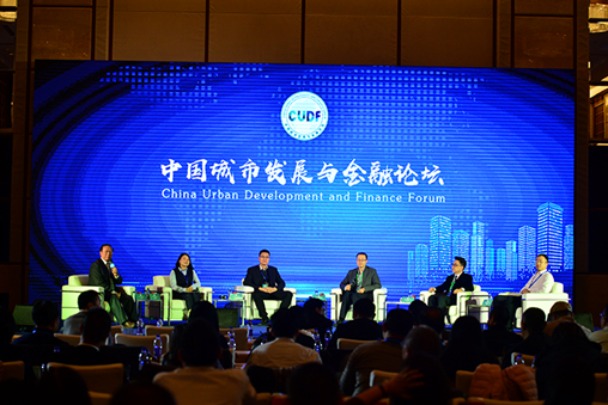
A pivotal gathering for urban sustainability convened in Beijing on Saturday, December 9, 2017, bringing together a diverse array of stakeholders to confront the intricate challenges of urban development and champion a future rooted in ecological balance and shared prosperity. The China Urban Development and Finance Forum, spearheaded by Shunxin Construction, served as a crucial platform for experts, policymakers, and industry leaders to deliberate on fostering greener, more sustainable urban environments, emphasizing a development paradigm that is "innovative, coordinated, green, open, and shared by all." The discussions underscored the imperative for synergistic collaboration between governmental bodies, private enterprises, and academic institutions to achieve mutually beneficial outcomes in the nation’s ongoing urbanization campaign.
Decades of Rapid Urbanization and Emerging Challenges
China’s journey through urbanization has been one of the most transformative demographic shifts in human history. Following the initiation of economic reforms in the late 1970s, the country witnessed an unprecedented migration from rural areas to burgeoning cities. From an urbanization rate of just 17.9% in 1978, the figure had surpassed 50% by 2011 and was nearing 60% by 2017, with projections indicating it would reach 70% in the coming decades. This rapid expansion, while fueling decades of economic growth and lifting millions out of poverty, simultaneously spawned a myriad of environmental, social, and economic pressures. Large cities grappled with severe congestion, escalating housing costs, and strained public services, while air and water pollution became pervasive concerns. Concurrently, many second- and third-tier cities and townships struggled with underdevelopment, lacking the infrastructure and economic vibrancy to attract and retain populations effectively.
This context necessitated a strategic re-evaluation of China’s urban development model. The traditional growth-at-all-costs approach, often characterized by extensive land development and resource exploitation, was increasingly recognized as unsustainable. The 18th National Congress of the Communist Party of China (CPC) in 2012, and more emphatically the 19th Congress in October 2017, signaled a profound shift towards a "new development philosophy." This philosophy, championed by President Xi Jinping, calls for development that prioritizes quality over quantity, sustainability over speed, and equity over mere economic output. The forum, held shortly after the conclusion of the 19th CPC Congress, reflected this renewed national commitment to a more balanced and environmentally conscious approach to urbanization.
The New Development Philosophy: A Blueprint for Urban Transformation
The "innovative, coordinated, green, open, and shared" development philosophy formed the intellectual bedrock of the forum’s discussions, offering a comprehensive framework for addressing China’s urban challenges.
-
Innovation-Driven Growth: This pillar emphasizes technological advancement and institutional reform as primary drivers of urban progress. For cities, this translates into fostering high-tech industries, developing smart city solutions, and encouraging entrepreneurial ecosystems that can generate sustainable economic activity and improve urban governance. It means moving beyond traditional manufacturing to embrace digital economies, artificial intelligence, and advanced manufacturing that have a smaller environmental footprint.

-
Coordinated Regional Development: Recognizing the spatial imbalances in China’s development, this principle advocates for more harmonious growth across different regions and between urban and rural areas. In an urban context, this involves integrated planning for city clusters, promoting inter-city transportation networks, and ensuring that development in major metropolitan areas does not unduly drain resources or talent from smaller towns, but rather creates synergistic relationships that benefit all. It seeks to tackle the problem of overcrowded mega-cities and underdeveloped smaller cities by encouraging a more balanced distribution of resources and opportunities.
-
Green and Ecological Civilization: Perhaps the most directly relevant to the forum’s theme, this principle places ecological protection and sustainable resource management at the core of all development efforts. For urban areas, it mandates strict environmental regulations, the promotion of renewable energy, extensive greening initiatives, waste reduction and recycling programs, and the development of eco-friendly infrastructure. The goal is to build "sponge cities" capable of managing stormwater, reduce carbon emissions, and create livable environments where nature and urban life coexist harmoniously. This aligns with China’s broader national commitment to carbon neutrality and peak emissions targets.
-
Openness for Global Engagement: This dimension promotes greater integration with the global economy and encourages international cooperation in urban planning and governance. For Chinese cities, it means attracting foreign investment, facilitating international trade, learning from global best practices in sustainable urban development, and contributing China’s own experiences to the global dialogue on urbanization. It fosters a more inclusive and interconnected urban landscape, drawing on diverse perspectives to solve complex problems.
-
Shared Prosperity and Inclusivity: This principle aims to ensure that the benefits of urban development are distributed equitably among all residents. It calls for enhanced public services, affordable housing, improved social safety nets, and efforts to reduce income disparities within cities. For the forum, this meant discussing how urban development can improve the quality of life for all citizens, including migrant workers and vulnerable populations, ensuring that no one is left behind in the pursuit of urban modernization.

Shunxin Construction’s Vision and Role
As the primary sponsor of the forum, Shunxin Construction, a prominent entity in China’s construction and development sector, articulated its strong commitment to these national development directives. Wang Yawei, the board chairman of Shunxin Construction, emphasized the company’s strategic alignment with the "innovative, coordinated, green, open, and shared" philosophy. He affirmed that the company would steadfastly adhere to these principles in its future projects and operational strategies, signaling a shift from traditional construction models towards more sustainable and integrated urban solutions. This commitment is particularly significant given the construction industry’s substantial environmental footprint and its crucial role in shaping urban landscapes.
Wang Yawei also highlighted the company’s proactive stance in pushing forward supply-side structural reform. Introduced in 2015, supply-side reform aims to optimize the allocation of resources by reducing ineffective supply and increasing effective supply, particularly in sectors facing overcapacity or outdated production methods. For the construction sector, this translates into focusing on high-quality, green, and smart buildings, rather than merely expanding quantity. It means investing in research and development for new materials, energy-efficient designs, and intelligent construction technologies, thus driving sustainable growth for the company and contributing to the nation’s broader economic restructuring.
Further underscoring the financial dimension of sustainable urban development, Wei Wuqun, general manager of Shunxin Construction Investment and Fund, presented funding as a critical solution for urban development and state-owned enterprise (SOE) reform. As a state-owned enterprise itself, Shunxin Construction’s embrace of reform and innovative financing models is indicative of a broader trend within China’s SOE sector. Wei Wuqun likely discussed how investment funds could be leveraged to finance large-scale urban renewal projects, infrastructure upgrades, and green initiatives, often through public-private partnerships (PPPs). Such mechanisms enable the pooling of capital from various sources, mitigating financial risks for individual entities and ensuring the long-term viability of complex urban projects. The reform of SOEs is crucial for improving their efficiency, market responsiveness, and capacity to contribute to national development goals without solely relying on government subsidies.

The Imperative of Urban Restoration: A Case Study in Sanya
A particularly insightful presentation came from Wang Zhongjie of the China Academy of Urban Planning and Design, who elucidated the concept of "urban restoration" using the vibrant coastal city of Sanya in Hainan province as a compelling example. Urban restoration, as explained by Wang, transcends mere physical renovation; it is a holistic approach aimed at rehabilitating the urban environment, enhancing the city’s aesthetic appeal, and deeply embedding its unique cultural connotations into its physical fabric.
-
Beyond Demolition and Reconstruction: Unlike past models that often favored large-scale demolition and reconstruction, which could erase historical memory and disrupt social networks, urban restoration seeks to revitalize existing urban areas. It involves ecological rehabilitation, such as restoring degraded natural landscapes, improving water quality, and creating more green spaces. It also encompasses the sensitive renovation of old buildings and neighborhoods, preserving architectural heritage while upgrading infrastructure and living conditions. This approach is more sustainable, cost-effective, and culturally sensitive.
-
Sanya: A Model for Ecological and Cultural Revival: Sanya, renowned for its pristine beaches and tropical climate, faced typical challenges associated with rapid tourism development, including unchecked construction, environmental degradation, and the potential loss of local character. Wang Zhongjie’s example likely detailed how Sanya embarked on projects to restore its coastline, manage waste, improve public transportation, and integrate its unique ethnic Li and Miao cultures into urban design. This could have involved cleaning up polluted rivers, creating pedestrian-friendly zones, revitalizing traditional markets, and incorporating local architectural styles and artistic expressions into new developments. The goal was to transform Sanya into a "beautiful city" that not only attracts tourists but also provides a high quality of life for its residents, with a strong sense of place and cultural identity. Such initiatives align perfectly with the "green" and "shared" principles of the new development philosophy, demonstrating how ecological health and cultural heritage are integral to sustainable urbanism.

Dual Seminars: Environment and Smart Finance at the Forefront
The forum’s agenda was further enriched by two parallel seminars, delving into specific critical areas of urban development: the balance between urban development and environmental resources, and the emerging field of smart urban finance.
-
Balancing Growth with Ecological Limits: The first seminar directly addressed the tension between economic expansion and ecological preservation. Participants, including representatives from pilot cities actively engaged in urban restoration, discussed practical strategies for mitigating the environmental impact of urban growth. This likely encompassed topics such as developing green building codes, promoting circular economy principles (reducing, reusing, recycling), investing in public transport to lower carbon emissions, and implementing advanced waste management systems. Discussions would have focused on how cities can set and achieve ambitious environmental targets, measure their ecological footprint, and integrate environmental considerations into every stage of urban planning, from zoning laws to infrastructure projects. Experiences from cities that had successfully balanced economic growth with environmental protection, demonstrating tangible improvements in air quality, water purity, and green coverage, would have been particularly valuable.
-
Pioneering Smart Urban Finance: The second seminar explored the innovative financial mechanisms required to fund sustainable urban projects. "Smart urban finance" goes beyond traditional municipal bonds or bank loans, incorporating digital technologies and data analytics to optimize resource allocation, enhance transparency, and attract diverse forms of investment. This could involve discussions on blockchain for transparent project tracking, AI-driven platforms for infrastructure asset management, and the use of big data to identify areas for efficient public spending. The seminar likely explored the role of specialized urban development funds, green bonds, and the potential for leveraging private capital through well-structured PPPs that offer attractive returns while delivering public goods. The emphasis would have been on creating resilient and adaptable financial frameworks that can support long-term urban sustainability goals, ensuring that innovative projects have access to necessary capital.

Pilot Cities Share Insights and Best Practices
A significant component of the seminars involved representatives from various pilot cities of urban restoration sharing their firsthand experiences. These presentations provided valuable insights into the practical application of urban restoration concepts, highlighting both successes and challenges. The shared experiences likely covered:
- Innovative Solutions: How cities developed unique solutions tailored to their local contexts, such as revitalizing industrial heritage sites, transforming disused spaces into public parks, or integrating traditional crafts into modern urban design.
- Policy Implementation: The challenges of translating national policies into local action, including overcoming bureaucratic hurdles, securing funding, and engaging local communities.
- Community Engagement: The importance of involving residents in the planning and implementation of restoration projects to ensure they meet local needs and garner public support.
- Measuring Impact: Methods for assessing the environmental, social, and economic impacts of urban restoration efforts, providing data-driven evidence for their effectiveness.
- Lessons Learned: Key takeaways for other cities embarking on similar journeys, emphasizing adaptive management and continuous learning.
These dialogues fostered a rich exchange of ideas, enabling participants to learn from diverse approaches and collectively refine strategies for sustainable urban development across China.
Broader Implications for China’s Urban Landscape

The China Urban Development and Finance Forum, held in the wake of the 19th CPC Congress, was more than just a gathering; it was a strong affirmation of China’s strategic pivot towards a new, high-quality development model for its cities. The forum’s discussions carry significant implications for the nation’s future trajectory.
-
Redefining the Urban-Rural Divide: The emphasis on coordinated development and urban restoration suggests a more nuanced approach to the urban-rural divide. Instead of a one-way migration, there is a push for integrated regional development that aims to create attractive living and working conditions in smaller cities and townships, alleviating pressure on mega-cities and fostering more balanced national growth. This could lead to a revitalization of rural areas adjacent to urban centers, promoting agri-tourism and ecological agriculture.
-
Economic Resilience and New Growth Engines: By prioritizing innovation, green technologies, and high-quality infrastructure, China is actively cultivating new engines of economic growth. The shift towards sustainable development creates massive opportunities in environmental protection industries, renewable energy, smart city technologies, and advanced urban planning services. This not only bolsters economic resilience against external shocks but also positions China as a leader in the global green economy.
-
Enhancing Quality of Life for Citizens: Ultimately, the forum’s core message revolved around improving the well-being of urban residents. Greener cities, better public services, cultural preservation, and equitable development all contribute to a higher quality of life. As China’s middle class expands, citizens increasingly demand healthier environments and more livable cities, and the policies discussed at the forum are designed to meet these evolving aspirations.

-
A Model for Global Sustainable Development: China’s experience in managing rapid urbanization and now transitioning to sustainable urbanism offers valuable lessons for developing countries worldwide. By openly discussing challenges and sharing solutions, as exemplified by forums like this, China contributes significantly to the global discourse on sustainable development, aligning its efforts with the United Nations Sustainable Development Goals (SDGs), particularly SDG 11: Sustainable Cities and Communities.
Conclusion: Charting a Sustainable Course
The China Urban Development and Finance Forum in December 2017 represented a crucial milestone in China’s commitment to forging a sustainable urban future. By bringing together diverse voices and focusing on the "innovative, coordinated, green, open, and shared" development philosophy, the forum laid out a comprehensive roadmap for tackling complex urban problems. The emphasis on urban restoration, innovative financing, and the delicate balance between development and environmental preservation underscored a profound shift in national priorities. As China continues its unprecedented urbanization journey, the principles and collaborative spirit fostered at this forum will be instrumental in ensuring that its cities evolve into livable, resilient, and environmentally responsible hubs of prosperity for generations to come. The dialogue initiated here reinforced the understanding that the future of China’s urban landscape hinges not just on economic growth, but on a holistic vision that integrates ecological wisdom, cultural heritage, and social equity.

 Nana Wu
 Lina Hope