Lina Irawan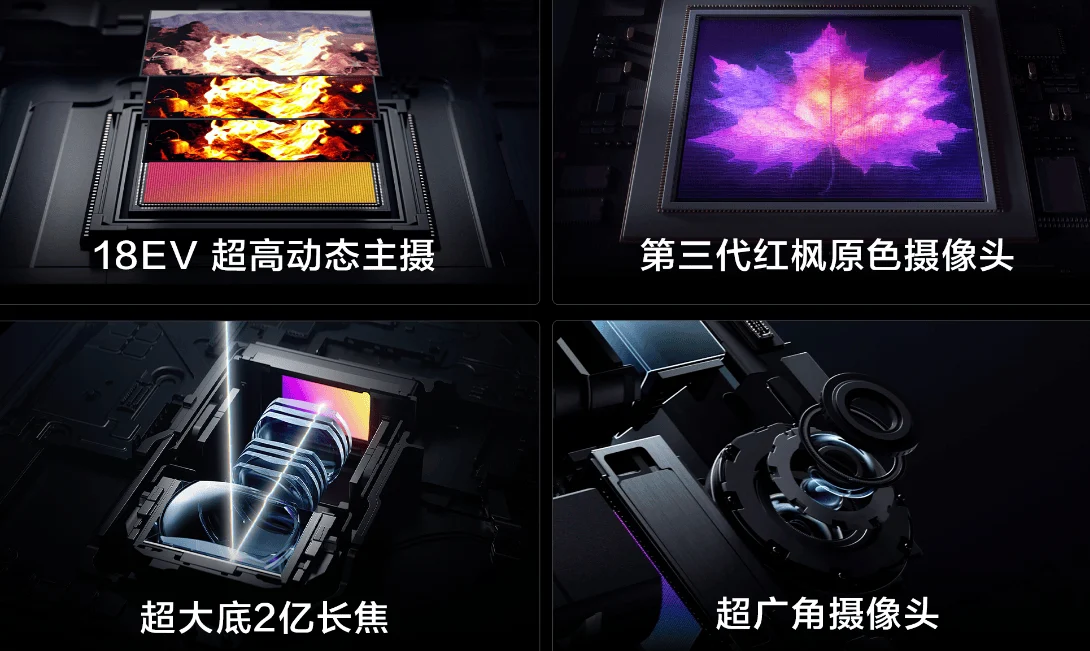
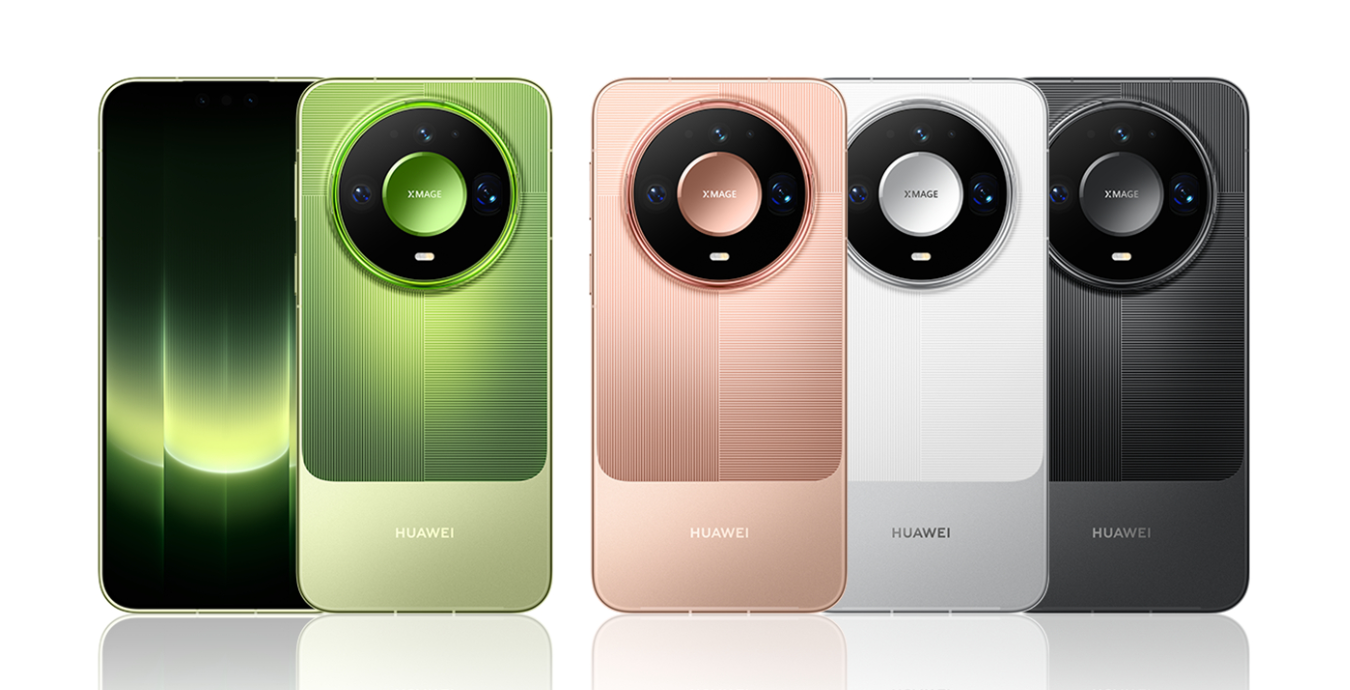
Huawei today held its much-anticipated autumn product launch event in Shanghai, introducing the groundbreaking Mate 90 series. This new flagship lineup comprises five distinct models: the Mate 90, Mate 90 Pro, Mate 90 Pro Max, Mate 90 Pro Max Collector’s Edition, and the ultra-premium Mate 90 RS Ultimate Design. Prices for the series span from RMB 5,999 (approximately $895 USD) to RMB 12,999 (approximately $1,939 USD), reflecting a comprehensive strategy to cater to a broad spectrum of the premium smartphone market. The primary advancements across the Mate 90 series are concentrated in several critical areas: the integration of new-generation Kirin chips, a significantly upgraded display, an innovative camera system, enhanced connectivity features, and a substantial leap forward in on-device artificial intelligence capabilities. The re-emergence and prominence of the self-developed Kirin chips were undoubtedly one of the most significant highlights of the entire launch event, drawing considerable attention from industry observers and consumers alike.
Huawei’s Strategic Resurgence and the Return of Kirin
The launch of the Mate 90 series marks a pivotal moment for Huawei, representing not just an incremental product upgrade but a robust statement of technological resilience and ambition. For several years, Huawei’s smartphone division faced unprecedented challenges stemming from extensive trade restrictions imposed by the United States, which severely limited its access to crucial American-made technologies, including advanced semiconductor manufacturing tools and Google’s Android services. This led to a significant downturn in its global smartphone market share, particularly impacting its ability to produce high-end chips.
However, Huawei has consistently demonstrated a commitment to self-reliance and innovation. The reintroduction of a full lineup of new-generation Kirin chips across the Mate 90 series is a testament to years of concerted research and development efforts to overcome these supply chain hurdles. This move underscores Huawei’s strategic imperative to establish an independent technology ecosystem, strengthening its position in the domestic Chinese market and signaling its intent to re-engage with the global premium segment where possible. Analysts have frequently pointed to the Kirin chip as a symbol of China’s broader drive for technological independence, making each new iteration a closely watched development.
The Mate 90 Series: A Deep Dive into Innovation
The Mate 90 series is meticulously engineered to offer a tiered experience, with each model building upon the foundational innovations while introducing progressively advanced features. This multi-model strategy allows Huawei to target different consumer needs and price points within the premium segment.
Kirin Chips: The Heart of Enhanced Performance and AI

At the core of the Mate 90 series are Huawei’s proprietary Kirin chipsets, each tailored to deliver optimized performance for its respective model. This tiered chip strategy is crucial for maintaining performance differentiation and value propositions across the lineup.
- Kirin 9030 (Mate 90): The standard Mate 90 is powered by the Kirin 9030. According to Huawei, this chip delivers an overall performance improvement of 27% compared to the previous-generation Mate 80. This substantial boost suggests significant enhancements in CPU and GPU architectures, translating to smoother multitasking, faster application loading, and more fluid gaming experiences for the base model.
- Kirin 9035 (Mate 90 Pro): Moving up, the Mate 90 Pro incorporates the Kirin 9035, which Huawei emphasizes is designed to strike an optimal balance between raw performance and power efficiency. The company claims an 18% improvement in overall battery life compared to its predecessor. This focus on efficiency is critical for users who demand extended usage without compromising on responsiveness, especially with the increasingly powerful features integrated into modern smartphones.
- Kirin 9050 Pro (Mate 90 Pro Max, Collector’s Edition, RS Ultimate Design): The pinnacle of Huawei’s chip technology for this series is the Kirin 9050 Pro, exclusively featured in the higher-end Mate 90 Pro Max, Mate 90 Pro Max Collector’s Edition, and Mate 90 RS Ultimate Design. This advanced chip boasts a novel "logical folding architecture" and an astounding "5 million signal transmission bonds." Furthermore, it achieves an "inter-die bandwidth of 125 TB per second," a specification typically associated with high-performance computing. Huawei states that the Kirin 9050 Pro elevates overall device performance by 31% over the previous generation. More significantly, its on-device AI computing performance has reportedly doubled. This level of AI acceleration is foundational for the sophisticated AI features integrated into these premium models, enabling faster and more complex AI processing directly on the device. The logical folding architecture likely refers to innovative chip design principles that allow for more efficient data flow and processing, while the high inter-die bandwidth facilitates rapid communication between different components or "dies" within the chip package, crucial for complex AI computations and graphical rendering.
The strategic deployment of these distinct Kirin chips underscores Huawei’s capability to design and implement a sophisticated hardware strategy that differentiates its product offerings based on performance, efficiency, and advanced AI processing. This also highlights the company’s ongoing investment in semiconductor R&D despite external pressures.
Visual Brilliance and Unwavering Durability: Display and Protection
The display technology and device protection features across the Mate 90 series demonstrate Huawei’s commitment to both visual excellence and robust engineering.

- Second-Generation Linglong Displays: The Mate 90 Pro and all higher-end models are equipped with second-generation Linglong displays. These displays are characterized by their exceptional brightness, reaching a peak of up to 12,000 nits at 1% Average Picture Level (APL). This incredibly high brightness level ensures superior visibility even in direct sunlight and provides stunning contrast for HDR content. APL refers to the average brightness of the entire screen; achieving 12,000 nits at 1% APL means that small, bright elements on the screen can reach extraordinary luminosity, enhancing the dynamic range and visual impact of content.
- Full-Color Linglong Displays with BT.2020 Support: The Mate 90 Pro Max and RS Ultimate Design take display fidelity a step further with "full-color Linglong displays" that support BT.2020 full-chain color reproduction. While general users will appreciate the enhanced brightness and vibrant color performance, this feature is particularly significant for professional content creators. BT.2020 is a wide-gamut color space standard used in ultra-high-definition television, offering a much broader range of colors than previous standards like Rec. 709. Full-chain color reproduction means the device can accurately capture, process, and display colors within this professional standard, making it an invaluable tool for photographers and videographers who demand color accuracy.
- Xuanwu Strengthened Kunlun Glass: For device protection, the entire Mate 90 lineup utilizes third-generation Xuanwu strengthened Kunlun Glass. Huawei asserts that this advanced glass significantly enhances durability, with the overall drop resistance of the devices improving by an impressive 20 times compared to the previous generation. This substantial leap in resilience is a major selling point for users concerned about accidental damage to their high-value smartphones.
- Optical Kunlun Glass for Camera Cover: The Pro and higher-end models further incorporate optical Kunlun Glass specifically for the camera cover. This specialized glass not only provides enhanced protection for the sophisticated camera array but is also designed to maintain optical clarity, ensuring that the protective layer does not compromise image quality.
- Advanced Ingress Protection: All models in the series come with an IP68 rating for dust and water resistance, providing robust protection against submersion in water up to 1.5 meters for 30 minutes. The Pro and higher-end models elevate this protection with an IP69 rating, which guards against high-temperature, high-pressure water jets. This level of ingress protection is typically found in industrial equipment and signifies an exceptional degree of durability against environmental factors, making these devices suitable for even more demanding conditions.
Revolutionizing Mobile Photography: The Camera System
The camera system in the Mate 90 series receives significant upgrades, focusing on color accuracy, dynamic range, telephoto capabilities, and image stabilization—areas that are increasingly competitive in the premium smartphone market.
- Third-Generation Red Maple Primary-Color Camera System: The entire Mate 90 series features a third-generation Red Maple primary-color camera system. This proprietary system, combined with infrared optical coatings across the full focal range, is engineered to deliver superior image quality. Huawei claims a 37% improvement in global color accuracy, ensuring that captured images reflect true-to-life colors across various scenes. More impressively, skin-tone reproduction accuracy in portrait photography has improved by 62%, addressing a critical aspect of portraiture that often challenges smartphone cameras. The infrared optical coatings likely help in reducing glare and improving light transmission for clearer, more accurate images.
- Advanced Imaging in Mate 90 Pro Max: The Mate 90 Pro Max elevates the photographic experience with a highly advanced camera setup. It features an 18-stop high-dynamic-range (HDR) main camera. An 18-stop dynamic range is exceptionally wide, allowing the camera to capture an immense amount of detail in both the brightest highlights and the darkest shadows within a single frame, leading to incredibly rich and detailed images, especially in challenging lighting conditions. This is comparable to professional-grade cameras and represents a significant achievement in smartphone photography.
- 200-Megapixel Large-Sensor Telephoto Camera: The Pro Max model also boasts a 200-megapixel large-sensor telephoto camera. A high megapixel count combined with a large sensor typically translates to superior detail capture, better low-light performance, and greater flexibility for cropping. This telephoto lens is further enhanced by stabilization rated at CIPA 7.5. CIPA (Camera & Imaging Products Association) ratings are a standard measure for image stabilization effectiveness, where 7.5 stops indicate an extremely capable system that can compensate for significant hand movements, allowing for sharp images even at high zoom levels or longer exposure times. Huawei specifically highlights optimizations for image stability and clarity at 20x zoom and improved noise control in low-light conditions, directly addressing common pain points in telephoto smartphone photography.
These comprehensive camera upgrades are strategically aimed at several key areas of competition in the smartphone imaging industry, positioning the Mate 90 series as a formidable contender for users who prioritize photographic excellence.
Seamless Connectivity and the On-Device AI Frontier

Beyond core performance and imaging, the Mate 90 series introduces advancements in connectivity and pushes the boundaries of on-device artificial intelligence.
- Integrated Antenna Architecture: For connectivity, the Mate 90 series adopts a Wi-Fi and cellular integrated antenna architecture. Huawei states that this innovative design can increase signal strength by 2 dB and significantly improve connection stability, particularly in complex signal environments such as crowded urban areas or buildings with thick walls. This enhancement directly addresses a common user pain point—unreliable network connections.
- Four SIM Support (Mate 90 Pro Max): The Mate 90 Pro Max distinguishes itself with support for four SIM cards, with three active simultaneously. This feature caters to a niche but growing segment of users who require multiple phone numbers for work, travel, or personal reasons, offering unparalleled flexibility in managing cellular connections.
- On-Device AI and the 30-Billion-Parameter MoE Model: A major focus for the Mate 90 Pro Max and higher-end models is on-device AI. These devices feature a "30-billion-parameter MoE (Mixture of Experts) multimodal on-device model." A 30-billion-parameter model is substantial for a smartphone, indicating sophisticated AI capabilities. The "Mixture of Experts" architecture allows the model to selectively activate different sub-networks (experts) based on the input, making it more efficient and powerful for diverse tasks. "Multimodal" implies the model can process and understand various types of data, such as text, images, and potentially audio.
- Xiaoyi AI Functions: This powerful on-device AI model underpins new features like Xiaoyi Call 2.0, Xiaoyi Gallery Assistant, and Xiaoyi Navigation Bar. While specific details of these functions were not fully elaborated in the initial announcement, they are expected to offer advanced, intelligent assistance across communication, photo management, and navigation, leveraging the local processing power of the Kirin 9050 Pro.
- Advantages of On-Device AI: The deployment of large on-device models signifies a critical shift from AI services that primarily rely on cloud computing. Processing tasks directly on the smartphone offers several distinct advantages: enhanced privacy (data remains on the device), faster response times (no network latency), and functionality even without a continuous internet connection. This paradigm shift aligns with the broader industry trend of "AI PCs" and "AI Phones," aiming to bring powerful AI capabilities closer to the user. However, the actual user experience, including the model’s accuracy, responsiveness, and practical utility in everyday scenarios, will be subject to real-world testing and ongoing development.
Pricing and Market Positioning
The pricing strategy for the Mate 90 series, ranging from RMB 5,999 ($895) to RMB 12,999 ($1,939), clearly positions Huawei firmly within the premium and ultra-premium smartphone segments. This wide price spectrum, combined with the differentiated features across the five models, allows Huawei to capture various niches within the high-end market. The Mate 90 serves as an accessible entry point to the flagship experience, while the Pro, Pro Max, and special editions cater to users demanding the absolute cutting edge in performance, photography, and exclusive design. This multi-model approach has been a staple for Huawei, enabling it to maximize market penetration and appeal to diverse consumer preferences.
Broader Market Implications and Huawei’s Vision

The launch of the Mate 90 series, particularly with its advanced Kirin chips and strong emphasis on on-device AI, carries significant implications for the global smartphone market and Huawei’s future trajectory.
- Technological Independence: The ability to mass-produce and integrate a new generation of high-performance Kirin chips demonstrates Huawei’s remarkable progress in establishing a more self-sufficient semiconductor supply chain. This move reduces its vulnerability to external sanctions and solidifies its technological leadership, especially within China.
- Competitive Landscape: Huawei’s return to the premium segment with such robust offerings intensifies competition, particularly in the Chinese market where it has historically held a strong position. Its focus on unique features like advanced display technology, professional-grade camera systems, and sophisticated on-device AI could challenge established players and potentially influence product development across the industry.
- The AI Phone Era: Huawei’s substantial investment in on-device AI, particularly with a 30-billion-parameter multimodal model, positions it at the forefront of the burgeoning "AI Phone" trend. As large language models and generative AI become more pervasive, the ability to run these complex computations locally on a smartphone will be a key differentiator, offering enhanced privacy, speed, and offline utility. This strategic direction aligns with major global tech players who are also heavily investing in local AI processing.
- Ecosystem Development: The Mate 90 series is not merely a collection of smartphones; it is a central pillar of Huawei’s broader ecosystem, which includes HarmonyOS, wearables, and other smart devices. The advancements in chips and AI will likely extend benefits across this ecosystem, creating a more integrated and intelligent user experience.
In conclusion, the Huawei Mate 90 series launch is more than just a product unveiling; it is a powerful declaration of Huawei’s enduring innovation, strategic resilience, and renewed ambition in the high-stakes global technology arena. By combining cutting-edge Kirin chips with revolutionary display, camera, and on-device AI technologies, Huawei aims to redefine the premium smartphone experience. Whether these hardware and AI upgrades translate into tangible and meaningful improvements in everyday use will ultimately depend on extensive hands-on experience and rigorous longer-term testing by consumers and independent reviewers. Nevertheless, this launch unequivocally positions Huawei as a formidable force, charting a course for technological independence and leadership in the evolving landscape of smart devices.

 Nila Kartika Wati
 Reynand Wu