Nana Wu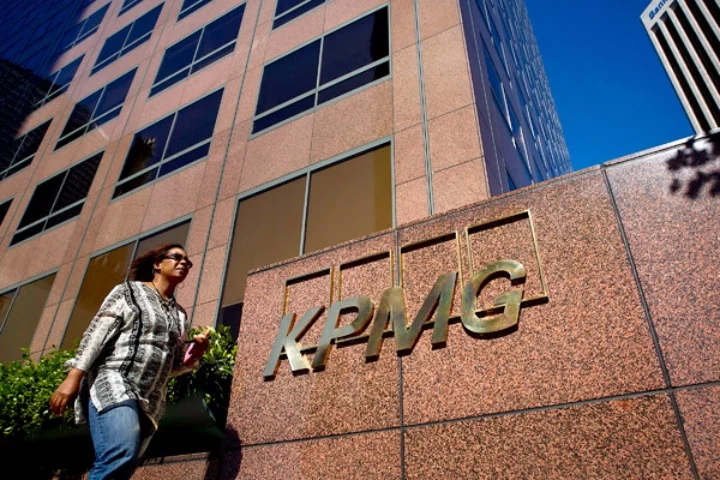
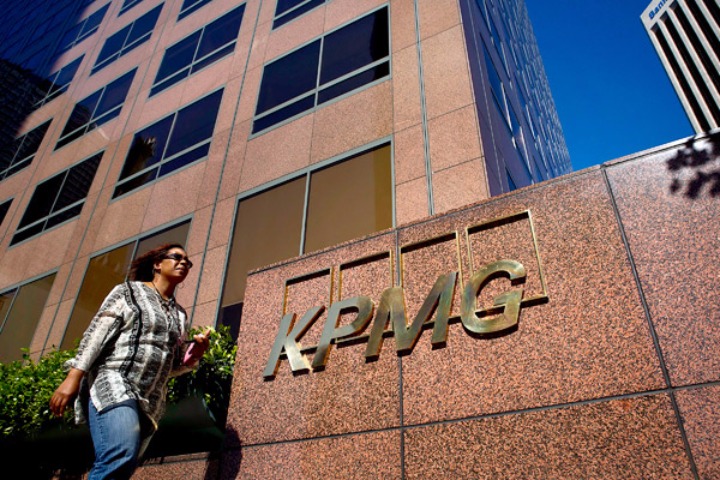
Hong Kong, a long-standing titan in the global initial public offering (IPO) landscape, is set to relinquish its much-coveted position as the world’s leading venue for new listings in 2017, concluding a two-year reign at the apex. This shift comes despite a projected record number of IPOs for the year, signaling a deeper transformation within the market, as revealed by a comprehensive report from KPMG. The financial hub’s inability to attract the large-scale "blockbuster" listings that characterized previous years has significantly impacted the aggregate value of deals, pushing it behind formidable competitors such as New York, Shanghai, and London in the global IPO league table.
The paradox of a record volume of listings coinciding with a substantial decline in capital raised underscores a critical juncture for Hong Kong’s financial markets. While the number of IPOs in the city is anticipated to reach an unprecedented 160 by the close of 2017, this numerical triumph is overshadowed by a stark reduction in the total funds garnered. The value of these deals is projected to plummet by an estimated one-third, from an impressive HK$195 billion ($25 billion) in 2016 to approximately HK$130 billion ($16.7 billion) this year. This figure represents the lowest level since 2012, marking a significant setback for a market accustomed to leading in both volume and value.
A Detailed Look at Hong Kong’s Performance Metrics
The precipitous decline in IPO value is primarily attributable to the absence of the mega-sized listings that have historically bolstered Hong Kong’s league table standings. In 2016, for instance, the market witnessed the colossal offering of the Postal Savings Bank of China, which alone raised a staggering HK$59.2 billion. Such deals are critical for inflating total capital raised and securing top-tier rankings. In stark contrast, 2017’s largest offering, Guotai Junan Securities, managed to raise only HK$17.2 billion, a figure dwarfed by its predecessor and indicative of a broader trend of smaller average deal sizes.
Further illustrating this trend, the aggregate amounts raised by Hong Kong’s top 10 newly listed companies are estimated to have plunged by a substantial 45.5 percent, falling from HK$148.2 billion in 2016 to an estimated HK$80.8 billion in 2017. This data strongly suggests that while more companies are opting to list in Hong Kong, they are generally smaller in scale or are seeking less capital, thereby diluting the overall market value. This situation has ultimately positioned Hong Kong in fourth place globally for IPO value, a notable descent from its prior dominant status.
The Evolving Global IPO Landscape
The shifting dynamics in Hong Kong have paved the way for other global financial centers to ascend. According to KPMG’s analysis, the New York Stock Exchange (NYSE) is expected to claim the top spot globally for IPO value in 2017, leveraging its vast domestic market and appeal to large-cap technology and biotech firms. Following closely, the Shanghai Stock Exchange is projected to secure the second position, with the total value of listings hovering at an estimated HK$154 billion ($19.7 billion). London, another traditional financial powerhouse, is also expected to surpass Hong Kong, indicating a broader redistribution of capital markets activity across key global hubs.
Shanghai’s robust performance can be attributed to the sheer size and growth potential of mainland China’s economy, coupled with a strategic drive by Chinese regulators to encourage domestic listings. Many large Chinese enterprises, particularly those in state-owned sectors or high-growth industries, increasingly view Shanghai as a viable and attractive venue for public offerings, benefiting from a large domestic investor base and supportive government policies. The competitive landscape for attracting IPOs is intensifying globally, with exchanges vying for supremacy through regulatory reforms, market liquidity, and sector-specific appeal.
Hong Kong’s Strategic Pivot: Embracing the "New Economy"
Despite the dip in overall IPO value and ranking, Hong Kong’s market is undergoing a significant and strategically important transformation. Maggie Lee, the Hong Kong-based head of capital markets development group at KPMG China, highlights a long-awaited shift in the major contributors to the IPO market: a move away from traditional financial services firms towards the highly sought-after "new economy" companies.
Historically, Hong Kong’s IPO market has been heavily dominated by financial services-related offerings, particularly from mainland Chinese banks and insurance companies. In 2016, for example, an overwhelming nine out of the top 10 flotations originated from the financial services sector. This concentration, while providing stability, also exposed the market to sector-specific vulnerabilities and a lack of diversification.
The year 2017 marks a pivotal moment in this diversification effort. Lee notes, "This year, the Hong Kong market has been transforming, with four ‘new economy’ firms making (their) entry into the territory’s top 10 largest IPOs." This signifies a conscious and successful effort by the Hong Kong Stock Exchange (HKEX) to broaden its appeal and attract companies from innovative and high-growth sectors.
Prominent examples of these "new economy" entrants include the mainland’s Tencent-backed China Literature, which quickly earned the moniker of the city’s hottest and most profitable IPO in over a decade. Its immense popularity and robust performance demonstrated a strong investor appetite for digital content and platform businesses. Other headline-making listings in this category include Zhong An Online P&C Insurance, a pioneering internet-only insurance provider; Yixin Group Ltd, an online automobile transaction platform; and Razer, a global leader in gaming hardware, software, and services. These companies represent a diverse range of tech-driven industries, from fintech and e-commerce to digital entertainment, and their successful listings have provided a major boost to the exchange, paving the way for other promising tech startups to consider Hong Kong as their preferred listing destination.
The appeal of "new economy" companies stems from their rapid growth potential, disruptive business models, and often asset-light structures, which resonate strongly with a new generation of investors looking for high-returns and innovative ventures. For Hong Kong, attracting these firms is not just about immediate capital raising but about future-proofing its status as a relevant and dynamic global financial center.
Historical Context and Background of Hong Kong’s IPO Market
Hong Kong’s reputation as a premier IPO hub is deeply rooted in its unique position as a gateway between mainland China and international capital markets. For decades, its robust regulatory framework, free flow of capital, common law system, and proximity to China have made it the preferred destination for Chinese companies seeking to raise funds from a global investor base. The listing of H-shares (shares of mainland Chinese companies listed in Hong Kong) and Red-chip companies (mainland-controlled companies incorporated outside mainland China and listed in Hong Kong) has been a cornerstone of its market.
This historical strength led Hong Kong to frequently top global IPO rankings, particularly during periods of strong economic growth in China. The ability to attract mega-IPOs from state-owned enterprises and large private conglomerates was a hallmark of its dominance. However, as mainland China’s own stock exchanges (Shanghai and Shenzhen) have matured and implemented reforms, they have increasingly become competitive alternatives for domestic companies. Simultaneously, global competition from other financial centers has intensified, requiring Hong Kong to constantly innovate and adapt its listing rules and market offerings.
The move to attract "new economy" companies can be seen as a strategic response to these evolving competitive pressures and a recognition that the traditional pipeline of large state-owned enterprises seeking international capital might be diversifying. The HKEX has also been actively exploring reforms to its listing rules, including potentially allowing companies with weighted voting rights (dual-class shares), a structure favored by many tech companies, to list. Such reforms are crucial to remain competitive against exchanges like NYSE and NASDAQ, which already accommodate these structures.
Implications and Future Outlook
Maggie Lee of KPMG believes that 2017 should be viewed not as a decline, but rather as a "year of transition" for Hong Kong’s IPO market. This perspective suggests that the current dip in value is a temporary phenomenon associated with a strategic repositioning rather than a fundamental weakening of the market’s appeal. She projects that over the coming few years, the Hong Kong market will continue to gain significant momentum from the burgeoning appetite for "new economy" companies. This optimism is based on the strong performance and investor interest shown in the recent tech-focused listings.
KPMG’s forecast for 2018 reinforces this positive outlook, placing high hopes on the local bourse to attract approximately 160 offerings, mirroring the record volume of 2017, but crucially, aiming to raise a substantially higher total fund amount of no less than HK$200 billion ($25.6 billion). Achieving this target would signify a successful pivot and a recovery in the average deal size, indicating that Hong Kong is not only attracting more companies but also larger, more capital-intensive "new economy" players.
The implications of this strategic shift are profound for Hong Kong’s long-term competitiveness as a global financial center. By successfully pivoting towards innovative tech and growth companies, Hong Kong can diversify its market, attract a new breed of investors, and align itself with global trends towards digitalization and technological advancement. This also positions Hong Kong as a crucial funding hub for the vast and rapidly growing technology sector in mainland China and across Asia.
Challenges remain, including continuous competition from other exchanges, the need for ongoing regulatory innovation, and the broader geopolitical and economic environment. However, the demonstrated ability of Hong Kong to attract significant "new economy" players in 2017, despite a challenging year for overall value, provides a strong foundation for its renewed growth trajectory. The future success of Hong Kong’s IPO market will largely depend on its agility in adapting to global capital market trends and its continued ability to offer a compelling platform for the world’s most innovative companies.


 Evan Lee Salim
 Suro Senen