Nana
Nana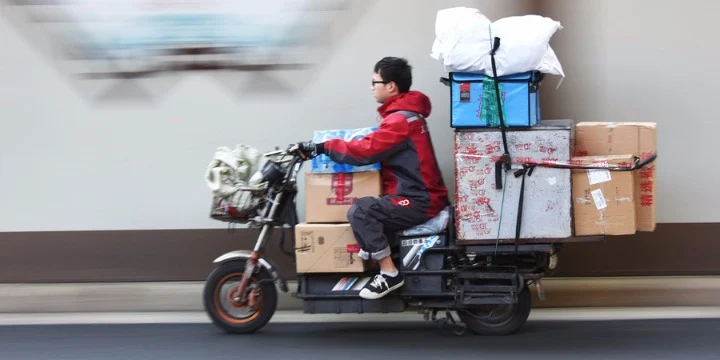
In a significant revelation about the psychological landscape of its rapidly evolving workforce, a survey conducted by 58.com, a prominent online marketplace operator in China, identified couriers as the loneliest occupation. With a striking 69.57 percent of respondents indicating feelings of isolation, the findings, reported by cyol.com around 2017, cast a spotlight on the hidden costs of the nation’s economic boom, particularly within its flourishing delivery services industry. Following closely behind couriers, financial staff emerged as the second loneliest profession, garnering 67.39 percent of the votes, highlighting the pervasive issue of workplace isolation across diverse sectors of the Chinese economy.
The Unseen Burden: Loneliness in China’s Booming Economy
The survey’s results underscored a growing concern about the mental well-being of workers in a country characterized by relentless economic expansion and technological advancement. While China has celebrated unprecedented growth in its e-commerce and logistics sectors, creating millions of jobs and transforming daily life, the human element of this progress often faces immense pressure. The identification of couriers and financial staff at the apex of loneliness points to a dual challenge: the physical isolation and demanding nature of blue-collar service roles, and the intense psychological stress and competitive environment inherent in high-stakes white-collar professions. This dichotomy suggests that loneliness is not confined to a single demographic or work environment but is a systemic issue woven into the fabric of modern Chinese work culture.
The Courier Conundrum: Physical Exertion Meets Social Void
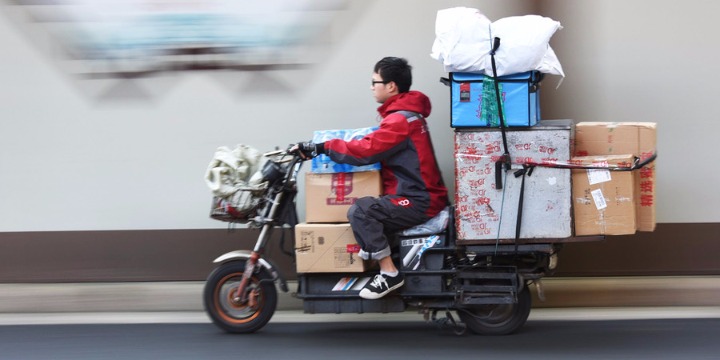
The role of a courier in China is undeniably central to the nation’s digital economy. As e-commerce giants like Alibaba, JD.com, and Pinduoduo have reshaped consumer habits, the demand for efficient and rapid delivery services has skyrocketed. This has led to the proliferation of a vast and intricate logistics network, powered by millions of dedicated couriers. The 58.com survey articulated the daily reality for these workers as "both heavy and dull," requiring them to "run around every day." This description, while seemingly straightforward, encapsulates a life defined by physical exertion, strict time constraints, and a perpetual race against the clock.
A courier surnamed Liu, interviewed by cyol.com, succinctly captured the essence of this isolation: "Except for the moment when you hand the parcel to the client, you barely have time to communicate with anyone." This statement resonates deeply with the experiences of countless couriers who navigate bustling urban landscapes, their primary interactions often limited to brief, transactional exchanges. Their work is largely solitary, guided by navigation apps and performance metrics rather than human connection. The relentless pressure to meet delivery quotas, maintain high customer satisfaction ratings, and cover vast distances leaves little room for social interaction, whether with colleagues or customers. Many couriers are also migrant workers, having left their hometowns and families behind to seek economic opportunities in larger cities, further exacerbating their sense of social detachment. The lack of a stable local support network, combined with the solitary nature of their work, creates a fertile ground for loneliness to take root. This gig economy model, while offering flexibility, often comes at the cost of traditional workplace camaraderie and social safety nets.
The Backbone of E-commerce: A Glimpse into the Delivery Ecosystem
China’s e-commerce market reached an estimated 2.8 trillion USD in 2017, the year the survey was reported, and has continued its exponential growth trajectory since. This colossal industry relies heavily on an equally colossal delivery infrastructure. By 2017, the number of parcels delivered annually in China exceeded 40 billion, a figure that has more than doubled in subsequent years. This scale necessitates a massive workforce, estimated to be in the millions. These couriers, often working 10-12 hours a day, six or even seven days a week, operate under intense pressure. Their performance is meticulously tracked through GPS and app-based systems, with penalties for delays or customer complaints. The focus on speed, precision, and efficiency leaves little mental space for social engagement, turning human interaction into a fleeting necessity rather than a meaningful exchange. The reliance on digital tools for task management and navigation, while boosting efficiency, simultaneously reduces organic human contact, inadvertently contributing to the professional isolation experienced by these vital workers.
The High-Stakes World of Finance: Stress and Isolation
The financial sector, a seemingly contrasting environment to the open roads traversed by couriers, presented its own unique brand of loneliness, securing the second spot in the 58.com survey. With 67.39 percent of respondents in finance reporting isolation, the findings highlight that loneliness is not solely a product of physical solitude but can also stem from intense psychological pressures within a highly competitive and demanding professional environment. The report noted that the job, characterized by "high stress" and a requirement for employees to "keep pace with changes in the industry at any time," can easily lead to feelings of anxiety and loneliness.
Financial professionals, from analysts and traders to investment bankers and wealth managers, operate in a world of high stakes, significant responsibility, and constant market volatility. The globalized nature of finance means workdays often extend beyond traditional hours to accommodate international market movements. The competitive culture within financial institutions, driven by individual performance targets, bonuses, and rapid career progression, can foster an environment where collaboration is often overshadowed by individual achievement. This can lead to a sense of psychological isolation, even when surrounded by colleagues. The pressure to stay ahead of market trends, understand complex regulatory changes, and manage substantial client portfolios creates an intense mental burden. The rise of FinTech and automation, while improving efficiency, also introduces job insecurity and the need for continuous upskilling, adding another layer of stress. In this high-pressure atmosphere, genuine social interaction and emotional support can become casualties, replaced by a focus on performance and self-preservation.
Broader Context: Mental Well-being in a Rapidly Evolving Workforce
The findings of the 58.com survey are not isolated incidents but reflect broader trends in mental well-being within China’s rapidly developing society. Rapid urbanization has led to massive internal migration, weakening traditional family and community support structures. The intense academic and professional competition, often summarized by terms like "996" (working from 9 am to 9 pm, 6 days a week), places immense pressure on individuals to perform and succeed. This culture of relentless work, while driving economic progress, often comes at the expense of personal well-being, work-life balance, and social connections.
Mental health awareness in China has been steadily growing, yet significant challenges remain. There is often a stigma associated with mental health issues, making individuals reluctant to seek help or even acknowledge their struggles. Studies by the World Health Organization and various national surveys have consistently indicated that a substantial portion of the Chinese population experiences symptoms of anxiety, depression, or stress-related disorders, with workplace pressures being a significant contributing factor. The economic and human costs of widespread workplace loneliness and stress are substantial, impacting productivity, innovation, and overall societal health. The traditional emphasis on resilience and "eating bitterness" (chī kǔ) can also inadvertently discourage open discussions about emotional vulnerability.
A Snapshot of Workplace Stress: The 58.com Survey
The 58.com survey, reported by cyol.com in December 2017, represented a valuable snapshot of employee sentiment during a pivotal period of China’s economic transformation. While specific details on the survey’s methodology (e.g., sample size, geographic distribution, demographic breakdown of respondents) were not extensively detailed in the initial report, its findings resonated with anecdotal evidence and broader societal observations. 58.com, as a major online platform for classifieds and job listings, has a unique vantage point into the employment landscape and the concerns of the working population. The survey tapped into a cross-section of urban workers, offering insights into the psychological challenges faced by both blue-collar service providers and white-collar professionals. The article highlighted the top five loneliest occupations, with new media operators identified as the fifth. This inclusion further underscores the diverse nature of workplace loneliness, extending even to professions often associated with connectivity and digital engagement, where the pressure to constantly create content and manage online communities can also lead to isolation behind a screen.
Supporting Data and Industry Trends
To fully grasp the context of the survey’s findings, it is crucial to consider the scale and dynamics of the industries involved. In 2017, China’s e-commerce transaction volume reached approximately 26 trillion yuan (about 3.9 trillion USD), dominating the global market. The sheer volume of transactions translated directly into an immense demand for logistics and delivery services. The national postal and express delivery industry handled over 40 billion parcels in 2017, a figure that continues to grow year on year, exceeding 100 billion parcels by 2021. This exponential growth implies a continuously expanding and increasingly strained workforce of couriers.
The financial sector in China, similarly, is one of the largest globally, with a vast workforce across banking, insurance, securities, and asset management. The sector’s total assets exceeded 250 trillion yuan (approximately 38 trillion USD) in 2017. While offering lucrative careers, the industry is known for its demanding work culture, long hours, and high-pressure environment, mirroring trends seen in global financial hubs. Employee turnover rates can be high in certain segments, reflecting the intense competition and stress.
Regarding general mental health, a 2019 study published in The Lancet Psychiatry found that the prevalence of any mental disorder in China was approximately 9.3%, with anxiety disorders being particularly common. While this study is broader than workplace-specific loneliness, it indicates a significant underlying mental health burden within the population, which workplace stressors can undoubtedly exacerbate. International studies, such as those by Cigna and various HR consulting firms, have consistently highlighted workplace loneliness as a growing global concern, impacting productivity, engagement, and employee retention. China’s experience, as revealed by the 58.com survey, aligns with these broader global trends, indicating that the challenges of modern work are universal, even if manifested differently within specific cultural and economic contexts.
Expert Perspectives and Potential Interventions
Psychological experts suggest that loneliness, particularly in the workplace, can have profound effects on both mental and physical health. Chronic loneliness is linked to increased risks of depression, anxiety, cardiovascular disease, and weakened immune function. In a professional context, it can lead to reduced job satisfaction, decreased productivity, higher rates of absenteeism, and increased employee turnover. The lack of social support acts as a stress multiplier, making individuals more vulnerable to burnout.
Labor experts often point to the need for stronger labor protections and social safety nets, especially for workers in the gig economy like couriers. This includes ensuring fair wages, reasonable working hours, and access to social insurance and health benefits. Furthermore, fostering a sense of community among workers, perhaps through organized breaks, team-building activities, or peer support networks, could mitigate feelings of isolation.
From a corporate social responsibility standpoint, human resources professionals and industry leaders are increasingly recognizing the importance of addressing employee well-being. Companies could implement mental health support programs, provide access to counseling services, and promote work-life balance initiatives. For couriers, this might involve optimizing routes to allow for more scheduled breaks or facilitating opportunities for informal interaction among colleagues. For financial staff, it could mean encouraging team-based projects, promoting a culture of psychological safety, and providing stress management training. Government intervention, through updated labor laws and increased funding for public mental health services, also plays a crucial role in creating a more supportive environment for all workers.
Implications for China’s Future Workforce
The findings of the 58.com survey carry significant implications for the future of China’s workforce and its socio-economic development. If left unaddressed, widespread workplace loneliness and stress could undermine the very productivity and innovation that China strives for. A workforce grappling with isolation is less engaged, less resilient, and more prone to mental health challenges, potentially leading to a decline in overall economic output and a rise in healthcare costs.
Moreover, the issue speaks to the broader challenge of maintaining social cohesion in a rapidly modernizing society. As work structures evolve, driven by technology and global market demands, there is a pressing need to re-evaluate traditional notions of work-life balance and employee welfare. The digital transformation, while offering unparalleled connectivity, also presents a double-edged sword, potentially exacerbating isolation if not managed thoughtfully. The survey serves as a crucial reminder that economic prosperity must be balanced with human well-being. Investing in mental health infrastructure, promoting healthier work cultures, and recognizing the unique challenges faced by different professions will be essential for building a sustainable, resilient, and thriving workforce in China.
Conclusion: Addressing the Isolation in Prosperity
The 58.com survey, by identifying couriers and financial staff as the loneliest professions in China, unveiled a profound paradox: that even amidst unprecedented economic growth and technological advancement, a significant portion of the workforce experiences deep-seated isolation. This phenomenon, rooted in both the physically demanding and solitary nature of service roles and the psychologically intense pressures of high-stakes professions, demands urgent attention. The insights gleaned from the survey, contextualized within China’s rapid societal changes and global trends in workplace mental health, highlight the critical need for a holistic approach. Addressing this isolation will require concerted efforts from employers, policymakers, and society at large to foster more supportive work environments, enhance mental health awareness, and ensure that the pursuit of prosperity does not come at the irreparable cost of human connection and well-being. As China continues its trajectory of development, prioritizing the mental and social health of its workforce will be paramount for sustained success and a truly flourishing society.

 Evan Lee Salim
 Suro Senen