Neng Nana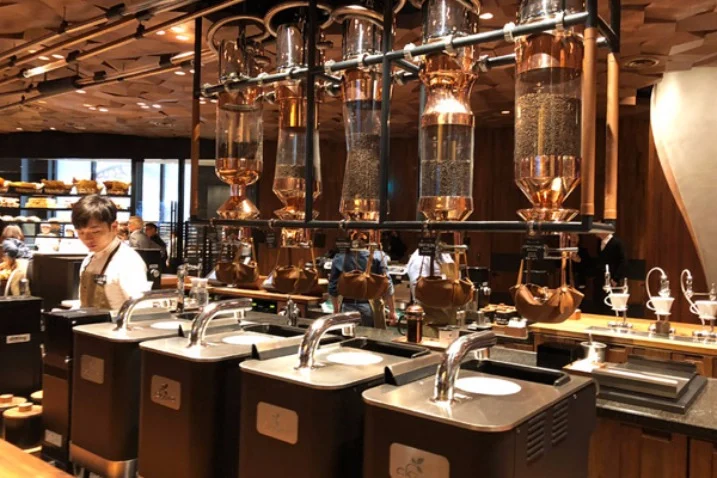
Despite the pervasive influence and rapid expansion of e-commerce in recent years, the foundational role of the in-store shopping experience continues to assert its dominance within the global retail sector, particularly in dynamic markets like China. This enduring strength underscores a growing consensus among industry leaders that online and offline retailing are not mutually exclusive but rather complementary forces poised for strategic coexistence and collaborative innovation. Victor Cha, the Managing Director and Deputy Chairman of HKR International Ltd., a prominent property developer, articulated this evolving paradigm, emphasizing the irreplaceable value and significant market share retained by physical retail establishments. His insights arrive at a critical juncture for the retail industry, which has been grappling with transformative digital shifts while simultaneously seeking new avenues for growth and consumer engagement.
The Evolving Retail Landscape: Beyond Online Dominance
The narrative of e-commerce unequivocally disrupting traditional retail has been a defining characteristic of the past decade. In China, a nation at the forefront of digital commerce innovation, platforms like Alibaba and JD.com have indeed reshaped consumer habits, offering unparalleled convenience and vast product selections. Official figures from the Ministry of Commerce highlighted this trend, reporting that China’s online retail sales of physical goods reached an impressive 4.19 trillion yuan ($633.5 billion) in 2016, marking a substantial year-on-year increase of 25.6 percent. However, even with this robust growth, these digital transactions constituted only 12.6 percent of the total retail value of all consumer goods purchased, indicating that the vast majority of consumer spending still occurred within physical environments. This statistic served as a potent reminder that the demise of brick-and-mortar was, at best, greatly exaggerated.
Further supporting this perspective, a contemporary survey conducted by financial research firm Gordon Haskett revealed a clear consumer preference for in-store purchases across specific categories. While digital channels excelled in segments like music, books, movies, and small appliances, consumers consistently opted for physical stores when it came to experience-based categories. This included essentials such as groceries, household goods, health and beauty products, pet supplies, and automotive products—items where sensory engagement, immediate gratification, expert advice, or the ability to physically inspect products played a crucial role in the purchasing decision. This distinction illuminated a nuanced consumer behavior, suggesting that the digital realm enhances convenience for certain transactions, but the physical store remains paramount for categories requiring a more tactile, immediate, or consultative experience.
The implications of these trends were clear: shopping malls and physical retail spaces could no longer thrive purely as transactional hubs. The imperative shifted towards becoming comprehensive "one-stop experience providers," integrating shopping with lifestyle and social activities. As Victor Cha succinctly put it, "Retailers have to either embrace this trend peacefully or be phased out." This philosophy underpins the strategic transformation witnessed across the retail sector, with developers and brands investing heavily in creating immersive, engaging, and memorable physical environments designed to draw consumers away from their screens and into vibrant commercial spaces. The concept of "retail-tainment" gained significant traction, blending shopping with entertainment, dining, and cultural experiences to foster community and drive foot traffic.
HKRI Taikoo Hui: A Blueprint for Experiential Retail
In Shanghai’s bustling West Nanjing Road, a prime commercial artery, HKR International Ltd. unveiled HKRI Taikoo Hui, a colossal 322,000-square-meter commercial complex designed explicitly to captivate consumers through bespoke design and unparalleled quality. Officially opening its doors in early November 2017, this ambitious development represented an investment of up to 18 billion yuan ($2.7 billion USD), underscoring a profound commitment to the future of physical retail. The complex is a microcosm of the modern urban lifestyle, featuring a sprawling shopping mall, two luxury hotels, a serviced apartment building, and two Grade A office towers. This integrated approach, blending commerce, hospitality, and residential living, positioned HKRI Taikoo Hui as a vibrant urban destination rather than merely a shopping center.
The strategic vision for HKRI Taikoo Hui was not merely about scale but about curation and innovation. Victor Cha expressed confidence that the project would generate revenue equivalent to two-thirds of HKR International’s 11 other projects of similar size in 2018, a projection anchored in its unique retail strategy. This strategy revolved around attracting innovative retail brands, fostering seamless interaction between online and offline channels, and leveraging big data analytics to gain deep insights into the preferences and habits of its target demographic.
In a market saturated with homogenous shopping experiences, HKRI Taikoo Hui deliberately eschewed the conventional approach of anchoring with top-tier luxury brands like Louis Vuitton or Gucci, which are ubiquitous across Shanghai’s high-end malls. Instead, the mall focused on differentiation through novelty and exclusivity. Among its approximately 250 diversified brands, a remarkable eight made their China debut stores within the complex, signifying a fresh injection of international and niche concepts into the market. Furthermore, 22 brands chose HKRI Taikoo Hui for their first outlet in Shanghai, while 15 introduced special concept stores, offering unique retail formats or limited-edition experiences. This meticulous brand curation aimed to cultivate a distinctive identity for the mall, setting it apart from competitors and appealing to discerning consumers seeking new and engaging experiences.
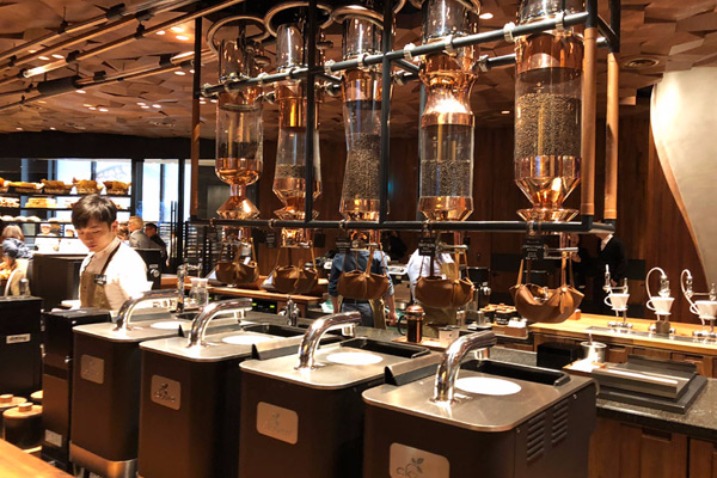
A prime example of this experiential focus was the integration of the newly opened Starbucks Reserve Roastery, a monumental establishment that, at the time, was only the second of its kind globally, with the first being in Seattle, Starbucks’ hometown. This sprawling, multi-level coffee sanctuary offered an immersive journey into the world of coffee, from roasting and brewing to tasting and retail, transforming a simple coffee run into a memorable event. Its presence underscored HKRI Taikoo Hui’s commitment to hosting anchor tenants that provide unique, high-quality experiences, drawing significant foot traffic and enhancing the overall allure of the complex.
Qi Xiaozhai, head of the Shanghai Society of Commercial Economy, critically observed the prevailing challenge of brand homogeneity in Shanghai’s retail landscape, noting that "On average, more than 70 percent of the brands in Shanghai’s department stores and shopping malls are the same." This insight validated HKRI Taikoo Hui’s strategic decision to prioritize differentiation, emphasizing that "what brands the developer chooses will decide how successful it is." In a competitive urban environment, a distinctive brand mix became a crucial determinant of success, attracting specific consumer segments and fostering loyalty.
The Symbiotic Future: Integrating Online and Offline
The rise of "New Retail," a concept largely pioneered by Alibaba Group in 2016, further solidified the notion that the future of commerce lies in the seamless integration of online and offline channels. As internet retailers like Alibaba and JD.com began expanding into physical stores, leveraging their immense capital and sophisticated big data resources, traditional retail operators faced an undeniable imperative: to adopt state-of-the-art technologies to remain competitive. Victor Cha articulated this necessity, highlighting the pivotal role of technology in bridging the digital and physical divide.
The convergence of online and offline (O2O) is not merely about having a website and a physical store; it’s about creating a unified, frictionless customer journey. This involves using big data to understand consumer preferences, personalizing offers, streamlining inventory management, and enhancing the in-store experience with digital tools. For instance, customers might browse products online, check in-store availability, reserve items for pickup, or receive personalized recommendations based on their digital footprint while physically present in a store. Conversely, physical stores can serve as showrooms for online purchases, provide immediate customer service, or host events that drive engagement back to digital platforms.
HKRI Taikoo Hui’s strategy embodies this O2O philosophy. By analyzing target customers’ preferences and habits through big data, the mall can tailor its offerings, promotions, and events to resonate more deeply with its audience. This data-driven approach allows for dynamic adjustments to tenant mix, marketing campaigns, and even the layout of the mall, optimizing the customer journey and maximizing engagement. The integration of digital touchpoints within the physical space, such as interactive displays, augmented reality experiences, or seamless mobile payment options, further blurs the lines between the digital and physical realms, creating a truly omnichannel experience. This strategic fusion ensures that the physical space is not just a place to transact but a vibrant, intelligent hub that anticipates and responds to consumer needs, making it indispensable in the modern retail ecosystem.
HKR International’s Strategic Vision and Mainland Commitment
HKR International Ltd. has demonstrated a profound and long-standing commitment to the Chinese mainland market. Over the 15 years preceding the article’s publication, the company had invested approximately 20 billion yuan ($3 billion USD) in mainland China, an amount that represented nearly half of its total investment during that period. This substantial financial commitment underscores the strategic importance of the mainland market to HKR International’s overall business objectives and growth trajectory.
Victor Cha reaffirmed the company’s intent to deepen its presence, stating, "Our weighing in the Chinese mainland, especially in the Yangtze River Delta region, will continue to grow, as we are a Chinese company, and we will continuously look for real estate investment opportunities both in residential and commercial sectors, in line with the central government’s policies and strategies." The Yangtze River Delta, a mega-region encompassing major cities like Shanghai, Nanjing, and Hangzhou, is a powerhouse of economic activity and boasts a rapidly expanding middle class, making it a prime target for both commercial and residential real estate development. HKR International’s focus on this region aligns with national development strategies aimed at fostering urban agglomeration and economic integration.
Beyond commercial ventures, HKR International also maintains a strong focus on the residential property market. Cha highlighted the robust demand for high-quality residential properties from China’s affluent and expanding middle class. "The Chinese people in the past two decades have generated abundant wealth; in regards to their strong attachment in buying property, high-quality residential property will continue to be sought after by the expanding middle class, and that is what we were doing for the past four decades and will continue to do in the coming four decades," he stated. This long-term perspective on both commercial and residential sectors demonstrates HKR International’s comprehensive approach to real estate development, catering to the evolving needs of a dynamic and increasingly prosperous Chinese populace. The company’s strategy is thus deeply intertwined with the socio-economic trends shaping China, positioning it for sustained growth by addressing fundamental consumer desires for quality living and engaging commercial experiences.
Broader Implications for Urban Retail and Consumer Behavior
The strategic evolution exemplified by HKRI Taikoo Hui carries significant broader implications for urban retail planning, commercial real estate development, and the future of consumer behavior. The shift from purely transactional retail to experiential retail fundamentally redefines the purpose and design of physical spaces. Shopping malls are increasingly transforming into community hubs, cultural centers, and entertainment destinations, offering a diverse array of services that extend far beyond traditional retail. This requires developers to think holistically about placemaking, integrating art installations, green spaces, performance venues, and diverse dining options to create vibrant ecosystems that encourage longer dwell times and repeat visits.
For urban planners, this trend necessitates a re-evaluation of zoning laws and infrastructure development to support these mixed-use, experience-driven commercial complexes. The enhanced foot traffic and diverse activities contribute to the vitality of urban centers, fostering local economies and creating jobs in various sectors, from hospitality to entertainment. The success of projects like HKRI Taikoo Hui also sends a clear message to other developers: generic retail offerings will struggle to compete. Innovation, differentiation, and a deep understanding of consumer psychology are paramount.
From a consumer behavior standpoint, the integration of online and offline channels empowers individuals with unprecedented flexibility and choice. The physical store becomes a discovery platform, a social space, and a service center, complementing the convenience of online shopping. This omnichannel approach caters to modern consumers who expect seamless transitions between digital and physical touchpoints, valuing personalized experiences and instant gratification. The ability to research products online and then experience them in person, or vice versa, enhances confidence and satisfaction, reinforcing the value of both channels.
The journey of retail, as demonstrated by HKR International and the broader market trends, is one of continuous adaptation and innovation. The perceived "retail apocalypse" has given way to a "retail renaissance," where physical stores are not just surviving but thriving by reinventing themselves. By embracing technology, focusing on unique experiences, and strategically integrating with digital platforms, brick-and-mortar establishments are proving their enduring relevance. The future of retail in China, and globally, will be defined by this symbiotic relationship between the digital and the physical, creating richer, more engaging, and ultimately more successful commercial landscapes.

 Evan Lee Salim
 Suro Senen