Suro Senen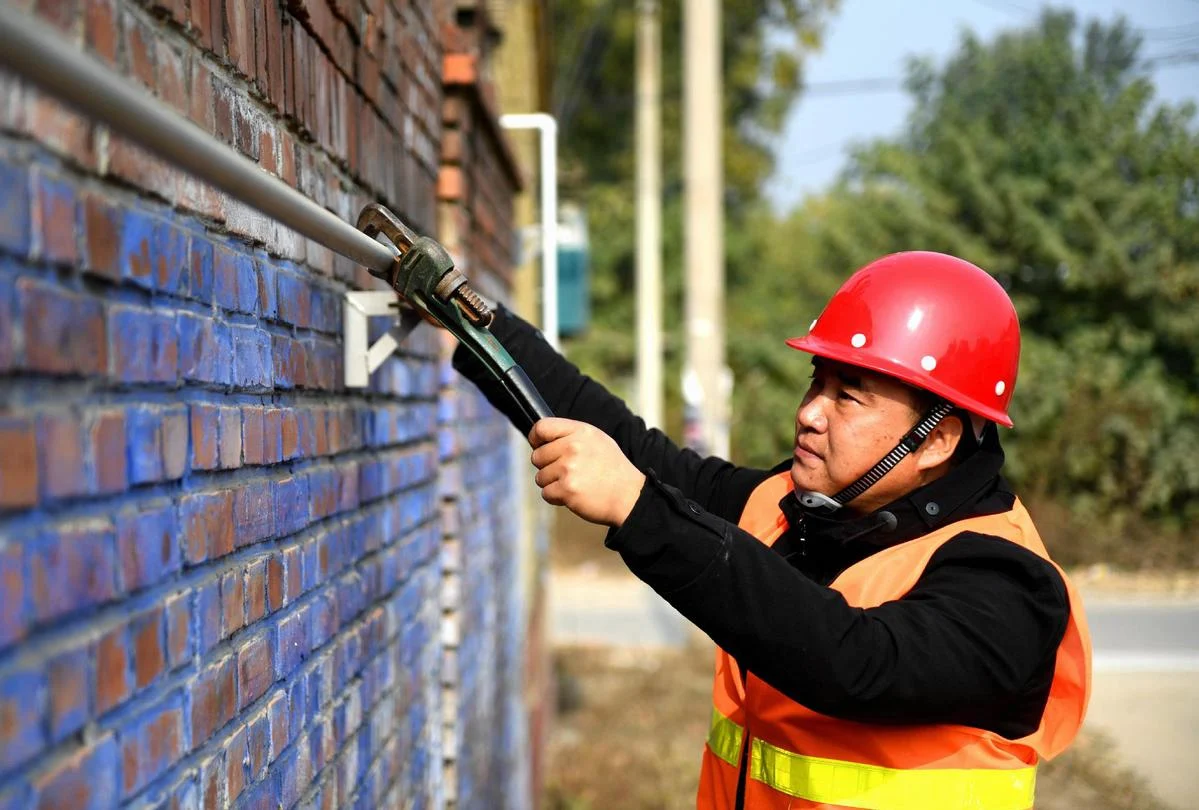
The Asian Infrastructure Investment Bank (AIIB) announced a significant $250 million loan for a natural gas project in Beijing, marking the bank’s inaugural investment within China and its first corporate financing deal. This substantial commitment underscores a crucial step in China’s ongoing efforts to transition away from coal dependency and mitigate severe air pollution in its capital region. The loan, extended to Beijing Gas Group Co., is earmarked for an ambitious coal-to-gas conversion program designed to provide rural households with cleaner energy for cooking and heating, directly addressing a primary source of winter smog.
A Landmark Investment for Green Development
This particular project is not merely an investment but a strategic declaration by the Beijing-based multilateral financial institution, aligning perfectly with its core mission of supporting green, sustainable development across its member states. The project encompasses the extensive construction of natural gas distribution networks, pipelines, and household connection facilities, which are essential for integrating approximately 216,750 households in some 510 rural villages into the modern energy grid. Slated for completion by 2021, the initiative is projected to reduce coal consumption by an estimated 650,000 metric tons annually. This reduction carries significant environmental dividends, primarily in curtailing the emission of harmful pollutants and greenhouse gases that have plagued Beijing and surrounding areas for decades.
China’s Arduous Battle Against Air Pollution
The announcement of this loan comes against the backdrop of China’s sustained "war on pollution," a national imperative declared by the central government. For years, rapid industrialization and urbanization, fueled predominantly by coal, led to widespread environmental degradation, most visibly manifesting as persistent, hazardous smog in major urban centers. Beijing, in particular, frequently experienced "airpocalypses" where air quality indices soared to alarming levels, significantly impacting public health and daily life.
-
Historical Context of Environmental Challenges: The economic boom that began in the late 1970s and accelerated through the 1990s and early 2000s saw China become the "world’s factory." This growth, however, came at a heavy environmental cost. The country’s energy mix was heavily reliant on coal, which accounted for approximately 70% of primary energy consumption. Power plants, heavy industries (steel, cement, chemicals), and millions of residential coal-fired furnaces contributed to massive emissions of particulate matter (PM2.5, PM10), sulfur dioxide (SO2), nitrogen oxides (NOx), and carbon monoxide. The Beijing-Tianjin-Hebei (Jing-Jin-Ji) region, due to its dense population, industrial concentration, and topographical features that trap pollutants, became one of the world’s most polluted areas. Public discontent over deteriorating air quality grew, pushing environmental issues to the forefront of the government’s agenda.
-
Government’s Decisive Policy Response: Recognizing the severe socio-economic and public health implications, the Chinese government launched an aggressive environmental protection campaign. In 2013, the State Council issued the "Action Plan for Air Pollution Prevention and Control," setting ambitious targets for reducing PM2.5 concentrations in key regions by 2017. This was followed by a comprehensive "war on pollution" declared in 2014. Key strategies included stricter emissions standards for industries, closure of outdated and polluting factories, promotion of renewable energy, and crucially, large-scale coal-to-gas and coal-to-electricity conversion programs. The government allocated substantial funds and implemented stringent enforcement mechanisms, including regular environmental inspections and heavy penalties for non-compliance. These efforts led to tangible improvements in air quality in many cities, but the challenge remained immense, particularly for winter heating in rural areas where coal was often the most affordable and accessible fuel.
-
The "Coal-to-Gas" Strategy: The coal-to-gas conversion policy emerged as a cornerstone of China’s clean air strategy. This involved replacing traditional coal-fired boilers and stoves in residential, commercial, and industrial sectors with natural gas alternatives. While effective in reducing local air pollutants, this strategy also brought its own set of challenges, including ensuring sufficient natural gas supply, expanding pipeline infrastructure, and managing the economic implications for consumers. The sheer scale of the conversion required significant financial investment and logistical coordination, making international financing mechanisms like the AIIB loan particularly valuable.
The AIIB: A Champion of Sustainable Infrastructure in Asia
The Asian Infrastructure Investment Bank, inaugurated in January 2016, was conceived as a new multilateral development bank focused on addressing the infrastructure gap in Asia. Headquartered in Beijing, it quickly garnered support from over 100 member countries, becoming a significant player in global development finance.
-
Mandate and Strategic Focus: The AIIB’s mandate extends beyond mere project financing; it emphasizes "lean, clean, and green" operations. Its strategic priorities include sustainable infrastructure, cross-border connectivity, and mobilizing private capital. The bank aims to foster economic and social development in Asia by investing in sectors such as energy, transport, urban infrastructure, water, and environmental protection. Its commitment to environmental sustainability is embedded in its operational policies, requiring projects to adhere to high environmental and social standards.
-
The Significance of its First Chinese Investment: This $250 million loan marks a pivotal moment for the AIIB. While China is the largest shareholder and host country, the bank has maintained a global focus in its lending portfolio. This first direct investment in China sends a strong signal about the AIIB’s commitment to its host nation’s development priorities, particularly those aligning with its own green mandate. It demonstrates the bank’s willingness to support large-scale domestic projects that have significant environmental and social impact, further solidifying its reputation as a reliable partner for sustainable infrastructure development in the region and beyond. Moreover, as its first corporate financing deal, it highlights the AIIB’s evolving operational capabilities and its capacity to engage directly with state-owned enterprises playing crucial roles in national development.
Project Specifics: Transforming Rural Energy Consumption
The Beijing Natural Gas Distribution Network Project is a meticulously planned initiative designed to bring cleaner energy to a substantial portion of Beijing’s rural populace.
-
Scope and Beneficiaries: The project’s direct beneficiaries are approximately 216,750 households spread across 510 rural villages within Beijing’s administrative boundaries. These are communities that have historically relied on burning raw coal for heating and cooking, a practice known to cause severe indoor and outdoor air pollution. By replacing these traditional methods with natural gas, the project aims to dramatically improve both local air quality and the living conditions of residents. The scale of connecting over 200,000 households underscores the magnitude of the infrastructure development required.
-
Infrastructure Development and Timeline: The core of the project involves the construction of extensive natural gas distribution networks. This includes laying thousands of kilometers of pipelines, establishing gas metering stations, and installing household connection facilities. The entire undertaking is a complex engineering and logistical challenge, requiring coordination among multiple stakeholders. The scheduled completion by 2021 indicates an aggressive timeline, reflecting the urgency of addressing Beijing’s pollution challenges. Post-2021, the focus will shift to operational efficiency, maintenance, and potentially further expansion to additional villages.
-
Quantifiable Environmental Benefits: The most immediate and significant benefit is the annual reduction of approximately 650,000 metric tons of coal use. This translates directly into a substantial decrease in the emission of major air pollutants. For instance, burning coal releases significant amounts of sulfur dioxide (SO2), a primary contributor to acid rain and respiratory illnesses. It also produces large quantities of particulate matter (PM2.5), which can penetrate deep into the lungs and bloodstream, causing cardiovascular and respiratory diseases. Furthermore, the shift to natural gas, a cleaner-burning fossil fuel, will lead to a reduction in greenhouse gas emissions, particularly carbon dioxide (CO2), contributing to China’s climate change mitigation efforts. The project thus offers a multifaceted environmental dividend, enhancing both local air quality and global climate action.
Stakeholder Perspectives and Endorsements
The AIIB loan has been met with positive affirmations from various parties, highlighting the collaborative effort towards achieving cleaner air and sustainable development.
-
AIIB Leadership on Sustainable Development: Jin Liqun, President of the AIIB, reiterated the bank’s core philosophy, stating that this first investment in China perfectly aligns with its mission of supporting members’ green, sustainable development. He emphasized, "China’s commitment to reducing its reliance on coal will change lives and improve the environment, and that is why we are investing in a project aligned with that ambitious plan." Jin further added that the project would facilitate the introduction of sustainable infrastructure, crucial for reducing greenhouse gas emissions and stimulating economic growth in one of Asia’s most vital economic hubs. His statements underscore the strategic importance of this project not just for China, but as a model for sustainable infrastructure financing across Asia.
-
Beijing Gas Group’s Role and Commitment: While not directly quoted in the original brief, Beijing Gas Group Co., as the recipient of the loan, is a crucial implementer. Its commitment to the project is paramount. The group, a leading utility provider in the capital, plays a vital role in Beijing’s energy infrastructure and has been at the forefront of the city’s coal-to-gas conversion efforts. The AIIB financing will undoubtedly accelerate their ongoing programs, enabling them to reach more rural households more efficiently. Their dedication to operational excellence and public service is essential for the successful execution and long-term sustainability of the project.
-
Chinese Government’s Vision for a Green Future: The Chinese government has consistently prioritized environmental protection and green development. This AIIB loan, a form of international collaboration, is warmly welcomed as it provides essential financial backing for a national strategic priority. It demonstrates China’s openness to leveraging international partnerships and financing to achieve its ambitious environmental targets. The government views such projects as integral to building an "ecological civilization" and improving the quality of life for its citizens.
-
Expert Analysis on Green Financing: Financial researchers and energy experts have weighed in on the broader implications of this investment. Zeng Gang, a financial researcher at the Chinese Academy of Social Sciences, highlighted the significance of green financing as an important target for the AIIB. He noted, "It is reasonable that the AIIB is the provider of long-term financing with relatively low cost for such infrastructure projects, especially when Chinese commercial banks are facing greater liquidity pressure." This perspective underscores the unique value proposition of multilateral development banks, which can offer more favorable terms for large-scale, long-term infrastructure projects compared to commercial banks, particularly in an environment where domestic liquidity might be constrained.
Addressing Energy Security and Long-Term Sustainability
While the shift to natural gas offers clear environmental advantages, experts also point to potential challenges that need proactive management to ensure the long-term sustainability and security of China’s energy transition.
-
The Imperative for Diversification and Storage: Li Li, energy research director at ICIS China, an energy consulting firm, emphasized that while AIIB financing is welcome, the nation must also boost investment in seasonal gas storage facilities and diversify import channels. China’s rapidly increasing reliance on natural gas, particularly during peak winter heating seasons, exposes it to potential supply shortages and price volatility in global markets. Building robust gas storage infrastructure, such as underground storage facilities and LNG terminals, is crucial for buffering supply fluctuations and ensuring energy security. Furthermore, diversifying import sources (e.g., pipeline gas from Central Asia and Russia, LNG from various global suppliers) reduces dependence on any single channel, enhancing resilience.
-
Market Mechanisms and Pricing Reforms: Li Li also advocated for improving the pricing mechanism for natural gas. A transparent and market-oriented pricing system can help balance supply and demand, incentivize investment in exploration and production, and ensure the financial viability of gas infrastructure projects. Subsidies for natural gas, while easing the burden on consumers during the transition, can distort market signals and create fiscal pressures. Gradual reforms towards market-based pricing, coupled with targeted support for vulnerable households, would contribute to a more sustainable energy market.
Broader Implications: A Blueprint for Regional Progress
The Beijing natural gas project, backed by the AIIB, carries significant implications that extend beyond China’s capital, potentially serving as a model for other developing nations.
-
Environmental and Public Health Gains: The successful implementation of this project will directly contribute to cleaner air in Beijing, reducing smog incidents and improving public health outcomes. Lower exposure to air pollutants will lead to fewer respiratory and cardiovascular illnesses, enhancing the overall quality of life for millions of residents. The experience gained in managing a large-scale coal-to-gas conversion can be invaluable for other regions in China and globally facing similar environmental challenges.
-
Economic and Social Upliftment: Beyond environmental benefits, the project will stimulate local economic activity through construction and infrastructure development, potentially creating jobs. For rural households, access to natural gas means not only cleaner air but also greater convenience, safety, and improved living standards, eliminating the laborious and often hazardous task of burning coal. This represents a tangible step towards social equity and modernization in rural areas.
-
AIIB’s Evolving Role in Global Development: This landmark investment reinforces the AIIB’s position as a forward-thinking multilateral development bank committed to addressing pressing global challenges like climate change and environmental degradation. By demonstrating its capacity to finance significant "green" infrastructure projects in its largest member country, the AIIB enhances its credibility and influence. It sets a precedent for future collaborations and showcases a viable pathway for other developing nations to secure financing for their own sustainable development initiatives, particularly in the critical energy sector. The project underscores the bank’s pivotal role in shaping a more sustainable and resilient future for Asia and beyond.

 Evan Lee Salim