Neng Nana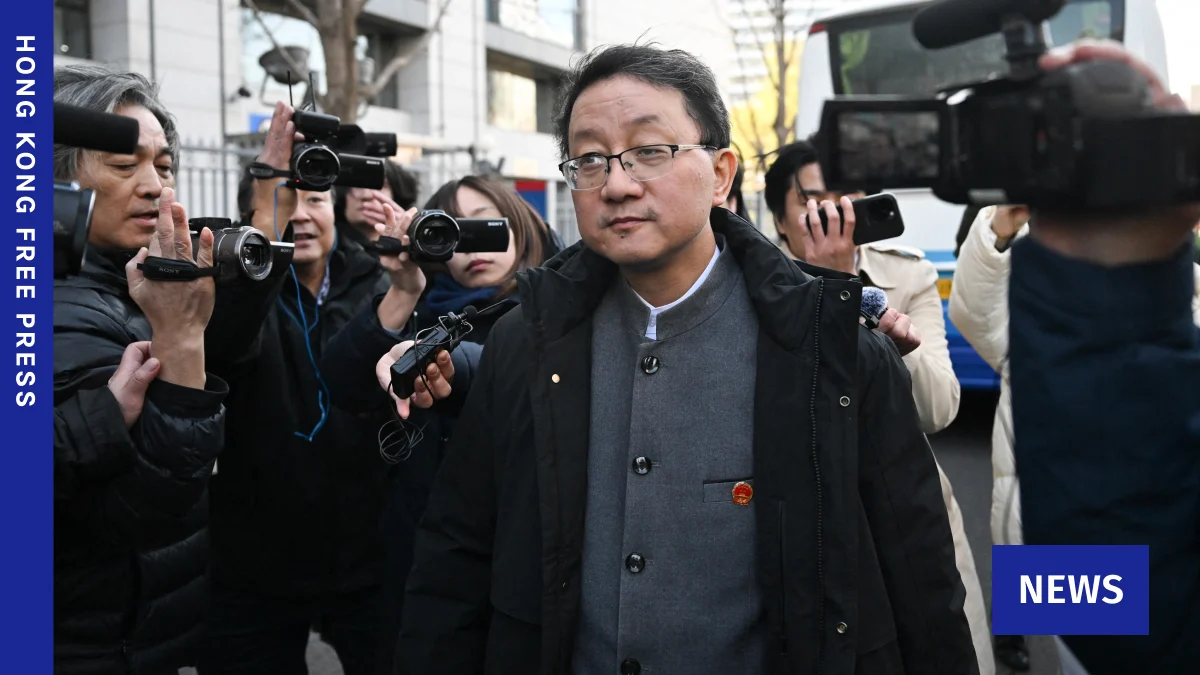
Chinese Ambassador Liu Jinsong has commenced his tenure in Australia with an unconventional and symbolic gesture, opting to travel to his new posting in the capital, Canberra, via public bus from Sydney. During his journey, Ambassador Liu engaged in conversations with "ordinary" Australians, signaling a potential shift in diplomatic approach and an emphasis on grassroots engagement in the complex bilateral relationship. His arrival on Monday, as stated on the Chinese embassy website, was met with a declaration of being "both honoured and deeply conscious of the responsibility" that comes with representing China in a nation with whom relations have experienced significant fluctuations in recent years.
Ambassador Liu’s decision to travel by public transport and interact directly with citizens marks a departure from typical high-level diplomatic arrivals, which often involve more insulated arrangements. This move is widely interpreted as an intentional act of public diplomacy, aiming to project an image of accessibility and a desire for direct understanding of Australian society, bypassing traditional political channels initially. He reportedly "thoroughly enjoyed the experience" of chatting with Australians on board, a sentiment that aligns with a broader diplomatic strategy focused on building goodwill and fostering people-to-people connections. Such gestures, while symbolic, can play a crucial role in shaping public perception and laying a foundation for more constructive dialogue, especially following a period of pronounced bilateral strain. The journey from Sydney, Australia’s largest city, to the political heart of Canberra, served not just as a physical transition but as a metaphorical bridge-building exercise, setting a potentially more personable tone for his ambassadorship.

Navigating the Tides of Bilateral Relations: A Recent History
The appointment of Ambassador Liu Jinsong comes at a pivotal time for Australia-China relations, which have witnessed a tumultuous trajectory over the past decade. Once characterized by robust economic interdependence and burgeoning cultural exchanges, the relationship descended into a severe diplomatic and trade freeze during the tenure of former Australian Prime Minister Scott Morrison. This period saw a dramatic erosion of trust and a cessation of high-level political contact, with both nations taking actions that profoundly impacted the other.
The Dip: Australian Actions and Chinese Retaliation (2017-2022)
The downturn in relations can be traced to several key policy decisions made by Australia, which Beijing perceived as hostile and detrimental to its interests. One significant factor was Australia’s pioneering legislation against overseas influence operations. In 2018, the Australian Parliament passed the Foreign Influence Transparency Scheme Act, aimed at increasing transparency around foreign entities attempting to influence Australian politics. While Australia maintained this was a domestic measure to protect its sovereignty, China viewed it as specifically targeting its legitimate engagement activities.
Another major flashpoint occurred in 2018 when Australia became one of the first Western nations to ban Chinese telecommunications giant Huawei from participating in its 5G network rollout, citing national security concerns. This decision, influenced by intelligence advice and in alignment with actions taken by allies like the United States, was met with strong condemnation from Beijing, which argued it was discriminatory and lacked evidence. The Huawei ban became a global precedent, further exacerbating technological and strategic distrust.

The nadir was arguably reached in April 2020, at the onset of the COVID-19 pandemic, when Australia called for an independent international inquiry into the origins of the virus. This call, made without prior consultation with Beijing, was interpreted by China as a politically motivated attack and an affront. Beijing swiftly responded with a series of punitive economic measures, targeting various Australian exports. These included:
- Barley: Imposition of anti-dumping and anti-subsidy duties totaling over 80%, effectively halting a AUD 1.5 billion annual trade.
- Wine: Tariffs of up to 218% were placed on Australian wine, crippling an export market worth over AUD 1 billion.
- Coal: Unofficial bans on Australian coal imports, diverting trade to other suppliers and costing Australian miners billions.
- Beef: Suspension of imports from several major Australian abattoirs.
- Other Commodities: Restrictions and disruptions also affected Australian lobster, timber, cotton, and horticulture products.
These trade actions, often referred to as "economic coercion," severely impacted Australian industries and led to significant economic losses, estimated to be in the tens of billions of dollars over the period. The diplomatic freeze meant that channels for resolving these disputes were largely shut down, leaving businesses and diplomats in limbo.
The Rapprochement: The Albanese Era (2022-Present)
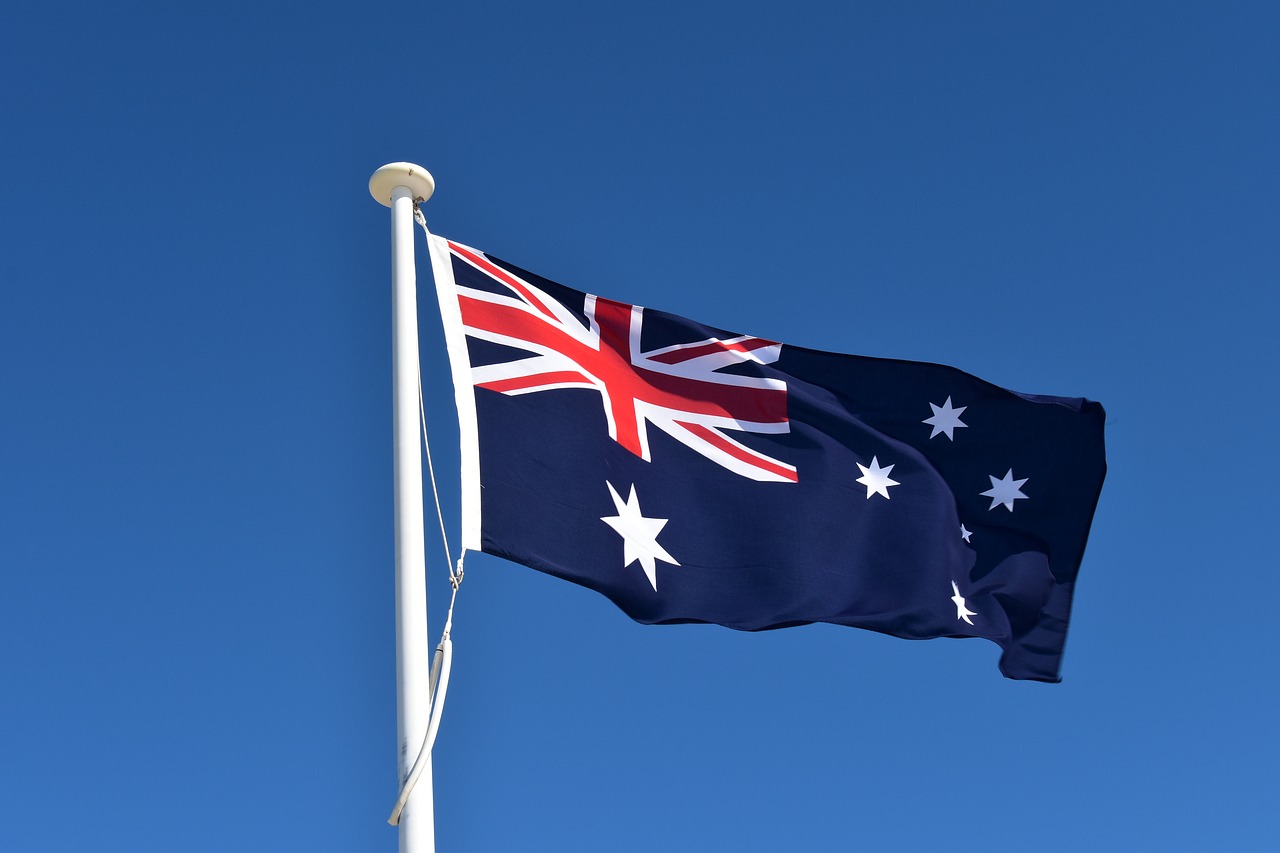
The election of the Albanese Labor government in May 2022 marked a significant turning point. Prime Minister Anthony Albanese adopted a more pragmatic and measured approach to foreign policy, signaling a desire to stabilize the relationship with China while upholding Australia’s national interests and values. This shift in leadership and tone facilitated a gradual thawing of diplomatic frost.
Key developments in this period include:
- Resumption of High-Level Dialogues: Ministerial contacts, which had been suspended for years, slowly resumed. This allowed for direct discussions on various issues, from trade disputes to consular matters.
- Prime Ministerial Visits: Prime Minister Albanese made two significant visits to Beijing since taking office in 2022, signifying a deliberate effort to re-engage at the highest levels. These visits were crucial in re-establishing lines of communication and demonstrating a commitment to stabilizing the relationship.
- Gradual Lifting of Trade Sanctions: Following sustained diplomatic efforts, China began to roll back some of its punitive trade measures. In August 2023, the tariffs on Australian barley were lifted, allowing the resumption of a significant agricultural trade. In March 2024, China also removed its punitive tariffs on Australian wine, signaling a further easing of economic pressure. These moves were widely welcomed by Australian industries and seen as concrete signs of improved relations.
- Consular Cases: Progress was made on high-profile consular cases, such as the release of Australian journalist Cheng Lei in October 2023, after more than three years of detention in China. While challenges remain, particularly concerning the ongoing detention of writer Yang Hengjun, the increased dialogue has provided avenues for advocacy.
The trade relationship remains profoundly important, with China continuing to be Australia’s largest trading partner. Despite the diplomatic turbulence, Australian iron ore exports to China largely remained robust due to China’s insatiable demand for steel production, underscoring the deep economic complementarities that underpin the relationship. In 2023, two-way trade between Australia and China reached approximately AUD 320 billion, highlighting the sheer scale of their economic ties.
Enduring Tensions and Future Challenges
Despite the marked improvement under Prime Minister Albanese, the Australia-China relationship is far from uncomplicated, and significant sources of tension persist. These areas represent ongoing challenges that Ambassador Liu Jinsong will undoubtedly need to navigate during his posting.

Security and Geopolitical Competition
The broader Indo-Pacific security landscape continues to be a major point of divergence. Australia’s increasing alignment with its traditional Western allies, particularly the United States, and its participation in security blocs are viewed with suspicion by Beijing.
- AUKUS Security Pact: The trilateral security pact between Australia, the United Kingdom, and the United States (AUKUS), announced in September 2021, is a cornerstone of Australia’s long-term defense strategy. It involves Australia acquiring nuclear-powered submarine technology, a move seen by China as a destabilizing act contributing to an arms race in the region and a proliferation risk. Beijing has consistently condemned AUKUS as an exclusive bloc that undermines regional peace and stability.
- South Pacific Influence: Both Australia and China are actively competing for influence in the strategically vital South Pacific island nations. Australia condemned China’s recent test of a nuclear-capable missile in the South Pacific, describing the launch as "destabilising" and a matter of serious concern for regional security. This incident highlights ongoing anxieties about China’s expanding military capabilities and its intentions in the region. Australia, through initiatives like its Pacific Step-up, seeks to strengthen its ties and assist development in the region, often implicitly countering China’s growing presence.
- South China Sea: Australia continues to advocate for freedom of navigation and overflight in the South China Sea, where China has extensive and disputed territorial claims and has built artificial islands with military facilities. Australian naval vessels regularly participate in exercises and patrols in international waters, sometimes leading to confrontations or incidents with Chinese forces, such as the sonar incident involving an Australian warship in November 2023.
Economic Diversification and Investment Scrutiny
While trade has largely recovered, Australia is actively pursuing strategies to diversify its export markets to reduce its reliance on China, a lesson learned from the trade sanctions. Concurrently, Canberra has increased scrutiny of foreign investment, particularly in sensitive sectors.
- Critical Minerals and Rare Earths: Australia possesses significant reserves of critical minerals and rare earths, essential for high-tech industries and renewable energy. There is heightened scrutiny of Chinese investment in this sector, driven by national security concerns, supply chain resilience, and a desire to control strategic assets. Australia is actively seeking to develop its own processing capabilities and partner with like-minded countries to secure these vital resources, rather than allowing excessive foreign control.
- Foreign Investment Review Board: Australia’s Foreign Investment Review Board (FIRB) has become more robust in assessing foreign investment proposals, especially those involving state-owned enterprises or critical infrastructure, ensuring they align with national interest criteria.
Human Rights and Values
Fundamental differences in political systems and values also remain a persistent point of contention. Australia continues to raise concerns about human rights issues in China, including the treatment of Uyghurs in Xinjiang, the erosion of freedoms in Hong Kong, and Beijing’s assertive stance on Taiwan. These issues, while often handled with diplomatic discretion, underscore the deep ideological divides that cannot be easily reconciled.

Ambassador Liu Jinsong: A New Diplomatic Style?
Ambassador Liu Jinsong’s initial public statements and his background offer insights into the potential direction of his ambassadorship. His emphasis on direct engagement and fostering understanding through personal interaction suggests a more conciliatory and relationship-building approach compared to his predecessor.
In his arrival statement, Liu underscored a desire for mutual respect and common ground: "Both sides should respect each other’s core interests and major concerns." He articulated a vision of shared potential, stating, "Our two countries have no historical grievances, no fundamental conflict of interests, highly complementary economies and mutually enriching cultures." This narrative seeks to downplay historical animosities and highlight the inherent advantages of cooperation, positioning the relationship on a more positive and pragmatic footing.
This approach contrasts sharply with that of his predecessor, Xiao Qian, who was known for his outspoken and sometimes fiery rhetoric in defending China’s party line. Ambassador Xiao frequently drew headlines in Australia for his robust public statements, which often mirrored Beijing’s more assertive "wolf warrior" diplomacy. While effective in communicating China’s firm positions, this style sometimes exacerbated tensions with the Australian public and media. Liu Jinsong’s initial actions suggest a shift towards a more measured and perhaps more persuasive form of diplomacy, aiming to win hearts and minds as much as negotiate policies.

Ambassador Liu’s professional background further supports this interpretation. He previously served as head of the foreign ministry’s Department of Asian Affairs, a role that involved managing complex and often sensitive diplomatic relationships within China’s immediate neighborhood. During his tenure, he held high-profile negotiations with Japanese officials amidst a diplomatic row concerning comments made by Japanese Prime Minister Sanae Takaichi regarding Taiwan. This experience demonstrates his capability in navigating intricate regional disputes and engaging in high-stakes diplomacy, suggesting he brings a seasoned and strategic mind to the Canberra posting. His experience in Asian affairs implies a deep understanding of regional dynamics and the nuanced interplay of interests that define China’s foreign policy.
Analysis and Implications for the Future
Ambassador Liu Jinsong’s arrival marks a critical juncture for Australia-China relations. His initial gestures of public diplomacy and his stated philosophy signal China’s continued commitment to stabilizing and improving ties with Australia, following the significant downturn. This reflects a broader trend in China’s foreign policy, where there is an apparent effort to soften its image and re-engage more constructively with key trading partners, particularly as its economy faces domestic challenges.
However, the path forward remains complex and fraught with challenges. While the economic relationship shows signs of recovery, fundamental differences in strategic outlook, security alliances, and adherence to international norms persist. Australia will continue to balance its vital economic ties with China against its security concerns, its commitment to a rules-based international order, and its alliance obligations with the United States. This will involve a delicate dance of cooperation where interests align, and firm assertion of national sovereignty and values where they diverge.

The significance of Liu’s appointment lies not just in his diplomatic style but in the message it sends from Beijing. It suggests a desire for a more stable and predictable relationship with Australia, recognizing Australia’s importance as a source of critical resources and a significant regional player. His emphasis on "mutually enriching cultures" and "complementary economies" could serve as a foundation for rebuilding trust and finding common ground, even amidst geopolitical competition.
Ultimately, the success of Ambassador Liu Jinsong’s tenure will depend on his ability to effectively bridge the gap between China’s strategic ambitions and Australia’s national interests and values. His task is to foster deeper understanding and pragmatic cooperation while navigating the inherent tensions that define one of the world’s most consequential bilateral relationships in the Indo-Pacific era. The public bus ride to Canberra may be just the first step in a long and intricate journey.

 Evan Lee Salim
 Jia Lissa