Asep Darmawan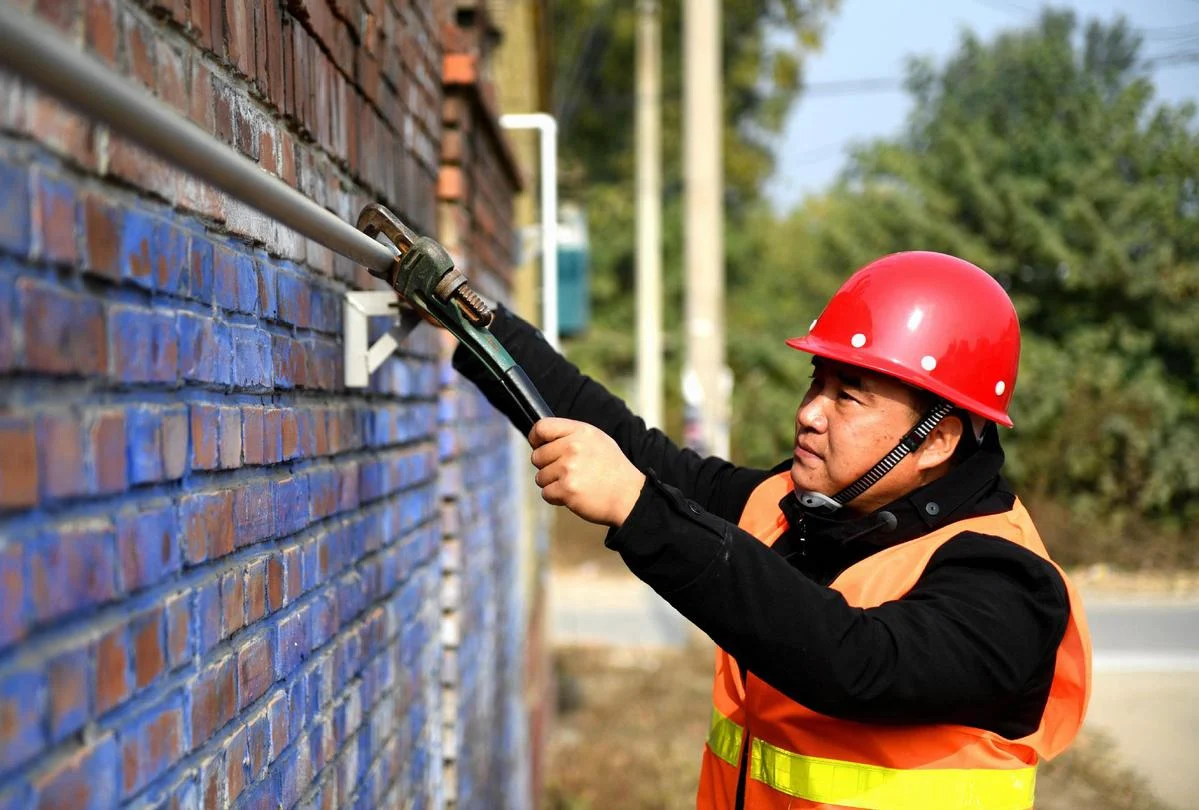
The Asian Infrastructure Investment Bank (AIIB) announced a significant financial commitment on Monday, approving a $250 million loan for a pivotal natural gas project in Beijing. This landmark investment, the bank’s inaugural financing in China and its first corporate financing deal, is strategically designed to mitigate coal consumption and substantially enhance air quality across the capital region. The funding is earmarked for the Beijing Gas Group Co., a state-owned enterprise responsible for gas infrastructure and services, to spearhead extensive coal-to-gas conversion initiatives that will enable rural households to transition from traditional coal-fired heating and cooking to cleaner natural gas.
A Landmark Investment for Environmental Protection
The $250 million loan represents a crucial step in China’s ongoing "War on Pollution," a nationwide campaign launched to tackle severe environmental degradation, particularly air pollution, which has plagued its major urban centers for years. The project, facilitated by the Beijing-based multilateral financial institution, will encompass the construction of vital natural gas distribution networks, the laying of new pipelines, and the installation of household connection facilities in numerous rural villages surrounding Beijing. This infrastructure development is central to ensuring a reliable and efficient supply of natural gas to communities previously reliant on coal, a major contributor to smog and particulate matter.
The initiative is projected to reach approximately 216,750 households spread across some 510 rural villages, fundamentally altering their energy consumption patterns. By converting these households to natural gas, the project is anticipated to reduce annual coal use by an estimated 650,000 metric tons. This reduction directly translates into a significant decrease in harmful emissions, including sulfur dioxide, nitrogen oxides, and fine particulate matter (PM2.5), all of which contribute to respiratory illnesses and other health issues. The project is scheduled for completion by 2021, setting a clear timeline for its environmental and social benefits to materialize.
China’s Arduous Battle Against Air Pollution: A Historical Context
China’s struggle with air pollution reached critical levels in the early 21st century, particularly in its industrial heartlands and densely populated urban areas like Beijing. Years of rapid industrialization, burgeoning energy demand fueled primarily by coal, and an explosive increase in vehicle ownership led to frequent "airpocalypses" – periods where smog levels soared to hazardous concentrations, often exceeding international safety standards by tenfold or more. Public discontent grew, as visible smog became a daily reality, impacting health, tourism, and overall quality of life.
In response to mounting public pressure and the evident economic and health costs, the Chinese government declared a "War on Pollution" in 2013. This marked a significant policy shift, moving from prioritizing economic growth at all costs to integrating environmental protection as a core national strategy. The State Council subsequently released the "Air Pollution Prevention and Control Action Plan" (2013-2017), setting ambitious targets for reducing PM2.5 concentrations in key regions, including the Beijing-Tianjin-Hebei (Jing-Jin-Ji) cluster. This plan mandated a 25% reduction in PM2.5 levels in Beijing by 2017 compared to 2012 figures. Subsequent initiatives, such as the "Blue Sky Protection Campaign" launched in 2018, have continued to reinforce this commitment, focusing on stricter industrial emission standards, vehicle emission controls, and a widespread transition away from coal.
The Jing-Jin-Ji region, encompassing Beijing, Tianjin, and the surrounding Hebei province, has been a particular focus due to its high concentration of heavy industry and dense population. Hebei province, in particular, was historically a hub for steel and coal production, contributing significantly to regional air pollution. Addressing coal consumption in heating, especially in rural areas, emerged as a critical component of the strategy, as millions of households relied on inefficient and highly polluting coal stoves for warmth during the harsh northern winters.
The "Coal-to-Gas" Transition: A National Imperative
The "coal-to-gas" conversion policy is a cornerstone of China’s broader energy transition strategy. It aims to replace coal, the most carbon-intensive fossil fuel, with cleaner alternatives, primarily natural gas, and increasingly, renewable energy sources like solar and wind power. For heating purposes, particularly in rural and suburban areas, natural gas offers a significantly cleaner combustion process compared to raw coal, releasing fewer particulate matter, sulfur dioxide, and nitrogen oxides.
The implementation of this policy, however, has not been without its challenges. The scale of the undertaking is immense, requiring substantial investment in gas pipelines, distribution networks, and household appliances. Moreover, ensuring a stable and affordable supply of natural gas has been a recurring concern. In the initial phases of the "coal-to-gas" push, some regions experienced temporary gas shortages during peak winter demand, leading to concerns about energy security and the comfort of affected households. The government responded by ramping up domestic gas production, expanding liquefied natural gas (LNG) import capabilities, and investing in gas storage facilities.
Despite these hurdles, the policy has yielded tangible results. According to official data from China’s Ministry of Ecology and Environment, average PM2.5 concentrations in Beijing declined by over 50% between 2013 and 2017, largely attributed to these aggressive coal reduction and emission control measures. The success of these policies demonstrates the government’s resolve and the necessity of such large-scale infrastructure projects.
Project Specifics and Expected Outcomes
The AIIB-backed project targets rural households in the periphery of Beijing, a region that often lags behind urban centers in terms of modern infrastructure and access to cleaner energy. The project involves a multi-faceted approach:
- Network Expansion: Constructing new natural gas distribution networks to reach previously unserved villages. This includes primary transmission pipelines and secondary distribution lines within villages.
- Household Connections: Installing the necessary infrastructure at the household level, including meters, internal piping, and gas-fired heating and cooking appliances, replacing old coal stoves.
- Capacity Building: Potentially includes training for local technicians and support for community engagement to ensure smooth adoption and safe operation of the new systems.
The projected reduction of 650,000 metric tons of coal annually translates into significant environmental gains. Based on typical emission factors, this would prevent thousands of tons of sulfur dioxide and nitrogen oxides from entering the atmosphere, alongside a substantial reduction in PM2.5. Furthermore, while natural gas is a fossil fuel, its combustion produces approximately half the carbon dioxide per unit of energy compared to coal, contributing to China’s broader climate change mitigation efforts. The completion by 2021 underscores a relatively rapid execution timeline for a project of this scale, reflecting the urgency of addressing air quality issues.
The Asian Infrastructure Investment Bank’s Green Mandate
The AIIB, a multilateral development bank founded in 2016 and headquartered in Beijing, has a core mission to support sustainable infrastructure development and improve economic and social outcomes in Asia. Its strategic priorities include green infrastructure, cross-border connectivity, and private capital mobilization. This $250 million loan to Beijing Gas Group Co. perfectly aligns with the bank’s "green mandate" and its commitment to financing environmentally sustainable projects.
Jin Liqun, President of the AIIB, underscored this alignment in his statement: "China’s commitment to reducing its reliance on coal will change lives and improve the environment, and that is why we are investing in a project aligned with that ambitious plan." He further emphasized that the investment would help China introduce sustainable infrastructure that will reduce greenhouse gas emissions and help stimulate one of Asia’s most important economic hubs. This specific deal is notable not only for being the AIIB’s first investment in its host country but also for being its first corporate financing deal, signaling the bank’s willingness to engage directly with state-owned enterprises and private entities to achieve its development objectives. This diversification of financing instruments allows the AIIB to tailor its support more effectively to specific project needs and leverage different types of partnerships.
Statements and Official Reactions
The announcement was met with positive reception from various stakeholders.
Jin Liqun, AIIB President: "This project is a clear manifestation of AIIB’s unwavering commitment to green and sustainable development. By supporting China’s ambitious coal-to-gas conversion program, we are directly contributing to cleaner air for millions and helping to set a benchmark for other developing nations grappling with similar environmental challenges. Our first corporate financing deal reflects our innovative approach to partnerships and our dedication to delivering tangible impact on the ground."
Beijing Gas Group Co.: While no direct statement was provided in the original text, it can be inferred that Beijing Gas Group would welcome the substantial financial backing. A spokesperson might state, "This critical investment from the AIIB significantly bolsters our capacity to accelerate the ‘coal-to-gas’ conversion program, particularly in underserved rural areas. It will enable us to expand our natural gas network efficiently, improve service reliability, and ultimately enhance the quality of life and health for hundreds of thousands of Beijing residents. We are committed to the timely and effective execution of this project, ensuring safety and environmental stewardship."
Chinese Government Officials (inferred): Officials from the Ministry of Ecology and Environment or the National Energy Administration would likely commend the AIIB’s support. A statement might read, "The Chinese government highly appreciates the AIIB’s partnership in our ongoing national efforts to combat air pollution and transition to a cleaner energy mix. This loan is a testament to the international community’s recognition of China’s commitment to ecological civilization and sustainable development. Such collaborative financing is vital for achieving our ambitious environmental targets and ensuring energy security for our citizens."
Local Residents/Beneficiaries (inferred): For rural households, the transition to natural gas represents a significant improvement in living conditions. Residents might express relief from the arduous task of hauling and burning coal, the pervasive indoor air pollution, and the associated health risks. "Having natural gas for heating and cooking will be a huge relief," a villager might comment. "No more smoky houses, no more carrying coal, and it’s much warmer and safer. We look forward to cleaner air for our children."
Expert Perspectives on Financing and Implementation
The AIIB’s investment also drew insights from financial and energy experts regarding its broader implications. Zeng Gang, a financial researcher at the Chinese Academy of Social Sciences, highlighted the strategic importance of this financing. "Green financing in China will clearly be an important target for the AIIB," Zeng noted. He further elaborated that "it is reasonable that the AIIB is the provider of long-term financing with relatively low cost for such infrastructure projects, especially when Chinese commercial banks are facing greater liquidity pressure." This observation underscores the AIIB’s unique role as a multilateral development bank capable of providing patient capital for large-scale, long-term infrastructure projects that commercial banks might be less willing or able to finance due to different risk profiles and liquidity constraints.
Li Li, energy research director at ICIS China, an energy consulting firm, while welcoming the AIIB financing, also offered a crucial caveat regarding the broader energy strategy. She emphasized that while the loan is beneficial, "the nation should also boost investment in seasonal gas storage facilities, diversify import channels and improve the pricing mechanism to address potential shortages." Li’s comments point to the inherent challenges of a rapid energy transition, particularly the need to ensure supply security and market stability. A robust natural gas infrastructure not only requires pipelines but also adequate storage capacity to manage demand fluctuations, especially during peak winter months. Furthermore, diversifying import sources and refining pricing mechanisms are essential to mitigate the risks of supply disruptions and price volatility, ensuring that natural gas remains an affordable and reliable option for end-users.
Broader Implications: Economic, Social, and Environmental
This AIIB loan has far-reaching implications across economic, social, and environmental dimensions:
- Environmental Impact: The direct and most immediate impact is the significant reduction in air pollution. Cleaner air translates into fewer respiratory and cardiovascular diseases, lower healthcare costs, and increased productivity. It also contributes to mitigating climate change by reducing greenhouse gas emissions. The project serves as a model for other regions and countries seeking to transition away from coal.
- Economic Impact: The investment stimulates economic activity through infrastructure construction, creating jobs in engineering, construction, and related services. It also supports the growth of the natural gas sector in China. Furthermore, improved environmental quality can enhance the attractiveness of Beijing for foreign investment and tourism. The AIIB’s corporate financing model could also pave the way for more private sector involvement in green infrastructure projects.
- Social Impact: The transition to natural gas significantly improves the quality of life for rural residents. It offers a more convenient, efficient, and safer heating and cooking solution than coal, reducing household labor and improving indoor air quality. This contributes to social equity by extending modern energy services to previously underserved communities.
- AIIB’s Strategic Role: This project solidifies the AIIB’s reputation as a key player in sustainable development financing in Asia. It demonstrates the bank’s ability to execute its mandate through direct investment in its host country and through innovative financing mechanisms like corporate loans. It strengthens the relationship between China and the AIIB and sets a precedent for future collaborations on environmental and infrastructure projects.
Navigating the Path Forward: Challenges and Future Prospects
While the project marks a significant positive step, the path forward for China’s energy transition still involves considerable challenges. Ensuring long-term natural gas supply security remains paramount. China is already one of the world’s largest natural gas importers, and its demand is projected to continue growing. This necessitates strategic investments in domestic exploration and production, further diversification of import channels (e.g., pipelines from Central Asia, Russia, and LNG terminals worldwide), and expansion of strategic gas storage facilities.
Moreover, the "coal-to-gas" strategy, while cleaner than coal, is still a transition fuel. The ultimate goal for China is to achieve carbon neutrality by 2060, which will require a much more substantial shift towards renewable energy sources. Therefore, while natural gas plays a crucial role in improving immediate air quality and reducing carbon intensity, it must be viewed as part of a broader, holistic energy strategy that prioritizes solar, wind, hydro, and nuclear power in the long run. Continued investment in renewable energy infrastructure, grid modernization, and energy efficiency measures will be critical to achieving China’s ambitious climate targets.
Conclusion
The $250 million loan from the Asian Infrastructure Investment Bank for Beijing’s natural gas project is more than just a financial transaction; it is a strategic investment in China’s environmental future and a testament to the global commitment to sustainable development. By enabling hundreds of thousands of rural households to switch from coal to natural gas, the project promises cleaner air, improved public health, and a tangible step towards a greener economy. As China continues its monumental energy transition, such international collaborations and targeted financing will remain indispensable in navigating the complexities of balancing rapid development with environmental stewardship, setting an example for sustainable infrastructure development across Asia and beyond.

 Evan Lee Salim
 Jia Lissa