Neng Nana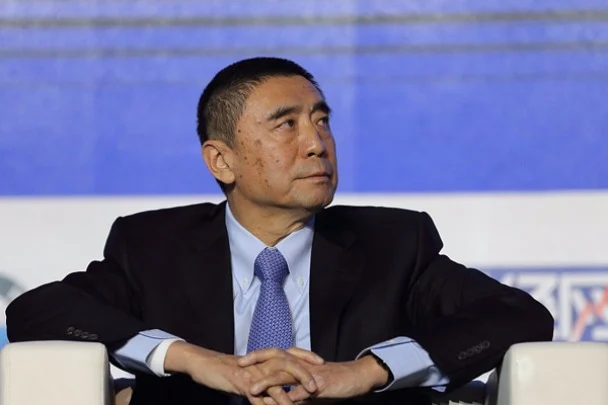
Beijing-headquartered conglomerate China Poly Group Corp has articulated a comprehensive strategy to continuously promote and significantly expand its business footprint across both developed nations and the burgeoning economies participating in the Belt and Road Initiative (BRI), signaling a decisive push for enhanced global reach and diversified growth. This strategic imperative, outlined by top leadership, underscores a pivotal moment for one of China’s largest state-owned enterprises as it navigates evolving international markets and seeks new avenues for sustainable development.
Strategic Imperative: A Dual-Market Approach
The core of Poly Group’s invigorated international strategy centers on a dual-market approach. The company plans to escalate its investment in established Western markets, leveraging mature economic landscapes for innovation, technology transfer, and premium market access. Simultaneously, it will intensify its focus on investment opportunity studies within economies aligned with the Belt and Road Initiative, viewing these as critical new growth points. This balanced strategy aims to capitalize on distinct advantages offered by different global regions: the stability and advanced infrastructure of developed economies, and the rapid development potential and connectivity opportunities within BRI nations.
Xu Niansha, chairman of China Poly Group Corp, articulated the rationale behind this ambitious direction, stating, "Poly sees investment projects in numerous Western markets as well as economies involved in the Belt and Road Initiative. Our overseas projects generate profits and help Poly build a good image there." This emphasis on both financial returns and corporate reputation highlights a sophisticated understanding of global business dynamics, where long-term success is intertwined with positive stakeholder relationships and a responsible corporate presence. The company’s current engagement in two-thirds of the economies involved in the BRI already demonstrates a substantial commitment and provides a robust foundation for further expansion, particularly in areas like infrastructure construction and livelihood projects that directly benefit local populations.
Poly Group: A Brief Overview and Historical Context
China Poly Group Corporation is a sprawling state-owned conglomerate established in 1992, with its roots tracing back to a trading arm of the People’s Liberation Army. Over the decades, it has diversified extensively, shedding its initial military-industrial focus to become a multi-faceted enterprise operating across various sectors including international trade, real estate, culture and arts, and light industrial products. This evolution mirrors China’s broader economic transformation, moving from a centrally planned economy to a market-oriented one, with SOEs like Poly playing a crucial role in the nation’s "going out" strategy.
The "going out" policy, initiated in the early 2000s, encouraged Chinese enterprises to invest overseas, acquire foreign assets, and expand their international presence. This policy gained further momentum with the launch of the Belt and Road Initiative in 2013, a colossal infrastructure and investment project aimed at connecting Asia with Africa and Europe via land and maritime networks. Poly Group’s current strategy is a direct manifestation of these national directives, positioning the conglomerate as a key player in China’s global economic engagement. Its diversified portfolio allows it to contribute across various pillars of the BRI, from hard infrastructure to soft power initiatives.
The Belt and Road Initiative: A Catalyst for Expansion
The Belt and Road Initiative (BRI) has undeniably provided Poly Group with unprecedented opportunities for business expansion. The initiative, often dubbed the "New Silk Road," encompasses a vast array of infrastructure projects, including railways, roads, ports, pipelines, and power plants, alongside efforts to streamline trade and financial flows. For Poly, involvement in BRI economies translates into significant contracts in infrastructure development, leveraging its expertise in engineering and construction. Beyond physical infrastructure, the initiative also fosters economic cooperation and cultural exchange, aligning perfectly with Poly’s diversified business model.
Poly’s current presence in a substantial majority of BRI economies underscores its strategic alignment with this mega-project. The company’s commitment extends beyond mere project execution; it often involves capacity building and technology transfer, aiming to create sustainable economic ecosystems in host countries. This approach helps Poly build long-term relationships and mitigate potential geopolitical risks often associated with large-scale foreign investments. The focus on "livelihood projects" within BRI nations, such as residential developments, hospitals, or educational facilities, further strengthens local community ties and demonstrates a commitment to social responsibility alongside economic objectives.
Diversification within Real Estate: A Strategic Pivot
A significant aspect of Poly’s strategic shift lies within its real estate portfolio. Acknowledging the slowdown in profit margins within China’s domestic real estate sector due—in part—to a more balanced supply-demand situation and government regulatory measures to cool speculative investments, Poly is strategically pivoting towards diversified real estate sectors. This includes a pronounced focus on real estate projects in elderly care, commercial retail, and tourism. These sectors are currently experiencing substantial growth momentum globally, driven by demographic shifts, rising consumer spending, and an increasing demand for specialized lifestyle amenities.
The global aging population trend, particularly prominent in developed nations but also emerging rapidly in many developing economies, presents a vast market for elderly care facilities, retirement communities, and specialized medical infrastructure. Poly’s entry into this segment positions it to tap into a resilient and growing demand. Similarly, the expansion into commercial retail and tourism real estate aligns with global urbanization trends and the increasing propensity for travel and leisure. These segments offer higher potential yields and greater resilience compared to traditional residential development, which can be more susceptible to economic cycles and policy interventions. This strategic diversification not only mitigates risks associated with a single market or sector but also positions Poly to become a more agile and comprehensive player in the global real estate landscape.
Cultural Diplomacy and Economic Significance
Beyond tangible infrastructure and real estate, Poly Group has long recognized the immense value of cultural exchange and soft power. Xu Niansha highlighted the company’s extensive cooperation in the cultural sector with diverse regions including the United States, Australia, Europe, Africa, and Southeast Asia. This engagement spans various facets of the cultural industry, from performance and theater management to the arts business, auctions, and cinema investment.
Poly’s cultural initiatives serve a dual purpose: they are avenues for economic growth and critical conduits for cultural communication. The company actively exports Chinese cultural products to Western markets, introducing traditional and contemporary Chinese arts, performances, and films to a global audience. Concurrently, it plays a vital role in introducing Western classics and contemporary works to the Chinese market, fostering a dynamic two-way cultural exchange. This deliberate strategy enriches cultural understanding and appreciation, breaking down barriers and building bridges between nations.
As Xu Niansha succinctly put it, "Culture export undertakes the responsibility of cultural communication between different countries and also bears economic significance, helping enhance the soft power of a country." This statement encapsulates the strategic importance of cultural engagement. Soft power, the ability to influence through attraction rather than coercion, is a crucial component of modern international relations. By showcasing Chinese culture and facilitating cross-cultural dialogue, Poly Group contributes significantly to enhancing China’s global image and influence, fostering an environment conducive to broader economic and political cooperation. This includes managing major performance venues, organizing international art exhibitions, facilitating high-value art auctions that bridge Eastern and Western art markets, and investing in cinematic productions that can appeal to global audiences.
Confidence in China’s Economic Trajectory and International Cooperation
Underpinning Poly Group’s ambitious global expansion is a profound confidence in the prospects for China’s economic growth. Despite global economic headwinds and shifts in domestic policy, Chinese leaders and major SOEs like Poly remain optimistic about the country’s long-term economic trajectory. Xu Niansha’s remarks reflect this sentiment: "China’s determination to further open itself to outside investment shows that China will be an open economy and has more confidence in international markets." This commitment to openness is crucial for fostering international partnerships and ensuring a robust, interconnected global economy.
The emphasis on an "open economy" signals China’s continued integration into the global trading and investment system, despite periodic trade tensions and calls for decoupling in certain sectors. For Poly, this translates into a strategic advantage, as its international partners can rely on a stable and predictable policy environment. The chairman reiterated the company’s willingness for "more extensive cooperation with our international partners," signaling a proactive approach to building alliances and fostering mutually beneficial relationships. This includes joint ventures, strategic partnerships, and collaborative projects that leverage the strengths of all parties involved. Such collaborations are essential for navigating complex international markets, sharing risks, and achieving economies of scale.
Broader Implications and Future Outlook
Poly Group’s enriched global strategy carries significant implications, both for the company itself and for China’s broader economic and geopolitical ambitions. For Poly, it signifies a transition from simply being a large Chinese enterprise to becoming a truly global conglomerate with diversified revenue streams and a resilient business model less dependent on any single market. The strategic pivot towards high-growth, specialized real estate sectors and the sustained commitment to cultural industries position it well for future profitability and influence.
From a national perspective, Poly’s strategy aligns perfectly with China’s overarching goals of deepening economic integration, enhancing its global soft power, and projecting an image of a responsible and cooperative global player. Its activities in BRI countries contribute directly to the initiative’s success, strengthening connectivity and fostering economic development in partner nations. Simultaneously, its engagement with developed Western markets allows for the acquisition of advanced technologies, management expertise, and access to sophisticated consumer bases, which can then be leveraged back into China and other developing markets.
The emphasis on cultural exchange is particularly noteworthy. In an increasingly interconnected yet often fragmented world, cultural diplomacy plays a vital role in fostering understanding and goodwill. Poly Group, through its arts and entertainment ventures, acts as a crucial bridge, promoting cross-cultural dialogue and showcasing the richness of both Chinese and global cultures. This not only enhances China’s international appeal but also contributes to a more vibrant and diverse global cultural landscape.
Looking ahead, China Poly Group Corp is poised to solidify its position as a significant global player. Its carefully calibrated strategy of simultaneous expansion into both developed and BRI economies, coupled with strategic diversification and a strong commitment to cultural exchange, provides a robust framework for sustained growth and influence. As the global economic landscape continues to evolve, Poly’s adaptability and comprehensive approach will be key determinants of its continued success on the international stage, making it a compelling case study for the evolving role of Chinese state-owned enterprises in the 21st century. The firm’s commitment to openness and extensive international cooperation suggests a future where its global footprint continues to expand, driven by strategic vision and a deep understanding of market dynamics and cultural nuances.

 Evan Lee Salim
 Suro Senen