Sagoh
Sagoh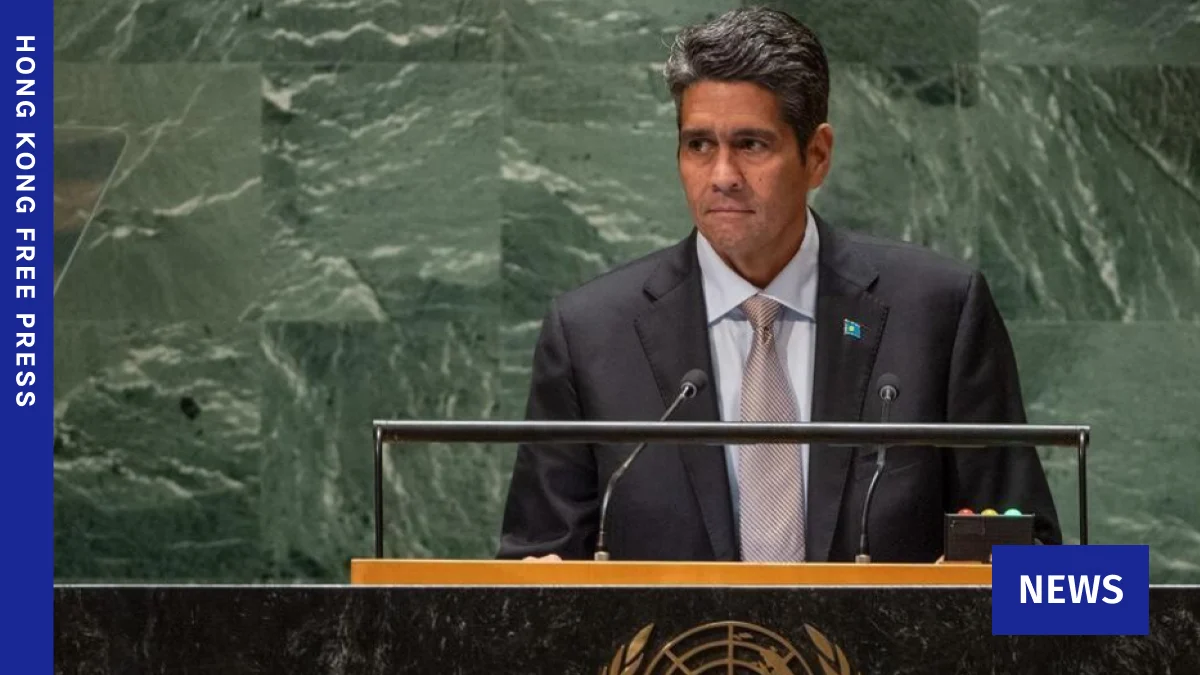
In a landmark display of regional solidarity and defiance against external pressures, Pacific Island nations have collectively condemned a recent Chinese intercontinental ballistic missile (ICBM) test that landed in their midst, issuing a joint statement demanding advanced notification for such military activities. The powerful communique, agreed upon during the Pacific Islands Forum (PIF) summit in Palau on Thursday, underscores the region’s deep-seated historical grievances regarding military testing and its growing assertiveness in the face of escalating geopolitical competition. This strong stance was achieved despite significant diplomatic pressure from Beijing on Palau, the host nation, highlighting the complex balancing act these small island developing states (SIDS) must navigate.
Background to the Contention: China’s July ICBM Test
The catalyst for this regional condemnation was a Chinese ICBM test conducted in July, which saw a missile splash down in international waters perilously close to the maritime territories of Tuvalu and Naoero (formerly Nauru). China had provided only scant, short-notice warnings to a limited number of nations prior to this exercise, which Beijing described as "a routine arrangement of China’s annual military training." This explanation, however, failed to assuage the profound concerns of the Pacific nations, many of whom possess bitter collective memories of decades of nuclear testing conducted by the United States, Britain, and France in their waters. These historical events left a devastating legacy of environmental contamination, health issues, and forced displacement, leading the region to declare its waters a nuclear-free zone through treaties like the Treaty of Rarotonga. The recent Chinese test, therefore, reopened old wounds and reignited fears of the Pacific becoming a testing ground for great power rivalries.

The lack of adequate notice was a central point of contention. While China claimed "relevant countries were informed in advance," the PIF members found this insufficient, emphasizing the need for robust transparency and reassurance protocols. The missile test was perceived by many as an overt flexing of military might in a region where China has been actively pursuing an expansion of its economic and strategic influence for over a decade. Beijing’s "String of Pearls" strategy and its Belt and Road Initiative have seen substantial Chinese investment in infrastructure, aid, and diplomatic engagement across the Pacific, often leading to a complex web of dependencies and allegiances among island nations.
The Pacific Islands Forum’s Unified Stance
The PIF summit’s communique, a pivotal document outlining the collective concerns and aspirations of the region, was publicly read by Palau’s President Surangel Whipps during a late-night news conference. The statement explicitly calls for a minimum of 24 hours’ notice for any intercontinental ballistic missile testing, aligning with international best practices and emphasizing respect for regional sovereignty and safety. "The leaders register concern on the recent intercontinental ballistic missile (ICBM) test which overflew a number of members without adequate notice," the communique stated. It further urged "all states undertaking ICBM testing to ensure transparency and reassurance including through the provision of advanced notification of a test, at least 24 hours, in accordance with international practice."
This strong and unified message was agreed upon by 17 of the 18 forum members, a remarkable consensus given the diverse geopolitical alignments and economic ties within the PIF. The lone dissenter was Naoero, the small island nation that switched its diplomatic recognition from Taiwan to Beijing two years prior. Naoero’s reluctance to criticize China highlights the economic leverage Beijing holds over some Pacific nations, where China is often a significant lender for critical infrastructure projects, from ports and airports to government buildings. This dynamic often creates a dilemma for smaller nations, balancing their regional solidarity with immediate economic interests and diplomatic relationships.

President Whipps, responding to China’s accusations of Palau "hijacking" the forum’s responses, firmly reiterated the collective sentiment: "I think the message from the forum is clear, transparency needs to happen." This direct response underscores the PIF’s determination to assert its agency and demand respect from larger powers, rather than being perceived as passive recipients of geopolitical maneuvering.
Geopolitical Context: Competing Interests and Historical Echoes
The condemnation of China’s missile test is not an isolated event but rather a reflection of the broader geopolitical currents reshaping the Pacific. The region has emerged as a critical arena for strategic competition between major powers, particularly China and the United States and its allies (Australia, New Zealand, Japan, France). The US, through its "Pacific Tilt" strategy, has sought to re-engage with the region, offering increased aid, diplomatic presence, and military cooperation to counter China’s growing influence.
The PIF’s stance also draws a distinction between China’s actions and those of other military powers. For instance, the United States regularly conducts ballistic missile tests in the Pacific under defense agreements, notably with the Marshall Islands. However, Palau and Australia’s leaders were quick to highlight that these tests are "very different" to China’s, precisely because "adequate notice is given." This distinction is crucial, as it emphasizes that the issue is not necessarily the presence of military activity itself, but rather the adherence to international norms, transparency, and respect for regional sensibilities. The Marshall Islands, for example, hosts the Ronald Reagan Ballistic Missile Defense Test Site at Kwajalein Atoll, a critical component of US strategic defense capabilities, but operates under strict protocols and long-standing agreements that include notification procedures.

Taiwan’s Role and Diplomatic Friction
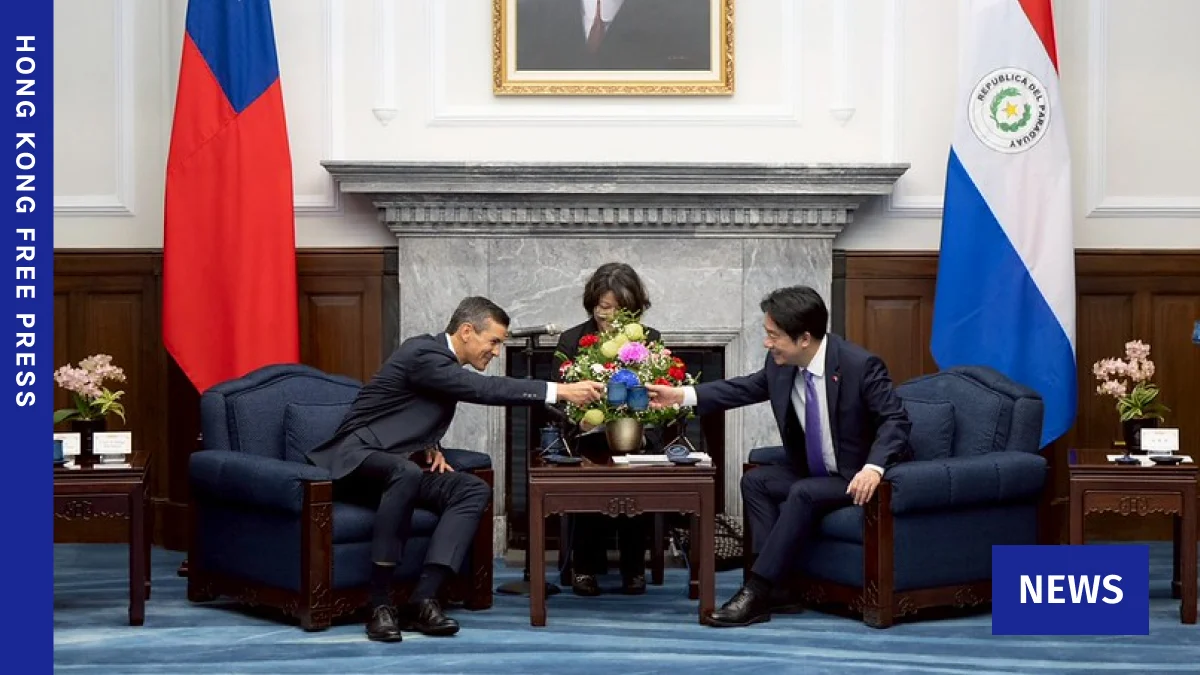
Adding another layer of complexity to the summit was the significant friction over Taiwan’s presence. Palau, as one of Taiwan’s remaining diplomatic allies, invited Taiwan’s Foreign Minister Lin Chia-lung to the forum as an "aid partner." This invitation was extended alongside those to a dozen other non-Pacific countries, including China and the United States, who participate in sideline events in various capacities.
Beijing, which considers self-ruled Taiwan a renegade province to be reunified with the mainland, by force if necessary, bristled at Taiwan’s participation. China’s Pacific envoy, Qian Bo, had warned reporters on Monday of potential "consequences" related to Taiwan’s presence. This strong reaction from Beijing underscores the sensitivity of the "One China" policy in international diplomacy and China’s assertive efforts to isolate Taiwan on the global stage.
Taiwan, in turn, robustly defended its role in the Pacific. Taipei’s officials argued that its continued diplomatic presence, particularly with its three remaining Pacific allies (Palau, Marshall Islands, and Tuvalu), is vital in preventing China from "having full control" over the region. Taiwan’s engagement often focuses on areas like agriculture, fisheries, medical assistance, and education, providing an alternative development partnership model to Beijing’s large-scale infrastructure projects. The ongoing diplomatic tug-of-war for recognition is a constant feature of Pacific politics, with nations often weighing the economic benefits of aligning with Beijing against historical ties and shared democratic values with Taiwan.

Beyond Geopolitics: The Pacific’s Pressing Challenges
While geopolitical friction frequently captured headlines, the PIF summit also dedicated significant attention to the region’s most pressing existential challenges: climate change and transnational crime. These issues, often overshadowed by great power competition, are of paramount importance to the survival and stability of Pacific island nations.
Climate change remains the single greatest threat to the "Blue Pacific Continent." Rising sea levels threaten to inundate low-lying atolls, intensifying coastal erosion, salinization of freshwater sources, and displacement of communities. Extreme weather events, such as cyclones and droughts, are becoming more frequent and severe, devastating infrastructure, agriculture, and livelihoods. The PIF has consistently advocated for stronger global action on emissions reduction and increased climate finance to support adaptation and mitigation efforts. For these nations, climate change is not an abstract environmental issue but an immediate and tangible threat to their very existence.
Transnational crime, particularly drug trafficking, is another rapidly escalating concern. The vast maritime expanse of the Pacific, with its relatively porous borders and limited surveillance capabilities, has become an attractive route for "narco subs" transporting increasing volumes of methamphetamine and cocaine from Latin America to lucrative markets in Australia, New Zealand, and Asia. This illicit trade fuels local crime, corruption, and public health crises in already vulnerable communities. Recognizing this threat, Australia, the largest forum member and the Pacific’s biggest aid donor, pledged a substantial AU$600 million (US$432 million) to boost satellite and drone aerial surveillance capabilities. This initiative aims to help track and intercept these "narco subs" and strengthen regional law enforcement efforts.

Other crucial topics addressed at the summit included energy security and visa policies. US Deputy Secretary of State Christopher Landau pledged $60 million to improve fuel security in the Pacific, a critical intervention given the soaring global energy prices exacerbated by the Middle East crisis, which disproportionately impact island nations reliant on imported fossil fuels. Meanwhile, Papua New Guinea Prime Minister James Marape raised concerns about new US visa bond charges for Pacific citizens traveling to the United States in a sideline meeting with Landau, highlighting the ongoing need for respectful and equitable policies from major partners.
Implications and Future Outlook
The Pacific Islands Forum’s resolute condemnation of China’s missile test marks a significant moment for regional diplomacy. It demonstrates a collective will to assert sovereignty, demand transparency, and protect the Pacific as a zone of peace, free from the unannounced military maneuvers of external powers. This unity, despite the strategic importance of China as an economic partner, signals a growing confidence among PIF members to speak with one voice on issues of core regional security and dignity.
The incident also underscores the delicate balance Pacific nations must strike amidst the intensifying competition between the US and China. While they welcome aid and investment, there is a clear desire to avoid becoming pawns in a larger geopolitical game. The PIF’s "2050 Strategy for the Blue Pacific Continent" emphasizes regional solidarity, self-determination, and the vision of a resilient, peaceful, and prosperous Pacific, managed by Pacific Islanders. This strategy seeks to empower the region to define its own future, rather than having it dictated by external forces.

As the forum concluded, Secretary-General Baron Waqa’s closing remarks resonated deeply with the challenges and aspirations of the region: "The bonds between us must remain stronger than the forces that seek to divide us." This sentiment encapsulates the ongoing struggle for unity, agency, and sustainable development in a region increasingly at the crossroads of global power dynamics, yet determined to chart its own course. The call for transparency in military activities is not merely a technical request; it is a fundamental demand for respect and recognition of the Pacific’s sovereign space and its historical commitment to peace.


 Asro
Asro