Evan Lee Salim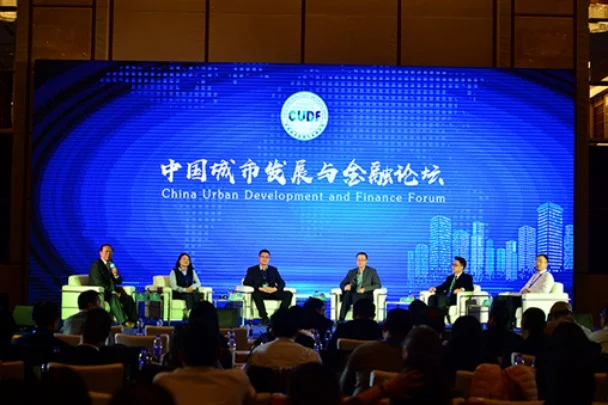
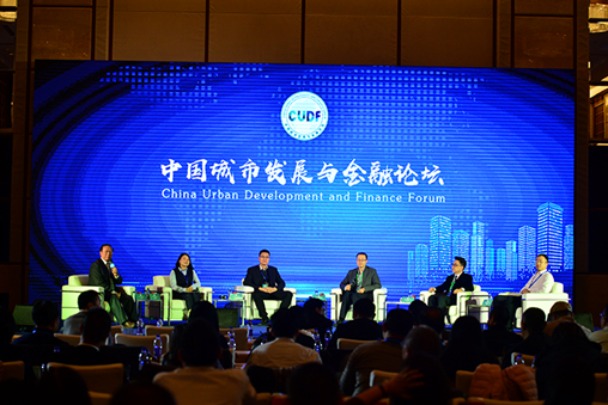
On Saturday, December 9, 2017, a pivotal forum addressing the multifaceted challenges and opportunities in urban development convened in Beijing, drawing together a diverse group of stakeholders committed to fostering greener and more sustainable urban environments across China. The China Urban Development and Finance Forum, spearheaded by Shunxin Construction, served as a crucial platform for dialogue, bringing into sharp focus the national drive towards an "ecological civilization" and high-quality development as articulated in the wake of the 19th National Congress of the Communist Party of China (CPC).
The Imperative for Sustainable Urbanization
China’s trajectory over the past four decades has been profoundly shaped by an unprecedented wave of urbanization. From an agrarian society with an urbanization rate of under 20% in the late 1970s, the nation witnessed its urban population surpass 50% by 2011, reaching approximately 58% by the time of this forum in 2017. This rapid shift, while fueling economic growth and lifting hundreds of millions out of poverty, has simultaneously presented immense challenges, including severe environmental degradation, resource strain, traffic congestion, and growing social inequalities within and between cities. Megacities like Beijing and Shanghai grapple with issues of overcrowding and pollution, while many second- and third-tier cities and townships strive for balanced development that avoids the pitfalls of their larger counterparts.
The 19th CPC National Congress, held in October 2017, marked a significant turning point, cementing the concept of "ecological civilization" as a core component of the national development strategy. This paradigm shift emphasizes a holistic approach to development that prioritizes environmental protection, resource efficiency, and sustainable growth over mere economic expansion. It specifically called for a transformation in urban planning and management, moving away from extensive, resource-intensive models towards intensive, green, and smart urban solutions. The forum directly addressed these national directives, aiming to translate top-level policy into actionable strategies for urban stakeholders.
A Convergence of Vision: The Five Development Concepts
A central theme woven throughout the forum’s discussions was the adherence to the "innovative, coordinated, green, open and shared by all" development philosophy. These five concepts, first introduced in 2015, represent the guiding principles for China’s economic and social development in the new era. At the forum, participants meticulously explored how these principles could be practically applied to urban development:
- Innovative Development: This entails fostering technological advancement, promoting smart city solutions, and encouraging new business models that drive efficiency and sustainability in urban planning, construction, and management. It emphasizes research and development in areas like renewable energy, waste management, and intelligent transportation systems.
- Coordinated Development: This concept seeks to address regional imbalances, promoting integrated development between urban and rural areas, and between different tiers of cities. It advocates for harmonized infrastructure, public services, and industrial布局 to ensure equitable growth and prevent the unchecked expansion of megacities at the expense of smaller towns.
- Green Development: Perhaps the most directly relevant to the forum’s stated goals, green development focuses on ecological protection, resource conservation, and pollution reduction. In an urban context, this means promoting green buildings, public transportation, circular economy principles, and the creation of ecological corridors and urban green spaces.
- Open Development: This encourages greater openness to international cooperation, attracting foreign investment and expertise in sustainable urban technologies, and facilitating the exchange of best practices in urban governance and planning. It also implies a more open and transparent governance model within cities.
- Shared Development: This principle underscores the importance of inclusive growth, ensuring that the benefits of urban development are shared by all residents. It calls for improved public services, affordable housing, poverty alleviation, and greater social equity, addressing the needs of vulnerable populations and enhancing the overall quality of life for urban dwellers.
Attendees, representing government bodies, private enterprises, and academic institutions, engaged in robust exchanges on how to operationalize these concepts, fostering a spirit of collaborative problem-solving to achieve win-win outcomes for urban residents, the economy, and the environment.
Industry Leadership and Financial Innovation
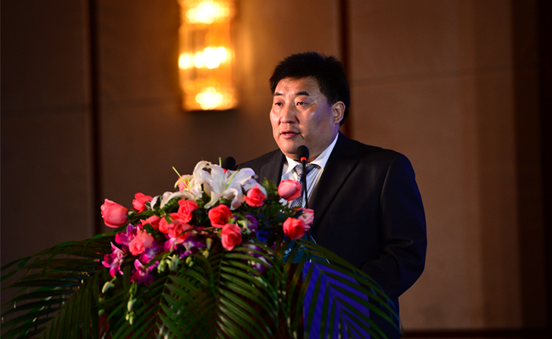
Shunxin Construction, as the forum’s sponsor, played a prominent role in advocating for these sustainable practices. Wang Yawei, the board chairman of Shunxin Construction, articulated his company’s unwavering commitment to the "innovative, coordinated, green, open and shared by all" development framework. He emphasized that for construction enterprises, this commitment translates into integrating advanced, environmentally friendly technologies and sustainable materials into building practices, enhancing energy efficiency, and contributing to resilient urban infrastructure. Furthermore, Wang highlighted the company’s intention to actively push forward supply-side reform, a national economic strategy aimed at improving the quality and efficiency of economic growth rather than merely increasing quantity. In the construction sector, this means optimizing resource allocation, reducing waste, and focusing on high-value, sustainable projects that meet the evolving demands of urban populations.
Complementing the discussion on development principles, Wei Wuqun, the General Manager of Shunxin Construction Investment and Fund, underscored the critical role of financing in realizing sustainable urban development and facilitating state-owned enterprise (SOE) reform. Large-scale urban projects, particularly those focused on green infrastructure, smart city technologies, and ecological restoration, require substantial and sustained capital investment. Wei’s remarks highlighted the growing importance of innovative financial instruments, such as green bonds, public-private partnerships (PPPs), and specialized urban development funds. These mechanisms are vital for mobilizing both public and private capital towards projects that deliver environmental and social benefits alongside economic returns. Moreover, he linked financial innovation to SOE reform, suggesting that modernizing the financial structures and governance of state-owned enterprises could unlock significant capital and improve efficiency in the delivery of urban services and infrastructure.
The Concept of Urban Restoration: Sanya as a Case Study
A key conceptual framework presented at the forum was "urban restoration," elucidated by Wang Zhongjie from the China Academy of Urban Planning and Design. Wang utilized the coastal city of Sanya in Hainan province as a compelling example to illustrate this concept. Urban restoration goes beyond mere physical renovation; it is a holistic approach aimed at rehabilitating the urban environment, revitalizing the city’s aesthetic appeal, and, crucially, reconnecting with its inherent cultural connotations and historical identity.
In the context of Sanya, a popular tourist destination, rapid development had, in some areas, led to environmental degradation, unchecked construction impacting coastal ecosystems, and a potential erosion of the city’s unique local culture and charm. Urban restoration in such a scenario would involve:
- Ecological Rehabilitation: Restoring degraded coastal zones, protecting coral reefs, improving water quality, and increasing urban green spaces to enhance biodiversity and resilience against climate change.
- Architectural and Cultural Preservation: Renovating historic buildings, designing new structures that respect local architectural styles, and integrating cultural elements into public spaces to reinforce the city’s identity. This might involve preserving traditional fishing villages or promoting local crafts and festivals.
- Sustainable Tourism Development: Shifting towards eco-tourism models, managing tourist flows to reduce environmental impact, and ensuring that tourism benefits local communities.
- Infrastructure Upgrade: Implementing smart urban infrastructure that is energy-efficient, water-saving, and capable of managing waste effectively, thereby improving the overall liveability and sustainability of the city.
The forum emphasized that Sanya’s experience, along with those of other pilot cities involved in urban restoration initiatives, offers invaluable lessons and best practices for cities grappling with similar challenges of balancing growth with preservation and sustainability. These pilot projects serve as living laboratories, allowing for the testing and refinement of strategies before broader implementation.
Focused Seminars and Broader Implications
The forum’s agenda was further enriched by two focused seminars, each delving into critical facets of sustainable urban development. The first seminar explored the intricate balance between urban development and environmental resources. Discussions here likely covered topics such as water scarcity and management, air quality improvement strategies, sustainable land use planning, and the integration of renewable energy into urban grids. Experts shared insights on how cities can decouple economic growth from resource depletion and environmental degradation, highlighting innovative technologies and policy instruments.
The second seminar concentrated on smart urban finance, expanding upon the general discussion of funding mechanisms. This session likely delved into the specifics of green finance products, digital financial platforms for urban services, data-driven investment decisions, and the role of financial technology (FinTech) in making urban development projects more transparent, efficient, and accountable. Representatives from pilot cities of urban restoration actively participated in both seminars, sharing their practical experiences, lessons learned, and the specific policy challenges they encountered in their respective jurisdictions. This exchange of real-world knowledge was invaluable for fostering a community of practice and identifying scalable solutions.
China’s Urbanization Campaign: A New Chapter
The forum’s discussions were set against the backdrop of China’s ongoing national urbanization campaign, which has entered a new phase following the 19th CPC Congress. The strategy now aims to address the persistent imbalance between overcrowded megacities and the underdeveloped second- and third-tier cities and townships. This involves a multi-pronged approach:
- Controlling Megacity Growth: Implementing policies to manage population density, alleviate congestion, and improve environmental quality in first-tier cities through smart planning and development of satellite cities.
- Boosting Second- and Third-Tier Cities: Investing in infrastructure, public services, and industries in smaller cities to make them more attractive and capable of absorbing population growth, thereby alleviating pressure on larger urban centers.
- Promoting City Clusters: Developing integrated metropolitan regions where cities are interconnected by efficient transportation networks and share resources and services, fostering coordinated regional development.
- Rural Revitalization: Complementing urban development with initiatives to improve living standards and economic opportunities in rural areas, reducing the impetus for rural-to-urban migration and preserving rural heritage.
The commitment to sustainable and green urban development articulated at the China Urban Development and Finance Forum represents a critical step in this broader national strategy. By prioritizing innovation, coordination, environmental protection, openness, and inclusivity, China aims to construct urban environments that are not only economically vibrant but also ecologically resilient and socially equitable, contributing significantly to the nation’s ambitious goal of building an "ecological civilization" for the 21st century and beyond. The forum underscored that achieving these goals requires sustained effort, significant financial investment, and a collaborative spirit among all stakeholders, setting a new benchmark for urban planning and development in one of the world’s most rapidly urbanizing nations.

 Sagoh
Sagoh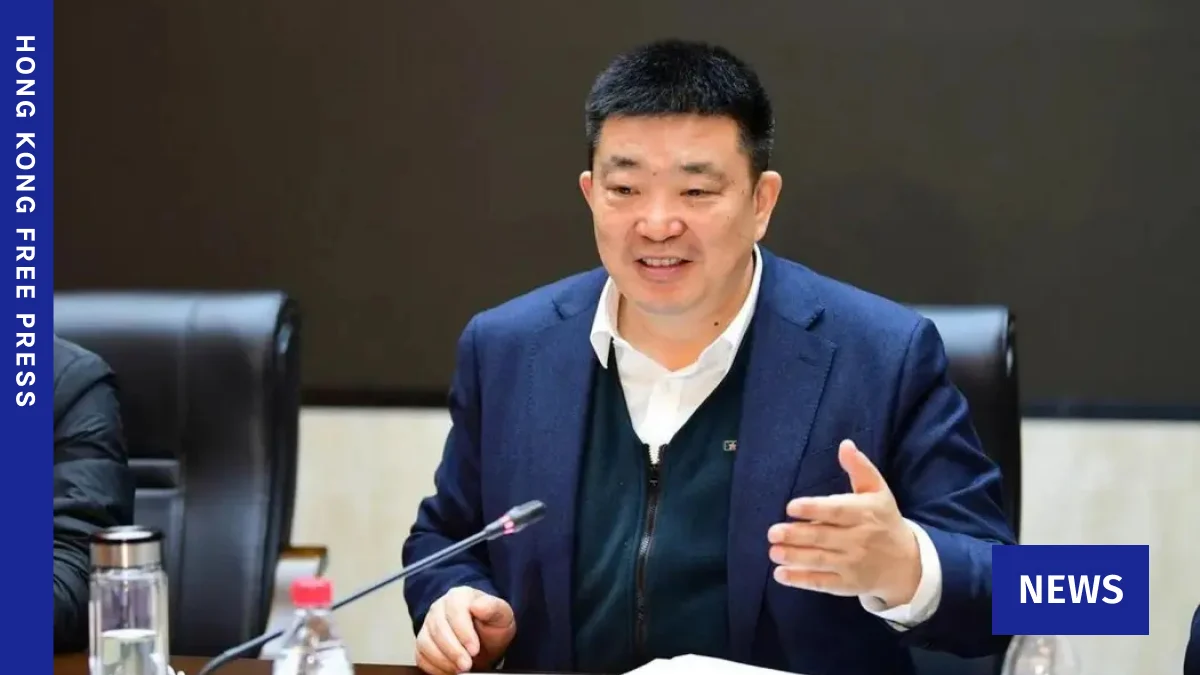
 Asro
Asro