Ammar Sabilarrohman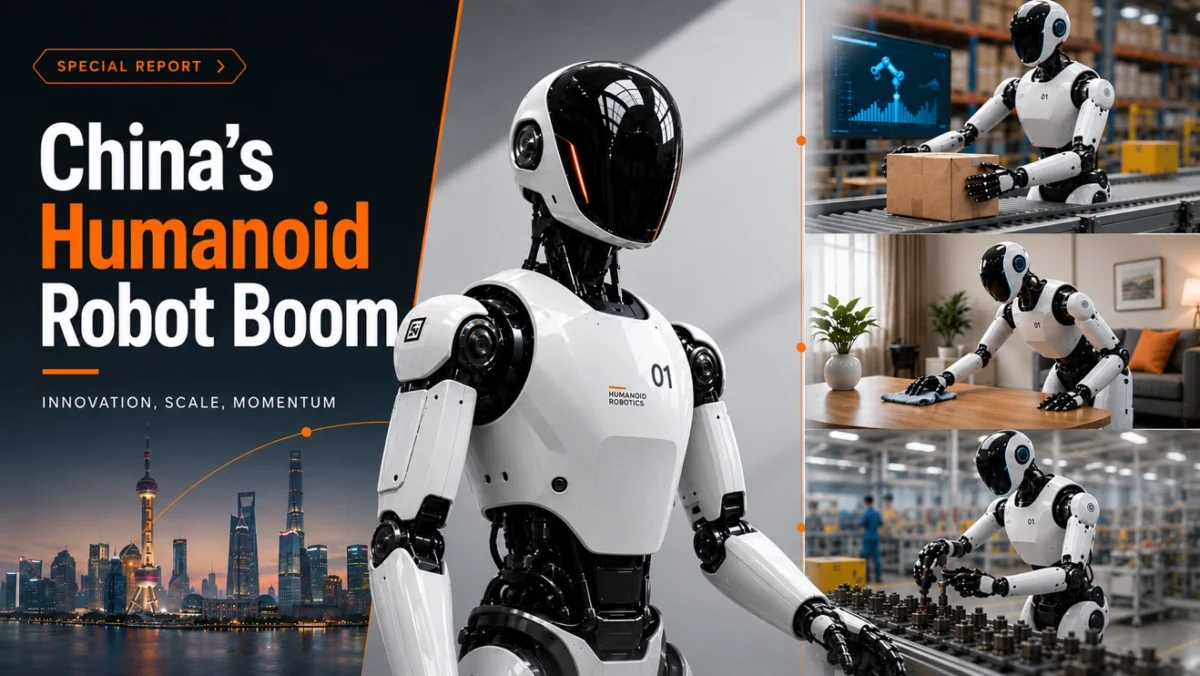
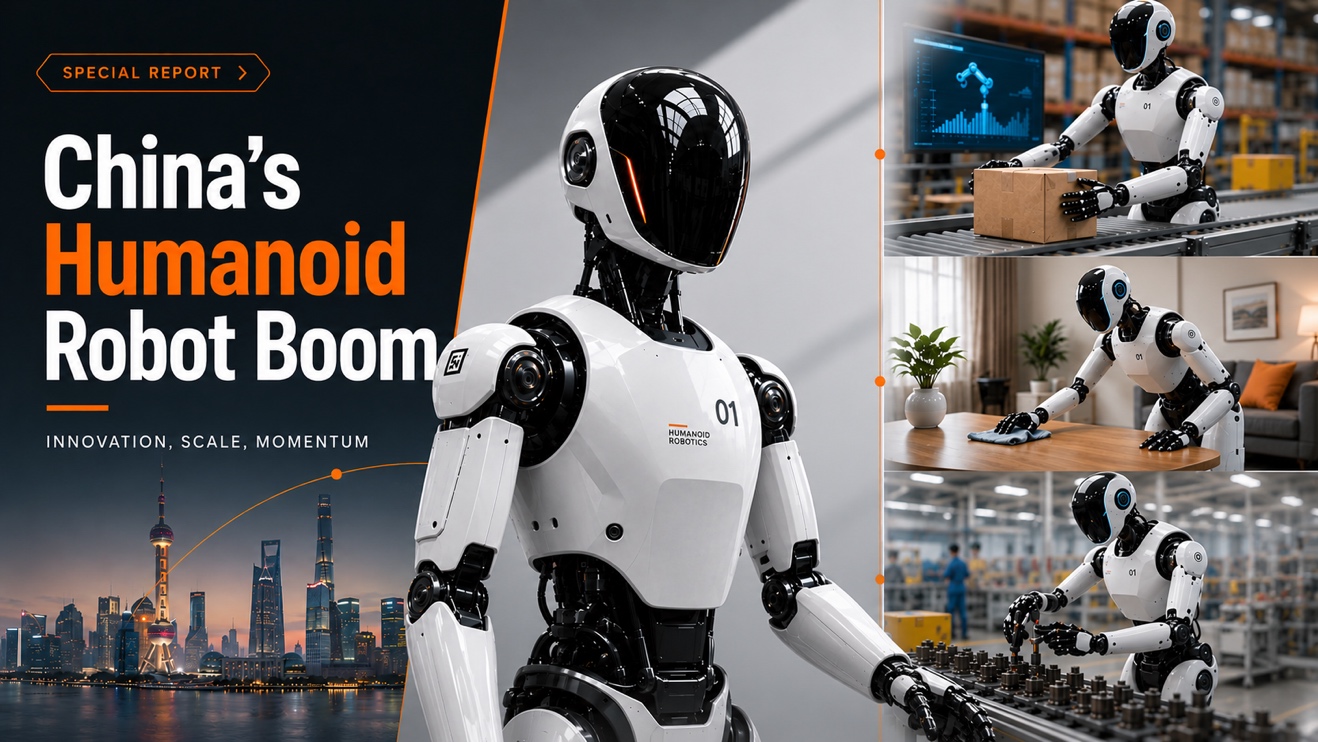
China is witnessing an unprecedented boom in humanoid robotics, a transformation that extends far beyond venture capital infusions and manufacturing lines to permeate an ever-widening array of commercial and public applications. This burgeoning ecosystem is characterized by rapid technological advancement, aggressive market penetration, and substantial government and private investment, positioning the nation at the forefront of the global robotics race. The trajectory of companies like Unitree, Zerith, RobotEra, Keenon, and Digital Huaxia illustrates a diverse and dynamic market, where specialized and general-purpose robots are quickly moving from laboratories to real-world deployment.
The Unitree Phenomenon: A Bellwether of Market Dynamics
Unitree, a company that quickly ascended to global prominence, has been a vivid illustration of both the immense potential and the inherent volatility of China’s burgeoning robotics market. Known for its agile quadruped and bipedal humanoid robots, Unitree captured international attention through high-profile demonstrations and early commercial sales. Its journey culminated in a highly anticipated listing on Shanghai’s STAR Market in August 2026. Shares opened at an astonishing RMB 1,100, representing a 629% surge above its offering price of RMB 150.80, briefly catapulting the company’s valuation to an astounding RMB 444.9 billion (approximately $65 billion). This meteoric debut underscored intense investor enthusiasm for the humanoid robotics sector.
However, the euphoria was short-lived, with the stock experiencing a significant correction, falling by more than half within two weeks. This sharp fluctuation, while a sobering reminder of market speculation, did not negate Unitree’s underlying operational strength. The company reported robust first-half revenues of RMB 1.15 billion, marking a substantial 48.5% year-over-year increase. More significantly, its cumulative production of bipedal humanoid robots reached approximately 18,000 units, indicating a strong capacity for mass manufacturing and market supply. Unitree’s founder, Wang Xingxing, has often emphasized the company’s commitment to making advanced robotics accessible, a vision that resonates with China’s broader industrial goals.
The global investment community has also taken notice of China’s expanding robotics landscape. Overseas investors are increasingly seeking exposure, as evidenced by KraneShares’ KOID humanoid-robotics ETF, which includes Unitree among other leading Chinese robotics firms. Similarly, Defiance’s launch of a U.S.-listed ETF specifically focused on China’s humanoid robotics ecosystem further solidifies international confidence in the sector’s long-term prospects. This influx of foreign capital not only provides crucial funding but also validates China’s strategic direction in developing advanced robotics.
Strategic Drivers of China’s Robotics Boom
The explosive growth of China’s humanoid robotics sector is not accidental; it is the culmination of deliberate national strategies, pressing demographic realities, and rapid technological advancements.
Central to this boom is robust government support. Initiatives like "Made in China 2025" have identified robotics and artificial intelligence as critical strategic industries, allocating significant funding for research and development, subsidizing manufacturing, and fostering an innovation-friendly environment. Provincial and municipal governments further bolster this with local incentives, tax breaks, and dedicated industrial parks for robotics companies. This top-down policy push provides a stable foundation and clear direction for the industry.
Demographic shifts also serve as a powerful catalyst. China faces an aging population and a shrinking workforce, leading to rising labor costs and shortages in key sectors like manufacturing and services. Automation, particularly through humanoid robots capable of performing complex and repetitive tasks, offers a viable solution to maintain productivity and economic growth in the face of these challenges. The economic imperative to automate is increasingly urgent.
Technological breakthroughs provide the necessary tools. Advances in artificial intelligence, particularly in areas like computer vision, natural language processing, and reinforcement learning, are making robots smarter and more adaptable. Improvements in sensor technology, motor control, battery efficiency, and lightweight materials enable the creation of more dexterous, energy-efficient, and physically capable robots. China’s deep pool of engineering talent and its rapid adoption of cutting-edge research further accelerate this technological progress.
Finally, China’s robust domestic supply chain is a critical enabler. The country’s extensive manufacturing infrastructure allows for rapid prototyping, cost-effective production of components, and efficient scaling of robot manufacturing, providing a competitive edge in bringing innovative robotics products to market quickly and affordably.

Transforming Industrial and Logistics Operations: The Rise of Specialized Manipulation
Beyond the high-profile humanoids, a significant part of China’s robotics boom is unfolding in specialized applications designed to tackle specific, complex tasks in industrial and logistics settings. These companies are demonstrating that practical value often lies in mastering a particular function rather than aiming for generalized intelligence from the outset.
Zerith’s Approach to Generalized Grasping:
Hefei-based Zerith exemplifies this specialized approach, focusing on one of the most fundamental yet challenging human actions: picking things up. Founded in 2025 by a cohort from Tsinghua University’s esteemed AI and robotics community, Zerith developed the wheeled H1 robot, priced competitively at RMB 199,000 ($29,000). The H1’s distinguishing feature is its generalized-grasping system, engineered to robustly handle a wide variety of objects in dynamic, changing environments – a significant leap from traditional industrial robots designed for highly structured, repetitive tasks.
The commercial rollout of Zerith robots began in the second quarter of 2026, with early deployments showcasing their versatility. By January 2026, Zerith robots were operational in demanding commercial settings, including Hefei Xinqiao International Airport, where they likely assisted with baggage handling or material distribution. By April, their utility expanded to retail, with deployments in Olé supermarkets in Shenzhen and Hefei, where they could manage inventory or assist with customer service. A notable milestone occurred in March 2026, with the opening of three pilot robot stores in Shanghai. These stores demonstrated the robots’ capability to handle sales and distribution, with the top-performing location recording weekly sales exceeding RMB 20,000 (about $3,000) during the bustling May Day holiday. This direct commercial success underscored the robots’ immediate value proposition in efficiency and customer service. The market’s confidence in Zerith was reflected in its rapid fundraising, securing over RMB 100 million in April 2026, by which point its commercial orders had also surpassed the RMB 100 million mark, demonstrating strong market demand.
RobotEra and Dexterous Hand Technology:
Beijing-based RobotEra is tackling the manipulation challenge from an even more intricate perspective: the human hand. Established in 2023 by Tsinghua assistant professor Chen Jianyu and Xi Yue, the company is at the forefront of developing five-finger dexterous hands, integrated into advanced humanoid robots. Its early commercial focus has been the demanding logistics sector, where precise and versatile manipulation is crucial.
RobotEra’s robots are already making a tangible impact, collaborating with logistics giants China Post and SF Express across more than 10 logistics centers. Here, they are deployed for tasks requiring fine motor skills, such as sorting packages of varying sizes and materials, handling delicate items, and optimizing warehouse operations – tasks traditionally reliant on human dexterity. The economic impact is substantial, with orders exceeding RMB 500 million, indicating a significant return on investment for its partners.

The investment community has responded with extraordinary enthusiasm. RobotEra secured RMB 1 billion (approximately $146 million) in March 2026, achieving a valuation above RMB 10 billion (about $1.46 billion). This was followed by another round of over $200 million led by SF Group, its logistics partner, and a further RMB 1 billion in July led by Chengtong Fund. These massive capital injections highlight the strategic importance of advanced manipulation capabilities in automating complex logistics challenges. Chen Jianyu, co-founder of RobotEra, has articulated the vision of creating robots that can seamlessly integrate into human workspaces, adapting to the inherent variability of real-world environments.
Both Zerith and RobotEra illustrate a critical pivot in the robotics industry: moving beyond static, pre-programmed tasks to dynamic, adaptable manipulation. Their success hinges on whether their robots can perform everyday work reliably and cost-effectively enough to ensure sustained customer adoption and expansion.
Integrating Robots into Human-Centric Services: Enhancing the Customer Experience
The robotics boom is also extending its reach beyond industrial warehouses into the service sector, where robots must navigate and interact seamlessly within human-centric environments. This presents a different set of challenges, demanding not just functional efficiency but also adaptability and a degree of social intelligence.
Keenon’s Broad Service Robotics Portfolio:
Shanghai-based Keenon, founded in 2010 by Li Tong, stands as a testament to the power of a "role-first" strategy in service robotics. Initially building its reputation on delivery robots, Keenon has strategically expanded its product portfolio to include cleaning and, more recently, humanoid systems. Its approach is pragmatic: specialized robots handle standardized, repetitive work, while more advanced humanoids are developed for tasks requiring greater interaction and flexibility.
A prime example of Keenon’s impact can be seen at a Shangri-La hotel in Shanghai, where a fleet of eight Keenon robots has been deployed. These robots perform a diverse range of duties including greeting guests, handling luggage, delivering amenities to rooms, executing cleaning tasks, and assisting with food service. The quantifiable benefits are impressive: the system reduced demand for repetitive human labor by approximately 30%, improved service response efficiency by roughly 40%, and cut guest waiting times by about 35%. This case study underscores how targeted automation can significantly enhance operational efficiency and customer satisfaction in the hospitality sector. Li Tong, Keenon’s founder, has often spoken about the need for robots to be reliable partners in service industries, augmenting human capabilities rather than simply replacing them.

Keenon’s global footprint is extensive, having shipped over 100,000 robots that are now deployed across more than 70 countries and regions, spanning over 600 cities. Its products are found in restaurants, hotels, healthcare facilities, retail outlets, and various other service settings. This scale demonstrates another crucial aspect of China’s robotics boom: a willingness to deploy narrower, specialized robot systems to prove measurable value in everyday service work, rather than waiting for the arrival of a single, general-purpose humanoid solution.
Digital Huaxia: Pushing the Boundaries of Human-Robot Interaction:
Shenzhen-based Digital Huaxia, founded in 2024, is exploring a different facet of the service market: humanoids designed for more natural and empathetic human interaction. Its approach goes beyond mere task execution, combining advanced facial expressions, sophisticated voice interaction, emotion recognition capabilities, and memory functions. The company’s strategic focus is initially on business and public-service settings, rather than the complex and unpredictable environment of private homes.
Digital Huaxia’s bionic humanoid robot, Xialan, is designed to engage users with a high degree of realism. These robots have been deployed or piloted in critical sectors such as finance, government services, education, and healthcare. Notably, they are operational in more than 20 branches of ICBC (Industrial and Commercial Bank of China), where they likely assist with customer inquiries, provide information, and guide visitors, thereby enhancing the customer experience and streamlining operations. The company secured orders at the RMB 100 million level in its first year, with AgiBot participating in its angel financing round, signaling strong investor confidence in its human-centric approach.
Both Keenon and Digital Huaxia highlight the shift towards human-facing services in China’s robotics boom. The challenge here is multifaceted: not only must robots perform useful tasks efficiently, but they must also seamlessly integrate into existing service workflows, deliver measurable value, and, in some cases, build a degree of rapport with human users.
The Broader Ecosystem and Future Trajectory
China’s humanoid robot boom is rapidly evolving into a remarkably diverse commercial ecosystem. This expansion is characterized by a confluence of escalating investment, increased production capacity, and widespread deployment across a multitude of application scenarios. What is emerging is not a singular, monolithic path to commercialization, but rather a dynamic and expanding market that encompasses both established industrial settings and nascent, human-centric service environments.

The investment landscape remains robust, with venture capital, government funds, and public market activities continuing to pour resources into the sector. This sustained financial backing fuels research, accelerates product development, and supports the scaling of manufacturing operations. The competitive intensity within China is driving rapid innovation, as companies vie for market share in various niches.
Looking ahead, several challenges and opportunities define the trajectory of China’s robotics future. Cost-effectiveness remains a crucial hurdle for mass adoption, particularly for highly advanced humanoids. Overcoming technical limitations in unstructured environments, enhancing robot dexterity, and ensuring fail-safe reliability are ongoing engineering pursuits. Ethical considerations, including data privacy, algorithmic bias, and the societal impact on employment, are increasingly prominent discussions that will shape public policy and acceptance.
However, the vision for the future is clear: a hybrid landscape where highly specialized robots continue to excel in specific, repetitive tasks, coexisting and collaborating with increasingly capable general-purpose humanoids. These advanced humanoids, equipped with sophisticated AI and versatile manipulation skills, are poised to take on more complex, adaptive roles, bridging the gap between automation and human interaction.
In conclusion, China’s humanoid robot revolution is a testament to its pragmatic yet ambitious drive to lead the global technological frontier. By simultaneously nurturing specialized applications and pushing the boundaries of general-purpose humanoid capabilities, China is forging a unique and powerful trajectory, rapidly transforming its industries and services, and cementing its position as a global powerhouse in the era of intelligent automation. The ongoing expansion, innovation, and strategic deployment underscore a commitment to leveraging robotics as a cornerstone of its future economic and social development.


 Jia Lissa
 Nana
Nana