Nila Kartika Wati
Canberra and Hanoi have formally announced an expanded military cooperation, signaling a deepening strategic alignment between the two middle powers as they jointly navigate the complexities of Beijing’s assertive posture in the Indo-Pacific, particularly concerning the South China Sea and broader regional security. The agreement, forged during a high-level meeting in Canberra on Tuesday, underscores a mutual commitment to maritime security and joint training exercises, reflecting a growing imperative for like-minded nations to foster stability in an increasingly volatile geopolitical landscape.
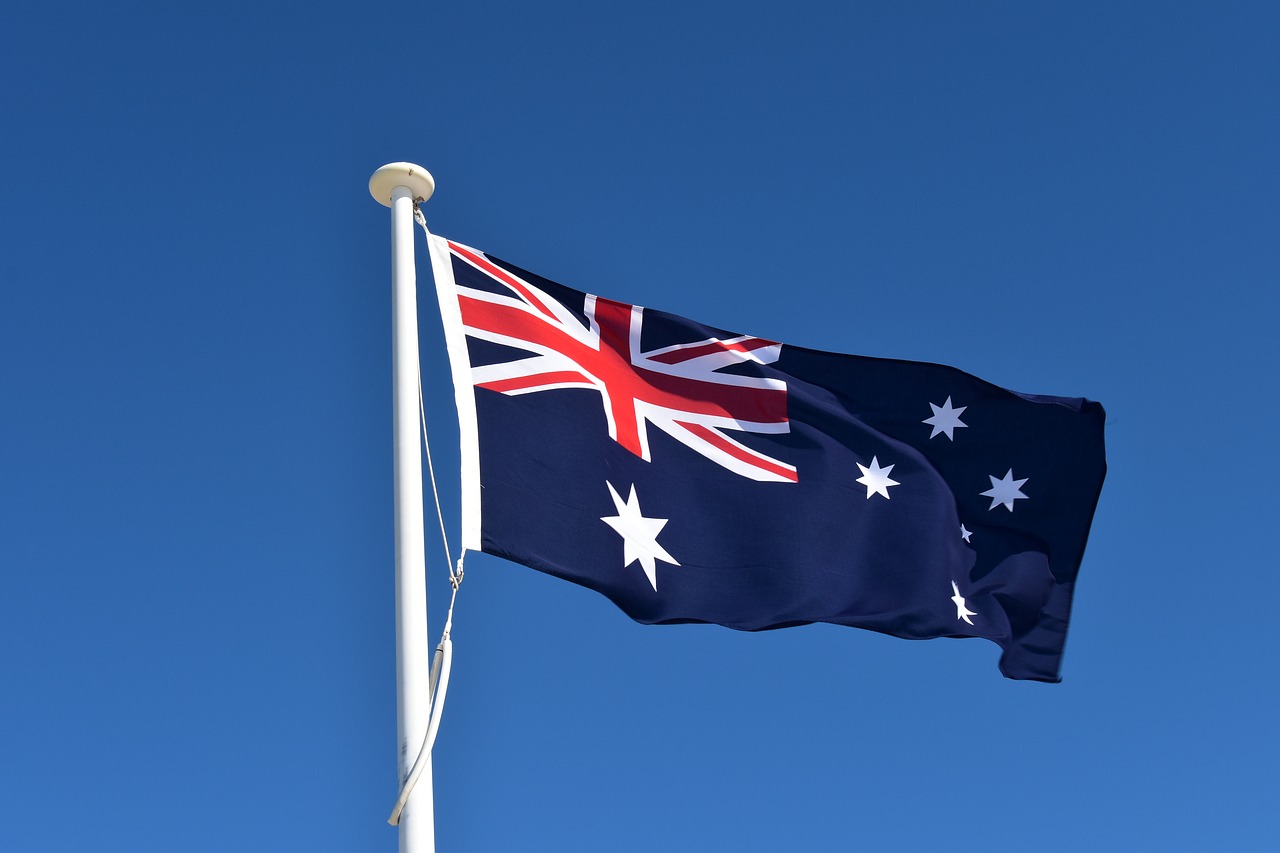
The pivotal discussions took place between Australian Prime Minister Anthony Albanese and Vietnamese leader To Lam, where both leaders emphasized the critical need for enhanced collaboration across various sectors, including defense. This strategic convergence comes at a time when China’s expanding military reach and territorial claims in the South China Sea continue to be a significant point of contention for numerous littoral states and international actors. For Australia, this partnership is a component of its broader strategy to reinforce regional security and maintain a rules-based international order, while for Vietnam, it represents a crucial element in its diversified defense diplomacy aimed at safeguarding its sovereignty and national interests.
Deepening Strategic Ties Amidst an Uncertain World

The commitment to bolster defense ties was highlighted by Prime Prime Minister Albanese in his opening remarks, where he stated, "Our defence industries, as well as our defence forces, are cooperating more and more." He elaborated on the rationale behind this intensified engagement, asserting that "Today’s uncertain world means that it is more important than ever that friends engage with each other on all levels – economic, social, environmental – to meet the challenges that are before us." This statement encapsulates Australia’s proactive approach to building a network of resilient partnerships across Southeast Asia and the wider Indo-Pacific, leveraging both hard power capabilities and comprehensive diplomatic engagement.
The visit by the Vietnamese leader to Australia underscores the growing importance of their bilateral relationship, which has steadily evolved from post-war reconciliation to a comprehensive strategic partnership. Both nations share concerns regarding the stability of critical sea lanes and the adherence to international law, particularly the United Nations Convention on the Law of the Sea (UNCLOS), which China has been accused of disregarding through its expansive claims and activities in the South China Sea. This shared perspective forms the bedrock of their increasingly robust defense and security collaboration.
The South China Sea: A Flashpoint for Regional Security
The South China Sea remains a critical flashpoint in the Indo-Pacific, with its vast maritime area holding immense strategic and economic significance. An estimated one-third of global maritime trade, valued at over US$3 trillion annually, transits through its waters. The sea is also believed to be rich in untapped oil and natural gas reserves, in addition to being a vital fishing ground. Beijing claims nearly the entirety of the South China Sea under its "nine-dash line" assertion, a claim that was comprehensively rejected by an international arbitration tribunal in The Hague in 2016. The tribunal ruled that China’s claims had no legal basis under UNCLOS, a verdict Beijing has consistently refused to acknowledge or abide by.
Vietnam is among several nations, including the Philippines, Malaysia, Brunei, and Taiwan, that have competing claims to islands, reefs, and maritime zones within the South China Sea. Over recent years, China has aggressively pursued a strategy of island-building and militarization of artificial islands in disputed areas, deploying military facilities, runways, and radar systems. This has been accompanied by increased patrols by its coast guard and maritime militia, often leading to confrontations with vessels from other claimant states, including Vietnam. These actions have escalated tensions and raised serious concerns about freedom of navigation and overflight, as well as the potential for miscalculation and conflict.
Australia’s Evolving Defense Posture and Regional Engagement
Australia, a steadfast advocate for a rules-based international order, has been particularly vocal in its opposition to actions that undermine peace and stability in the Indo-Pacific. Canberra has consistently called for all parties to respect international law, including UNCLOS, and to resolve disputes peacefully. In response to the evolving security environment, Australia is currently overseeing a "once-in-a-generation expansion of its defence forces." This significant investment includes the acquisition of nuclear-powered submarines through the AUKUS security pact with the United States and the United Kingdom, alongside enhanced long-range strike capabilities and advanced defense technologies.
Furthermore, Australia is strengthening its alliances and partnerships across the region. The growing US military footprint on Australian territory, including regular rotations of US Marines in Darwin and increased air force cooperation, forms a key component of its deterrence strategy. By deepening cooperation with partners like Vietnam, Australia aims to build a resilient network of states committed to upholding shared values and ensuring regional stability, without directly confronting China but rather creating a balance of power. Australian Defence Minister Richard Marles underscored this objective, stating that the deepening cooperation with Vietnam would "directly contribute to the stability and security of our region."

Vietnam’s Strategic Balancing Act: "Bamboo Diplomacy"
Vietnam’s foreign policy is often characterized by "bamboo diplomacy," a nuanced approach that seeks to maintain good relations with various global powers while steadfastly protecting its national sovereignty and strategic autonomy. Historically, Vietnam has had complex and sometimes adversarial relations with China, including a brief border war in 1979. This historical context, coupled with ongoing maritime disputes, drives Vietnam’s imperative to diversify its security partnerships and avoid over-reliance on any single nation.
While Vietnam maintains its "Four No’s" defense policy (no military alliances, no foreign military bases, no threatening other countries, and no using force in international relations), it actively engages in defense cooperation that enhances its capabilities and promotes regional peace. Partnerships with countries like Australia, India, Japan, and the United States provide Vietnam with opportunities for joint training, capacity building, and access to defense technologies, thereby strengthening its ability to defend its maritime interests and respond to various security challenges. This approach allows Vietnam to maintain its independent foreign policy while strategically bolstering its defensive posture.
Details of Expanded Cooperation: Maritime Security and Joint Training

The expanded military cooperation between Australia and Vietnam is expected to manifest in several key areas. Maritime security is a primary focus, given both nations’ extensive coastlines and reliance on secure sea lanes. This could involve enhanced information sharing, joint patrols to combat illegal fishing, piracy, and transnational crime, as well as cooperation in search and rescue operations. Both countries possess growing naval capabilities and have a shared interest in maintaining open and secure maritime commons.
Joint training exercises are also slated to increase, providing valuable opportunities for interoperability and knowledge exchange between the Australian Defence Force (ADF) and the Vietnam People’s Army (VPA). Such exercises typically cover a range of scenarios, from humanitarian assistance and disaster relief (HADR) to more complex naval maneuvers. These engagements not only build practical skills but also foster trust and understanding between military personnel, laying the groundwork for more coordinated responses to regional crises. Furthermore, the mention of cooperation between "defence industries" suggests potential avenues for technology transfer, joint research and development, or procurement of defense equipment, which could further integrate their defense ecosystems.
Broader Bilateral Engagements and Economic Resilience
Beyond defense, the bilateral talks in Canberra also yielded a slate of broader deals, reinforcing the multifaceted nature of the Australia-Vietnam relationship. A significant commitment was made to deepen "economic resilience," a term that encompasses efforts to diversify supply chains, enhance trade flows, and strengthen economic stability in the face of global shocks. Australia is a key trading partner and investor in Vietnam, with two-way trade continuing to grow. This economic partnership is crucial for both nations’ prosperity and provides a stable foundation for their strategic cooperation.

A noteworthy, albeit lighter, announcement was the commitment to restart market access for Australian game meat, including kangaroo, to Vietnam. This signals a return to normalcy for specific trade channels and highlights the comprehensive scope of their bilateral discussions, extending to practical economic benefits. Such trade agreements, while seemingly minor in the grand strategic scheme, contribute to the overall strength and depth of the relationship, demonstrating mutual trust and commitment across various sectors.
Implications and Future Outlook
The strengthened military cooperation between Australia and Vietnam carries significant implications for regional stability. It signals a clear message that middle powers in the Indo-Pacific are proactively taking steps to safeguard their interests and promote a rules-based order. This partnership contributes to a broader trend of enhanced security cooperation among non-traditional allies, forming a network that can collectively address challenges posed by an increasingly competitive geopolitical environment.
For Australia, this collaboration further solidifies its "step-up" engagement in Southeast Asia, recognizing the region’s vital importance to its own security and prosperity. It aligns with Australia’s efforts to build a more secure and prosperous Indo-Pacific through a combination of diplomatic, economic, and defense initiatives. For Vietnam, the partnership provides an important avenue to enhance its defense capabilities and diplomatic leverage, allowing it to navigate its complex relationship with China from a position of greater strength and diversified support.

While the immediate impact is likely to be a gradual increase in joint activities and exchanges, the long-term vision is one of a more integrated and resilient regional security architecture. This includes the potential for greater interoperability, shared intelligence, and coordinated responses to maritime challenges. China’s reaction is likely to be observed closely, though official statements might remain measured. Beijing typically views such bilateral defense enhancements as attempts to encircle it, but the nature of this cooperation is framed within the context of upholding international law and regional stability, principles that are universally recognized.
In conclusion, the expanded defense cooperation between Australia and Vietnam is a strategic move that reflects the evolving geopolitical realities of the Indo-Pacific. It underscores a shared commitment to maritime security, regional stability, and the principles of international law, serving as a critical pillar in the ongoing efforts to maintain peace and prosperity in a region characterized by both immense opportunity and significant strategic challenges.

 Nana Wu
 Iffa Jayyana