Pevita Pearce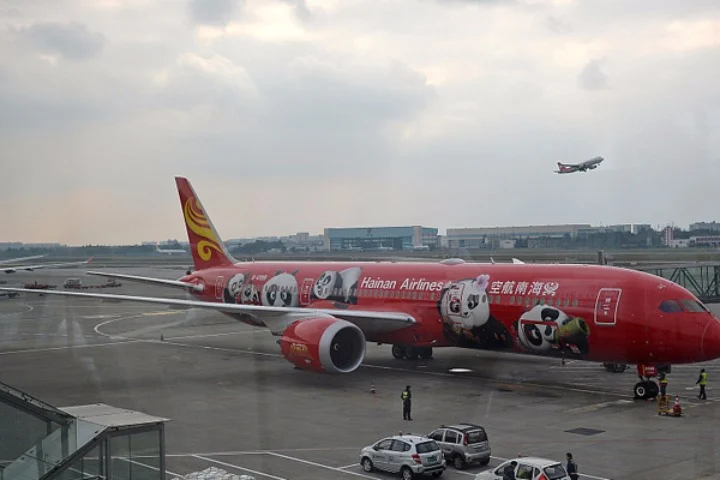
Hainan Airlines, China’s largest private air carrier, is actively pursuing an aggressive expansion strategy within the highly competitive China-United States aviation market. The airline has declared its keen interest in launching additional direct flight services between the two nations, driven by a surge in Chinese outbound tourism and business travel, which continues to invigorate the trans-Pacific market. A cornerstone of this strategy involves securing crucial flying rights to establish direct connections between Shanghai, a pivotal global financial hub, and major American cities, particularly those already served by direct flights from Beijing.
This strategic push is underpinned by a broader vision to deepen its presence across North America. The carrier has outlined plans for enhanced cooperation with American airlines, signaling an upcoming expansion of its code-sharing programs with Alaska Airlines and JetBlue Airways in the coming year. These partnerships are designed to significantly bolster Hainan Airlines’ network coverage within the United States, particularly reinforcing its connectivity on the economically vital East and West Coasts, and facilitating seamless onward travel for its passengers.
Strategic Pursuit of Shanghai-US Routes and Market Penetration
The quest for direct flight entitlements from Shanghai represents a critical juncture for Hainan Airlines. Pubin Liang, the regional managing director for Hainan Airlines in the United States, articulated the airline’s determined efforts to acquire these rights, emphasizing their importance in further increasing market share. The focus is specifically on major US cities that currently enjoy direct air links with Beijing, indicating an intent to offer competitive alternatives from China’s other principal international gateway. This move suggests a desire to position Hainan Airlines as a dominant player across both primary and secondary Chinese international hubs.
Liang highlighted the airline’s successful pioneering approach of establishing direct routes between second-tier Chinese cities and major US urban centers. This strategy has been a direct response to the burgeoning demand emanating from China’s rapidly developing provincial capitals and economic zones. "North America remains one of our most important markets," Liang stated, underscoring the continuous exploration of potential opportunities within this dynamic landscape. This approach diverges from the traditional model of concentrating international flights solely on Beijing and Shanghai, recognizing the growing affluence and travel aspirations across a wider demographic in China.
The airline’s recent successes exemplify this strategy. On October 20, 2017, Hainan Airlines inaugurated direct flights connecting Chongqing with New York, followed by a similar service between Chengdu and New York on October 26, 2017. These routes marked a significant milestone, becoming the first direct air links from Western China to New York City. Complementing these new services, Hainan Airlines already operates direct flights between these two western Chinese metropolises and Los Angeles, further solidifying its presence in key US gateways. Liang underscored the "significant breakthrough" represented by the successful launch of the Chongqing-New York and Chengdu-New York services, indicating an ambition to introduce more direct flights from various Chinese cities to New York in the foreseeable future.
A Decade of Trans-Pacific Expansion and Milestones
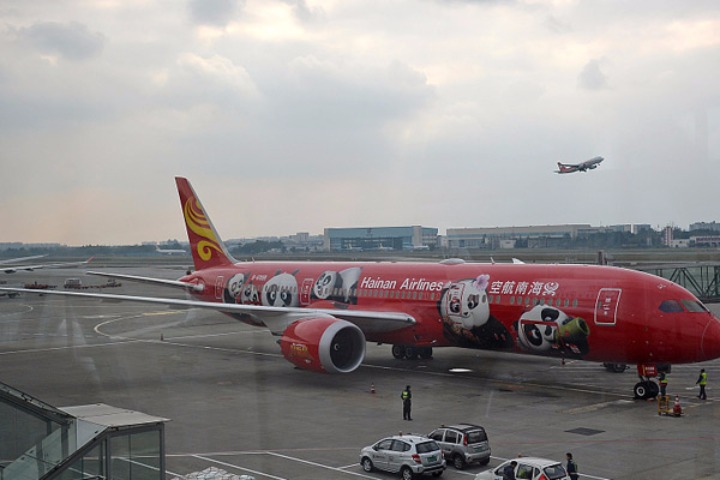
Hainan Airlines’ journey into the trans-Pacific market commenced with its inaugural China-US direct flights between Beijing and Seattle in June 2008. This foundational route paved the way for a decade of consistent expansion, transforming the airline into a leading operator in this crucial corridor. As of the reported period, Hainan Airlines has emerged as the Chinese carrier operating the most direct flights—a total of 12 routes—between the two countries.
This extensive network includes vital connections such as Beijing to Chicago, Beijing to San Jose (California), Beijing to Las Vegas, and Shanghai to Boston. The timeline of its American routes illustrates a methodical and sustained growth trajectory:
- June 2008: Hainan Airlines launches its first China-US direct flights, connecting Beijing and Seattle. This marked the airline’s initial foray into the lucrative trans-Pacific market, establishing a crucial gateway on the US West Coast.
- September 2013: The airline initiates direct flights between Beijing and Chicago. This route was particularly notable as it represented the first direct service between China and Chicago operated by a Chinese airline, signaling an expansion into the American Midwest.
- June 2014: Hainan Airlines launches nonstop flights between Beijing and Boston, further strengthening its presence on the US East Coast and catering to growing demand for academic and business travel.
- June 2015: A period of significant expansion, with the launch of direct flights between Shanghai and Seattle, as well as Beijing and San Jose, California. Concurrently, the airline established direct flights connecting Shanghai and Boston, effectively creating dual-hub connectivity for key US destinations.
- December 2016: Hainan Airlines introduces direct flights between Beijing and Las Vegas, establishing the first direct air link between Las Vegas and the Chinese mainland, tapping into the burgeoning tourism and entertainment market.
- January 2017: The airline expands its footprint into Central China, launching direct flights between Changsha, the capital of Hunan province, and Los Angeles. This move further demonstrated its strategy of connecting second-tier Chinese cities directly to major US hubs.
- October 2017: A landmark month with the launch of direct flights between Chongqing and New York, and Chengdu (capital of Sichuan province) and New York. These services became the first direct flights to connect New York with these two significant western Chinese cities, opening up new travel corridors.
This chronological expansion underscores Hainan Airlines’ long-term commitment and strategic investment in the China-US market, evolving from an initial single route to a comprehensive network spanning both coasts and the interior of the United States.
Robust Financial Performance and Operational Dynamics
The airline’s commitment to the China-US market has translated into strong financial performance. Between January and September of the reporting year, Hainan Airlines generated sales revenue of 2.59 billion yuan (approximately $390 million) from its China-US flights. This figure represents a robust 19 percent increase year-on-year, indicative of significant growth in passenger volumes and revenue streams. Furthermore, the average passenger load ratio for these flights consistently exceeded 80 percent, a healthy indicator of efficient capacity utilization and strong demand. Such high load factors are crucial for profitability in the airline industry, particularly on long-haul international routes where operational costs are substantial.
However, the trans-Pacific market is not without its challenges, particularly regarding seasonal fluctuations. Hainan Airlines experiences outstanding sales performance during peak travel seasons, notably from June to October and during the December-January holiday period. These periods align with summer vacations, major holidays in both China and the US, and significant cultural events, driving high demand for international travel. Conversely, during off-peak seasons, the airline faces operational pressures. To mitigate these challenges and maintain healthy load factors, Hainan Airlines strategically adjusts its business model, frequently offering promotions such as package deals that bundle flights with tourism destination resort tickets and hotel accommodations. These initiatives aim to stimulate demand during leaner periods and ensure consistent revenue generation throughout the year.
Evolving Partnerships and Competitive Landscape Challenges
The aviation industry is characterized by complex partnerships and intense competition. Hainan Airlines previously collaborated with American Airlines on code-sharing agreements and connecting flights. However, this cooperation experienced a significant weakening following Hainan Airlines’ launch of direct flights between Beijing and Chicago, a route also operated by American Airlines. This direct competition on a key route inevitably led to a reduction in the need for partnership on that specific corridor.
Liang openly acknowledged the "significant negative impact" of this development, particularly on Hainan Airlines’ ambitions for network expansion in the American Midwest. "Now, we face significant challenges in growing our business in this area with Chicago as the hub," he remarked. This highlights the delicate balance airlines must strike between fostering alliances and pursuing independent growth, especially when direct competition arises on core routes. The shift underscores the fluid nature of airline partnerships, often influenced by route overlaps and strategic priorities.
Industry analysts echo these sentiments regarding the competitive environment. Lin Zhijie, an aviation industry analyst and columnist at Carnoc, a prominent civil aviation website in China, observed that routes between major Chinese cities and the United States are becoming "quite saturated." This saturation is driving airlines to increasingly focus on launching direct flights between second-tier Chinese cities and the United States, despite the inherent operational cost pressures associated with establishing and maintaining new long-haul routes from less established international gateways. Zhijie noted, "There is still demand for more China-US routes, but the possible fluctuation of Sino-US relations should also be taken into consideration." This highlights the geopolitical dimension that can influence route viability and long-term planning in such a significant bilateral market.
Broader Implications and Future Outlook
The aggressive expansion of Hainan Airlines and other Chinese carriers into the US market carries several profound implications. For travelers, it translates into increased choices, greater convenience with more direct routes, and potentially more competitive pricing due to heightened competition. The proliferation of direct flights from second-tier cities like Chongqing and Chengdu dramatically reduces travel time and complexity for residents in these regions, eliminating the need for connecting flights through Beijing or Shanghai. This enhanced accessibility can significantly boost tourism and business exchanges between specific US cities and a wider array of Chinese provinces.
Economically, the establishment of new direct routes fosters stronger bilateral ties. Increased air traffic facilitates trade, investment, and cultural exchange. For the Chinese cities involved, direct international flights elevate their global profile, attracting foreign investment and tourism. For US cities, the direct influx of Chinese travelers, renowned for their spending power, provides a significant economic boon to local economies, particularly in the tourism, hospitality, and retail sectors.
From an industry perspective, Hainan Airlines’ strategy intensifies competition not only among Chinese carriers but also with established US airlines. This competitive pressure can spur innovation, leading to better services, more modern fleets, and potentially more attractive loyalty programs for passengers. However, it also raises concerns about potential overcapacity on certain routes, which could put downward pressure on yields and profitability, especially during off-peak seasons. The "flying rights" issue, therefore, becomes a critical regulatory hurdle, influencing the pace and direction of future expansion. Governments play a crucial role in managing bilateral air service agreements to ensure fair competition and sustainable growth.
The strategic pursuit of Shanghai routes is particularly significant. Shanghai Pudong International Airport (PVG) is a major global aviation hub, and securing direct access from this critical departure point would undoubtedly elevate Hainan Airlines’ standing as a global carrier, enabling it to compete more directly with state-owned giants and international players alike. The anticipated code-sharing agreements with Alaska Airlines and JetBlue Airways are also pivotal. These partnerships provide Hainan Airlines with vital feeder traffic and extensive domestic connectivity within the US, allowing its passengers to reach numerous destinations beyond the primary gateways, thereby enhancing the overall value proposition of its trans-Pacific services.
Looking ahead, the China-US aviation market remains one of the most dynamic and strategically important global corridors. While challenges such as route saturation, operational costs, and potential geopolitical shifts persist, the underlying demand driven by China’s growing economy and expanding middle class ensures continued interest and investment from airlines. Hainan Airlines’ proactive strategy, focusing on both primary and secondary city connections and leveraging strategic partnerships, positions it as a formidable force poised for sustained growth and influence in this vital trans-Pacific market. The airline’s journey from its first Beijing-Seattle flight in 2008 to becoming the leading Chinese carrier in US routes underscores a strategic vision and operational prowess that continues to shape the future of international air travel between the two largest economies in the world.


 Evan Lee Salim
 Suro Senen