Nana Muazin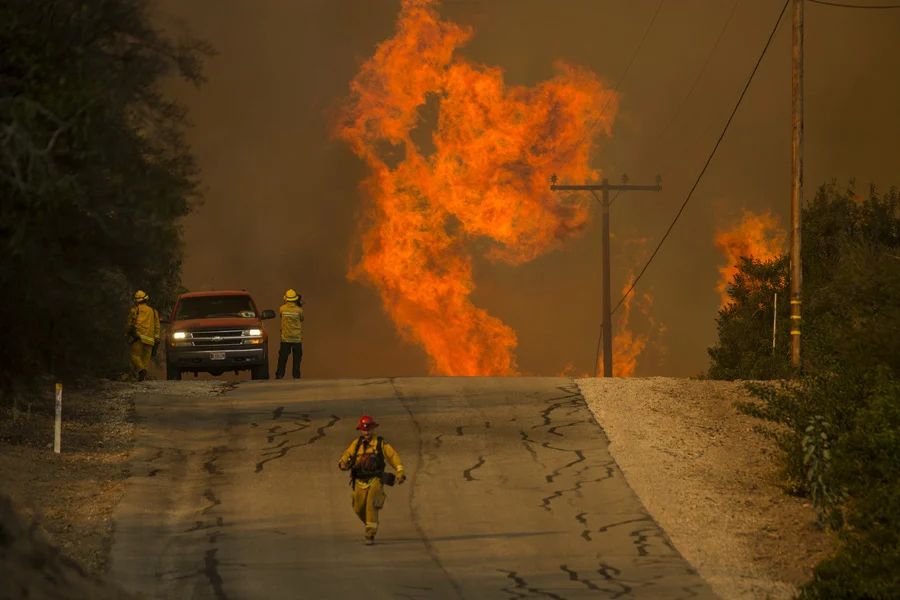
LOS ANGELES – California Governor Jerry Brown declared that the state must brace for a persistent threat of wildfires, characterizing the escalating incidents as a "new normal" driven by the extreme shifts in weather patterns attributed to climate change. The stark pronouncement came during a press conference following the Governor’s visit to communities devastated by a series of massive wildfires that have ravaged Southern California.
Escalating Wildfire Crisis Grips Southern California
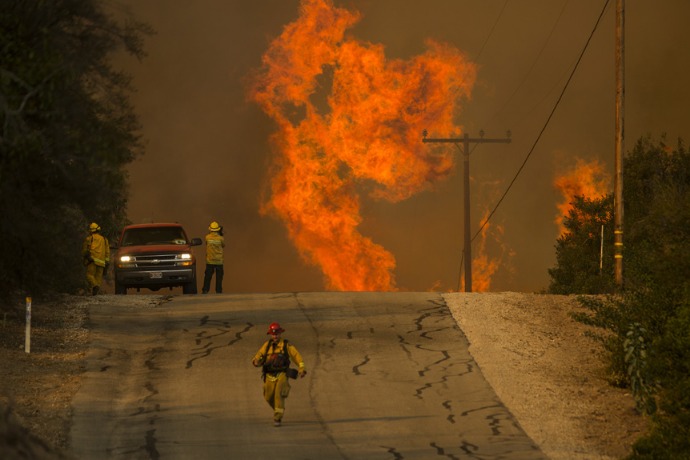
In the preceding week, six major wildfires had erupted across a vast swathe of Southern California, stretching from Santa Barbara County in the north to San Diego County in the south. These infernos collectively consumed an estimated 708.2 square kilometers (approximately 273.4 square miles) of land and reduced 793 structures to ashes. The economic toll is immense, with preliminary estimates of property damage reaching into the hundreds of millions of dollars, and the emotional and psychological impact on displaced residents immeasurable.
The immediate catalyst for the rapid spread and ferocity of these fires was the onset of unusually strong and sustained Santa Ana winds. These powerful, dry downslope winds, which originate inland and sweep towards the coast, are a notorious feature of Southern California’s autumn and winter seasons, often referred to as "devil winds" for their role in fanning regional wildfires. This year, the winds arrived with exceptional force and persistence, igniting tinder-dry vegetation that had been further stressed by a prolonged period of drought.

A Timeline of Devastation
The wildfire crisis began to escalate dramatically on Monday, November 4, 2017, when strong Santa Ana winds suddenly swept through the region. This marked the beginning of a rapid succession of ignitions:
- Early November 2017: The first major fires ignited, notably the Thomas Fire in Ventura County, which would go on to become one of the largest wildfires in California history.
- Mid-November 2017: As the Santa Ana winds persisted, several other significant fires broke out across multiple counties, including the Rye Fire in Los Angeles County, the Creek Fire in Los Angeles County, and the Lilac Fire in San Diego County.
- November 9, 2017: Governor Jerry Brown declared a state of emergency for Ventura and Los Angeles counties, mobilizing state resources to combat the growing infernos and provide aid to affected residents.
- Early December 2017: By the time of Governor Brown’s press conference on December 10, 2017, the fires had caused widespread destruction, forcing tens of thousands of residents to evacuate their homes and leading to significant loss of property and infrastructure. The sheer scale and intensity of the blazes prompted discussions about long-term preparedness and the underlying causes.
Governor Brown’s Stark Assessment and Call to Action
During his press conference, Governor Brown articulated a somber view of the state’s future fire risk. "We’re facing a new reality in this state," he stated, directly linking the increasing frequency and intensity of wildfires to the broader impacts of climate change. He emphasized that the weather has become increasingly extreme, necessitating a fundamental shift in how California prepares for and responds to these natural disasters.

"Climate change has pushed weather to the most extreme," Governor Brown asserted, highlighting the undeniable link between global warming and the escalating fire threat. He outlined a vision for a proactive approach, stressing the need for significant investment in wildfire mitigation strategies.
"We have to have the resources to combat the fires and we have to also invest in managing vegetation and forests, and all the ways we dwell in this very wonderful place, but a place that’s getting hotter," he explained. This includes enhanced forest management practices, such as prescribed burns and fuel reduction, as well as improvements to firefighting infrastructure and personnel.

Governor Brown also indicated plans to develop a comprehensive strategy to address the long-term implications of climate change. He committed to spending the subsequent months formulating a "big plan" aimed at mitigating the escalating effects of a warming planet on California. This plan is expected to encompass a multi-faceted approach, addressing not only immediate fire response but also the underlying environmental factors contributing to the crisis.
The Broader Context: Climate Change and California’s Vulnerability
California has long been susceptible to wildfires due to its Mediterranean climate, characterized by hot, dry summers and mild, wet winters. However, scientific consensus points to climate change as a significant exacerbating factor. Rising global temperatures contribute to drier vegetation, longer fire seasons, and more extreme weather events, such as the intense Santa Ana winds that fueled the recent blazes.

The state has experienced prolonged periods of severe drought in recent decades, further drying out forests and chaparral, creating vast expanses of highly flammable fuel. This environmental vulnerability, combined with increasing human development in fire-prone areas, creates a potent recipe for catastrophic wildfires.
The "new normal" described by Governor Brown is not an isolated phenomenon. Similar trends of increasingly severe and frequent wildfires are being observed in other parts of the Western United States and globally, underscoring the widespread impact of climate change.

Supporting Data and Statistics
- Area Burned: The 2017 Southern California wildfire season, as exemplified by the December blazes, saw millions of acres burned across the state in recent years. For instance, the Thomas Fire alone eventually consumed over 281,000 acres (approximately 1,137 square kilometers).
- Structures Destroyed: The destruction of 793 structures in the December 2017 fires represents a significant loss of homes, businesses, and community infrastructure. This figure is indicative of the growing threat to populated areas.
- Evacuations: Tens of thousands of residents were forced to evacuate their homes, underscoring the immediate danger posed by the fires and the disruption to daily life.
- Economic Impact: The cost of fighting these fires, coupled with the immense property damage and business interruption, represents a substantial economic burden on the state and its residents. Insured losses from major California wildfires have frequently reached into the billions of dollars in subsequent years.
- Drought Conditions: Prior to the December 2017 fires, California had been experiencing extended periods of drought, contributing to critically dry vegetation. For example, by late 2016, nearly 90% of the state was still experiencing some level of drought, according to the U.S. Drought Monitor.
Implications and Future Outlook
Governor Brown’s declaration of a "new normal" has significant implications for California’s future. It signals a need for:
- Enhanced Preparedness and Response: Increased investment in firefighting resources, including advanced technology, aerial firefighting capabilities, and well-trained personnel.
- Proactive Land Management: A greater emphasis on forest health, vegetation management, and creating defensible spaces around communities.
- Climate Change Adaptation: Developing long-term strategies to adapt to the inevitable impacts of climate change, including building resilience in infrastructure and communities.
- Policy Shifts: A potential re-evaluation of land-use policies in fire-prone areas and stronger regulations related to building codes in the Wildland-Urban Interface (WUI).
Governor Brown’s critique of Washington’s response to climate change also highlights a broader political challenge. He urged for greater action, stating, "It’s a time to do more, not less." This sentiment underscores the urgency of addressing climate change at both state and federal levels.

The fires serve as a stark reminder that natural disasters, whether fires, floods, or earthquakes, do not abate and require continuous vigilance and adaptation. California, with its unique geography and climate vulnerabilities, finds itself at the forefront of confronting the realities of a changing planet, and the message from its leader is clear: preparedness and adaptation are no longer optional, but essential for survival and prosperity. The path forward will require sustained commitment, significant investment, and a collective effort to build a more resilient future.


 Nana Wu
 Suro Senen