Reynand Wu
A former high-ranking official involved in Hong Kong affairs for Beijing has emphasized the critical need for ongoing enhancement of the city’s national security legislation, stating that it must be perpetually improved to effectively close any emerging loopholes. Wang Zhenmin, who previously served as the chief of the Hong Kong and Macao Affairs Office, articulated this view at a recent seminar organized by the Chinese Association of Hong Kong and Macao Studies, a prominent think tank that provides counsel to the central government. His remarks underscore Beijing’s persistent focus on solidifying national security frameworks in the Special Administrative Region (SAR).
Wang, who also holds the position of vice-president within the aforementioned think tank, characterized the development of a robust national security apparatus as an inherently protracted and dynamic process, common to all nations. He stressed that in Hong Kong, this endeavor is no exception and, crucially, is a journey that will never reach a definitive conclusion. "Improving Hong Kong’s national security laws is an ongoing process and will never be completed," Wang stated, highlighting the proactive and adaptive approach required. "Whenever loopholes are found, laws or legislative amendments must be introduced promptly," he added, signaling an expectation for continuous legislative action in response to perceived vulnerabilities.

This call for perpetual improvement comes against a backdrop of significant legislative activity concerning national security in Hong Kong over the past few years. The city has seen the introduction of several new offenses and provisions aimed at bolstering its security apparatus. These developments are occurring at a time when many countries globally are also reassessing and strengthening their national security legislation, often citing an increasingly complex and volatile international landscape. Wang specifically noted this global trend, observing that other nations are actively reinforcing their own national security laws, and that Hong Kong must remain vigilant and responsive.
A Chronicle of Evolving National Security Legislation
The journey towards the current national security framework in Hong Kong has been marked by several key legislative milestones. Following the imposition of the Beijing-enacted National Security Law (NSL) in June 2020, which was introduced following widespread pro-democracy protests, Hong Kong has progressively introduced further measures.
A significant development occurred in March 2026, when the SAR government granted the Chief Executive the authority to designate any criminal act as a national security offense. This move significantly broadens the scope of what can be prosecuted under national security provisions, offering the executive greater discretion in classifying offenses. Earlier in March 2026, a new regulation mandated that individuals suspected of national security offenses must surrender their passwords for electronic devices. Failure to comply with this directive can result in a jail sentence of up to one year, underscoring a focus on digital security and access to information in investigations.

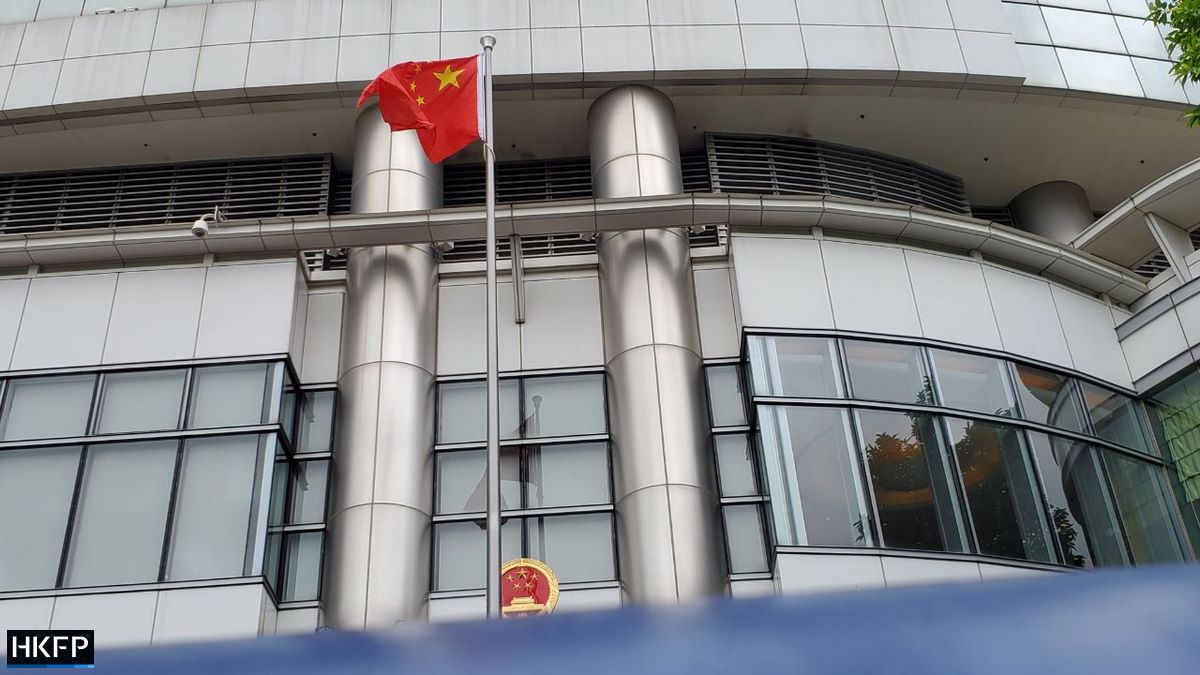
The previous year, 2025, witnessed the enactment of subsidiary legislation under the Safeguarding National Security Ordinance, commonly referred to as Article 23. This homegrown legislation, passed in March 2024, introduced a suite of new offenses and measures. Among these was the designation of premises occupied by Beijing’s national security office in Hong Kong as "prohibited places." Additionally, new offenses were created, carrying a maximum penalty of seven years imprisonment. One notable addition criminalizes the disclosure of information related to national security investigations, a provision that has drawn scrutiny from press freedom advocates.
The enactment of Article 23 itself was a significant event, representing the culmination of a long-dormant legislative effort. The original Article 23 of the Basic Law, Hong Kong’s mini-constitution, mandated that the SAR enact its own laws to prohibit acts of treason, secession, sedition, and subversion against the Central People’s Government. This legislative initiative was first attempted in 2003 but was ultimately shelved due to massive public opposition, which saw hundreds of thousands of people take to the streets. The legislation remained a political taboo for over two decades until its swift passage in early 2024. It was fast-tracked through the city’s legislature, which at the time had no opposition representation, and was unanimously approved.
Wang’s Assessment: A Comparative Perspective
During the seminar, Wang Zhenmin asserted that Hong Kong’s national security laws are comparatively "milder" than their counterparts in countries such as the United States, the United Kingdom, and Singapore. He linked the global trend of bolstering national security legislation to escalating international volatility and shifting geopolitical power dynamics.

"Hong Kong’s national security laws are the world’s mildest, respect the rule of law the most, and protects human rights and freedoms the most out of any national security legislation in the world," Wang claimed. This assertion positions the SAR’s legal framework as both robust in its protective function and balanced in its respect for fundamental rights, a stance that contrasts with criticisms leveled by international human rights organizations and some foreign governments.
The 2020 Beijing-enacted NSL and the local Article 23 legislation operate in parallel, each addressing distinct but related aspects of national security. The NSL primarily targets offenses such as secession, subversion, terrorism, and collusion with foreign forces. Article 23, on the other hand, expands the scope to include treason, insurrection, sabotage, external interference, sedition, theft of state secrets, and espionage.
Key Provisions and Potential Implications
The legislative updates have introduced several provisions with potentially significant implications for individuals and freedoms within Hong Kong. Article 23, for instance, allows for pre-charge detention of up to 16 days for national security suspects. Furthermore, their access to legal representation may be restricted during the initial stages of an investigation. The penalties prescribed are severe, with offenses like treason, insurrection, and sabotage carrying potential sentences of up to life imprisonment.
The power granted to the Chief Executive to certify any criminal act as a national security offense is a particularly noteworthy expansion. This discretionary power could lead to a broader application of national security laws, potentially encompassing acts that might not have been traditionally considered threats to national security. The requirement for individuals to surrender passwords further emphasizes the state’s growing capacity to monitor and access digital information in its pursuit of national security objectives.
The designation of Beijing’s national security office premises as "prohibited places" limits public access and scrutiny of the operational sites of a key security agency. The offense of disclosing national security investigations, carrying a maximum seven-year jail term, is seen by some as a measure to prevent leaks and maintain the confidentiality of ongoing probes. However, critics argue it could stifle investigative journalism and public access to information, impacting press freedom and transparency.
Data and Context: The Global Push for Security
The emphasis on strengthening national security legislation in Hong Kong aligns with a broader global trend. Data from various security think tanks and academic institutions indicate a significant increase in the introduction or amendment of national security laws across democratic and authoritarian states alike in the past decade. Factors cited include rising geopolitical tensions, the proliferation of cyber threats, and concerns over foreign interference in domestic affairs.

For instance, a report by the Oxford Research Group in 2023 highlighted that over 70 countries had introduced or significantly amended national security legislation since 2015. This surge is often attributed to events such as the rise of sophisticated cyber warfare capabilities, the perceived threat of terrorism, and the increasing assertiveness of certain state actors on the international stage. Hong Kong’s situation, characterized by its unique political status and its integration within the global financial system, makes its national security landscape a subject of particular international interest.
Reactions and International Scrutiny
The continuous tightening of Hong Kong’s national security laws has drawn consistent criticism from international bodies, human rights organizations, and several Western governments. Concerns are frequently raised about the potential for these laws to be used to suppress dissent, curtail freedoms of speech and assembly, and undermine the city’s judicial independence.
The United Nations Human Rights Committee has previously expressed concerns regarding the broad interpretation and application of national security laws in Hong Kong, urging the government to ensure that all legislation and its implementation are consistent with international human rights standards. Similarly, organizations like Amnesty International and Human Rights Watch have documented instances where national security charges have been used against activists, journalists, and opposition figures, leading to lengthy detentions and trials.

Despite these concerns, the Hong Kong government and Beijing officials maintain that the national security laws are essential for restoring stability and ensuring the city’s long-term prosperity. They argue that the legislation targets a narrow range of serious offenses and that fundamental rights and freedoms continue to be protected in accordance with the law. The government has consistently defended its legislative actions as necessary measures to safeguard the SAR from threats that could undermine its stability and security.
Broader Impact and Future Trajectory
The ongoing evolution of Hong Kong’s national security laws has profound implications for the city’s future. The legislative enhancements signal Beijing’s unwavering commitment to what it perceives as a necessary consolidation of control over the SAR. This approach aims to preempt any perceived threats to national sovereignty and stability, ensuring that Hong Kong remains a secure and integral part of China.
The continuous refinement of these laws suggests a proactive and potentially expansive approach to national security. The legal framework is designed to be adaptable, allowing for the incorporation of new threats and challenges as they emerge. This dynamic nature, while presented by officials as a strength, also raises questions about predictability and the long-term impact on civil liberties and the legal environment.

For businesses operating in Hong Kong, the evolving legal landscape necessitates careful navigation. Understanding the nuances of the national security laws, including the expanded definitions of offenses and the increased powers of enforcement, is crucial for compliance and risk management. The emphasis on digital security and information control, for instance, could influence data handling practices and cybersecurity protocols.
The international perception of Hong Kong as a financial and legal hub may also be affected. While proponents argue that enhanced security fosters a stable environment for investment, critics express concerns about the erosion of rule of law and individual freedoms. The trajectory of these laws will undoubtedly continue to be a focal point for international observers and a key factor in shaping Hong Kong’s global standing. The commitment to "continuous improvement" as articulated by Wang Zhenmin suggests that the legislative process for national security in Hong Kong is far from over, with further adjustments and expansions likely in the years to come.


 Lina Irawan
 Iffa Jayyana